
While the digital landscape often buzzes with talk of the latest AI advancements, the intricacies of brand reputation, and the ever-evolving world of personal finance, a fundamental aspect of responsible pet ownership often gets overlooked: understanding the common health issues that affect our furry companions. This article, inspired by the title “What Causes Ear Infections in Dogs?”, aims to bridge the gap between the digital world we inhabit and the tangible well-being of our canine friends. We’ll explore the root causes of ear infections in dogs, dissecting them through a lens that touches upon the analytical, strategic, and even preventative aspects, much like how we approach challenges in technology, branding, and finance.

The Anatomy of an Ear Infection: A Multifaceted Problem
Just as a complex software bug requires identifying the precise code error, or a failing brand campaign needs a deep dive into market research, understanding canine ear infections necessitates a thorough examination of the contributing factors. These infections are rarely a singular event but rather a cascade of events, often initiated by underlying issues that create a hospitable environment for pathogens.
Microscopic Invaders: The Role of Bacteria and Yeast
At the heart of most ear infections lie microscopic organisms: bacteria and yeast. These are not necessarily “bad” in themselves; in fact, they are normal inhabitants of a dog’s ear canal. However, under certain conditions, their populations can explode, leading to inflammation and discomfort.
- Bacterial Overgrowth: Common culprits include Staphylococcus and Pseudomonas species. When the ear’s natural defenses are compromised, these bacteria multiply rapidly. This can be triggered by various factors, as we’ll discuss. The resulting infection is characterized by inflammation, discharge, and a foul odor.
- Yeast Dermatitis: Malassezia pachydermatis is another common yeast that thrives in warm, moist environments. Similar to bacteria, its overgrowth can cause significant irritation, itching, and a characteristic greasy discharge with a yeasty smell. Dogs with allergies are particularly prone to yeast infections.
The Foundation of Susceptibility: Underlying Predispositions
While bacteria and yeast are the immediate perpetrators, a dog’s individual characteristics and environment play a crucial role in determining their susceptibility to ear infections. Think of these as the pre-existing vulnerabilities that, if not addressed, pave the way for a “system failure” in the ear.
- Anatomical Factors: Certain breeds are genetically predisposed to ear infections due to their ear structure.
- Long, Pendulous Ears: Breeds like Basset Hounds, Cocker Spaniels, and Golden Retrievers have floppy ears that trap air and moisture, creating a dark, humid environment perfect for microbial growth. Their ear canals are also often narrower, hindering proper ventilation.
- Hairy Ear Canals: Some breeds, such as Poodles and Schnauzers, have excessive hair growth within their ear canals. This hair can trap debris and moisture, further contributing to an unhealthy environment.
- Allergies: The Chronic Inflammatory Driver: Allergies are arguably one of the most common underlying causes of recurrent ear infections in dogs. These can be environmental (pollen, dust mites) or food-related. The allergic response causes widespread inflammation throughout the body, including the skin of the ear canal. This inflammation leads to increased mucus production, swelling, and a compromised immune system in the ear, making it an ideal breeding ground for secondary bacterial and yeast infections.
- Moisture and Humidity: Just as a poorly maintained server room can lead to hardware failures, a damp ear canal is a breeding ground for trouble. Excessive moisture can be introduced through:
- Swimming or Bathing: Water trapped in the ear after swimming or bathing can create a perfect breeding ground for pathogens.
- High Humidity Environments: Dogs living in consistently humid climates are more prone to ear issues.
- Foreign Bodies and Trauma: While less common, foreign objects (like grass seeds or small insects) entering the ear canal can cause immediate irritation and inflammation, leading to secondary infections. Similarly, trauma to the ear, such as rough play or scratching, can damage the delicate tissues and create entry points for pathogens.
- Parasites: Ear mites are microscopic arachnids that infest the ear canal, feeding on earwax and skin oils. Their presence causes intense itching and inflammation, leading to scratching, which can further damage the ear and predispose it to bacterial or yeast infections.
The Domino Effect: How a Minor Issue Escalates
Understanding the causes of ear infections is akin to understanding the vulnerabilities in a complex system. A single weak point, if left unaddressed, can trigger a cascade of problems. In dogs, an ear infection often begins with a seemingly minor issue that then escalates through a series of domino effects.
From Irritation to Infection: The Inflammatory Cascade
The process often starts with an irritant, whether it’s an allergen, a bit of moisture, or even an accumulation of earwax. This irritant triggers an inflammatory response in the ear canal.
- Inflammation and Swelling: The ear canal lining becomes inflamed and swollen. This narrows the canal, making it harder for air to circulate and for earwax and debris to move out naturally.
- Increased Secretions: The inflamed tissue begins to produce more earwax and a more watery, less protective discharge. This creates a moist environment.
- Microbial Proliferation: The combination of increased moisture and a compromised local immune response allows the normally present bacteria and yeast to multiply rapidly.
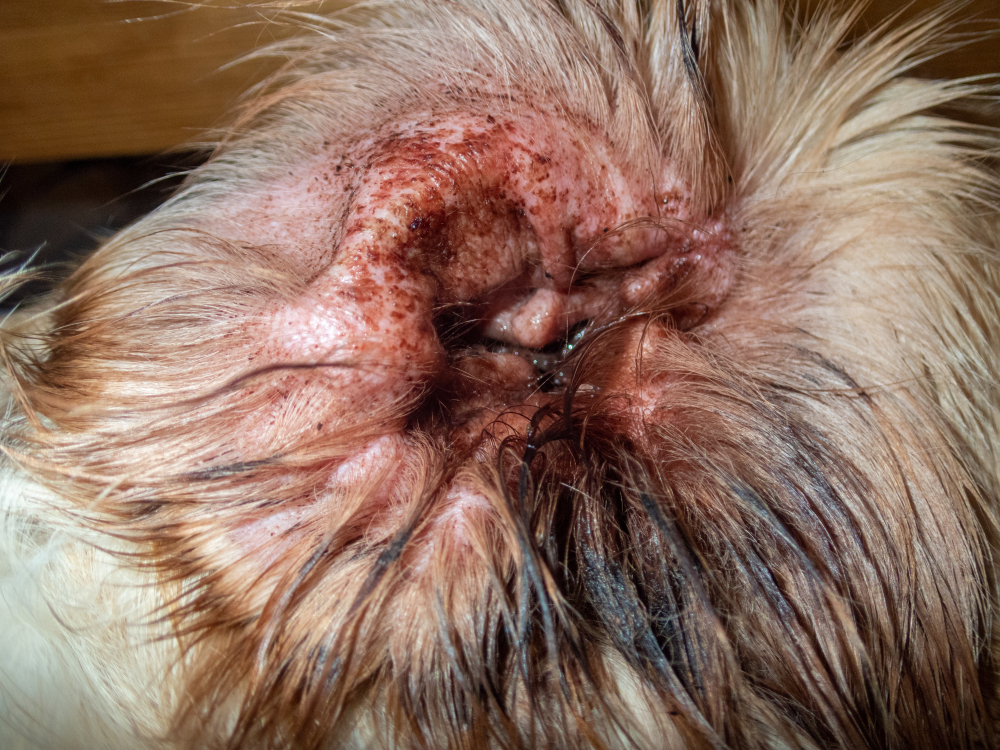
- Secondary Infection: The overgrowth of these microorganisms leads to a full-blown infection, characterized by pain, itching, redness, discharge, and a foul odor. The dog’s attempts to relieve the itching by scratching can further exacerbate the inflammation and damage, creating a vicious cycle.
Prevention and Mitigation: A Proactive Strategy
Just as robust cybersecurity protocols prevent data breaches and a strong brand strategy builds resilience, a proactive approach to ear health can significantly reduce the incidence of ear infections in dogs. This involves understanding the triggers and implementing consistent preventative measures.
Regular Cleaning and Inspection: The First Line of Defense
Regular maintenance is key to preventing issues, whether it’s keeping your software updated or your financial records in order. For dogs, this translates to consistent ear care.
- Routine Cleaning: The frequency of cleaning will depend on your dog’s breed and lifestyle. Dogs with floppy ears or those who swim frequently may require more frequent cleaning (e.g., weekly or bi-weekly). Breeds with upright ears and less exposure to moisture may need less frequent cleaning.
- Using Appropriate Solutions: Always use a veterinarian-approved ear cleaning solution. These solutions are formulated to break down earwax and debris without irritating the ear canal. Avoid using water, hydrogen peroxide, or alcohol, as these can be harsh and damaging.
- Gentle Technique: Gently massage the base of the ear to help the solution distribute throughout the canal. Then, use a cotton ball or gauze to gently wipe away any loosened debris and excess solution from the visible parts of the ear. Never insert cotton swabs deep into the ear canal, as this can push debris further in and potentially damage the eardrum.
- Visual Inspection: During cleaning, take the opportunity to visually inspect your dog’s ears. Look for any redness, swelling, excessive discharge, or unusual odors. Early detection is crucial for preventing a minor issue from becoming a major infection.
Managing Underlying Allergies: Addressing the Root Cause
If allergies are suspected, working closely with your veterinarian is paramount. This is analogous to addressing a systemic financial weakness rather than just treating superficial symptoms.
- Diagnostic Testing: Your vet may recommend allergy testing to identify specific allergens.
- Dietary Management: For food allergies, an elimination diet trial is often the most effective way to pinpoint the offending ingredient.
- Medications and Therapies: Depending on the type and severity of allergies, your vet may prescribe antihistamines, corticosteroids, immunotherapy (allergy shots), or other medications to manage inflammation and control the allergic response.
Environmental Control: Creating a Less Hospitable Environment
Minimizing exposure to moisture is a critical step in prevention.
- Drying Ears After Water Exposure: Always thoroughly dry your dog’s ears after swimming or bathing. Gently towel dry the outer ear and use a cotton ball to absorb any visible moisture in the canal.
- Consider Ear Wipes or Sprays: For dogs that frequently swim, veterinarian-approved ear drying solutions can be used after water exposure to help evaporate moisture.

Professional Intervention: When to Seek Veterinary Help
Just as you’d consult a financial advisor for complex investment strategies or a tech expert for system overhauls, knowing when to involve a veterinarian is essential for your dog’s ear health.
- Signs of Infection: If you notice any of the following signs, it’s time to schedule a vet visit:
- Excessive scratching or head shaking
- Redness or swelling in the ear canal
- Discharge (waxy, pus-like, or bloody)
- Foul odor emanating from the ear
- Pain or sensitivity when the ear is touched
- Loss of balance or unusual head tilt (in severe cases)
- Chronic or Recurrent Infections: If your dog experiences frequent ear infections, it’s crucial to work with your veterinarian to identify and manage the underlying cause. Untreated or inadequately treated chronic ear infections can lead to serious complications, including hearing loss and damage to the ear canal.
By approaching canine ear health with the same analytical rigor and proactive strategy we apply to technological advancements, brand building, and financial planning, we can ensure our canine companions enjoy a healthier, more comfortable life, free from the persistent discomfort of ear infections. Understanding the “why” behind these common ailments empowers us to implement effective “how-to” solutions, fostering a stronger bond with our beloved pets.
aViewFromTheCave is a participant in the Amazon Services LLC Associates Program, an affiliate advertising program designed to provide a means for sites to earn advertising fees by advertising and linking to Amazon.com. Amazon, the Amazon logo, AmazonSupply, and the AmazonSupply logo are trademarks of Amazon.com, Inc. or its affiliates. As an Amazon Associate we earn affiliate commissions from qualifying purchases.