
In the world of biological sciences, we often ask what layer of the skin is the thickest and strongest to understand how the human body protects itself from external threats. When we translate this concept into the realm of technology, we find a striking parallel. Modern software development and digital infrastructure are not monolithic entities; they are composed of complex, overlapping layers designed to provide functionality, aesthetic appeal, and, most importantly, structural integrity.
In the “Tech” niche, the “skin” of an application or a system is its architectural stack. While many users focus on the visible surface—the user interface—seasoned developers and tech architects know that the true resilience of a product lies deeper. To build a digital tool that survives market volatility, cyber threats, and scaling challenges, one must identify and fortify the “thickest and strongest” layer of the tech stack: the back-end infrastructure and database logic.
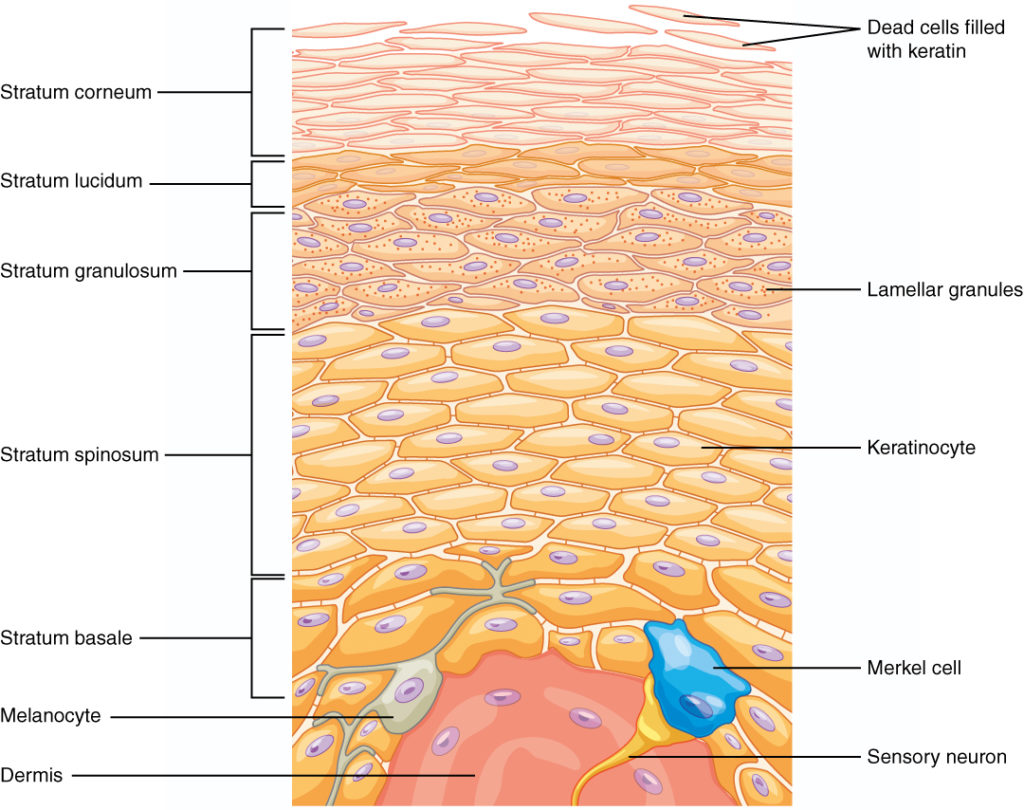
The Surface Layer: UI/UX as the Digital Epidermis
In human anatomy, the epidermis is the outermost layer of the skin. It is what the world sees, and it provides the first line of defense. In technology, this corresponds to the User Interface (UI) and User Experience (UX). While essential for interaction, it is rarely the “strongest” layer in terms of structural longevity.
First Impressions and User Interaction
The frontend of an application—built with frameworks like React, Vue, or Angular—serves as the digital epidermis. It is designed to be sleek, responsive, and intuitive. Just as the skin’s surface must be sensitive to touch and temperature, the UI must be sensitive to user behavior. However, the frontend is notoriously “thin.” It is subject to the whims of design trends and browser compatibility issues. A UI that looks cutting-edge today may feel obsolete in eighteen months. Consequently, while the epidermis is vital for engagement, it lacks the “thickness” required to sustain the heavy lifting of data processing.
The Fragility of Frontend Trends
The reason the frontend isn’t the strongest layer is its inherent volatility. JavaScript frameworks evolve at a dizzying pace. What was industry standard three years ago is often considered legacy code today. Because the “surface” layer of tech must constantly adapt to new devices—from foldable phones to VR headsets—it is built for flexibility rather than permanent strength. It is the “outer shell” that attracts the user, but it relies entirely on the layers beneath it to function.
The Dermis of Technology: Why the Back-End is the Thickest and Strongest Layer
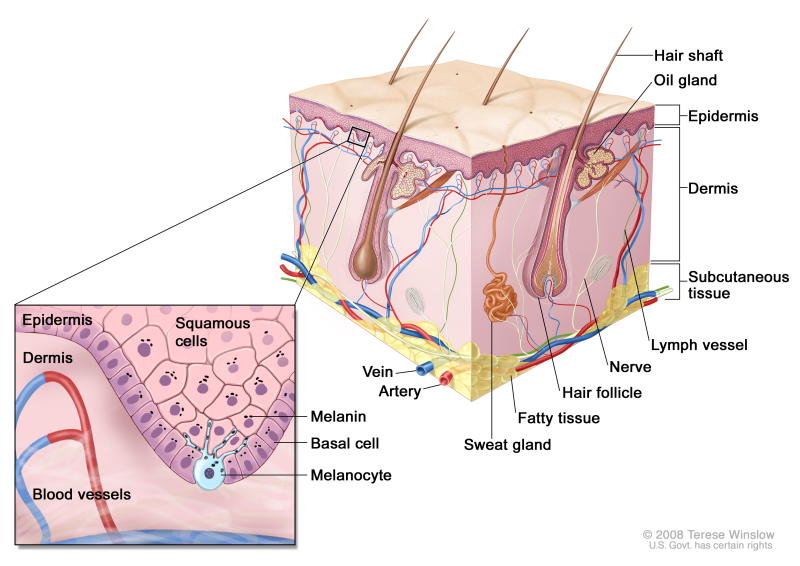
If the epidermis is the interface, the dermis is the core. In biology, the dermis is the thickest layer of the skin, containing collagen, elastic fibers, and various functional organs. In the tech world, this is the back-end development layer. This is where the business logic lives, where calculations occur, and where the “strength” of the application is truly tested.
Data Management and Storage Integrity
The back-end is the “thickest” layer because it carries the weight of the entire system’s data. Whether utilizing SQL databases like PostgreSQL or NoSQL solutions like MongoDB, this layer manages the storage, retrieval, and organization of every piece of information. When we ask what makes a system “strong,” we are usually talking about its ability to maintain data integrity under pressure. A “thin” back-end leads to crashes, data corruption, and slow query times. A “thick” back-end, much like a healthy dermis, provides the cushioning and support necessary for the surface to remain taut and functional.
API Integrations: The Connective Tissue
Just as the dermis contains the nerves and blood vessels that nourish the skin, the back-end contains the APIs (Application Programming Interfaces) that nourish the application. These APIs act as the connective tissue, allowing different software components to communicate. A strong API layer ensures that even if the “epidermis” (the frontend) is replaced or redesigned, the core functionality remains intact. This decoupling is what allows tech giants like Amazon or Netflix to update their look without ever taking their systems offline. The strength of the dermis—the back-end logic—is what provides this “always-on” resilience.

The Hypodermis: Infrastructure and Cloud Scalability
Beneath the dermis lies the hypodermis, or the subcutaneous layer, which attaches the skin to the underlying bone and muscle. In technology, this represents the infrastructure—the servers, cloud environments, and networking protocols that hold the software in place.
Server-Side Logic and Processing Power
Infrastructure is the “deepest” layer. Whether a company uses on-premise servers or cloud providers like AWS, Google Cloud, or Microsoft Azure, this layer determines the system’s ultimate capacity. If the back-end is the muscle, the infrastructure is the bone. The thickness of this layer is measured in bandwidth, latency, and processing power. A tech stack with a weak infrastructure layer will collapse as soon as traffic spikes. Therefore, building a “thick” infrastructure involves implementing load balancers, auto-scaling groups, and robust content delivery networks (CDNs).
Security Protocols: The Immune System of the Stack
The strongest part of a tech infrastructure is often its security layer. Just as the deepest layers of the skin house the body’s defensive mechanisms, the infrastructure layer houses firewalls, encryption protocols, and Identity and Access Management (IAM) systems. In an era of increasing digital threats, the strength of a company’s “skin” is defined by its ability to repel cyber-attacks. Digital security is not a surface-level feature; it must be baked into the deepest layers of the architecture to be effective.
Future-Proofing the Tech “Skin”: AI and Machine Learning
As we look toward the future of technology, the “thickness” of our systems is being enhanced by artificial intelligence. AI is no longer just a feature; it is becoming a foundational layer that adds a new dimension of strength to software.
The Role of Algorithmic Resilience
Machine learning models are being integrated into the back-end to provide “self-healing” capabilities. These algorithms can detect anomalies in system performance or security breaches faster than any human operator. By adding an AI layer to the “dermis” of the tech stack, developers are creating software that is not only thick and strong but also intelligent. This algorithmic resilience allows the system to adapt to new stresses, much like skin develops calluses or heals from a wound.
Adaptive Architecture for Next-Gen Software
The concept of “headless” architecture—where the frontend is entirely decoupled from the back-end—is the ultimate realization of the layered skin metaphor. By focusing on the strength of the back-end (the dermis) and the infrastructure (the hypodermis), companies can swap out their “skin” (the UI) as often as needed without risking the core integrity of the system. This modularity is the hallmark of modern, high-growth technology companies. It ensures that the “thickest and strongest” parts of the digital body are protected from the wear and tear of the rapidly changing consumer landscape.
Conclusion: Investing in the Core
When we analyze what layer of the skin is the thickest and strongest, we learn that protection comes from depth, not just surface area. In the tech industry, the lesson is identical. While it is tempting to invest all resources into the “epidermis”—the flashy UI and trendy features—the long-term viability of any digital product depends on the thickness of its back-end and the strength of its infrastructure.
A professional approach to technology requires a “bottom-up” philosophy. By prioritizing the dermis (logic) and the hypodermis (infrastructure), organizations create a robust foundation that can support any number of surface-level transformations. In the digital age, strength is found in the layers that the user never sees, but the system cannot live without. To build the future, we must look beyond the surface and fortify the thickest and strongest layers of our technological skin.
aViewFromTheCave is a participant in the Amazon Services LLC Associates Program, an affiliate advertising program designed to provide a means for sites to earn advertising fees by advertising and linking to Amazon.com. Amazon, the Amazon logo, AmazonSupply, and the AmazonSupply logo are trademarks of Amazon.com, Inc. or its affiliates. As an Amazon Associate we earn affiliate commissions from qualifying purchases.