
In the world of global branding, Switzerland represents a unique paradox. It is a small nation with a massive global reputation for quality, precision, and wealth, yet it is internally fragmented by four distinct national languages: German, French, Italian, and Romansh. For brand strategists and marketing professionals, answering the question “What languages do they speak in Switzerland?” is not merely a linguistic exercise—it is the foundation of a sophisticated multi-market strategy.
To build a successful brand in Switzerland, one must move beyond the “one-size-fits-all” approach. The Swiss market requires a nuanced understanding of regional identities, cultural sensitivities, and the strategic deployment of “Swissness” as a unifying corporate identity.
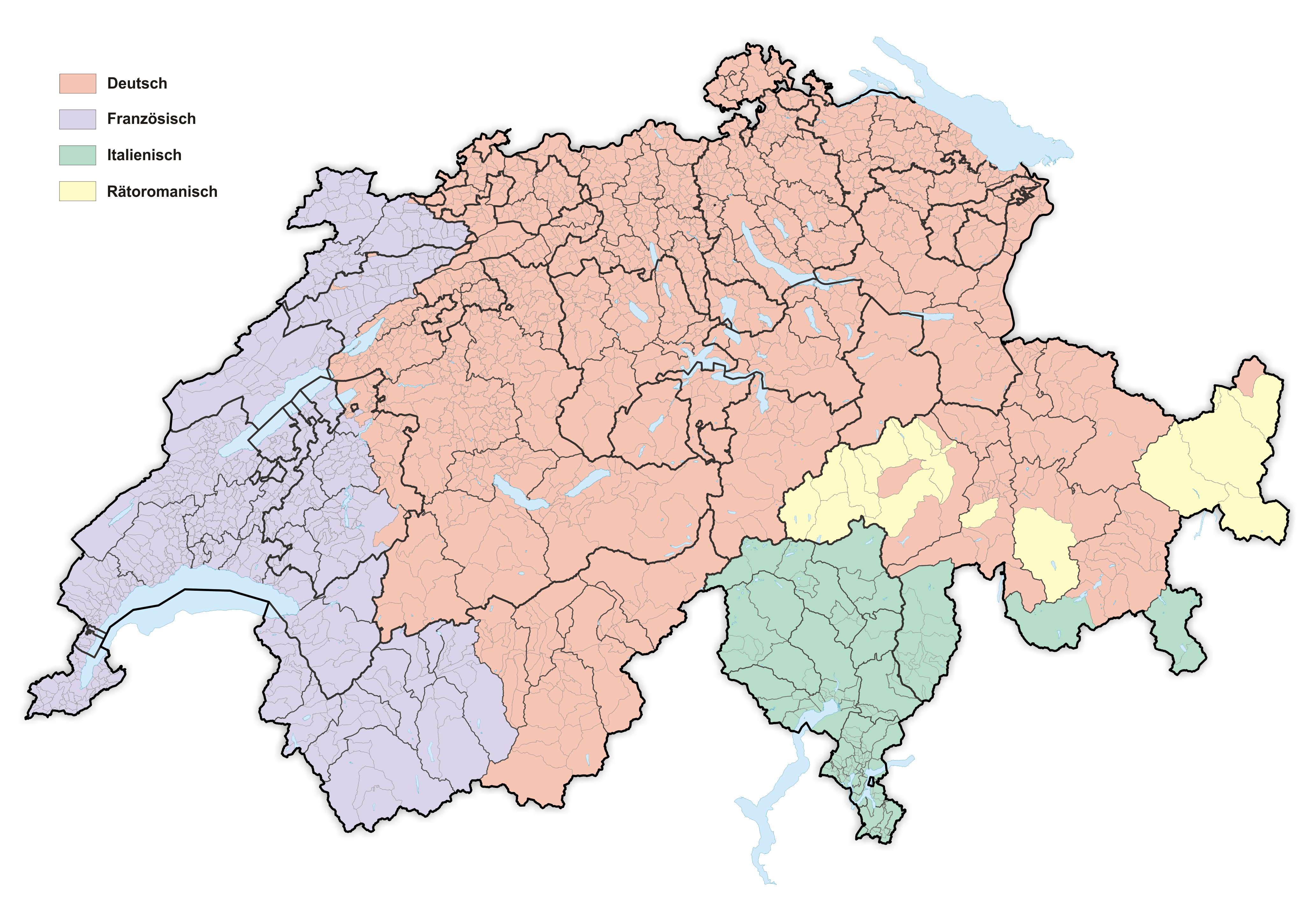
The Four-Pillar Foundation: Understanding the Swiss Linguistic Landscape
The first step in Swiss brand strategy is acknowledging that Switzerland is not a single market, but a federation of cultures. While English is increasingly used as a lingua franca in corporate environments, the consumer’s heart—and wallet—is reached through their native tongue.
German (Schwiizertüütsch) vs. High German: The Emotional Connection
Approximately 62% of the population speaks German. However, for a brand strategist, it is vital to distinguish between High German (Hochdeutsch) and Swiss German (Schwiizertüütsch). High German is the language of instruction, formal writing, and most national advertising copy. Conversely, Swiss German is a collection of dialects used in daily conversation and emotional contexts.
Brands that want to appear approachable and “local” often use Swiss German in social media campaigns or radio advertisements. However, this comes with a risk: Swiss German has no standardized spelling, and using the wrong dialect can alienate residents of different cantons (e.g., Zurich vs. Bern). For luxury or high-end corporate branding, High German remains the standard, signaling professionalism and authority.
French (Suisse Romande): The Cultural Bridge to Luxury and Lifestyle
In the western part of the country, known as Suisse Romande, roughly 23% of the population speaks French. The French-speaking Swiss have a distinct cultural identity that often aligns more closely with the lifestyle and aesthetic sensibilities of France than with their German-speaking compatriots.
From a branding perspective, the “Romandie” market is crucial for the luxury, fashion, and culinary sectors. Marketing materials here must not only be translated into French but also culturally adapted. A campaign that resonates in Zurich might be perceived as too “stiff” for Geneva or Lausanne. Effective brand strategy in this region prioritizes elegance, social connection, and a certain “joie de vivre.”
Italian and Romansh: Tapping into Niche and Heritage Markets
The Italian-speaking region (Ticino and parts of Graubünden) accounts for about 8% of the population. While smaller, it is an essential component of a truly national Swiss brand presence. Branding in Italian often leans into the warmth and Mediterranean flair associated with the region.
Romansh, spoken by less than 1% of the population in the valleys of Graubünden, is often used by brands as a symbol of heritage and authentic “Swissness.” While not a primary language for mass-market ROI, incorporating Romansh into a corporate identity can signal a deep commitment to Swiss tradition and inclusivity, enhancing the brand’s “halo effect.”
Strategic Localization: Beyond Simple Translation
In Switzerland, translation is a commodity, but “transcreation” is a strategic asset. A brand that simply translates its German copy into French will often find that its message loses its impact or, worse, comes across as culturally tone-deaf.
Transcreation: Adapting the Brand Voice for Regional Nuance
Transcreation involves taking the core message of a brand and recreating it in another language so that it carries the same emotional weight and cultural relevance. For example, humor is notoriously difficult to translate across the “Röstigraben” (the invisible cultural border between German and French speakers).
A brand strategy for a Swiss retail giant like Migros or Coop requires different creative teams for each linguistic region. What makes a consumer in St. Gallen laugh might be met with a shrug in Neuchâtel. Strategists must ensure that the brand’s “core values” remain consistent while the “creative expression” fluctuates to meet regional expectations.
The Visual Language of “Swissness” (The White Cross and Quality)
Because of the linguistic fragmentation, many Swiss brands rely heavily on visual semiotics to create a unified identity. The Swiss flag—a white cross on a red field—is one of the world’s most powerful brand assets. Under the “Swissness” legislation, brands must meet specific criteria to use this symbol, which denotes quality, reliability, and precision.

For a brand operating across all four linguistic zones, the visual identity (logo, typography, and color palette) often does the heavy lifting. Brands like Victorinox or Rolex have mastered a visual language that transcends the need for words, allowing them to maintain a cohesive corporate identity from Lugano to Basel.
Digital Branding and User Experience (UX) in a Multilingual Hub
In the digital age, a brand’s website and app are its primary storefronts. In Switzerland, the digital experience must be flawlessly multilingual. This presents significant challenges for SEO, SEM, and UX design.
SEO and SEM Strategy Across Four Official Languages
A common mistake for international brands entering the Swiss market is focusing solely on one language for Search Engine Optimization. To dominate the Swiss market, a brand must implement a multi-hreflang strategy. This ensures that a user searching in French in Geneva is directed to the /fr/ version of the site, while someone in Zurich sees the /de/ version.
Keyword research must be conducted independently for each language. The terms used by a German speaker to find “insurance” (Versicherung) are entirely different from the “assurance” searched by a French speaker. Furthermore, the search intent and competition levels vary significantly between the linguistic regions, requiring localized ad spend and bidding strategies on Google Ads.
Omni-channel Consistency: Managing Regional Social Media Personas
Social media management for a Swiss brand is a complex operation. Should a brand have one “Switzerland” Instagram account that posts in multiple languages, or separate accounts for each region?
The modern brand strategy leans toward a unified account with “geotargeted” content or the use of multiple languages within a single post (often German followed by French). However, for engagement-heavy platforms like TikTok, successful brands often employ regional influencers who speak the specific dialect of their audience. This builds “social proof” and authenticity that a translated corporate post could never achieve.
Corporate Identity and the “Röstigraben” Challenge
The term “Röstigraben” refers to the cultural divide between the German-speaking majority and the French-speaking minority. For a brand to be truly “Swiss,” it must bridge this gap and appeal to both sides of the divide without appearing to favor one over the other.
Bridging the Cultural Divide between French and German Switzerland
A national brand strategy must find the “lowest common denominator” of Swiss values—neutrality, quality, and punctuality—while celebrating regional diversity. Corporate social responsibility (CSR) initiatives are an excellent way to do this. A brand that supports traditional wrestling (Schwingen) in the German cantons while also sponsoring film festivals in the French-speaking regions demonstrates a holistic commitment to the entire nation.
When a brand undergoes a merger or a rebrand in Switzerland, the choice of the new name is critical. Often, brands choose neutral, Latin-sounding names (like Novartis or Helvetia) to avoid linguistic bias. Alternatively, they use English names to provide a “neutral” middle ground that doesn’t prioritize one Swiss language over another.
Internal Branding: Unifying a Multilingual Workforce
Corporate identity isn’t just external; it’s internal. Swiss companies often face the challenge of uniting employees who speak different primary languages. A brand’s internal communication strategy must reflect its external values.
In many Swiss boardrooms, meetings are held in a mix of languages where everyone speaks their own tongue and understands the others—a phenomenon known as “passive multilingualism.” However, for official brand documentation, values, and mission statements, companies often provide versions in German, French, and increasingly, English. This inclusivity ensures that every employee, regardless of their canton, feels like a stakeholder in the brand’s success.

Conclusion: The Strategic Advantage of Multilingualism
Answering “What languages do they speak in Switzerland?” is the beginning of a journey into one of the world’s most sophisticated consumer markets. For brand strategists, the linguistic diversity of Switzerland is not a barrier to be overcome, but a framework for excellence.
By mastering the art of transcreation, leveraging the power of “Swissness” as a visual shorthand, and implementing robust multilingual digital strategies, a brand can turn the complexity of Switzerland into a competitive advantage. In this market, the most successful brands are those that speak the language of their customers—not just literally, but culturally and emotionally. In the heart of Europe, the ability to navigate four languages is the ultimate hallmark of a truly global, yet deeply local, brand.
aViewFromTheCave is a participant in the Amazon Services LLC Associates Program, an affiliate advertising program designed to provide a means for sites to earn advertising fees by advertising and linking to Amazon.com. Amazon, the Amazon logo, AmazonSupply, and the AmazonSupply logo are trademarks of Amazon.com, Inc. or its affiliates. As an Amazon Associate we earn affiliate commissions from qualifying purchases.