
In the realm of global brand expansion, few markets offer a linguistic landscape as complex and rewarding as Morocco. For a brand strategist, the question “What language do they speak in Morocco?” is not a simple query for a demographic statistic; it is a fundamental inquiry into the soul of the Moroccan consumer. Morocco is a country characterized by “diglossia” and multilingualism, where the choice of language determines not just the reach of a message, but its perceived authority, emotional resonance, and cultural alignment.
To build a successful corporate identity or execute a high-impact marketing campaign in the Kingdom, brands must move beyond surface-level translations. They must understand the strategic weight of Moroccan Darija, Modern Standard Arabic, French, Tamazight, and the burgeoning influence of English. This article explores how language selection serves as the cornerstone of brand strategy in Morocco.

The Multilingual Landscape of the Moroccan Market
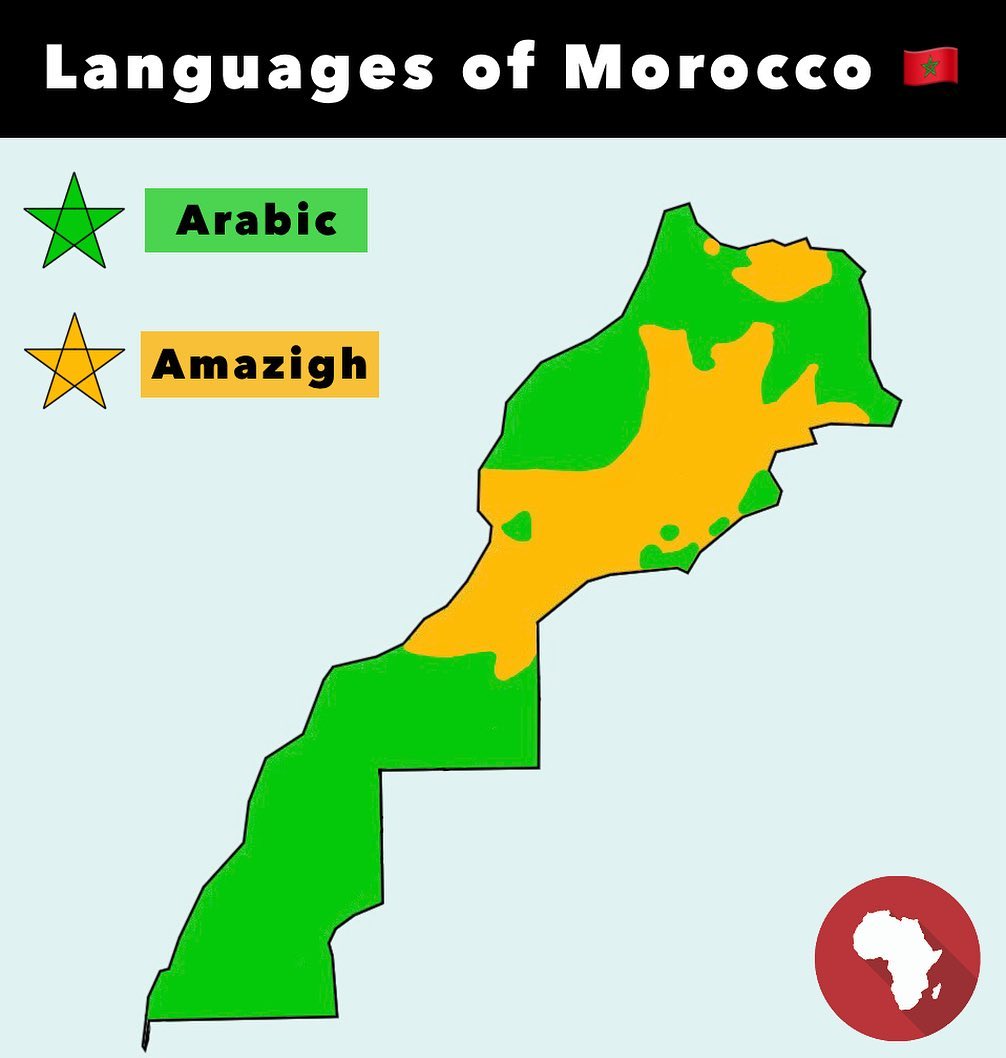
The first step in any branding exercise in Morocco is mapping the linguistic terrain. Unlike more monolingual markets, Morocco operates on multiple layers of communication, each serving a distinct social and commercial purpose.
Modern Standard Arabic vs. Moroccan Darija: The Emotional vs. Formal Divide
Modern Standard Arabic (MSA), or Fusha, is the official language of the constitution, the judiciary, and formal news media. For a brand, MSA signals professionalism, tradition, and pan-Arab reliability. It is the language of contracts and formal announcements. However, it is rarely the language of the “heart.”
Conversely, Moroccan Darija—the vernacular Arabic dialect—is the true lingua franca of daily life. For decades, Darija was sidelined in formal branding, viewed as too “informal” for television or high-end print. Today, the tide has turned. Modern brand strategy in Morocco leverages Darija to create intimacy and authenticity. When a brand speaks Darija, it signals that it “gets” the local culture. It moves from being a distant foreign entity to a relatable neighbor.
The French Legacy: Prestige and the Corporate Sector
While not an official language, French remains the dominant language of business, higher education, and administration. In the context of brand strategy, French often acts as a signifier of prestige, luxury, and modernity. If you are branding a high-end real estate development or a B2B fintech solution, French is often the default. It bridges the gap between Moroccan heritage and global corporate standards, offering a “chic” appeal that resonates with the urban middle and upper classes.
The Rise of Tamazight: Cultural Identity and Constitutional Recognition
Tamazight (the Berber language) is an integral part of the Moroccan identity and was recognized as an official language in the 2011 constitution. For brands, acknowledging Tamazight is more than a legal necessity; it is a powerful tool for inclusive branding. Incorporating the Tifinagh script in visual identities or creating localized campaigns for the Souss, High Atlas, or Rif regions demonstrates a profound respect for the country’s indigenous roots, fostering deep brand loyalty among a significant portion of the population.
Crafting a Brand Voice in a Code-Switching Society
Moroccan consumers are master “code-switchers,” often blending three languages in a single sentence. A brand that ignores this linguistic fluidity risks appearing robotic or out of touch.
Code-Switching as a Marketing Tool
The most successful contemporary marketing campaigns in Morocco utilize “Franco-Arabe” or “Darija-French” hybrids. This reflects the reality of how people actually talk in cafes, offices, and on the street. By mirroring this code-switching, a brand adopts a voice that is both modern and grounded. For instance, a telecommunications brand might use a French technical term followed by a Darija punchline. This strategy ensures the message is clear while maintaining a rhythmic, cultural “cool” that appeals to the youth demographic.
Localization vs. Translation: Avoiding the Literal Trap
A common pitfall for international brands is the reliance on literal translation from English or French into Modern Standard Arabic. This often results in messaging that feels stiff, alien, or unintentionally humorous.
Strategic localization involves “transcreation”—reimagining the brand’s value proposition through the lens of Moroccan idioms and social cues. A slogan that works in Dubai might fail in Casablanca because the linguistic nuances of the Maghreb are distinct from the Mashriq (the East). Brands must invest in local creative directors who understand the specific puns, metaphors, and cultural taboos inherent in Moroccan Darija.

Digital Branding and the Shift Toward English
The digital revolution has introduced a new player into the Moroccan linguistic mix: English. As the world becomes more interconnected, the linguistic preferences of the Moroccan “Gen Z” and “Alpha” generations are shifting.
The Youth Demographic and the English Language Trend
For the younger generation, English is increasingly seen as the language of technology, global opportunity, and social media. While French was the “prestige” language for their parents, English is the “cool” language for the youth. Brands targeting tech-savvy consumers, gamers, or startup founders are increasingly adopting English-heavy social media strategies.
In this niche, using English doesn’t just communicate information; it positions the brand as a forward-thinking, global-facing entity. However, this must be balanced carefully to avoid alienating those who may feel English is a sign of “cultural elitism.”
Social Media Strategies: Which Language Wins on Instagram and TikTok?
The choice of language on social media platforms depends heavily on the platform’s native “vibe.”
- LinkedIn: Primarily French and English, focusing on professional corporate identity.
- Instagram/TikTok: High usage of Darija and “Arabish” (Arabic written with Latin characters and numbers). This is where the brand must be most “human.”
- Facebook: A mix of MSA and Darija, reaching a broader, more traditional demographic.
A unified brand strategy must be agile enough to pivot its linguistic style across these platforms while maintaining a consistent core identity.
Case Studies: Successes and Failures in Moroccan Brand Positioning
Analyzing how major players navigate this environment provides a blueprint for new market entrants.
Telecom Giants and the Mastery of Darija
Morocco’s telecommunications sector (featuring players like Maroc Telecom, Orange, and Inwi) provides a masterclass in linguistic branding. These companies were among the first to realize that to win the mass market, they had to embrace Darija. Their advertisements often feature local humor, street slang, and popular Moroccan music. By doing so, they transitioned from utility providers to cultural icons. Their use of “L’couple” (a famous Moroccan comedy duo) in campaigns is a prime example of using language and local personality to solidify brand dominance.
Luxury Brands and the French Aesthetic
In contrast, luxury brands—from high-end automotive manufacturers to French perfumeries—maintain a “French-first” approach. For these brands, the use of French serves as a “gatekeeper” of sorts. It reinforces the exclusivity of the product. If a luxury brand were to switch entirely to Darija, it might lose its “aspirational” quality in the eyes of the consumer, who associates French with high-status consumption. The strategy here is not about reaching everyone; it’s about reaching the right someone through a language of prestige.
Strategic Recommendations for Global Brands Entering Morocco
Entering the Moroccan market requires a sophisticated linguistic playbook. Here are three pillars for a robust brand strategy:
- Audit Your Audience Segments: Do not treat Morocco as a monolith. Define whether your target is the French-speaking executive, the Darija-speaking shopkeeper, or the English-speaking tech enthusiast. Your linguistic mix should be weighted accordingly.
- Visual Identity and Script: Consider the impact of script. Using Arabic calligraphy can add a layer of elegance and heritage to a brand, even if the primary language of the marketing is French. Ensure that your typography is legible and culturally appropriate across all scripts used (Latin, Arabic, and Tifinagh).
- Linguistic Fluidity as a Value: Don’t be afraid to mix languages if that is what your audience does. A brand that speaks like its customers is a brand that is trusted by its customers.
In conclusion, “what language they speak in Morocco” is a question with a multifaceted answer. It is a symphony of Darija’s warmth, French’s polish, MSA’s authority, and Tamazight’s soul. For the brand strategist, mastering this symphony is the difference between a brand that is merely “present” and one that is truly “preferred.” By treating language as a strategic asset rather than a logistical hurdle, brands can unlock the immense potential of the Moroccan market and build a lasting corporate identity in the heart of North Africa.
aViewFromTheCave is a participant in the Amazon Services LLC Associates Program, an affiliate advertising program designed to provide a means for sites to earn advertising fees by advertising and linking to Amazon.com. Amazon, the Amazon logo, AmazonSupply, and the AmazonSupply logo are trademarks of Amazon.com, Inc. or its affiliates. As an Amazon Associate we earn affiliate commissions from qualifying purchases.