
In the modern financial landscape, the days of writing paper checks, licking envelopes, and hunting for postage stamps are rapidly becoming relics of the past. As we move toward a fully digitized economy, “Bill Pay” has emerged as a foundational tool for anyone looking to master their personal finances. At its core, bill pay is a service offered by banks, credit unions, and third-party financial applications that allows users to manage and dispatch payments to creditors and service providers from a single interface.
However, understanding how bill pay works involves more than just clicking a “pay” button. It requires an understanding of the banking infrastructure, the strategic timing of cash flows, and the psychological benefits of automation. By leveraging these systems effectively, you can transform your financial life from a chaotic scramble into a streamlined, wealth-building machine.
Understanding the Mechanics of Online Bill Pay
To maximize the utility of bill pay, one must first understand the “plumbing” behind the digital interface. When you initiate a payment through your bank’s bill pay service, you are essentially instructing your financial institution to transfer funds to a third party. But how those funds travel can vary depending on the relationship between your bank and the payee.
Manual vs. Automatic Payments
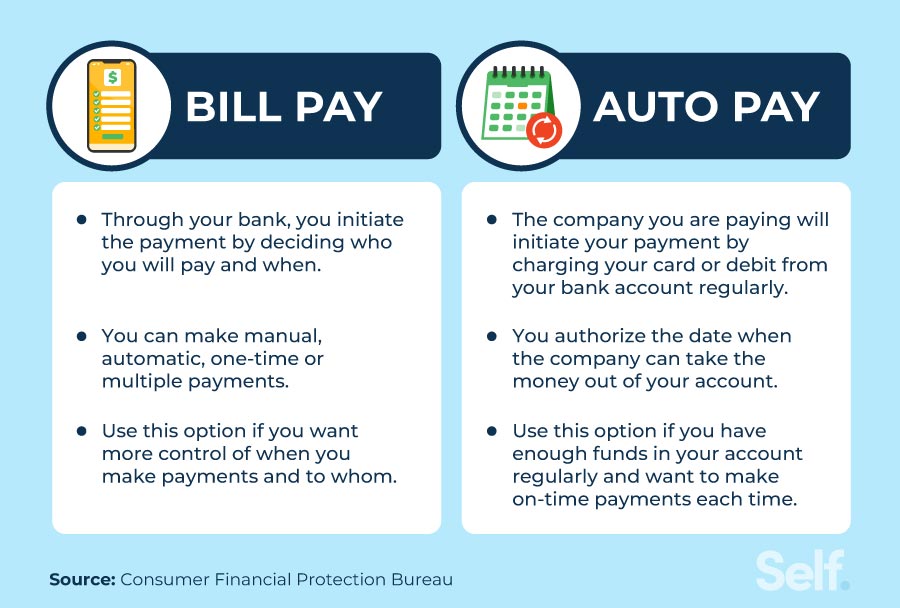
Most bill pay systems offer two primary modes: manual and automatic. Manual payments require you to log in each month, review the amount due, and authorize the transaction. This is ideal for variable expenses, such as a fluctuating credit card balance or a seasonal utility bill. Automatic payments, on the other hand, are “set and forget” instructions where the bank sends a fixed amount on a specific date every month. This is the cornerstone of a “hands-off” financial system, perfect for fixed costs like rent, mortgages, or insurance premiums.
The Role of the Clearinghouse (ACH)
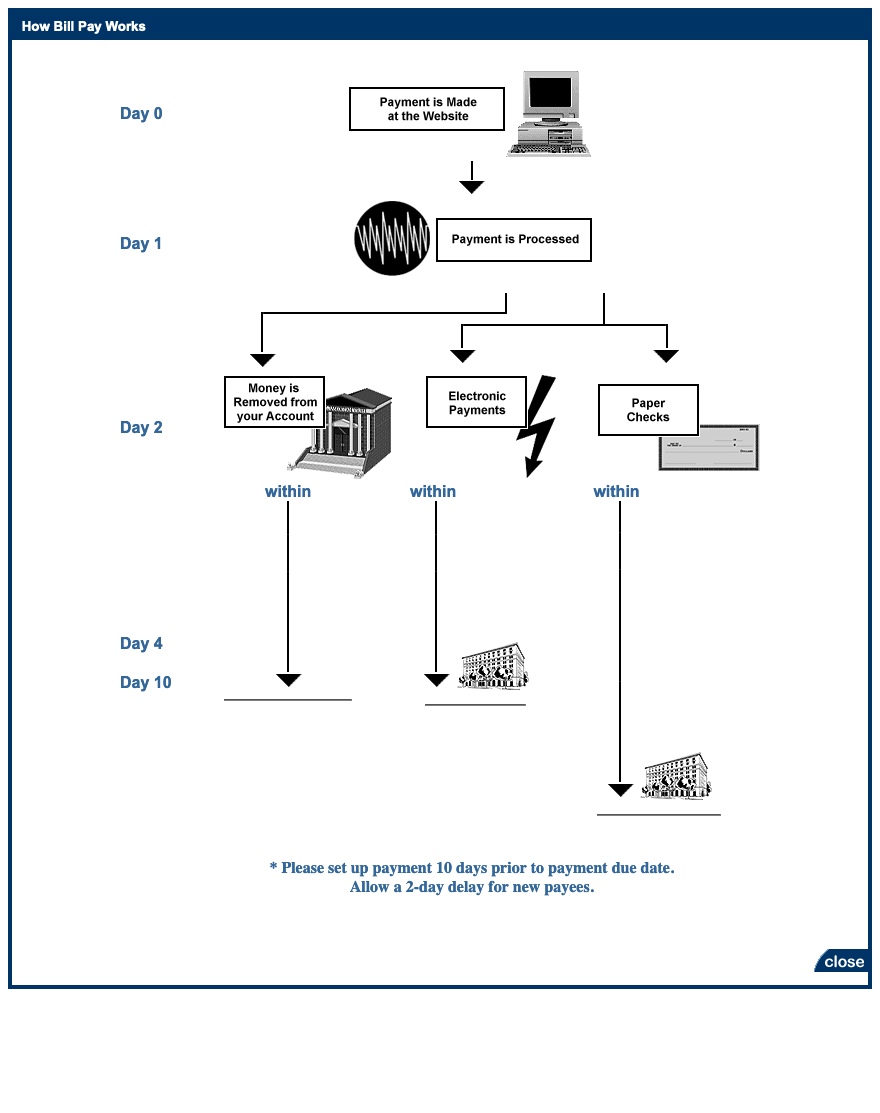
Most digital bill payments are processed through the Automated Clearing House (ACH) network. This is a secure, nationwide electronic network that facilitates the exchange of funds between bank accounts. When you pay a major service provider—like a national cellular carrier—the transaction is almost entirely electronic. The bank sends a digital file to the ACH, which then routes the money to the provider’s bank. This process is highly efficient and usually results in the payment being credited within one to three business days.
Electronic vs. Paper Check Delivery
A common misconception is that bill pay is always 100% digital. In reality, if you are paying a smaller entity—such as a local landlord or a specialized service provider—that does not have an electronic relationship with your bank’s network, the bank will actually print a physical check on your behalf. They then mail this check via the USPS. This is why you will often see a “lead time” of five to seven days for certain payees. Understanding this distinction is crucial for financial planning, as it ensures you schedule payments early enough to avoid late fees.
The Financial Benefits of Using Bill Pay Systems
Beyond the sheer convenience of avoiding the post office, bill pay serves as a powerful instrument for financial health. When integrated into a broader personal finance strategy, it acts as a safeguard for your credit and a catalyst for better budgeting.
Eliminating Late Fees and Protecting Credit Scores
Payment history is the single most important factor in determining your FICO credit score, accounting for roughly 35% of the total calculation. Even a single payment missed by 30 days can cause a significant drop in your score, which in turn increases the interest rates you pay on future loans. By utilizing the automation features of bill pay, you eliminate the “forgetfulness tax.” Ensuring that at least the minimum payment is sent automatically ensures that your credit profile remains untarnished.
Improving Cash Flow Management
One of the greatest challenges in personal finance is matching the timing of your income (paychecks) with the timing of your outgoings (bills). Bill pay platforms provide a centralized dashboard where you can see all upcoming obligations in one view. This “command center” approach allows you to stagger payment dates to align with your cash inflows. For instance, if you receive a paycheck on the 1st and the 15th, you can schedule your mortgage for the 2nd and your discretionary credit card payments for the 16th, ensuring you never experience a temporary liquidity crisis.
Centralizing Financial Documentation
During tax season or when applying for a mortgage, having a centralized record of your expenses is invaluable. Bill pay services maintain a digital trail of every transaction, often categorized by payee and date. This makes it significantly easier to track your spending patterns over time and identify areas where you can cut costs. Instead of searching through multiple paper statements or different website portals, you have a singular “source of truth” for your financial history.
Setting Up Your Bill Pay Ecosystem
Transitioning to a robust bill pay system requires an initial investment of time, but the long-term dividends in saved time and mental energy are immense. The goal is to create a “frictionless” environment where money moves exactly where it needs to go with minimal intervention.
Choosing Between Bank-Aggregated and Biller-Direct
There are two primary ways to handle online payments: “Bank-Aggregated” (using your bank’s portal) and “Biller-Direct” (going to the utility or credit card website and setting up autopay there). From a money management perspective, the bank-aggregated model is often superior because it gives you total control. If you need to stop a payment, you do it in one place. With biller-direct, you give the company permission to “pull” money from your account, which can sometimes be harder to cancel or adjust in an emergency.
Security Protocols and Authentication
Security is a paramount concern when dealing with financial tools. Modern bill pay services utilize multi-factor authentication (MFA) and high-level encryption to protect your data. When setting up your ecosystem, it is vital to use a dedicated, strong password for your banking portal. Because bill pay centralizes your funds, the security of that single entry point becomes the linchpin of your financial safety.
Organizing Recurring vs. One-Time Expenses
A sophisticated user will categorize their payees into “tiers.” Tier 1 includes non-negotiable, fixed recurring costs (rent, car payments). These should be fully automated. Tier 2 includes variable but essential costs (utilities, groceries). These can be set to “e-bills,” where the service provider sends the statement directly to your bank’s bill pay interface for your review before you click “pay.” Tier 3 includes one-time or irregular expenses (medical bills, home repairs). By organizing your payees this way, you maintain a high level of oversight without getting bogged down in administrative minutiae.
Strategic Integration into Your Personal Budget
The most successful investors and savers treat their bill pay system as a “wealth-building engine” rather than just a way to settle debts. By applying strategic financial principles to how you schedule your payments, you can accelerate your progress toward your financial goals.
Using Bill Pay for “Paying Yourself First”
The “Pay Yourself First” principle is the golden rule of personal finance. It suggests that you should contribute to your savings and investment accounts before you pay your bills or spend on lifestyle. You can treat your savings like a bill. By adding your brokerage account or high-yield savings account as a “payee” in your bill pay system, you can automate a monthly transfer that occurs the moment your paycheck hits. This ensures that your future self is always the first person to get paid.
The “Buffer” Method: Avoiding Overdrafts
A common fear with automated bill pay is the risk of an account overdraft if a payment processes before a deposit clears. To mitigate this, many financial experts recommend the “Buffer Method.” This involves keeping a set amount—typically one month’s worth of expenses—as a floor in your checking account. While this money doesn’t earn significant interest, the “return on investment” comes from the total elimination of overdraft fees and the peace of mind that your automated systems will never fail due to a lack of funds.
Monitoring and Adjusting for Variable Costs
While automation is the goal, blind automation can lead to “subscription creep” or unnoticed price hikes. An insightful approach involves a monthly 15-minute “audit” of your bill pay history. Are you still using that streaming service? Has your internet bill crept up by $10? Because bill pay centralizes these transactions, the audit process is quick and effective, allowing you to reallocate that “wasted” money back into your investment or debt-repayment strategies.
The Future of Bill Pay and Financial Sovereignty
As we look toward the future, bill pay systems are becoming even more integrated with artificial intelligence and real-time payment rails. We are moving toward a world where your financial tools will not only pay your bills but will proactively suggest the best day to pay based on your spending habits and upcoming income.
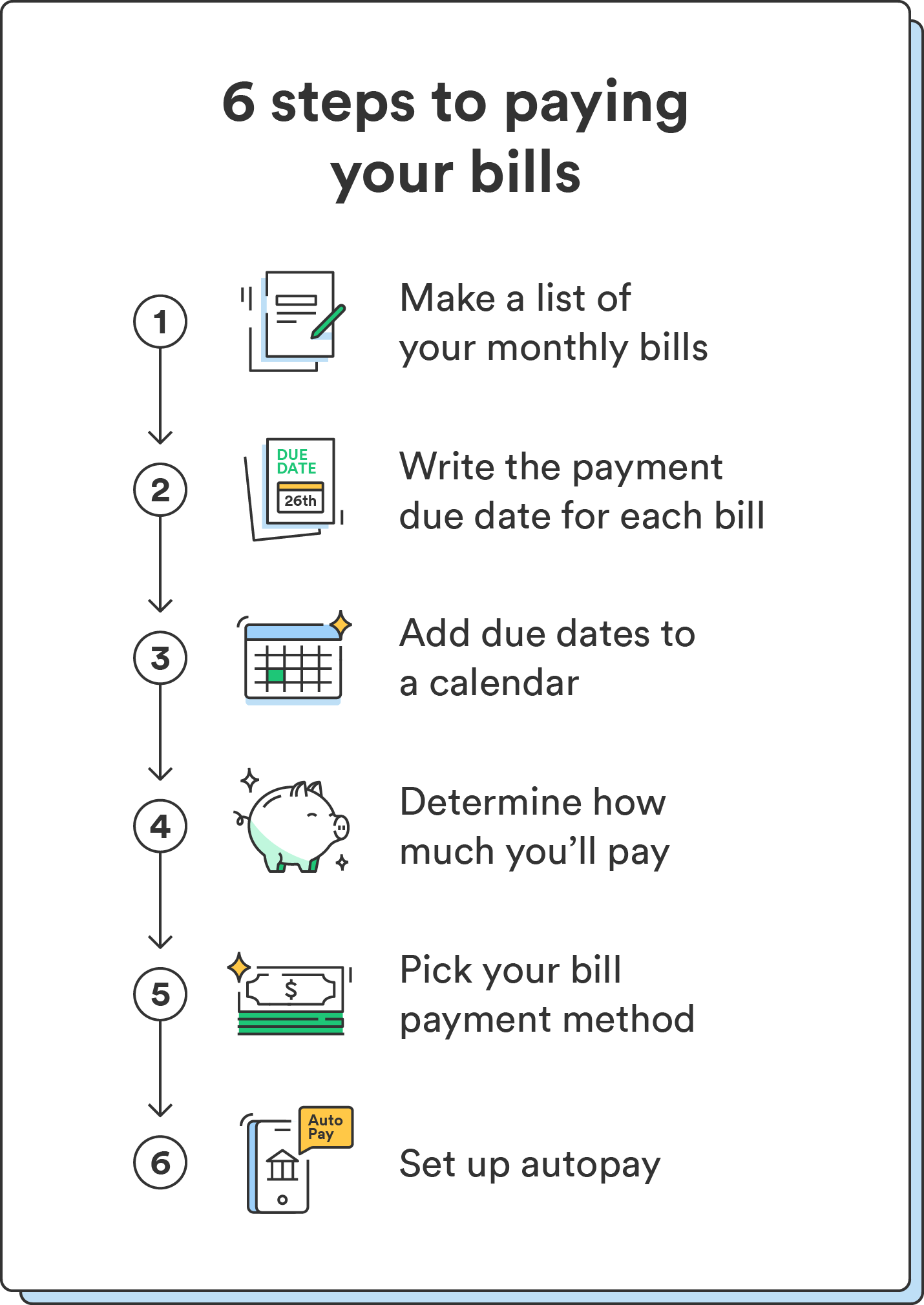
However, the technology is merely a vehicle; the driver is your financial strategy. By mastering how bill pay works, you transition from a reactive state of “paying bills” to a proactive state of “managing capital.” You reduce the friction of daily life, protect your credit standing, and ensure that your money is working as hard for you as you worked to earn it. In the end, bill pay is not just a digital convenience—it is a foundational pillar of modern financial sovereignty.
aViewFromTheCave is a participant in the Amazon Services LLC Associates Program, an affiliate advertising program designed to provide a means for sites to earn advertising fees by advertising and linking to Amazon.com. Amazon, the Amazon logo, AmazonSupply, and the AmazonSupply logo are trademarks of Amazon.com, Inc. or its affiliates. As an Amazon Associate we earn affiliate commissions from qualifying purchases.