
The question “what label is Drake signed to?” might seem straightforward, a simple query about a contractual obligation. However, in the intricate ecosystem of the music industry, an artist’s label affiliation is far more than just a legal agreement; it’s a profound strategic alignment that shapes their brand, amplifies their message, and dictates their trajectory. For an artist of Drake’s colossal stature, understanding his label relationships—the backbone of his global empire—offers a masterclass in modern brand strategy, illustrating how corporate identity, personal branding, and marketing coalesce to forge an enduring legacy.
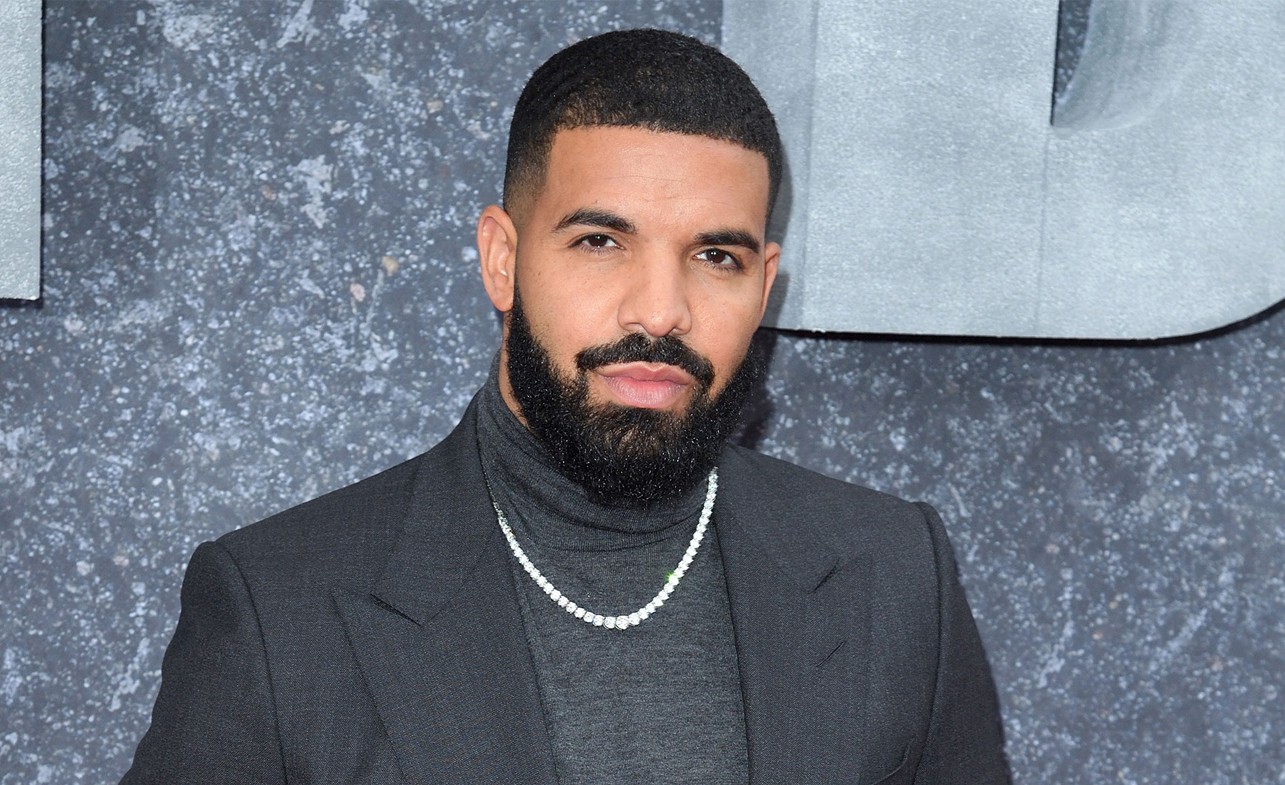
Drake, one of the most commercially successful and influential artists of the 21st century, operates within a complex web of label relationships. He is famously signed to Young Money Entertainment/Cash Money Records, with distribution handled by Republic Records (a division of Universal Music Group). Simultaneously, he is the co-founder and driving force behind his own imprint, OVO Sound. This dual structure is not merely coincidental; it is a meticulously crafted brand architecture that leverages the colossal machinery of major labels while retaining the creative control and entrepreneurial spirit of an independent venture. Examining this duality allows us to dissect the multifaceted role of record labels as powerful brand architects in the contemporary music landscape.
The Enduring Legacy of Record Labels in Brand Building
From the nascent days of recorded sound, record labels have served as the foundational pillars upon which musical careers are built. They are not merely financiers or distributors; they are comprehensive brand incubators, meticulously crafting and propagating the identities of their artists to the global stage. For an artist like Drake, aligning with established labels provided the critical infrastructure necessary to transform raw talent into a global phenomenon.
More Than Just a Name: The Multifaceted Role of a Label
At its core, a record label is a brand itself, an entity with its own history, reputation, and aesthetic. When an artist signs with a label, they are not just entering into a business deal; they are aligning their personal brand with a corporate identity that carries significant weight. For Drake, signing with Young Money Entertainment, an imprint under the iconic Cash Money Records, immediately tethered him to a legacy of hip-hop excellence and street credibility. Cash Money, co-founded by Bryan “Birdman” Williams and Ronald “Slim” Williams, had already established itself as a powerhouse, launching the careers of artists like Lil Wayne (who subsequently founded Young Money and signed Drake). This affiliation instantly imbued Drake’s burgeoning brand with a stamp of approval from an established, successful hip-hop dynasty.
Beyond the initial brand association, labels provide a comprehensive suite of services that are indispensable for brand development and propagation. This includes:
-
Artist & Repertoire (A&R): Identifying and developing talent, often helping to shape an artist’s sound, image, and creative direction. For Drake, early A&R guidance likely helped refine his unique blend of rapping and singing, which became a cornerstone of his brand.
-
Marketing and Promotion: Crafting compelling narratives, executing elaborate campaigns, securing media placements, and leveraging vast networks to ensure maximum visibility. Labels orchestrate everything from album cover design to music video concepts, all designed to solidify and communicate an artist’s brand identity.
-
Distribution: Ensuring music reaches global audiences across physical and digital platforms. Republic Records, as part of Universal Music Group, provides Drake with unparalleled access to distribution channels, ensuring his music is available everywhere, from streaming services to radio airwaves, reinforcing his omnipresence.
-
Financial Investment: Providing advances, covering recording costs, and funding tours and marketing efforts—all crucial investments in building an artist’s brand from the ground up.
-
Legal and Business Affairs: Navigating complex contracts, copyright, and intellectual property rights, safeguarding an artist’s brand assets.
These functions are not disparate services; they are integrated components of a cohesive brand strategy, all orchestrated by the label to elevate the artist’s profile and ensure sustained market relevance.
The Symbiotic Relationship: Artist as a Brand, Label as a Catalyst
The relationship between an artist and a label is inherently symbiotic. The artist brings their unique talent, vision, and nascent personal brand, while the label provides the infrastructure, resources, and strategic guidance to magnify that brand exponentially. Drake’s journey exemplifies this perfectly. His distinctive voice, lyrical prowess, and emotional vulnerability formed the core of his personal brand. Young Money/Cash Money and Republic Records then acted as the catalyst, pouring resources into nurturing and broadcasting that brand to a global audience.
The label’s corporate identity becomes intertwined with the artist’s personal brand. When Drake released music under Young Money/Cash Money, it wasn’t just “Drake’s album”; it was a statement from a powerful hip-hop collective. This mutual branding benefits both parties: Drake gains credibility and reach from the label’s reputation, and the label gains further prestige and revenue from Drake’s success. It’s a strategic alliance where the sum of the parts is greater than the individual components, demonstrating the power of co-branding in the entertainment industry.
Drake’s Brand Empire: Navigating Major Labels and Independent Ventures
Drake’s career offers a compelling case study in leveraging both traditional major label power and the strategic advantages of independent entrepreneurship to construct an unparalleled brand empire. His affiliations are a testament to how modern artists can orchestrate their careers with precision.
The Cash Money/Young Money/Republic Records Nexus: A Launchpad for Global Dominance
Drake’s primary major label affiliation is with Young Money Entertainment, founded by Lil Wayne, which itself is an imprint of Cash Money Records. Distribution for these labels, and by extension Drake’s major releases, is handled by Republic Records, a subsidiary of Universal Music Group. This multi-tiered structure is a common model in the music industry, allowing smaller, artist-centric labels (like Young Money) to operate with creative autonomy while benefiting from the vast distribution and marketing power of a major parent company (Universal Music Group via Republic Records).
For Drake, this nexus provided:
-
Unparalleled Reach: Republic Records’ global distribution network ensured his music was instantly accessible to billions worldwide, a critical factor in building a global brand.
-
Massive Marketing Budgets: Major labels possess the financial muscle to fund lavish music videos, extensive radio campaigns, celebrity collaborations, and high-profile media placements—all essential for maintaining a high-visibility brand.
-
Industry Influence: Affiliation with a major player like Universal Music Group confers a certain gravitas and opens doors to strategic partnerships, sync deals, and other opportunities that can further elevate an artist’s brand.
This setup allowed Drake to achieve mainstream omnipresence, transforming him from a promising rapper into a cultural icon whose brand transcends music to influence fashion, lifestyle, and global trends.
OVO Sound: Drake’s Personal Brand Extension and Incubator
Beyond his major label commitments, Drake co-founded his own record label, OVO Sound, in 2012 with his long-time co-managers Oliver El-Khatib and Noah “40” Shebib. OVO, an acronym for “October’s Very Own,” started as a blog and lifestyle brand and has since evolved into a full-fledged music label, clothing line, and cultural movement.
OVO Sound is a brilliant example of an artist leveraging their personal brand to create an independent corporate identity. For Drake, OVO Sound serves several crucial branding functions:

-
Creative Control and Autonomy: It allows Drake to sign and develop artists (like PARTYNEXTDOOR, Majid Jordan, dvsn) whose artistic vision aligns with his own, fostering a distinctive sound and aesthetic that reinforces his personal brand.
-
Brand Expansion and Diversification: OVO Sound extends Drake’s brand beyond his individual musical output. It represents a curated taste, a specific aesthetic, and a community, positioning Drake not just as an artist but as a tastemaker and cultural curator.
-
Talent Incubation: By discovering and nurturing new talent, Drake solidifies his status as an industry leader and mentor, adding another layer of depth and influence to his personal brand.
-
Entrepreneurial Legacy: OVO Sound positions Drake as a savvy business mogul, not just an entertainer. This entrepreneurial aspect significantly enhances his personal brand, demonstrating foresight and business acumen.
While OVO Sound operates independently, it often enters into distribution agreements with major labels (like Warner Records or Republic Records) to ensure its artists also benefit from broad market reach, illustrating a hybrid model that maximizes both independence and industry leverage.
The Evolution of Artist-Label Dynamics in the Digital Age
The advent of digital technology and streaming platforms has fundamentally reshaped the power dynamics between artists and labels. While labels remain crucial, the traditional model has evolved, leading to more diverse branding strategies.
Shifting Power: The Rise of Artist Entrepreneurship
The digital age has empowered artists with unprecedented tools for self-promotion, distribution, and direct fan engagement. Platforms like Spotify, Apple Music, and social media have lowered barriers to entry, enabling artists to build a brand and reach audiences without the immediate necessity of a major label deal. This has led to a rise in artist entrepreneurs who take greater control of their careers, meticulously crafting their brands from the ground up.
Drake, while a product of the major label system, embodies this entrepreneurial spirit through OVO Sound. He demonstrates that even global superstars benefit from having an independent vehicle to pursue ventures that might fall outside the traditional scope of a major label, thereby enhancing his overall brand narrative as a self-made mogul. This allows for greater agility in marketing, quicker responses to cultural trends, and more authentic brand messaging.
Hybrid Models: Balancing Independence with Industry Muscle
Many contemporary artists, including Drake, now operate within hybrid models that combine the best of both worlds. They might maintain a major label deal for their primary artistic output, benefiting from the substantial financial and marketing resources, while simultaneously running an independent imprint or creative agency for passion projects, artist development, or specific genre experiments.
This hybrid approach offers significant branding advantages:
-
Maximized Reach & Resources: Major labels still provide the unparalleled distribution, marketing spend, and industry connections necessary for global domination.
-
Creative Autonomy & Brand Authenticity: Independent ventures allow artists to maintain tight creative control, experiment freely, and ensure their brand remains authentic to their personal vision, without corporate interference.
-
Diversified Revenue Streams: Independent labels allow artists to diversify their income beyond their own music, gaining a stake in the success of other artists and ventures.
Drake’s career is a blueprint for this hybrid model, showcasing how a strategic balance between major label partnerships and independent enterprise can lead to sustained success and a truly expansive brand.
The Strategic Imperative: Why Brand Alignment Matters
The decision of which label an artist signs with, or whether they create their own, is a fundamental brand strategy choice. It dictates who helps shape their narrative, how their image is presented, and the resources available to project that image.
Crafting Identity: How Labels Influence Public Perception
A record label plays a critical role in crafting and refining an artist’s public identity. This goes beyond just music; it encompasses visual aesthetics, storytelling, and cultural positioning. The marketing departments of labels meticulously analyze target audiences, identify unique selling propositions, and develop campaigns that resonate with fans. For Drake, his labels have been instrumental in:
-
Genre Fluidity: Successfully branding him as an artist who can seamlessly transition between hip-hop, R&B, and pop, broadening his appeal.
-
Relatability: Crafting a brand narrative that highlights his vulnerability, introspection, and aspirational lifestyle, making him both accessible and enviable.
-
Consistency: Ensuring a consistent visual and sonic identity across albums, singles, and promotional materials, which is vital for strong brand recognition.
The choice of label, therefore, is a choice of partners in brand building. Aligning with a label whose vision complements and enhances the artist’s own is paramount for long-term brand success.
Market Penetration and Longevity: The Label’s Role in Sustained Success
Beyond the initial splash, labels are crucial for an artist’s longevity. They possess the institutional knowledge, historical data, and strategic foresight to navigate industry shifts, maintain relevance, and capitalize on new opportunities. For Drake, his labels have ensured:
-
Sustained Relevance: Continuously promoting his catalog, securing sync licenses for film and television, and finding new avenues for his music to reach audiences long after initial release.
-
Global Expansion: Strategically targeting new markets, adapting marketing campaigns for diverse cultures, and ensuring his brand transcends geographical boundaries.
-
Crisis Management: Providing the PR and legal teams necessary to protect an artist’s brand during controversies, a crucial aspect of maintaining a public image in the digital age.
The enduring presence of a major label partnership offers a protective and proactive ecosystem that supports an artist’s brand through the various phases of their career, from rising star to enduring icon.

Beyond the Contract: The Future of Music Branding
Drake’s multifaceted label affiliations—his long-standing deal with Young Money/Cash Money/Republic and his independent OVO Sound empire—represent a blueprint for the modern music industry’s approach to branding. It underscores that for artists at the pinnacle of their careers, the question “what label are you signed to?” now encompasses a more complex answer that reflects strategic business acumen as much as artistic output.
The future of music branding will likely see a continued emphasis on hybrid models, where artists leverage both the muscle of established industry giants and the agility and authenticity of independent ventures. Labels, in turn, will need to evolve further, becoming even more focused on offering bespoke branding solutions, data-driven marketing, and a flexible approach to artist partnerships. Ultimately, for any artist aspiring to Drake’s level of influence, understanding and strategically navigating the complex world of label branding will remain a critical determinant of their legacy. The label is no longer just a signatory on a contract; it is a fundamental pillar in the construction and perpetuation of a global brand.
aViewFromTheCave is a participant in the Amazon Services LLC Associates Program, an affiliate advertising program designed to provide a means for sites to earn advertising fees by advertising and linking to Amazon.com. Amazon, the Amazon logo, AmazonSupply, and the AmazonSupply logo are trademarks of Amazon.com, Inc. or its affiliates. As an Amazon Associate we earn affiliate commissions from qualifying purchases.