
The transmission system is arguably the most complex mechanical component in your vehicle. Unlike engine oil, which is largely standardized by viscosity grade, transmission fluid is a highly engineered chemical compound that serves as a hydraulic medium, a coolant, and a lubricant all at once. Choosing the wrong fluid for your transmission is not merely a matter of inefficiency; it is a recipe for catastrophic mechanical failure. Because different manufacturers utilize distinct clutch materials, gear designs, and torque converter specifications, there is no such thing as a “universal” fluid that performs optimally in every vehicle.
Decoding Manufacturer Specifications and Fluid Types
The first step in selecting the correct transmission fluid is disregarding marketing slogans and focusing strictly on the technical specifications defined in your vehicle’s owner’s manual. Using the wrong fluid can lead to transmission slippage, erratic shifting, internal overheating, and premature destruction of the valve body.
The Role of Viscosity and Friction Modifiers
Transmission fluid is formulated with specific friction modifiers that dictate how the internal clutch packs “grab” during a gear shift. If a fluid is too slippery, the clutches will slip, generating excessive heat and glaze. If the fluid is too “grabby,” the shift quality will be harsh, causing shock loading to the drivetrain. Furthermore, viscosity—the fluid’s resistance to flow—must match the operating temperature range of your specific transmission. Modern fuel-efficient transmissions often require ultra-low viscosity fluids to reduce parasitic drag, whereas older, high-torque systems require thicker, more robust synthetic blends.
Identifying the OEM Requirement
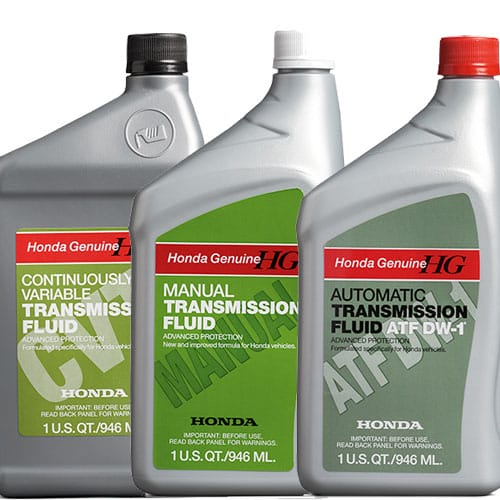
Always look for the Original Equipment Manufacturer (OEM) standard number printed in your service manual. For example, a vehicle might specify “Dexron-VI,” “Mercon LV,” or a specialized proprietary fluid like “Honda DW-1” or “Toyota WS.” Never assume that because a fluid is labeled “compatible” with your vehicle type that it meets the exact chemical composition required by your transmission’s engineering. While aftermarket multi-vehicle fluids exist, they often represent a compromise in chemical balancing to achieve “broad” compatibility. Whenever possible, sticking to the manufacturer’s genuine branded fluid is the safest path to longevity.
Understanding the Difference Between ATF, CVT, and DCT Fluids
One of the most dangerous mistakes a vehicle owner can make is confusing Automatic Transmission Fluid (ATF) with fluids designed for specialized transmissions, such as Continuously Variable Transmissions (CVT) or Dual-Clutch Transmissions (DCT).
CVT Fluid: The Friction Exception
CVTs do not use traditional gear sets. Instead, they rely on a steel belt or chain running between two variable-diameter pulleys. The fluid used in a CVT must have a significantly different coefficient of friction compared to a standard automatic. If you put standard ATF into a CVT, the belt will lose its “grip” on the pulleys, resulting in immediate slippage. CVT fluids are formulated to provide high metal-to-metal friction to prevent the belt from sliding, while simultaneously protecting the pulleys from microscopic surface wear.
DCT Fluid: The Hybrid Challenge
Dual-Clutch Transmissions act like manual transmissions operated by computers. Depending on the design, these transmissions may use “wet” or “dry” clutches. Wet-clutch DCTs require a fluid that can handle the extreme heat of the clutch friction zones while keeping the gears lubricated. Dry-clutch DCTs, conversely, use a fluid primarily for lubrication and cooling of the mechanical actuators. These fluids are often thinner and have different additive packages than standard ATF. Using the wrong fluid in a DCT will ruin the synchronizers and the mechatronic control unit, often leading to repair costs that exceed the value of the vehicle.

The Consequences of Ignoring Fluid Service Intervals
Many modern manufacturers label transmission fluid as “lifetime fill,” a claim that has caused widespread confusion among car owners. In the automotive industry, “lifetime” typically refers to the expected life of the warranty period, not the life of the vehicle.
Degradation and Thermal Breakdown
Transmission fluid operates under extreme pressure and temperature. Over thousands of miles, the heat causes the base oil to oxidize and the additive package to deplete. The friction modifiers break down, resulting in “shift flare” or delayed engagement. Furthermore, as the clutches wear, tiny particulates of friction material and metal shavings are suspended in the fluid. While the transmission filter captures the bulk of this debris, the fluid eventually becomes a slurry that promotes wear on the sensitive hydraulic valves.
The Dangers of Fluid Flushing vs. Changing
If your transmission fluid has been neglected for 100,000 miles or more, you must be cautious about how you service it. A high-pressure power flush can sometimes dislodge large deposits of varnish and sludge, sending them into the valve body and clogging the microscopic passages that control shifting. For high-mileage vehicles that have never seen a fluid change, a simple “drain and fill”—which replaces only the fluid sitting in the pan—is often the safer approach. It replenishes the additive package without shocking the internal components of an aged transmission.
Best Practices for Selecting and Maintaining Transmission Fluids
To ensure your vehicle reaches the 200,000-mile mark without internal transmission work, you must adopt a proactive rather than reactive maintenance strategy.
Check Fluid Levels and Color
While most modern vehicles lack a transmission dipstick, you can still monitor fluid health through professional inspection or by observing shift behavior. New transmission fluid is typically bright red or translucent amber. If your fluid is dark brown or emits a “burnt” odor, the transmission has likely experienced thermal stress. This smell is a clear indicator that the friction modifiers are depleted and the fluid is no longer protecting the internals. At this stage, a fluid change is urgent, though it may not reverse damage that has already occurred.
Documenting Your Service History
Keep a detailed log of every transmission service performed. Note the brand and the exact specification of the fluid used. This is particularly important if you take your vehicle to independent shops, as not every technician will verify the manufacturer-specific fluid requirement before filling the pan. By taking control of the fluid selection process, you ensure that the specific chemical requirements of your transmission are being met.
Prioritizing Synthetic Fluids
Whenever the manufacturer allows for a choice between conventional and synthetic transmission fluids, always opt for the full synthetic. Synthetic fluids provide superior resistance to thermal breakdown, maintain more stable viscosity across wide temperature fluctuations, and offer better protection against the shearing forces found in high-torque gear sets. The slight price premium for synthetic fluids is negligible when compared to the multi-thousand-dollar cost of a transmission rebuild or replacement.
Ultimately, your transmission is a finely tuned machine that relies on a specific chemical environment to function. By taking the time to consult your owner’s manual, identifying the precise OEM standard, and refusing to settle for “universal” alternatives, you are investing in the long-term reliability of your vehicle. Treat your transmission fluid as the lifeblood of the drivetrain—if you protect the fluid, the fluid will protect your transmission for years to come.
aViewFromTheCave is a participant in the Amazon Services LLC Associates Program, an affiliate advertising program designed to provide a means for sites to earn advertising fees by advertising and linking to Amazon.com. Amazon, the Amazon logo, AmazonSupply, and the AmazonSupply logo are trademarks of Amazon.com, Inc. or its affiliates. As an Amazon Associate we earn affiliate commissions from qualifying purchases.