
A tier one credit score represents the pinnacle of creditworthiness, signifying to lenders that an individual is an exceptionally reliable borrower with a demonstrated history of responsible financial management. It’s not just a number; it’s a golden ticket to the most favorable financial products, lowest interest rates, and advantageous terms available in the market. Understanding what constitutes a tier one score, its profound benefits, and how to achieve and maintain it is fundamental to optimizing one’s financial health.
Understanding Credit Tiers and Their Importance
In the world of personal finance, lenders categorize potential borrowers into different “tiers” based primarily on their credit scores. These tiers act as a quick risk assessment, helping financial institutions determine the likelihood of a borrower defaulting on a loan or credit obligation. A higher credit score places an individual in a more desirable tier, which translates directly into better borrowing conditions.
The Credit Scoring Landscape
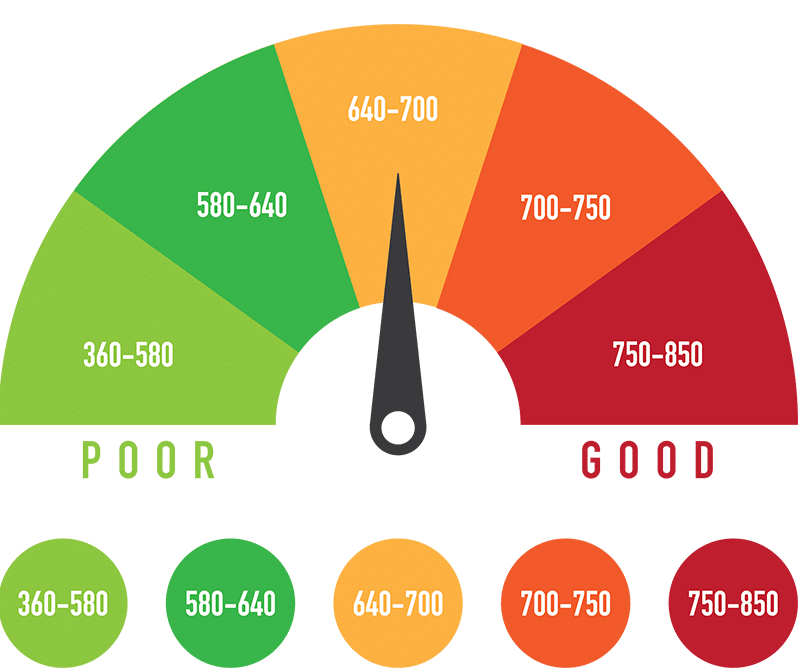
The two dominant credit scoring models in the United States are FICO (Fair Isaac Corporation) and VantageScore. Both models generate a three-digit number, typically ranging from 300 to 850, that summarizes the information contained in an individual’s credit report from the three major credit bureaus: Experian, Equifax, and TransUnion. While the exact algorithms differ, they generally weigh similar factors: payment history, amounts owed, length of credit history, credit mix, and new credit. Lenders often have internal tiering systems, but broadly, a tier one classification consistently refers to the highest credit score ranges.
Why Tier One Matters
Being categorized in tier one is not merely about boasting a high score; it’s about unlocking significant financial advantages. It signals to lenders that you are a minimal risk, making them more eager to offer you their best products. This preference leads to tangible savings over the lifetime of loans, easier access to credit, and even benefits in areas like insurance and housing. In essence, a tier one score significantly enhances your financial flexibility and purchasing power.
Defining a Tier One Credit Score
While the concept of “tier one” can sometimes be an internal metric for a specific lender, it universally corresponds to credit scores in the “excellent” or “exceptional” categories across both FICO and VantageScore models.
FICO Score Ranges and Tier One
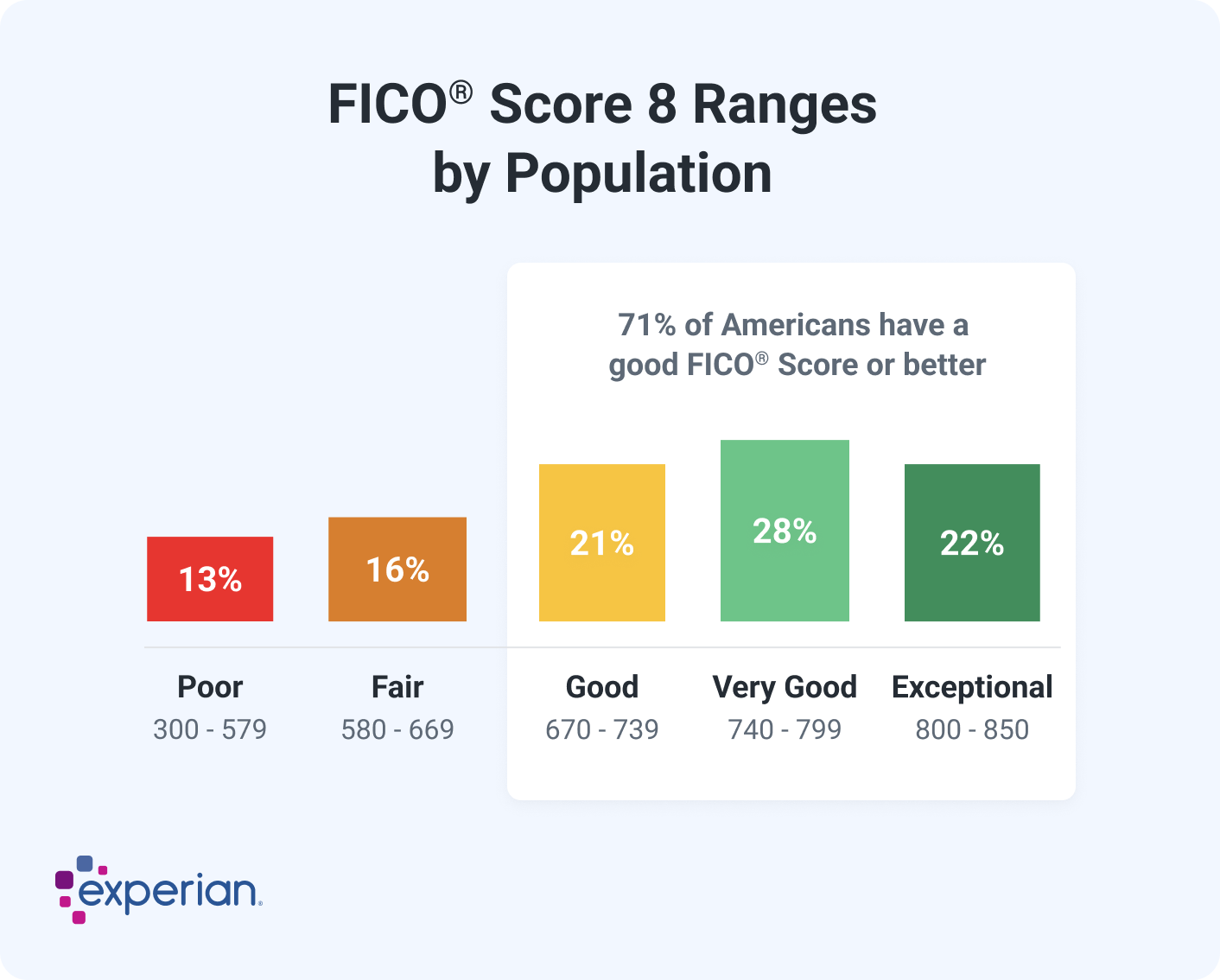
The FICO score, which is used by approximately 90% of top lenders, ranges from 300 to 850. The tiers are typically broken down as follows:
- Exceptional: 800-850
- Very Good: 740-799
- Good: 670-739
- Fair: 580-669
- Poor: 300-579
For most lenders, a tier one credit score generally falls within the “Exceptional” category (800-850) and often extends into the upper echelon of the “Very Good” category (typically 760-799). While an 850 is the perfect score, many of the best benefits begin to accrue once a score hits the mid-700s, solidifying into tier one advantages around the 760-780 mark and above.
VantageScore Ranges and Tier One
VantageScore, another widely used model, also ranges from 300 to 850, with slightly different category breakdowns:
- Excellent: 781-850
- Good: 661-780
- Fair: 601-660
- Poor: 500-600
- Very Poor: 300-499
Under the VantageScore model, a tier one credit score squarely aligns with the “Excellent” category, starting from 781 and going up to the maximum of 850. Both FICO and VantageScore aim to achieve the same goal: providing a reliable indicator of credit risk.
Key Characteristics of a Tier One Score
Regardless of the specific model, a tier one credit score is built upon a foundation of stellar credit habits. Individuals with such scores typically exhibit:
- Impeccable Payment History: No late payments, defaults, bankruptcies, or collections on their record, or any such negative marks are very old and insignificant.
- Low Credit Utilization: They use a very small percentage of their available credit, often below 10%, indicating they are not overly reliant on borrowed money.
- Long Credit History: A substantial history of managing credit responsibly, often with accounts open for many years.
- Diverse Credit Mix: A healthy blend of different types of credit, such as revolving credit (credit cards) and installment loans (mortgages, auto loans, student loans), demonstrating the ability to manage various debt types.
- Limited New Credit: They do not frequently open new accounts, which can suggest financial instability or an increased risk of overextension.
The Tangible Benefits of a Tier One Credit Score
The advantages of holding a tier one credit score extend far beyond simple bragging rights. These benefits translate directly into significant financial savings and increased access to opportunities.
Unlocking the Best Interest Rates
This is perhaps the most significant benefit. Lenders reserve their lowest interest rates for borrowers deemed least risky.
- Mortgages: Even a fraction of a percentage point difference on a mortgage can save tens of thousands of dollars over a 15 or 30-year term. A tier one score ensures you qualify for the most competitive rates available, drastically reducing the total cost of homeownership.
- Car Loans: Similarly, lower interest rates on auto loans mean lower monthly payments and substantial savings over the loan’s duration.
- Personal Loans and Lines of Credit: Tier one borrowers gain access to personal loans with the most attractive rates, making debt consolidation or financing large purchases much more affordable.
- Credit Cards: You’ll qualify for premium credit cards offering 0% APR introductory periods, generous rewards programs, travel perks, and lower ongoing interest rates.
Easier Approval for Loans and Credit Cards
With a tier one score, your applications for loans, credit cards, and lines of credit are almost certainly approved, assuming other financial factors (like income) are in order. Lenders actively seek out these low-risk borrowers, streamlining the approval process and reducing the likelihood of rejection. This means less stress and more reliable access to capital when you need it.
Lower Insurance Premiums
Many auto and home insurance providers utilize credit-based insurance scores (derived from credit report data) to help determine policy premiums. Statistics often show a correlation between higher credit scores and a lower likelihood of filing claims. Consequently, individuals with tier one credit often qualify for lower insurance premiums, saving hundreds of dollars annually across various policies.
Renting and Utilities Advantages
Beyond traditional lending, your credit score impacts other areas. Landlords frequently check credit reports during tenant screening; a tier one score makes you a highly attractive applicant, potentially giving you an edge in competitive rental markets. Additionally, utility companies (electricity, gas, water, internet) may waive security deposits for individuals with excellent credit, saving you upfront costs.
Better Negotiating Power
Having a tier one credit score provides an unspoken advantage in negotiations. When discussing loan terms, fees, or even interest rates, your impeccable credit history gives you leverage. Lenders are more inclined to work with and make concessions for their most valuable, low-risk customers.
Strategies to Achieve and Maintain a Tier One Credit Score
Reaching and sustaining a tier one credit score requires discipline and consistent application of sound financial principles. It’s a long-term commitment that pays significant dividends.
Pay Bills on Time, Every Time
Payment history is the most critical factor in both FICO and VantageScore models, accounting for approximately 35% of your FICO score. A single late payment can significantly damage your score. To ensure timely payments, consider setting up automatic payments, calendar reminders, or utilizing budgeting apps. Consistency is key; aim for an unbroken record of on-time payments.
Keep Credit Utilization Low
Credit utilization refers to the amount of credit you’re using compared to your total available credit. It makes up about 30% of your FICO score. For a tier one score, it’s generally recommended to keep your total credit utilization below 10%, and certainly no higher than 30%. This means if you have $10,000 in available credit across all cards, you should ideally keep your total outstanding balance below $1,000. Paying down balances aggressively and requesting credit limit increases (without increasing spending) can help improve this ratio.
Manage Your Credit Mix
The variety of credit accounts you hold (revolving credit like credit cards vs. installment loans like mortgages, auto loans, or student loans) contributes about 10% to your FICO score. A diverse mix can indicate you can handle different types of debt responsibly. However, it’s crucial not to open new accounts solely for this purpose, as that can backfire. Focus on managing your existing accounts well.
Avoid Opening Too Many New Accounts
New credit accounts for about 10% of your FICO score. While opening a new account to build credit is sometimes necessary, frequently applying for new credit can signal risk to lenders. Each “hard inquiry” (when a lender pulls your credit report after an application) can cause a small, temporary dip in your score. Spreading out your applications and only applying for credit when truly needed demonstrates financial stability.
Regularly Monitor Your Credit Report
Checking your credit report regularly is a proactive measure that can prevent significant issues. You are entitled to a free copy of your credit report from each of the three major bureaus once every 12 months via AnnualCreditReport.com. Review these reports for accuracy, looking for any errors, fraudulent activity, or outdated information that could be negatively impacting your score. Disputing inaccuracies promptly can help protect and improve your credit standing.
Common Misconceptions About Tier One Credit
Despite the widespread importance of credit scores, several myths and misunderstandings persist, particularly concerning the highest tiers.
The Myth of a “Perfect” Score
Many believe that to reap the full benefits of excellent credit, one must achieve the elusive 850 score. In reality, while an 850 is indeed the perfect score, the practical financial advantages of a score in the high 700s (e.g., 760-799) are virtually identical to those of an 800+ score. Lenders typically group scores above a certain threshold (e.g., 760 or 780) into their lowest-risk category, offering the same premium rates and terms. The focus should be on achieving and maintaining an excellent score, not obsessing over an unattainable perfection.

Credit Score vs. Credit Report
It’s common to conflate a credit score with a credit report, but they are distinct entities. Your credit report is the detailed historical document that lists all your credit accounts, payment history, inquiries, and public records (like bankruptcies). Your credit score is a numerical snapshot derived from the information in your credit report at a specific point in time. The score is a summary, while the report provides the underlying data. Understanding this distinction is vital because while your score tells you where you stand, your report tells you why and what data is being used to calculate it. Regularly reviewing your credit report is crucial, as any inaccuracies there will directly affect your score.
aViewFromTheCave is a participant in the Amazon Services LLC Associates Program, an affiliate advertising program designed to provide a means for sites to earn advertising fees by advertising and linking to Amazon.com. Amazon, the Amazon logo, AmazonSupply, and the AmazonSupply logo are trademarks of Amazon.com, Inc. or its affiliates. As an Amazon Associate we earn affiliate commissions from qualifying purchases.