
The Mini Cooper is more than just a car; it is a global automotive icon, recognized instantly for its distinctive styling, spirited performance, and unique brand identity. To understand “what kind of car a Mini Cooper is” requires a deep dive into its corporate identity, its evolution as a product, and the masterful brand strategy that has allowed it to transcend mere transportation to become a cultural phenomenon. It’s a compelling case study in how design, marketing, and a clear vision can cultivate a powerful and enduring brand.
The Enduring Legacy of an Automotive Icon
The Mini Cooper’s lineage is one of ingenuity, adaptability, and ultimately, enduring appeal. Its journey from a humble economy car to a premium lifestyle accessory is a testament to clever branding and consistent messaging.
A Rich Heritage of Innovation
The original Mini, launched in 1959 by the British Motor Corporation (BMC), was a revolutionary concept in automotive design. Conceived by Sir Alec Issigonis, it was a response to the Suez Crisis and the demand for fuel-efficient, space-saving vehicles. Issigonis’s radical design placed the engine transversely, driving the front wheels, and pushed the wheels to the corners of the car, maximizing interior space within an incredibly compact footprint. This design became the blueprint for countless small cars that followed.
The “Cooper” designation arrived later, thanks to racing legend John Cooper, who recognized the Mini’s inherent agility and potential for performance. His modifications transformed the economical city car into a formidable rally and race competitor, cementing its image as a vehicle capable of punching above its weight. This early association with performance and sporting success was a critical building block in defining the Mini brand as one of dynamic capability and surprising speed, attributes that continue to resonate with the modern Mini Cooper’s branding. The narrative of a small car achieving big things became an intrinsic part of its corporate identity.
From Utility to Lifestyle Statement
Initially, the Mini was marketed primarily on its practicality and affordability. However, its unique character quickly caught the attention of celebrities, artists, and fashion icons in the swinging sixties. It became a symbol of cool Britannia, adopted by a generation that valued individuality and a break from convention. This organic adoption by cultural influencers was an invaluable, albeit unplanned, marketing coup.
When BMW acquired the Mini brand in 1994, they faced the formidable challenge of reinterpreting this beloved icon for the 21st century. Their strategy was brilliant: rather than merely resurrecting the old model, they reimagined it, retaining the core design language and spirit but upgrading it with modern technology, safety features, and a more premium positioning. The new Mini, launched in 2001, wasn’t just a car; it was a statement. It capitalized on nostalgia while appealing to contemporary desires for quality, personalization, and an engaging driving experience. This transition marked a deliberate shift from a utilitarian vehicle to a premium lifestyle product, meticulously crafted through design and marketing.
Decoding the Mini Cooper Brand Identity
The brand identity of the Mini Cooper is meticulously constructed around several key pillars that differentiate it in a crowded automotive market. These elements work in concert to create a distinct and appealing corporate identity.
Distinctive Design Language
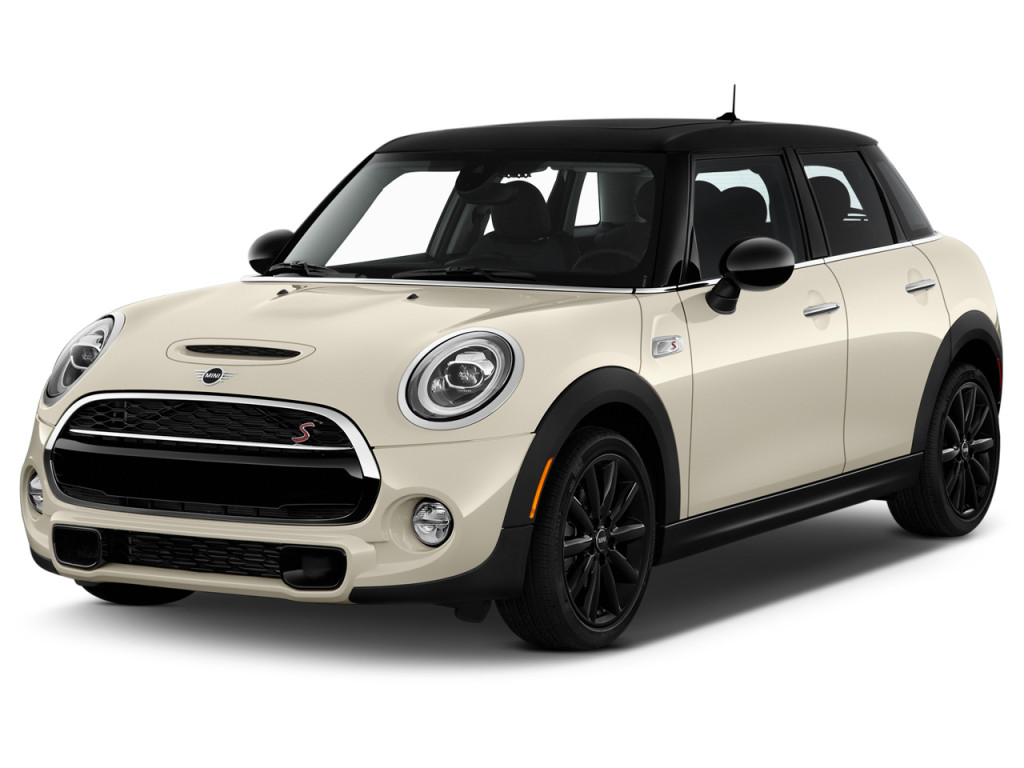
The Mini Cooper’s design is arguably its most powerful brand asset. It adheres to a philosophy of “form follows fun” while paying homage to its heritage. The proportions are instantly recognizable: short overhangs, wide stance, round headlamps, and a contrast roof. These elements evoke a sense of playfulness and British charm, yet are executed with German precision and quality under BMW’s stewardship.
The current design philosophy masterfully balances heritage with modernity. While the cars have grown in size to meet contemporary safety standards and consumer expectations for interior space, the designers have maintained the core visual cues that make a Mini a Mini. This consistency in design language across generations and models (Hatch, Convertible, Clubman, Countryman) ensures immediate brand recognition and reinforces its unique position in the market. It’s a design that dares to be different, appealing to those who want to stand out from the conventional automotive crowd.
Performance and Driving Dynamics
Beyond aesthetics, the Mini Cooper brand is synonymous with a specific driving experience often referred to as “go-kart handling.” This attribute is central to its corporate identity and marketing. The engineering choices, such as a stiff chassis, precise steering, and responsive engines, are all geared towards delivering an engaging and agile ride. This focus on driver involvement positions the Mini Cooper not just as a mode of transport, but as a source of driving pleasure.
Marketing campaigns frequently emphasize this dynamic capability, showcasing the car tackling winding roads or navigating urban environments with effortless agility. This performance aspect appeals to a target audience that values driving enjoyment and appreciates the engineering behind a car that feels nimble and responsive. It reinforces the legacy of John Cooper and the brand’s sporting heritage, creating a continuous thread from its racing past to its modern product offering.
Customization and Personal Expression
A cornerstone of the Mini Cooper’s brand strategy is its unparalleled level of customization. From contrasting roof colors and mirror caps to stripes, interior trim, and wheel designs, Mini offers a vast array of options that allow owners to truly personalize their vehicles. This emphasis on individual expression is a deliberate move to foster a strong emotional connection between the owner and the brand.
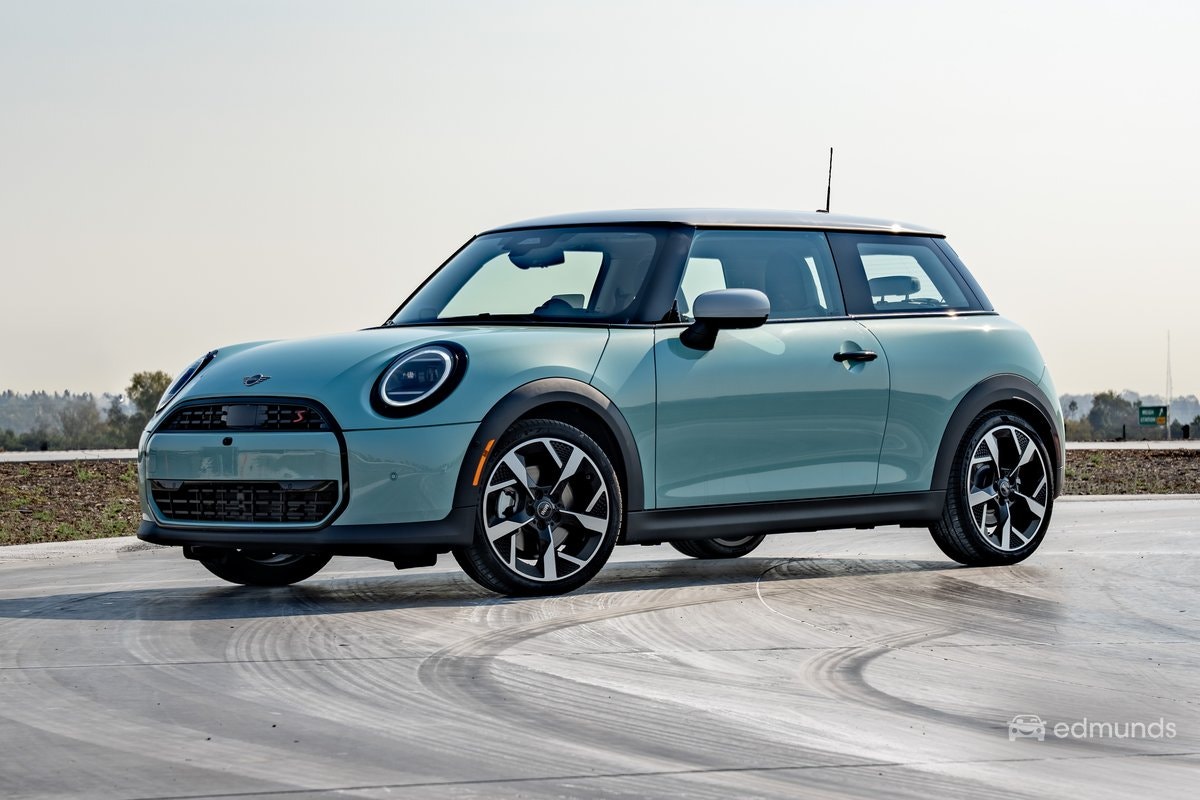
This customization strategy speaks directly to a desire for individuality and allows consumers to craft a car that reflects their personality. It transforms the purchase process into a creative endeavor and makes each Mini feel unique, reinforcing the idea that owning a Mini is about more than just owning a car; it’s about owning your car. This deep level of personalization is a significant differentiator and a key driver of brand loyalty, turning customers into advocates.
Marketing the “Mini” Experience
The marketing strategy for Mini Cooper is sophisticated, focusing on emotion, community, and differentiation rather than just features and specifications. It’s about selling an experience, a lifestyle, and a sense of belonging.
Target Audience and Emotional Connection
Mini Cooper primarily targets an urban, design-conscious demographic that values style, individuality, and driving pleasure. This audience often views their car as an extension of their personality. The brand’s marketing efforts are tailored to evoke emotions such as joy, freedom, and a sense of playful rebellion. Rather than focusing on practicalities like cargo space or fuel economy (though these are present), campaigns highlight the thrill of the drive, the aesthetic appeal, and the sense of fun that comes with Mini ownership.
By fostering this emotional connection, Mini builds a loyal customer base that isn’t just buying a product, but investing in an experience and a perceived identity. Test drives are often framed as “adventures,” and advertising imagery typically features vibrant, dynamic scenarios rather than static product shots, reinforcing the brand’s energetic and youthful spirit.
Crafting a Unique Market Position
In a market dominated by larger, more conventional vehicles, Mini Cooper has carved out a unique niche. It positions itself as a premium small car that defies expectations. It doesn’t compete directly on price with mass-market compacts, nor does it try to imitate luxury sedans. Instead, it occupies a distinctive space where compact dimensions meet premium quality, spirited performance, and unmatched personality.
This positioning is reinforced through everything from pricing strategy (commanding a premium over other compacts) to retail experience. Mini dealerships are often designed to reflect the brand’s quirky, approachable yet sophisticated vibe, creating an immersive brand environment. This clarity of market positioning ensures that the brand doesn’t get lost in the noise, making it a powerful example of effective brand differentiation.
Brand Storytelling and Community Building
Mini is excellent at storytelling, weaving its rich history with contemporary narratives of adventure and individuality. Campaigns often reference its heritage, drawing a line from its iconic past to its vibrant present. This storytelling reinforces the brand’s authenticity and depth.
Beyond marketing, Mini actively cultivates a strong sense of community among its owners. Events like “Mini Takes the States”—a cross-country rally for Mini owners—transform customers into brand ambassadors and foster a shared identity. Online forums and social media groups further amplify this sense of belonging. This community building is a vital component of its brand strategy, turning customers into advocates and ensuring long-term loyalty through shared experiences and a collective passion for the brand.
Mini Cooper in the Modern Automotive Landscape
As the automotive industry undergoes profound transformation, the Mini Cooper brand continues to adapt while steadfastly preserving its core identity.
Adapting to New Technologies
Mini faces the challenge of integrating new technologies, particularly electrification and autonomous driving features, without diluting its brand essence. The introduction of the Mini Electric (Mini Cooper SE) demonstrates how the brand is embracing sustainable mobility while ensuring the vehicle still delivers the characteristic “go-kart” feel. The marketing for the electric model emphasizes its instant torque and nimble acceleration, aligning with the brand’s performance pillar.
The brand’s approach to technology integration is about enhancing the Mini experience, not overshadowing it. Infotainment systems are intuitive and integrated seamlessly, and driver-assistance features are designed to complement the driving experience rather than replace it. This careful balance ensures that Mini remains forward-looking without losing touch with what makes it special.

Sustaining Brand Relevance and Loyalty
In a world of rapidly changing consumer preferences, Mini’s continued success lies in its ability to remain relevant. This is achieved by continually refreshing its design, introducing new models that expand its appeal (like the larger Countryman), and investing in experiences that strengthen brand loyalty. The commitment to personalization, the engaging driving dynamics, and the powerful sense of community are all strategies aimed at keeping the brand fresh and desirable.
Ultimately, the Mini Cooper is a masterclass in brand building. It is a compact premium car known for its distinctive design, exhilarating performance, and a powerful brand identity that fosters a deep emotional connection with its owners. It’s a lifestyle choice, an expression of individuality, and a compelling example of how a brand can evolve over decades while remaining true to its spirited core.
aViewFromTheCave is a participant in the Amazon Services LLC Associates Program, an affiliate advertising program designed to provide a means for sites to earn advertising fees by advertising and linking to Amazon.com. Amazon, the Amazon logo, AmazonSupply, and the AmazonSupply logo are trademarks of Amazon.com, Inc. or its affiliates. As an Amazon Associate we earn affiliate commissions from qualifying purchases.