
The agricultural and landscaping sectors are currently witnessing a seismic shift in how pest management is approached. For decades, the primary defense against the invasive fall army worm (Spodoptera frugiperda) was a heavy reliance on broad-spectrum synthetic chemicals. However, the rise of pesticide resistance, coupled with increasing regulatory pressure and consumer demand for sustainable practices, has catalyzed a new era of innovation. What kills army worms naturally today is no longer just a matter of home remedies; it is a sophisticated domain of AgTech (Agricultural Technology) involving molecular biology, data science, and autonomous hardware.
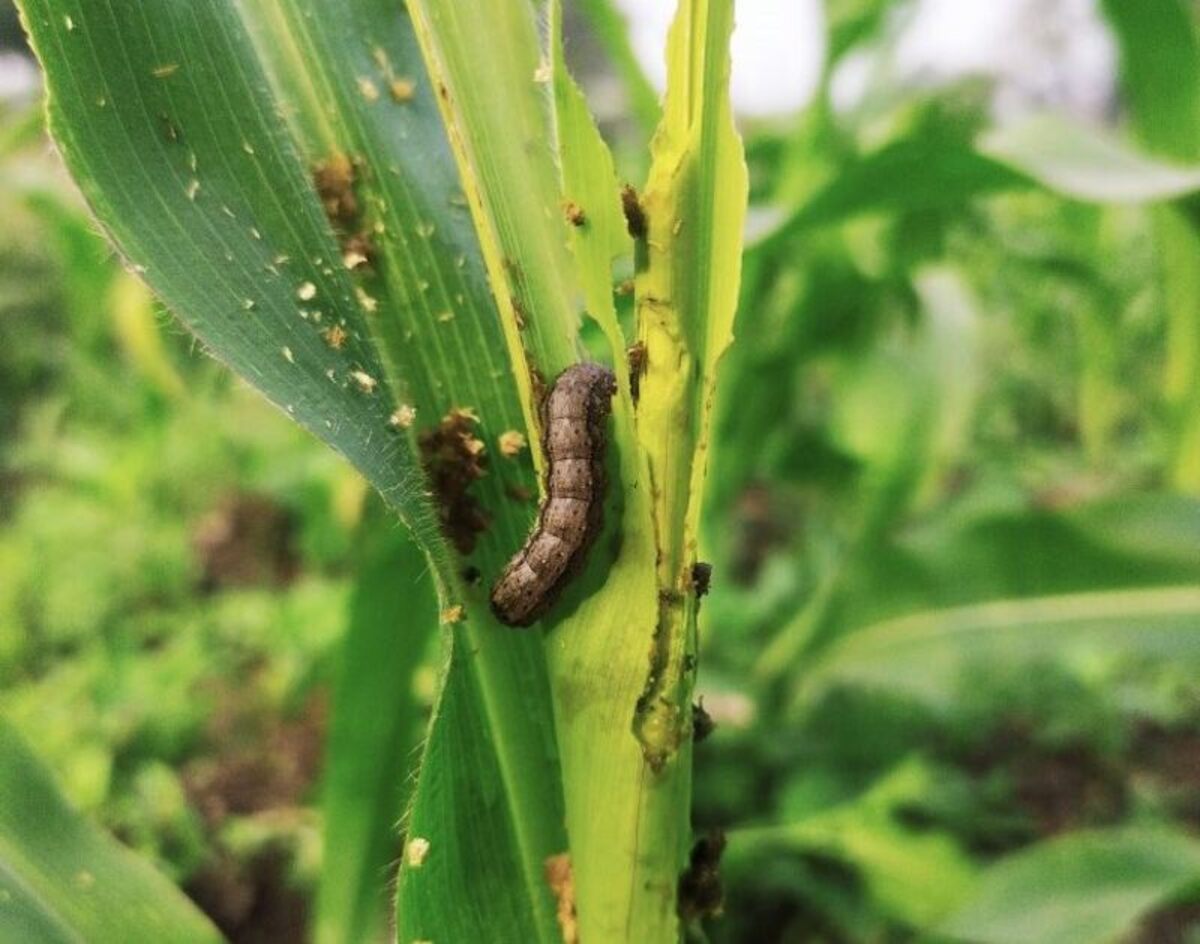
The technological pursuit of natural eradication focuses on leveraging the army worm’s own biological vulnerabilities. By integrating advanced software with biological agents, the industry is moving toward a model where precision replaces volume. This transition is not merely ecological; it is a technological triumph that utilizes high-tech delivery systems and genetic insights to deploy natural solutions more effectively than ever before.
Molecular Biotechnology: Enhancing Natural Biopesticides
At the forefront of natural pest control is the refinement of biological agents through biotechnology. While “natural” might evoke images of simple botanical oils, in a tech-driven context, it refers to the use of living organisms or their derivatives to target specific pests without harming the surrounding ecosystem.
The Evolution of Bacillus Thuringiensis (Bt) Technology
Bacillus thuringiensis, commonly known as Bt, is a soil-dwelling bacterium that produces proteins toxic to certain insects, specifically the larvae of moths and butterflies, such as army worms. In the modern tech landscape, the focus has shifted from raw application to the precision engineering of Bt strains. Advanced microbial fermentation technologies now allow for the mass production of highly concentrated, shelf-stable Bt formulations that can be integrated into automated spray systems.
Furthermore, biotech firms are utilizing genomic sequencing to identify the most potent cry-proteins within various Bt strains. By mapping the genome of the army worm alongside the bacterium, researchers can develop “designer” natural sprays that are hyper-specific to the army worm’s digestive enzymes. This ensures that beneficial pollinators, such as bees and predatory wasps, remain unaffected, maintaining a technological balance in the local microbiome.
Pheromone Synthesis and Mating Disruption
Another technological pillar in the natural eradication of army worms is the use of synthetic pheromones. While the pheromones themselves are bio-identical to those produced by insects, the technology used to deploy them is highly sophisticated. Mating disruption involves flooding an area with synthetic versions of the female army worm’s sex pheromone, effectively “blinding” the males and preventing reproduction.
The “tech” in this natural solution lies in the delivery. Smart dispensers, equipped with IoT (Internet of Things) sensors, can regulate the release of pheromones based on real-time weather data, temperature, and wind speed. This ensures maximum efficacy with minimal waste. By preventing the next generation of larvae from ever hatching, this technology kills the threat at the population level without a single drop of traditional neurotoxic chemical.
AI and Computer Vision: Precision Detection and Predictive Analytics
Before a natural remedy can be applied, it must be targeted. One of the greatest challenges with army worms is their “march”—their ability to appear in massive numbers and devastate a lawn or crop overnight. Modern AgTech solves this through the implementation of Artificial Intelligence (AI) and computer vision.
Multispectral Imaging and Drone Surveillance
Drones equipped with multispectral and hyperspectral cameras are now the frontline of army worm detection. These sensors can “see” beyond the visible light spectrum, identifying changes in leaf reflectance that indicate plant stress long before the human eye can see the actual larvae.
When army worms begin feeding, the physiological stress in the grass or crop alters its chlorophyll signature. AI algorithms analyze these imaging maps to pinpoint exactly where an infestation is beginning. This allows for “spot-treatment” using natural biologicals, such as beneficial nematodes or Bt. Instead of treating an entire 100-acre field, a drone can autonomously apply a natural solution to the specific three-acre patch where the outbreak originated, drastically reducing the cost and environmental footprint of the intervention.
Predictive Modeling via Machine Learning
What kills army worms naturally most effectively is timing. Biological controls, such as Steinernema nematodes (microscopic worms that hunt army worm larvae), are highly sensitive to environmental conditions like UV light and soil moisture.

Machine learning platforms now aggregate data from satellite imagery, local weather stations, and soil sensors to predict when an army worm “moth flight” is likely to occur. By processing historical data and current climatic trends, these software tools provide land managers with a “bio-window”—the exact 48-hour period when the application of a natural predator will be most successful. This move from reactive to predictive pest management is a hallmark of the digital transformation in the green industry.
Autonomous Systems and Targeted Delivery Hardware
The hardware used to deploy natural solutions has evolved from manual labor to high-precision robotics. Because natural agents like beneficial insects or delicate microbial spores are often more “fragile” than synthetic chemicals, they require specialized handling technology.
Robotic Application of Beneficial Nematodes
Beneficial nematodes are perhaps the most effective natural killers of army worms in their soil-dwelling stage. However, these are living organisms that require specific oxygen levels and temperature controls to remain viable. New autonomous “ground droids” are being deployed in high-value turf environments, such as golf courses and corporate campuses.
These robots use GPS-guided precision to inject nematode-infused water directly into the thatch layer of the soil. By bypassing the surface and placing the natural predators exactly where the army worm larvae hide during the day, the technology increases the survival rate of the nematodes and the mortality rate of the pests. This level of precision is impossible with traditional manual spraying.
Biological Dissemination via UAVs
In larger agricultural or forestry contexts, Unmanned Aerial Vehicles (UAVs) are being used to release natural predators. “Bug-bombing” drones can carry payloads of predatory wasps (Trichogramma), which are natural enemies of army worm eggs. These drones are programmed to release the wasps in a grid pattern determined by AI-driven risk maps. This technology scales biological control to a level that was previously only possible with chemical airplanes, proving that “natural” can indeed be “industrial” when backed by the right hardware.
The Software Ecosystem of Sustainable Integrated Pest Management (IPM)
Behind the drones and the droids is a robust software infrastructure. Integrated Pest Management (IPM) platforms act as the “brain” for natural army worm control. These enterprise-level SaaS (Software as a Service) solutions integrate every piece of the puzzle: from the initial AI detection to the inventory management of biological agents.
Digital Tracking and Compliance
As global regulations tighten around chemical usage, many businesses are turning to digital logging tools to prove their commitment to sustainability. These platforms track every application of natural killers, documenting the “why, where, and when.” For professional landscaping brands and agricultural exporters, this data is invaluable. It provides a “green audit trail” that can be used to achieve organic certifications or to meet the environmental, social, and governance (ESG) criteria required by modern investors.
Edge Computing in the Field
The latest trend in AgTech is “edge computing”—processing data directly on the device rather than in the cloud. Smart traps for army worms now exist that use built-in cameras and AI to identify the specific species of moth that enters the trap. If the AI identifies an army worm moth, it immediately triggers an alert to the farmer’s smartphone and can even signal an automated irrigation system to flush the area with a natural repellent or biological agent. This instantaneous loop between detection and natural eradication is the pinnacle of current pest control technology.

The Future of Natural Eradication: CRISPR and RNAi
Looking toward the horizon, the most “natural” yet highly “tech” solution involves the use of RNA interference (RNAi) and CRISPR gene editing. Researchers are developing “sprayable RNAi” which, when consumed by an army worm, naturally “turns off” a specific gene essential for its survival or reproduction.
Because RNA is a naturally occurring molecule that degrades quickly in the environment, it is considered a biological solution. However, the design of these molecules requires the most advanced computational biology tools available. This represents the ultimate synthesis of the two worlds: using the literal code of life to solve a pest problem naturally, delivered via the most advanced AgTech platforms.
By moving away from the “scorched earth” policy of 20th-century chemistry, technology has empowered a more nuanced, intelligent, and natural approach to pest management. The question of what kills army worms naturally is no longer a search for a simple home remedy—it is an exploration of the most advanced tech tools humanity has to offer, all working in harmony with the natural world to protect our food systems and green spaces.
aViewFromTheCave is a participant in the Amazon Services LLC Associates Program, an affiliate advertising program designed to provide a means for sites to earn advertising fees by advertising and linking to Amazon.com. Amazon, the Amazon logo, AmazonSupply, and the AmazonSupply logo are trademarks of Amazon.com, Inc. or its affiliates. As an Amazon Associate we earn affiliate commissions from qualifying purchases.