
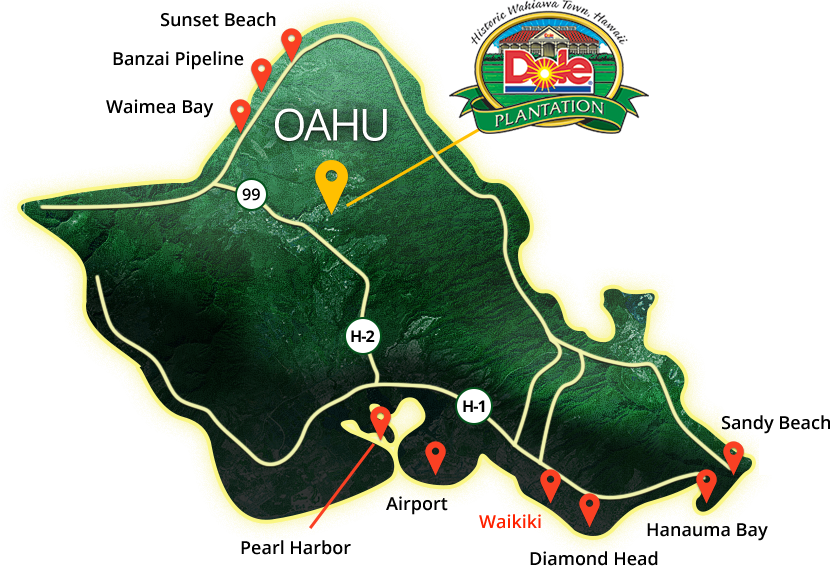
The Dole Plantation, often referred to as “Hawaii’s Pineapple Experience,” is located on the island of Oahu. Situated on the central plains near the town of Wahiawa, this site serves as more than just a tourist attraction; it is a physical monument to one of the most successful examples of brand-building and agricultural marketing in modern history. While the plantation today functions largely as an experiential marketing hub, its presence on Oahu is the cornerstone of a global corporate identity that transformed a tropical fruit into an international household staple.
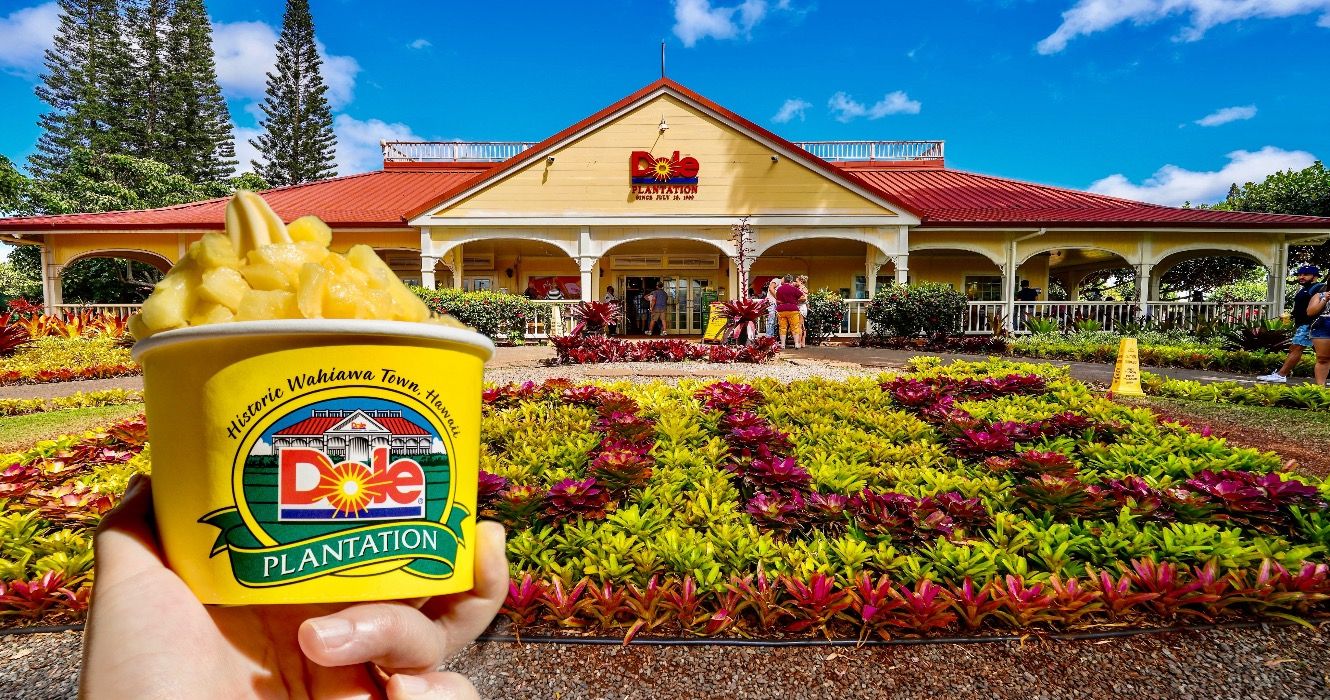
The story of the Dole Plantation is fundamentally a story of strategic branding. By examining the evolution of this site, from its humble beginnings as a small fruit stand to its status as a premier global landmark, we gain insight into how corporate identity, geographic association, and experiential marketing converge to create lasting brand equity.
The Architect of an Empire: James Dole and the Birth of a Household Name
The Dole brand did not emerge by accident. It was the result of the calculated vision of James Drummond Dole, who arrived in Honolulu in 1899. At the time, the pineapple was a luxury item, rarely seen in a fresh or consistent state in the continental United States. James Dole recognized that to sell the fruit, he first had to sell the concept of the fruit—and by extension, the concept of the “Dole” name.
Establishing the Personal Brand
Before there was a corporate conglomerate, there was the “Pineapple King.” James Dole utilized his own reputation for quality and innovation to anchor the company’s identity. By purchasing 64 acres in the central plains of Oahu, he positioned himself at the heart of the island’s agricultural potential. This geographic choice was strategic; the red volcanic soil and unique climate of Oahu provided the perfect “origin story” for a brand that would eventually represent the pinnacle of tropical quality.
Consistency as a Brand Promise
One of the most significant challenges in early 20th-century food marketing was consistency. Dole understood that for a brand to survive, the consumer in New York had to have the same experience as the consumer in San Francisco. He invested heavily in processing technology and logistics, ensuring that the “Dole” label became a guarantee of flavor and safety. This was a radical departure from the unbranded, generic produce markets of the era, establishing Dole as a pioneer in the “brand-as-promise” philosophy.
From Agriculture to Iconography: The Strategy of the Pineapple King
The Dole Plantation on Oahu represents the physical manifestation of a brand strategy that successfully tied a product to a specific lifestyle and location. Through decades of clever marketing, Dole didn’t just sell fruit; it sold the allure of Hawaii.
The Power of Geographic Association
In the world of branding, “place of origin” is a powerful tool. By centering its operations on Oahu, Dole effectively leveraged the burgeoning American fascination with the Pacific islands. The brand successfully co-opted the imagery of Hawaii—lush greenery, sunshine, and exoticism—and condensed it into a tin of canned pineapple. This association became so strong that for much of the 20th century, the island of Oahu and the Dole brand were inextricably linked in the minds of global consumers.
Innovative Marketing and National Campaigns
As the plantation grew, so did the sophistication of its marketing. Dole was an early adopter of color photography in advertising, filling national magazines with vibrant images of pineapple recipes. These campaigns weren’t just about selling a product; they were about teaching the consumer how to use it. By positioning the pineapple as a versatile ingredient for salads, desserts, and entrees, Dole expanded its market share and solidified its brand as an essential part of the modern American kitchen.
Experiential Branding: The Plantation as a Multi-Sensory Marketing Tool
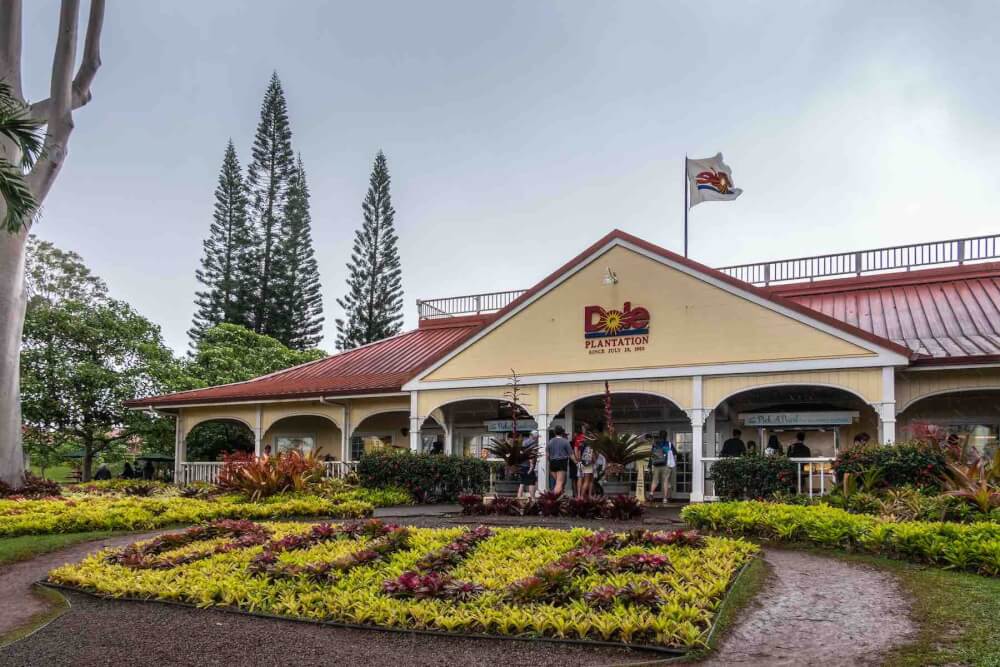
Today, the Dole Plantation on Oahu attracts over one million visitors annually. It has transitioned from a purely industrial site to a masterclass in experiential branding. In an era where consumers value experiences over mere products, the plantation serves as a physical touchpoint where the brand identity is reinforced through sensory engagement.
The “Dole Whip” Phenomenon
Perhaps no single product exemplifies the power of experiential marketing better than the Dole Whip. Originally introduced at the plantation and later popularized through a strategic partnership with Disney Parks, this dairy-free soft serve has achieved a cult-like brand status. At the Oahu plantation, the act of purchasing a Dole Whip is a rite of passage for tourists. It creates a positive emotional anchor to the brand, associating the “Dole” name with leisure, refreshment, and the Hawaiian vacation experience.
Gamifying the Brand Experience
The plantation features the Pineapple Garden Maze, once recognized by the Guinness World Records as the world’s largest. By incorporating interactive elements like the maze and the Pineapple Express Train Tour, the brand engages consumers in a way that traditional advertising cannot. These attractions serve as a form of “living history,” educating the public on the brand’s heritage while providing entertainment. This high-touch engagement ensures that visitors leave with a deep, personal connection to the corporate identity.
Strategic Pivot: Rebranding for the Modern Era
As the global economy shifted, the Dole brand faced significant challenges. The high cost of labor and land in Hawaii eventually led to the cessation of large-scale pineapple canning on Oahu in the early 1990s. However, rather than abandoning the site, the company doubled down on its brand equity.
From Production to Education and Tourism
The shift from a production-focused model to a tourism-focused model was a brilliant strategic pivot. The company recognized that the “Dole Plantation” brand was more valuable as a destination than as an active industrial farm. By preserving the site and turning it into a visitor center, Dole maintained its presence on Oahu while pivoting to a more profitable, low-overhead model of brand storytelling. This transition highlights the importance of brand flexibility—the ability to evolve while staying true to the core identity.
Sustainability and Modern Corporate Identity
In the 21st century, brand strategy must account for social and environmental responsibility. The Dole Plantation now emphasizes sustainable farming practices and the preservation of local agricultural history. By aligning the brand with modern values like environmental stewardship and educational outreach, Dole ensures its relevance to a more conscious generation of consumers. This “corporate social responsibility” (CSR) branding helps mitigate the historical criticisms of the plantation era, repositioning the brand as a contemporary leader in ethical agriculture.
The Global Impact of the Oahu Legacy
While the pineapple fields on Oahu are smaller than they once were, the brand equity generated on that island continues to power a global multi-billion dollar enterprise. The “Dole” logo is now found on hundreds of products in over 90 countries, ranging from fresh bananas to packaged fruit cups.
Maintaining Brand Cohesion Across Borders
The challenge for a global brand like Dole is maintaining cohesion. Whether a consumer sees the Dole logo in a supermarket in London or Tokyo, the brand must evoke the same feelings of quality and freshness that are cultivated at the Oahu plantation. The plantation serves as the “brand soul,” the point of origin that gives the global entity its authenticity. In branding terms, it is the “North Star” that guides the company’s identity across diverse international markets.
The Enduring Value of the Dole Identity
The story of what island the Dole Plantation is on is ultimately a case study in how geography, history, and strategic marketing can create an immortal brand. By choosing Oahu as its base and Hawaii as its aesthetic, Dole built a legacy that transcends simple agriculture. The plantation remains a testament to the fact that a strong brand is not just a logo or a product—it is a narrative that captures the imagination of the world.
As visitors walk through the gardens of the Oahu plantation today, they are not just looking at plants; they are walking through a century of corporate strategy and brand evolution. James Dole’s original vision of bringing the “sunshine of Hawaii” to the rest of the world remains the core of the brand’s identity, proving that a well-crafted brand story, rooted in a specific sense of place, can endure for generations.
aViewFromTheCave is a participant in the Amazon Services LLC Associates Program, an affiliate advertising program designed to provide a means for sites to earn advertising fees by advertising and linking to Amazon.com. Amazon, the Amazon logo, AmazonSupply, and the AmazonSupply logo are trademarks of Amazon.com, Inc. or its affiliates. As an Amazon Associate we earn affiliate commissions from qualifying purchases.