
In the modern professional landscape, the concept of a “fashion style quiz” has transcended its origins as a casual magazine pastime. Today, it serves as a sophisticated diagnostic tool used by brand strategists, executive coaches, and marketing consultants to help individuals and corporate entities distill their visual identity into a coherent, impactful message. Visual communication is the most immediate form of marketing; before you have uttered a single word in a boardroom or a keynote address, your aesthetic choices have already begun the process of brand positioning.
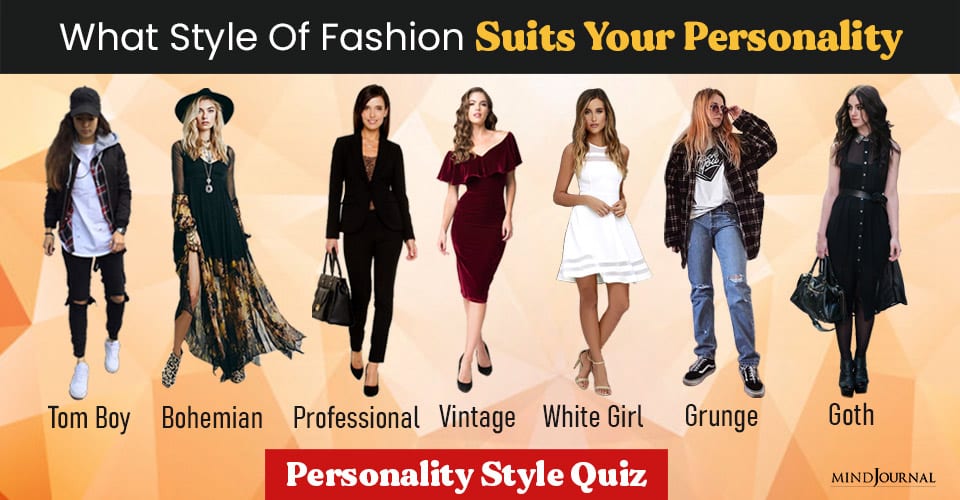
Understanding your fashion style is not merely about following trends or selecting flattering silhouettes. It is an exercise in brand alignment. It requires an introspective look at your core values, your target audience, and the psychological impact of colors, textures, and shapes. By utilizing a structured style quiz as a strategic framework, professionals can bridge the gap between their internal identity and their external perception.
The Psychology of Visual Identity in Brand Strategy
The foundational principle of personal branding is consistency. A brand is a promise of a specific experience, and your visual presentation is the packaging of that promise. When we look at style through the lens of brand strategy, we are engaging with “enclothed cognition”—the psychological influence that our clothes have on our own psychological processes and the perceptions of those around us.
The Impact of First Impressions
Research consistently shows that it takes less than seven seconds for an observer to form an initial impression of a person’s competence, trustworthiness, and status. In the context of business, these seconds are critical. A fashion style quiz serves as a precursor to designing these seven seconds. Are you projecting the reliability of a heritage brand, or the disruptive energy of a tech startup? By identifying your style archetype, you ensure that your first impression is not a random occurrence, but a calculated strategic asset.
Building Trust through Aesthetic Consistency
Consistency breeds trust. If a brand’s messaging is erratic, the audience becomes confused and disengaged. The same applies to personal branding. If your digital presence suggests a high-level corporate strategist but your physical appearance suggests a casual hobbyist, there is a cognitive dissonance that can undermine your authority. A style quiz helps eliminate this friction by providing a “Style Guide” for the individual, ensuring that every touchpoint—from LinkedIn headshots to in-person networking—is visually synchronized.
Decoding the Style Archetypes: A Strategic Framework
When engaging with a style quiz for branding purposes, the results typically categorize participants into specific archetypes. Each of these archetypes carries a distinct set of brand connotations and market perceptions. Understanding which category you fall into allows you to lean into your natural strengths while consciously curating your professional image.
The Minimalist: Clarity and Efficiency
The Minimalist archetype is characterized by clean lines, neutral palettes, and an absence of superfluous detail. In a brand context, this style communicates efficiency, transparency, and a focus on core substance over superficiality. High-profile examples in the tech and design sectors often adopt this style to signal that their mental energy is reserved for innovation rather than wardrobe choices. For a brand, minimalism suggests a “no-nonsense” approach and a high degree of organizational sophistication.
The Classicist: Authority and Longevity
The Classicist relies on structured silhouettes, traditional fabrics, and timeless pieces like tailored blazers and trench coats. This archetype is the cornerstone of the “Heritage Brand” strategy. It signals stability, reliability, and a deep respect for tradition and protocol. For professionals in law, finance, or high-end consulting, the Classicist archetype provides a visual shorthand for institutional knowledge and long-term security.
The Maverick: Innovation and Disruption
The Maverick style is characterized by bold choices, unconventional pairings, and a disregard for traditional dress codes. This is a strategic choice for those whose brand is built on disruption and creativity. By deviating from the norm, the Maverick signals that they are not bound by the status quo. This archetype is particularly effective for creative directors, founders of disruptive startups, and thought leaders who want to be perceived as visionaries.
The Diplomat: Approachability and Collaboration
The Diplomat balances professional structure with soft textures and approachable colors. This style is designed to reduce barriers and foster communication. In branding, this is the “People-First” approach. It is highly effective for leaders in human resources, non-profits, and service-based industries where empathy and accessibility are core brand pillars.
Integrating Fashion Style into Corporate Identity

While personal branding is the most obvious application of a style quiz, corporate entities also use these frameworks to define their “Brand Uniformity.” This does not necessarily mean literal uniforms, but rather a cohesive visual standard that reflects the company’s culture and values.
The Executive Presence and Leadership Branding
For organizations, the way their leadership team presents itself is a reflection of the corporate brand’s health. A style quiz can be used during executive onboarding to help new leaders align their personal style with the company’s corporate identity. If a firm is rebranding from a traditional legacy institution to a modern digital-first company, the leadership’s fashion style must evolve alongside the logo and the mission statement.
Internal Culture and Employee Alignment
Many modern companies are moving away from rigid dress codes toward “Style Guidelines” that encourage individual expression within a brand-aligned framework. By encouraging employees to understand their own professional style archetype, companies can foster a sense of authenticity while maintaining a professional environment. This alignment boosts employee morale and ensures that the “brand ambassadors” (the employees) are representing the company accurately to the public.
The Role of Digital Tools and Quizzes in Market Research
From a marketing perspective, the “fashion style quiz” is a powerful tool for data collection and consumer segmentation. Fashion and lifestyle brands use these quizzes to gather psychographic data that goes far beyond simple demographics.
Data-Driven Personalization
When a user takes a style quiz, they are providing a map of their aspirations, insecurities, and preferences. For a brand, this data is gold. It allows for hyper-personalized marketing. If a quiz reveals a user has a “Classicist” style, the brand will not waste marketing spend showing them “Maverick” trends. Instead, they will serve content and products that reinforce the user’s established identity, leading to higher conversion rates and brand loyalty.
Interactive Lead Generation
In the digital marketing sphere, quizzes have some of the highest engagement rates of any content type. They are inherently shareable and provide immediate value to the user in the form of self-discovery. For a personal branding consultant or a fashion brand, a style quiz acts as a sophisticated lead magnet. It initiates a relationship by providing an insight, which then opens the door for deeper brand engagement.
Implementing Your Style Archetype for Long-Term Success
Once you have used a fashion style quiz to identify your archetype, the next step is implementation. This is where the transition from “fashion” to “brand strategy” truly occurs. A wardrobe is an investment, and like any business investment, it requires a clear ROI (Return on Identity).
The Wardrobe Audit as a Brand Audit
A brand audit involves looking at all your assets and determining what fits the mission and what doesn’t. A wardrobe audit is the physical manifestation of this. Based on your quiz results, you should evaluate your current clothing. Does this piece support my brand message? Does it project the authority, creativity, or reliability I want to be known for? Anything that contradicts the brand must be phased out to ensure a clear, singular message.
Future-Proofing Your Visual Message
Personal brands are not static; they evolve as careers progress and industries shift. A fashion style quiz should be retaken periodically—perhaps every two to three years—to ensure that your visual identity still aligns with your professional goals. As you move from a mid-level manager to a C-suite executive, your brand may need to shift from “The Diplomat” to “The Classicist.” Strategic fashion choices allow you to signal this evolution to your peers and the market.
Conclusion: The Strategic Advantage of Visual Clarity
In an increasingly visual and digital world, your fashion style is a critical component of your brand equity. A “what is your fashion style quiz” is not a trivial exercise; it is a diagnostic tool for clarity. By identifying your archetype, understanding the psychology behind your choices, and aligning your wardrobe with your professional values, you create a powerful, non-verbal narrative that supports your career and business objectives.
Style is the ultimate form of self-packaging. When the packaging matches the product, you create a brand that is authentic, trustworthy, and memorable. Whether you are an individual looking to elevate your personal brand or a corporation seeking to refine your visual culture, the journey begins with understanding the message you are currently sending—and deciding what you want that message to be. In the competitive marketplace of ideas and talent, having a defined, strategic style is not just an aesthetic choice; it is a business imperative.
aViewFromTheCave is a participant in the Amazon Services LLC Associates Program, an affiliate advertising program designed to provide a means for sites to earn advertising fees by advertising and linking to Amazon.com. Amazon, the Amazon logo, AmazonSupply, and the AmazonSupply logo are trademarks of Amazon.com, Inc. or its affiliates. As an Amazon Associate we earn affiliate commissions from qualifying purchases.