
In the pantheon of American fast-food history, few names evoke as much nostalgia and specific imagery as Godfather’s Pizza. Founded in 1973 in Omaha, Nebraska, the brand didn’t just sell pizza; it sold a persona. With its aggressive “A pizza you can’t refuse” slogan and the iconic character of “The Don,” the franchise carved out a significant slice of the market during the 1970s and 1980s. However, as the 21st century progressed, the ubiquitous presence of the brand seemed to fade from the suburban landscape. To understand what happened to Godfather’s Pizza is to examine a fascinating case study in brand evolution, the perils of corporate acquisition, and the strategic pivot from a destination brand to a convenience-driven identity.

The Architecture of an Iconic Identity: The Rise of “The Don”
The success of Godfather’s Pizza in its early years was a masterclass in archetypal branding. In a market already crowded by the likes of Pizza Hut and a burgeoning Domino’s, Godfather’s differentiated itself not just through its product—a thick, multi-layered “mountain” of toppings—but through a highly distinctive brand voice.
The Power of Narrative Branding
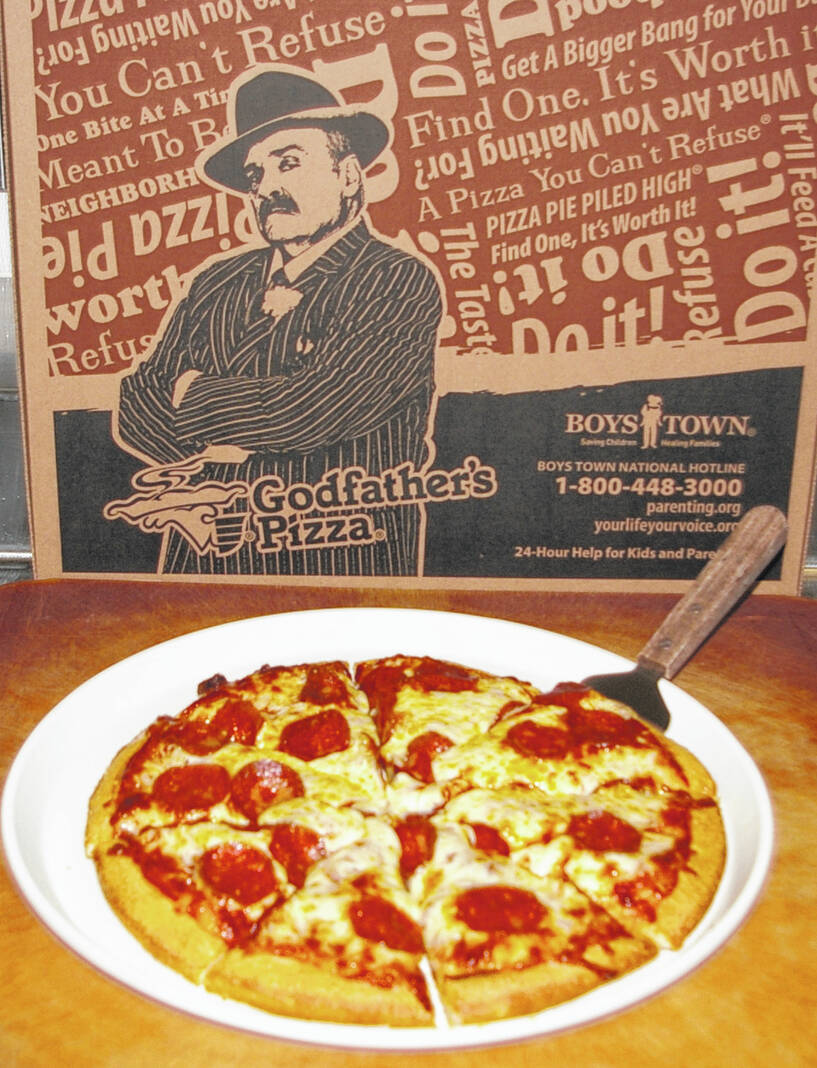
The brand leveraged the cultural zeitgeist of the 1970s, specifically the fascination with organized crime dramas. By introducing “The Don,” a fedora-wearing, pin-striped suit-clad figure, Godfather’s Pizza moved beyond being a mere service provider. They created a narrative. This character gave the brand a face and an attitude: authoritative, slightly rebellious, and uncompromising on quality. From a brand strategy perspective, this was a brilliant move to establish “Top of Mind” awareness. When consumers thought of Godfather’s, they didn’t just think of dough and cheese; they thought of the experience and the character.
Product Differentiation as Brand Strategy
While the marketing was loud, the brand was backed by a unique product proposition. In an era where “thin and crispy” was the standard, Godfather’s leaned into the “Taco Pizza” and the heavy, thick-crust varieties. This established the brand as a “premium” fast-food option. The branding communicated value through weight and abundance, a strategy that resonated deeply with the American middle class during the brand’s peak expansion. By the mid-1980s, Godfather’s was the fifth-largest pizza chain in the United States, a testament to the efficacy of its focused market positioning.
Corporate Turbulence and the Dilution of Brand Equity
The trajectory of Godfather’s Pizza changed significantly when it moved from a founder-led entrepreneurial venture to a corporate asset. In 1985, the brand was acquired by Pillsbury. This era represents a critical period in the brand’s history where the tension between corporate standardization and brand personality began to manifest.
The Challenge of Conglomerate Ownership
When a quirky, personality-driven brand is absorbed into a massive conglomerate like Pillsbury, there is often a push for operational efficiency that can inadvertently strip away the brand’s “soul.” Under Pillsbury, Godfather’s faced an identity crisis. The parent company was simultaneously managing multiple food brands and struggled to position Godfather’s effectively against the rising tide of delivery-focused competitors. While Domino’s was revolutionizing the industry through logistics and tech-enabled speed, Godfather’s remained anchored to a “dine-in” model that was beginning to lose favor with a more fast-paced consumer base.
The Herman Cain Era and the Art of the Turnaround
One of the most notable chapters in the brand’s history was the leadership of Herman Cain, who was appointed by Pillsbury to steer the struggling chain in 1986. Cain’s approach was a textbook example of brand revitalization through simplification. He recognized that the brand had become bloated and inefficient. His strategy involved closing hundreds of underperforming locations and narrowing the focus back to the core product.
Cain eventually led a leveraged buyout of the company from Pillsbury in 1988, returning Godfather’s to private ownership. This move was a strategic attempt to reclaim the brand’s agility. However, the landscape had changed. The “Pizza Wars” of the 1990s were characterized by massive advertising budgets and price slashing from the “Big Three”—Pizza Hut, Domino’s, and Papa John’s. Godfather’s, now a smaller, independent entity, found itself squeezed. It lacked the capital to compete in a national television ad war, leading to a gradual retreat from several major metropolitan markets.
Strategic Contraction: The Shift to Non-Traditional Revenue Streams

The most common question—“What happened to Godfather’s Pizza?”—usually stems from the observation that their standalone, sit-down restaurants have largely vanished from suburban strip malls. However, the brand did not disappear; it evolved its footprint. This represents one of the most successful strategic pivots in the fast-food industry: the move to non-traditional locations.
From Destination to Convenience
As the cost of real estate and the competition for delivery dominance intensified, Godfather’s Pizza made a conscious brand decision to shift its focus. They recognized a gap in the market: the “Express” model. Instead of asking customers to come to them for a full-service meal, they integrated the brand into places where consumers were already stopping—specifically, convenience stores and travel centers.
By partnering with entities like Love’s Travel Stops and Minit Mart, Godfather’s Pizza redefined its brand utility. It transitioned from a “Friday Night Out” destination to a “High-Quality Convenience” option. This move saved the brand. Today, while there are only a few hundred traditional franchised restaurants, there are over a thousand “Express” locations. This pivot allowed the brand to maintain high visibility and profitability without the massive overhead of maintaining thousands of full-service dining rooms.
Maintaining Brand Integrity in Smaller Formats
The challenge of an “Express” model is maintaining brand equity. If the pizza in a gas station doesn’t taste like the pizza from the 1980s parlor, the brand dies. Godfather’s managed this by strictly controlling the supply chain and the preparation methods for their Express units. They ensured that the “thick crust, heavy topping” promise remained intact, even in a grab-and-go format. This consistency helped the brand retain a loyal following of “road warriors” and rural customers who associated the brand with a higher tier of quality than typical convenience store fare.
Lessons in Brand Longevity: Why Godfather’s Never Fully Disappeared
In an industry where brands often flame out or are liquidated, Godfather’s Pizza’s survival is a testament to the power of a resilient niche identity. They did not try to out-tech Domino’s or out-price Little Caesars. Instead, they leaned into what made them different.
The Nostalgia Factor as a Brand Asset
In recent years, Godfather’s has successfully tapped into the nostalgia of Gen X and Millennials. The brand’s visual identity remains remarkably consistent with its heyday. They have resisted the urge to “modernize” their logo into a sterile, minimalist design—a mistake many legacy brands make. By keeping the classic typography and the spirit of “The Don” alive, they communicate a sense of heritage and authenticity. In a world of “disruptor” brands, there is significant brand equity in being the reliable, old-school choice.
Localized Strength and Regional Loyalty
Another factor in the brand’s survival is its focus on regional strength. Godfather’s remains a powerhouse in the Midwest. Rather than overextending themselves in a bid for global or national dominance, they have cultivated deep roots in specific markets. This localized brand loyalty provides a stable foundation that allows them to weather national economic shifts. It’s a reminder that a brand doesn’t need to be everywhere to be successful; it needs to be indispensable to the people who live where it is.
The Future of the “Pizza You Can’t Refuse”
The story of Godfather’s Pizza is not one of decline, but of right-sizing and strategic adaptation. The brand learned the hard way that being a “corporate darling” can lead to a loss of identity, and that competing head-to-head with multi-billion-dollar giants is often a losing game. By pivoting to the Express model and focusing on their core “thick crust” identity, they have carved out a sustainable, profitable niche.
For modern brand strategists, Godfather’s Pizza offers three clear lessons. First, a strong, character-driven identity can create a lasting emotional bond with consumers that survives for decades. Second, when the market changes—as it did from dine-in to delivery and convenience—the brand must be willing to change its delivery mechanism while keeping its product soul intact. Finally, survival often depends on the courage to contract; by closing weak locations and focusing on high-traffic, non-traditional spots, Godfather’s ensured that “The Don” would remain a fixture of the American culinary landscape for years to come.
While you may have to look a little harder to find a Godfather’s today than you did in 1985, the brand remains a formidable example of how to manage a legacy identity in an ever-shifting marketplace. They stayed true to their “Godfather” persona, and in doing so, they ensured that their brand was, indeed, one that loyal customers simply couldn’t refuse.
aViewFromTheCave is a participant in the Amazon Services LLC Associates Program, an affiliate advertising program designed to provide a means for sites to earn advertising fees by advertising and linking to Amazon.com. Amazon, the Amazon logo, AmazonSupply, and the AmazonSupply logo are trademarks of Amazon.com, Inc. or its affiliates. As an Amazon Associate we earn affiliate commissions from qualifying purchases.