
On its surface, the Yellowstone television series is a neo-Western drama centered on the Dutton family, owners of the largest contiguous ranch in the United States. However, through the lens of brand strategy and corporate identity, the series represents far more than a high-stakes family saga. It is a masterclass in narrative architecture, franchise scaling, and the creation of a multifaceted lifestyle brand that has reshaped the landscape of modern media.
To understand what Yellowstone is about is to understand the power of a “Hero Brand” in a fragmented market. The series explores themes of legacy, land preservation, and the friction between tradition and progress, all while maintaining a rigid brand identity that resonates with a massive, underserved demographic.
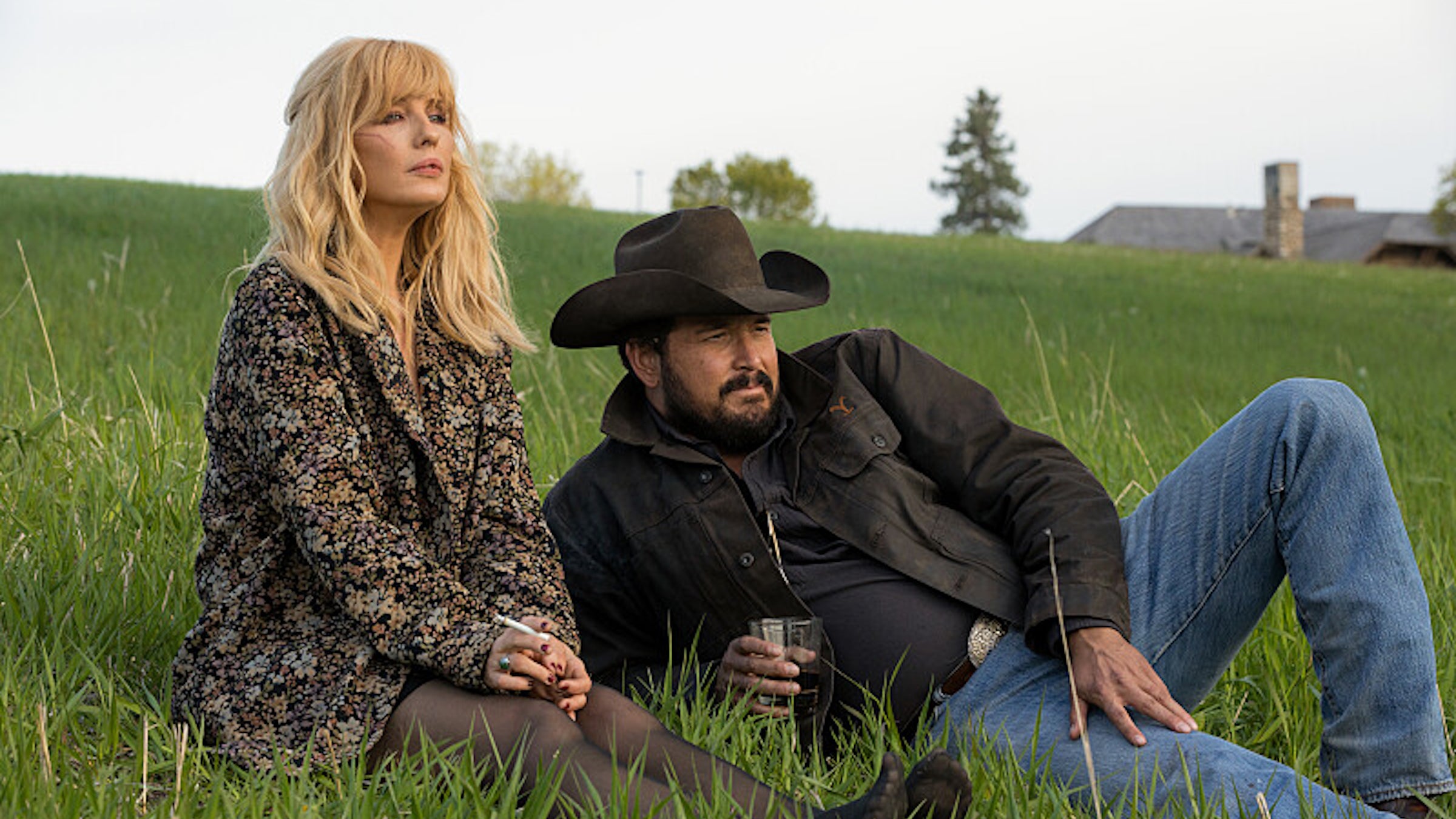
The Narrative Engine: Defining the Dutton Brand Archetype
At the heart of the Yellowstone series is the Dutton family, led by patriarch John Dutton. In the context of brand strategy, the family functions as a corporate entity—an empire that must be defended against external threats ranging from land developers to political rivals and indigenous land claims.
The Stewardship Value Proposition
The primary narrative driver of the series is the preservation of a legacy. This is the brand’s “Core Purpose.” John Dutton’s unwavering commitment to keeping the Yellowstone Ranch intact serves as the ultimate value proposition. Unlike traditional protagonists who seek growth or change, the Dutton brand is built on “stewardship” and “resistance.” This creates a compelling narrative friction: the world is changing, but the brand refuses to evolve, leading to an “us versus them” dichotomy that is central to its appeal.
Character Archetypes as Brand Pillars
Each member of the Dutton family represents a different pillar of the overarching brand identity.
- John Dutton (The Steward): Represents the traditionalist core, the uncompromising history of the brand.
- Beth Dutton (The Disruptor): Represents the brand’s defensive mechanism. She is the corporate raider, using the tools of modern capitalism to protect the ancestral assets.
- Kayce Dutton (The Reluctant Successor): Represents the brand’s internal conflict between its violent past and its desire for a moral future.
- Jamie Dutton (The Institutionalist): Represents the legal and political arm, illustrating how a brand interacts with government and regulatory frameworks.
Franchise Architecture: Building the Sheridan Universe
What began as a single television series has evolved into a sprawling ecosystem of content, often referred to as the “Sheridan Universe” (after creator Taylor Sheridan). From a brand management perspective, this is a textbook example of successful franchise scaling and horizontal integration.
Brand Extensions: 1883 and 1923
The series has successfully launched multiple prequels, such as 1883 and 1923. These are not merely sequels; they are brand extensions that provide “origin story” value to the core product. By exploring the history of the Dutton family, the franchise deepens its narrative equity.
- 1883 functions as a “Foundational Brand Story,” establishing the grit, sacrifice, and pioneer spirit required to build the empire.
- 1923 serves as a “Middle-Market Evolution,” showing how the brand survived previous eras of global depression and social upheaval.
These extensions ensure that the “Yellowstone” brand remains top-of-mind for consumers year-round, increasing the Lifetime Value (LTV) of the average viewer.
Vertical Integration and Content Control
Taylor Sheridan’s role in the franchise mirrors that of a visionary CEO. By maintaining creative control over the scripts and the “visual language” of the shows, he ensures brand consistency across every touchpoint. Whether a viewer is watching a spin-off or the flagship series, the brand promise—rugged individualism, high-stakes conflict, and cinematic landscapes—remains constant.
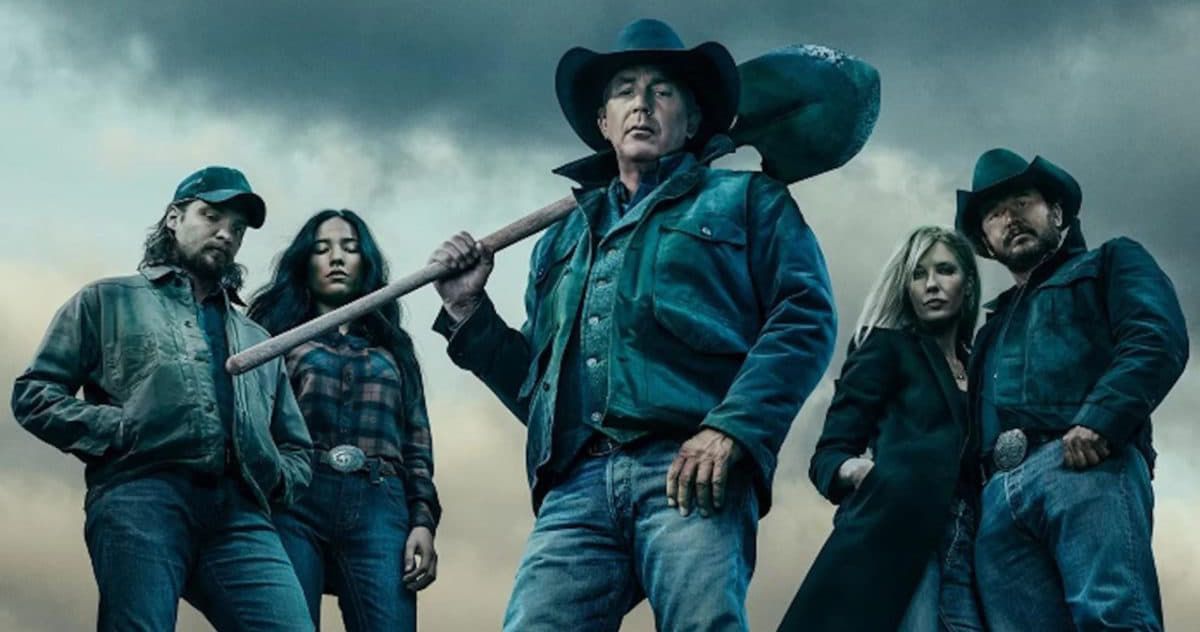
The Yellowstone Aesthetic: Transforming Media into a Lifestyle Brand
Perhaps the most significant achievement of the Yellowstone series is its transition from a media product to a lifestyle brand. The show has cultivated a specific visual and cultural identity—often dubbed “Western-core”—that has influenced fashion, tourism, and consumer behavior.
Visual Identity and Imagery
The branding of Yellowstone relies heavily on high-production cinematography that highlights the majesty of the Montana wilderness. This “Nature as Luxury” aesthetic positions the ranch not just as a location, but as an aspirational product. The iconography of the “Y” brand—the actual branding iron used on the ranch—serves as a literal logo, reinforcing the idea of belonging and ownership.
Merchandising and Strategic Partnerships
The Yellowstone brand has successfully moved beyond the screen into physical consumer goods. Through strategic licensing, the brand has touched various sectors:
- Apparel: Collaborations with heritage brands like Carhartt and Wrangler have solidified the “rugged worker” aesthetic.
- Spirits and Food: The launch of Yellowstone branded coffee and bourbon allows fans to “consume” the brand in their daily lives.
- Tourism: The “Yellowstone Effect” has significantly boosted tourism in Montana and the surrounding regions, proving that a powerful narrative brand can drive real-world economic shifts.
Market Positioning and the Streaming Wars Strategy
The business of Yellowstone is as complex as its plot. The series serves as a case study in market positioning and the strategic value of intellectual property (IP) in the era of the “Streaming Wars.”
Niche Targeting at a Mass Scale
For years, the television industry focused on urban, coastal demographics. Yellowstone identified a “market gap”—an audience that felt alienated by modern sitcoms and sci-fi epics. By leaning into traditional Western values with a modern, high-gloss production style, the series captured a “Heartland” demographic that proved to be incredibly loyal and lucrative. This is a classic “Blue Ocean Strategy”: finding a space where competition is low and the audience is underserved.
The Licensing Paradox
One of the most interesting aspects of the Yellowstone brand strategy is the licensing complication between Paramount (the owner of the show) and Peacock (the streaming service that holds the domestic streaming rights). This conflict highlights a crucial lesson in brand management: the importance of platform ownership. While Paramount produced the hit, their early decision to license it to a competitor created a brand “split” that they had to rectify by building the Sheridan Universe spin-offs exclusively on their own platform, Paramount+.
Crisis Management and Brand Evolution: The Post-Costner Era
Every major brand eventually faces a leadership crisis. For Yellowstone, this arrived in the form of rumors and eventual confirmation of Kevin Costner’s departure from the series. As the face of the brand, Costner’s exit posed a significant risk to the franchise’s continuity and consumer trust.
Pivot and Adaptability
The brand’s response to this crisis has been a strategic shift toward ensemble-led storytelling and a focus on the broader “Dutton Legacy” rather than a single individual. By investing heavily in the prequels and upcoming sequels, the producers are ensuring that the Yellowstone brand is bigger than any one actor. This is essential for long-term brand equity; the “Identity” of the ranch must survive the “Leadership” of the patriarch.
The Future of the Yellowstone Identity
As the flagship series nears its conclusion, the brand is in a state of transition. The focus is shifting toward a “Global Franchise” model, with international spin-offs and new eras of the Dutton story being developed. The goal is to turn Yellowstone into a perennial brand—much like Star Wars or Marvel—that can be refreshed and repackaged for new generations of consumers while maintaining its core DNA of rugged, uncompromising Western grit.
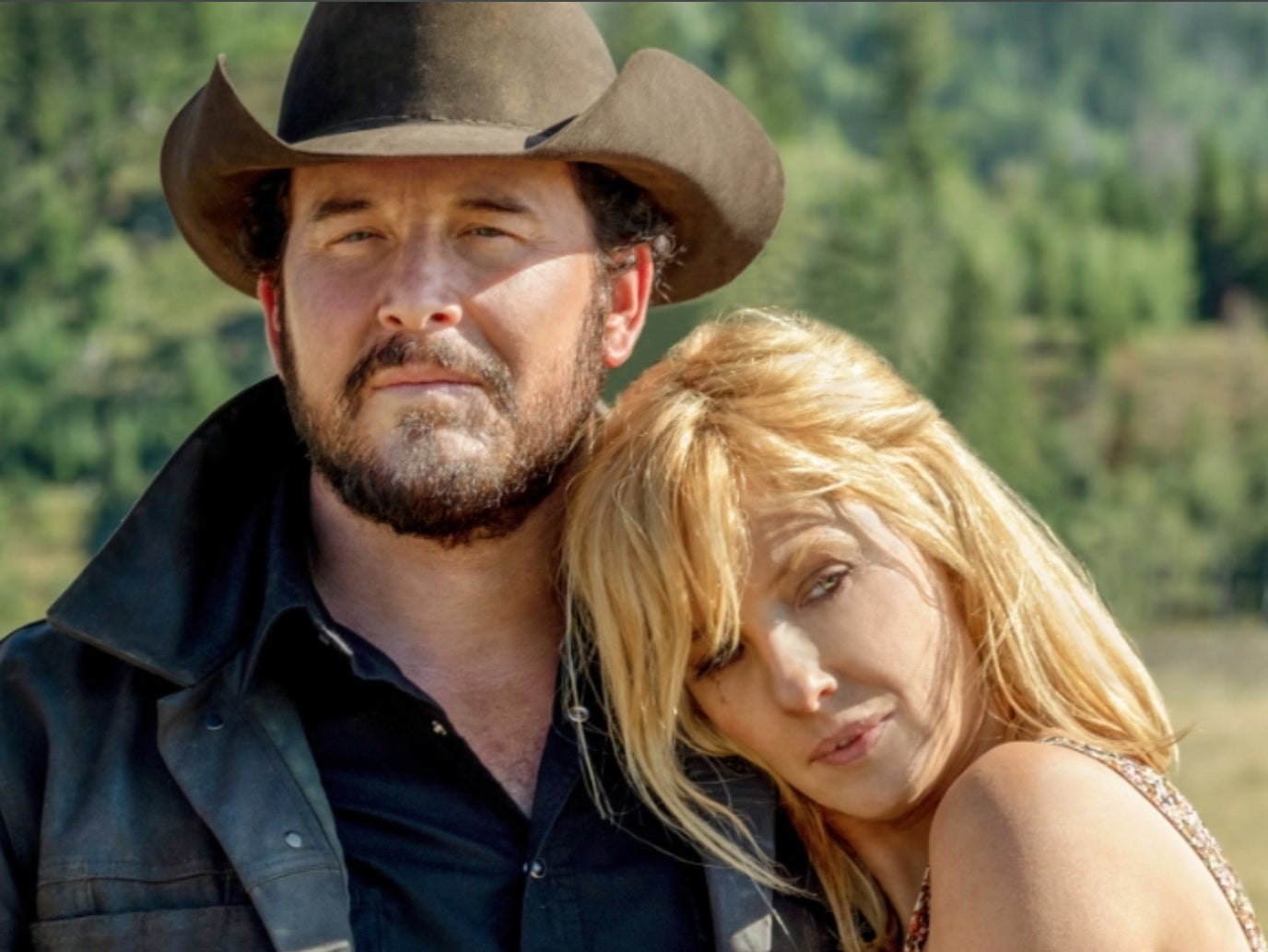
Conclusion: The Power of Narrative Branding
Ultimately, the Yellowstone series is about the intersection of power, land, and family. But from a brand perspective, it is about the successful creation of a cultural monolith. It proves that even in a digital-first world, a brand built on traditional values, clear archetypes, and a strong visual identity can command massive market share. The series has redefined the Western genre and, in the process, created a blueprint for how a narrative can be scaled into a multi-billion-dollar lifestyle and media empire.
aViewFromTheCave is a participant in the Amazon Services LLC Associates Program, an affiliate advertising program designed to provide a means for sites to earn advertising fees by advertising and linking to Amazon.com. Amazon, the Amazon logo, AmazonSupply, and the AmazonSupply logo are trademarks of Amazon.com, Inc. or its affiliates. As an Amazon Associate we earn affiliate commissions from qualifying purchases.