
In the modern landscape of brand strategy and corporate identity, the concept of “justice” is rarely discussed in the same breath as market share or consumer engagement. However, when we look back at the foundation of Western thought—specifically Plato’s Republic—we find a definition of justice that is profoundly relevant to the way we build, manage, and sustain brands today. For Plato, justice was not merely a matter of legal fairness or the distribution of goods; it was a state of internal harmony and the fulfillment of a specific purpose.
In the context of branding, justice is the alignment of a company’s internal values with its external promises. It is the “rightness” of an organization that occurs when every department, every employee, and every piece of communication functions in accordance with the brand’s core essence. To understand what justice is according to Plato, and how it applies to modern brand strategy, we must explore his vision of the “Ideal State” and translate his philosophical architecture into the language of corporate identity.
The Republic of the Brand: Defining Internal Harmony
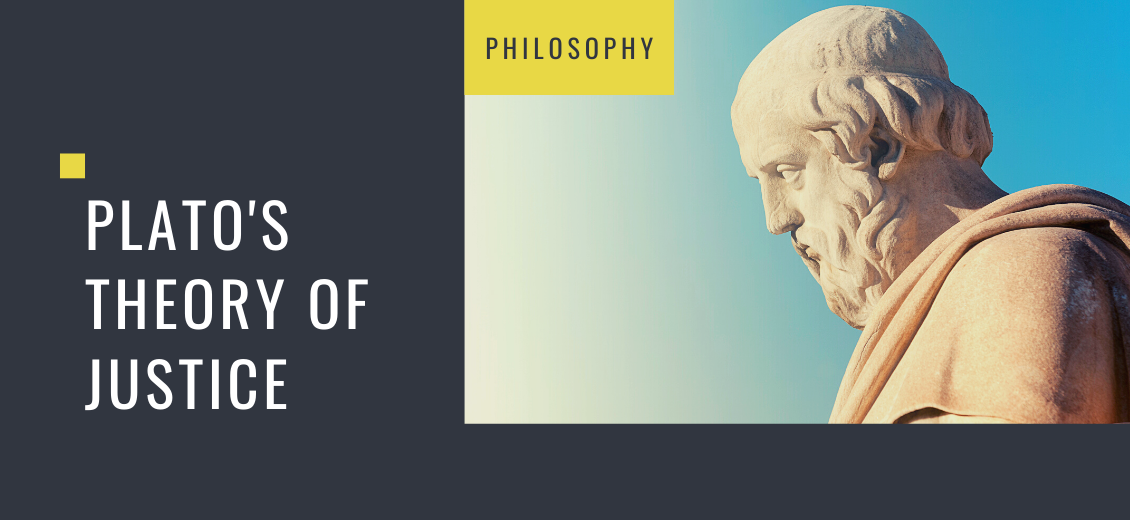
Plato’s inquiry into justice begins with the soul, but he quickly shifts his gaze to the “City-State” because he believes the macrocosm of the state is easier to analyze than the microcosm of the individual. He defines justice as “doing one’s own work and not meddling with what is not one’s own.” In a brand ecosystem, this is the ultimate blueprint for operational integrity.
The Tripartite Soul of a Business
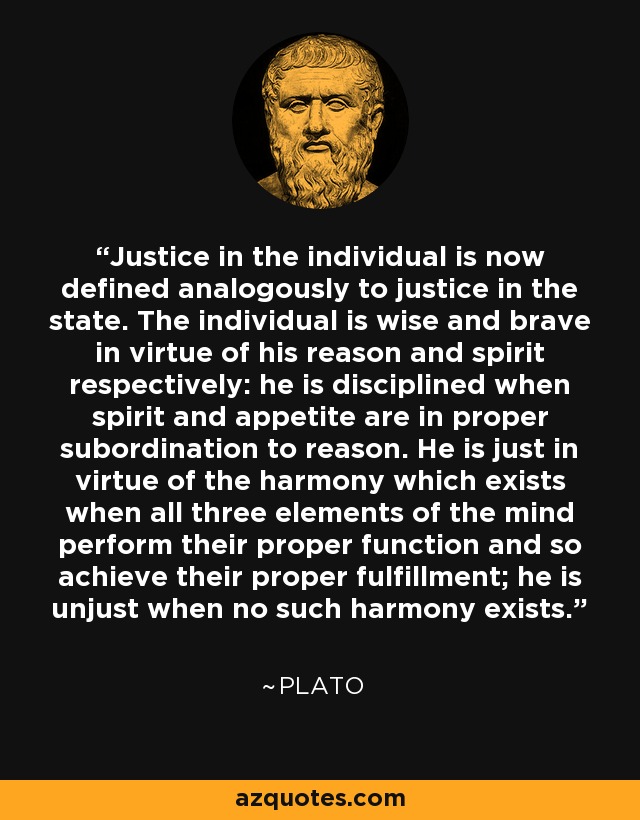
Plato argued that the human soul (and by extension, the state) consists of three parts: Reason, Spirit, and Appetite. In a “just” soul, Reason rules, supported by Spirit, to keep Appetite in check.
A brand’s corporate identity functions in much the same way. The Reason of a brand is its core mission and strategic vision—the “Why” behind its existence. The Spirit is the brand’s culture, its courage to innovate, and its emotional resonance with the public. The Appetite represents the brand’s drive for profit, market expansion, and resource acquisition.
Justice, in a branding sense, occurs when the mission (Reason) dictates the direction of the company. When Appetite (the drive for quarterly profits) begins to override Reason (the brand’s long-term value and promise), the brand becomes “unjust.” This misalignment leads to brand erosion, where short-term gains are prioritized over the integrity of the brand’s identity, eventually resulting in a loss of consumer trust.
The Specialization Principle in Modern Marketing
Plato’s “Specialization Principle” suggests that every person has a specific role to which they are best suited. When everyone fulfills their role without interference, the state achieves a state of Dikaiosyne—justice.
In brand strategy, this translates to the harmony of the “Brand Experience.” If the marketing department makes promises that the product development team cannot fulfill, or if the customer service department operates under values that contradict the executive leadership’s vision, the brand is in a state of injustice. A just brand is one where the visual identity, the product quality, and the corporate culture are all telling the same story. This internal consistency is the foundation of brand authenticity, ensuring that the brand remains “true to itself” across every touchpoint.
The Ideal Brand Identity: Transcendence Over Trends
Central to Plato’s philosophy is the “Theory of Forms,” which posits that the physical world is merely a shadow of a higher, unchanging reality. For a brand strategist, this theory offers a powerful lens through which to view corporate identity. Most brands live in the world of “shadows”—reacting to trends, mimicking competitors, and chasing the latest social media algorithms.
Escaping the Cave of Superficial Aesthetics
Plato’s famous Allegory of the Cave describes prisoners who mistake shadows on a wall for reality. In the world of branding, these shadows represent superficial aesthetics and performative marketing. Many brands invest millions in a new logo or a flashy advertising campaign (the shadows) without ever addressing the substance of their identity (the reality).
Justice for a brand involves moving out of the cave. It requires a brand to look inward and discover its “Form”—its immutable purpose. A brand that understands its Platonic Form does not need to pivot every time a new trend emerges. Instead, it maintains a consistent identity that transcends market fluctuations. This is the difference between a “trendy” brand and an “iconic” brand. An iconic brand, like Apple or Patagonia, has found its Form; its justice lies in its refusal to be anything other than what it inherently is.
Truth as the Foundation of Brand Trust
According to Plato, justice is inextricably linked to truth. In the Republic, he discusses the “noble lie,” but he ultimately argues that the health of the state depends on the pursuit of the Good. For a modern brand, “the Good” is the value it provides to its community and stakeholders.
Injustice occurs when there is a gap between a brand’s “Projected Identity” and its “Actual Identity.” This gap is where brand crises are born. Whether it is a greenwashing scandal or a data privacy breach, these failures are instances of Platonic injustice—the brand was not what it claimed to be. To achieve Platonic justice, a brand must ensure that its external marketing is a transparent reflection of its internal reality. Truth is not just an ethical choice; it is a strategic necessity for long-term brand equity.
The Philosopher King as CEO: Leadership and Ethical Governance
Plato famously proposed that a state could only be just if it were ruled by “Philosopher Kings”—leaders who do not seek power for its own sake but are driven by a love of wisdom and the pursuit of the Good. In the corporate world, this elevates the role of the CEO from a mere administrator to a steward of the brand’s soul.
Wisdom-Driven Decision Making
The “Philosopher King” CEO is one who understands that a brand is more than a balance sheet. They recognize that the brand’s identity is its most valuable asset and that every decision must be filtered through the lens of the brand’s core values. This leader practices “intellectual justice” by considering the long-term impact of their decisions on the brand’s integrity rather than focusing solely on immediate gratification.
When a brand leader makes a difficult choice—such as pulling a profitable product because it no longer aligns with the brand’s ethical standards—they are acting as a Platonic guardian. They are protecting the “justice” of the organization by ensuring that the Appetite of the company remains subordinate to its Reason.
Justice as the Soul of Corporate Social Responsibility (CSR)
For Plato, justice is the virtue that makes all other virtues possible. In contemporary business, we see this play out in Corporate Social Responsibility (CSR). However, Plato would argue that justice is not something you “add on” to a brand through a charitable donation or a one-off campaign.
Instead, justice must be the “soul” of the brand. A brand that practices Platonic justice does not view CSR as a marketing tactic but as a natural extension of its identity. If a brand’s purpose is to “empower the world’s creators,” then every action it takes—from its supply chain labor practices to its software accessibility—must reflect that empowerment. Justice is the systemic integration of values into the very fabric of the brand strategy.
Implementing Platonic Justice in Your Brand Strategy
Achieving a “just” brand requires more than a mission statement; it requires a rigorous, ongoing audit of the brand’s alignment and purpose. To apply Plato’s definition of justice to a modern corporate identity, strategists must move beyond the surface level and engage with the foundational elements of the business.
Auditing for Authenticity
The first step toward Platonic justice is the “Authenticity Audit.” This process involves peeling back the layers of marketing and sales to see if the core of the brand is still intact.
- Is the brand “doing its own work?” Are you trying to occupy a market space that doesn’t fit your core competencies?
- Is there harmony between the parts? Is your internal culture a reflection of your external brand promise?
- Is Reason in control? Are your strategic goals driven by your mission, or is the “Appetite” for growth leading the brand into territories that compromise its integrity?
By asking these questions, brand managers can identify areas of “injustice”—points of friction where the brand is being dishonest with itself or its audience.
Balancing the Interests of Stakeholders
Finally, Plato’s justice is about the balance of the whole. A brand does not exist in a vacuum; it exists in an ecosystem of customers, employees, investors, and society at large. A “just” brand strategy is one that creates value for all these groups without exploiting one for the benefit of another.
This is the ultimate expression of brand integrity. When a brand achieves this state of balance, it becomes resilient. It gains a level of trust that allows it to weather storms and navigate changes in the market. In the Platonic sense, justice is the health of the brand. It is the internal order that allows the brand to flourish, to fulfill its purpose, and to leave a lasting impact on the world.
In conclusion, “What is justice according to Plato?” is a question that leads us directly to the heart of brand strategy. It is the pursuit of harmony, the commitment to truth, and the discipline of staying true to one’s purpose. In an age of skepticism and rapid change, the brands that survive and thrive will be those that embrace this ancient wisdom, building identities that are not just profitable, but fundamentally just.
aViewFromTheCave is a participant in the Amazon Services LLC Associates Program, an affiliate advertising program designed to provide a means for sites to earn advertising fees by advertising and linking to Amazon.com. Amazon, the Amazon logo, AmazonSupply, and the AmazonSupply logo are trademarks of Amazon.com, Inc. or its affiliates. As an Amazon Associate we earn affiliate commissions from qualifying purchases.