
The essence of any compelling brand lies in the intrinsic quality and unique character of its product. For white wine, understanding its composition goes beyond mere ingredients; it’s about deciphering the foundational elements that build a distinct corporate identity, inform marketing strategies, and ultimately shape consumer perception. The journey from grape to glass is a masterclass in product development, where every choice in raw material and process directly contributes to the brand story, market positioning, and perceived value.
The Grape: The Foundation of Brand Distinction
At its core, white wine begins with grapes. However, it’s not simply “grapes” but specific varieties that dictate the fundamental flavor profile, aromatic complexity, and textural nuances that define a particular white wine brand. The selection of grape variety is perhaps the most critical branding decision, as it immediately communicates a set of expectations to the consumer.

Varietal Identity and Market Positioning
Each white grape varietal carries a distinct identity, cultivated over centuries and refined through viticultural practices.
- Chardonnay: Often referred to as the “winemaker’s grape,” Chardonnay’s versatility allows it to express a wide spectrum of styles, from crisp, unoaked expressions evoking green apple and citrus (often seen in Chablis, a prime example of regional brand identity) to rich, buttery, oak-aged wines showcasing notes of vanilla, toast, and tropical fruit. This adaptability allows Chardonnay-based brands to target diverse market segments, from premium, age-worthy offerings to accessible, fruit-forward wines. The brand strategy often revolves around either emphasizing its terroir-driven purity or its opulent, oak-influenced character.
- Sauvignon Blanc: Known for its vibrant acidity and herbaceous notes, often described as gooseberry, passionfruit, or green pepper, Sauvignon Blanc carves a niche for refreshing, aromatic wines. Iconic regional brands like Sancerre and Pouilly-Fumé from the Loire Valley, or the distinctive Marlborough Sauvignon Blanc from New Zealand, have built their global recognition almost entirely on the varietal’s signature profile. Their marketing focuses on crispness, aromatic intensity, and suitability for specific culinary pairings or occasions.
- Riesling: Ranging from bone-dry to lusciously sweet, Riesling is celebrated for its purity of fruit, high acidity, and remarkable aging potential. Its branding often emphasizes elegance, versatility, and a unique capacity to reflect its vineyard site (terroir). German and Alsatian Rieslings, for example, leverage their strong regional identities and long-standing traditions to convey authenticity and quality.
- Pinot Grigio/Gris: This varietal offers two distinct branding pathways. Italian Pinot Grigio is typically light, dry, and crisp with subtle almond and citrus notes, positioning itself as an easy-drinking, approachable wine. Conversely, Alsatian Pinot Gris tends to be richer, fuller-bodied, and often with a hint of sweetness, appealing to consumers seeking a more complex and textural experience. These different expressions allow brands to cater to distinct consumer preferences and market segments.
- Other Notable Varieties: Viognier, with its aromatic profile of apricot and floral notes; Gewürztraminer, known for its exotic lychee and rose petal aromas; and Chenin Blanc, offering incredible range from sparkling to sweet dessert wines, all contribute to the rich tapestry of white wine brands, each carving out its unique space through distinct sensory characteristics.
The selection of grape variety is not just about taste; it’s about defining the brand’s promise, its unique selling proposition, and its cultural association. A brand built on a specific varietal must consistently deliver on the expectations associated with that grape to maintain consumer trust and loyalty.
The Winemaking Process: Shaping Identity Through Craft
While the grape provides the raw material, the winemaking process is where the brand’s distinct personality is truly forged. From fermentation to aging, every decision by the winemaker significantly impacts the wine’s style, quality, and ultimately, its market identity. These processes are critical elements of a brand’s corporate identity, reflecting its philosophy and approach to quality.
Fermentation: The Genesis of Style
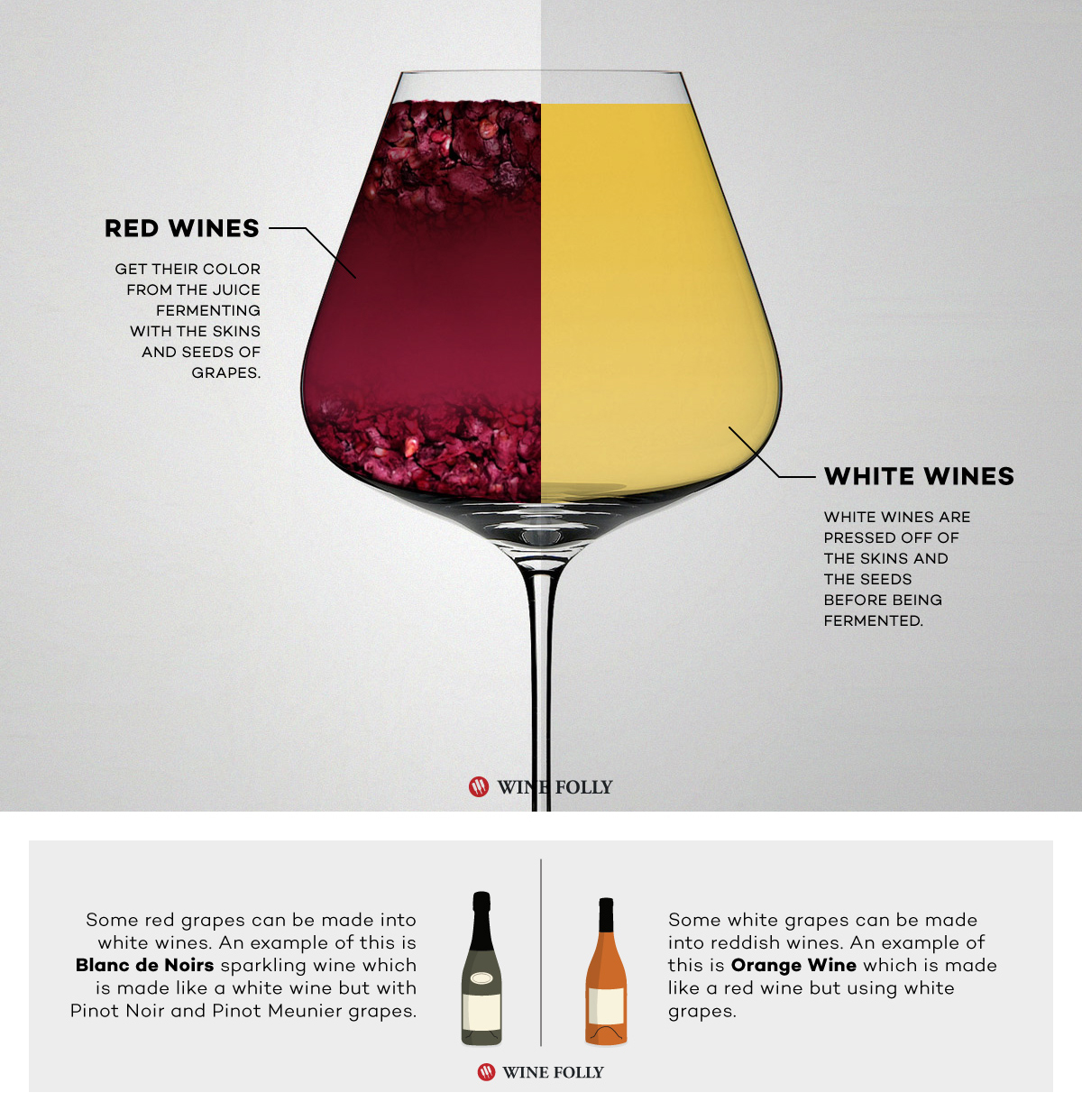
Fermentation, the conversion of grape sugars into alcohol by yeast, is a pivotal stage. The type of vessel, temperature control, and yeast strains all play a crucial role in shaping the final product.
- Stainless Steel vs. Oak Barrels: Fermenting in inert stainless steel tanks preserves fresh fruit flavors and crisp acidity, a hallmark of many modern, bright white wines. This approach often supports brands that prioritize purity of fruit and freshness, aligning with a clean, contemporary aesthetic. Conversely, fermentation in oak barrels (especially new oak) imparts flavors of vanilla, toast, and spice, adding complexity and richness. This method is central to brands aiming for a more traditional, luxurious, or age-worthy profile, often associated with premium positioning.
- Temperature Control: Cooler fermentation temperatures prolong the process, enhancing aromatic development and retaining delicate volatile compounds, crucial for highly aromatic varietals like Riesling and Sauvignon Blanc. Brands leveraging this technique emphasize the wine’s expressive bouquet and finesse.
- Malolactic Fermentation (MLF): This secondary fermentation converts sharp malic acid into softer lactic acid, often contributing a creamy texture and buttery notes. While often avoided in crisp whites, it’s a signature technique for many Chardonnays, where it contributes to a richer, fuller-bodied brand identity. The presence or absence of MLF can be a key differentiator in a brand’s portfolio.
Aging and Maturation: Refining the Brand Message
The period following fermentation, where the wine matures before bottling, offers further opportunities to refine its character and reinforce its brand positioning.
- Aging in Oak: Oak aging, particularly in French or American oak barrels, is a powerful tool for shaping a white wine’s brand. It adds flavors, aromas (e.g., vanilla, clove, coconut), and tannins, contributing to complexity, structure, and perceived quality. The choice of oak type, toast level, and duration of aging are deliberate decisions that define the “house style” of a brand, influencing its price point and target demographic. Brands might highlight their use of specific, high-quality oak as a testament to their commitment to excellence.
- Aging on Lees: “Sur lie” aging, where the wine remains in contact with spent yeast cells (lees), can impart richness, texture, and notes of bread or brioche. This technique adds layers of complexity, often utilized by premium brands aiming for a more sophisticated and nuanced profile, as seen in many high-end Chardonnays and Muscadets.
- Bottle Aging: Some white wines are crafted with the intention of developing in the bottle over time, gaining complexity and tertiary aromas. Brands that focus on age-worthy wines often emphasize this aspect, positioning their products as investments or collector’s items, appealing to a connoisseur market. This strategy speaks to patience, tradition, and superior quality.
Terroir and Regionality: Branding Through Origin
The concept of terroir—the unique combination of soil, climate, topography, and human practices—is perhaps the most powerful branding element in the wine world. It asserts that a wine from a specific place has a unique character that cannot be replicated elsewhere, providing an exclusive corporate identity and a strong marketing narrative.
Geographical Indications and Protected Designations
Appellations like DOC (Italy), AOC (France), AVA (USA), and WO (South Africa) are legal frameworks that protect the origin and production methods of wines, effectively creating powerful regional brands.
- Champagne: This is arguably the most famous example of a geographical brand that transcends mere product. “Champagne” refers exclusively to sparkling wine produced in the Champagne region of France, following strict rules. Its name evokes luxury, celebration, and uncompromising quality, a brand identity meticulously built and fiercely protected.
- Chablis: A sub-region of Burgundy, Chablis has branded itself on its unique Kimmeridgian marl soil, which imparts a distinct mineral, flinty character to its unoaked Chardonnays. The Chablis brand is synonymous with crispness, purity, and a profound sense of place.
- Marlborough Sauvignon Blanc: While a varietal, “Marlborough” has become a brand in itself, instantly recognizable for its pungent, vibrant, and tropical Sauvignon Blanc style. This regional identity has propelled New Zealand’s wine industry onto the global stage.
- Mosel Riesling: The steep slate vineyards along the Mosel river in Germany produce Rieslings renowned for their delicate balance of sweetness and searing acidity, often with distinctive slate-driven minerality. The “Mosel” brand is tied to this specific geographical signature and the tradition of crafting elegant, long-lived wines.
These regional brands leverage their heritage, specific environmental conditions, and traditional winemaking techniques to create a story of authenticity and uniqueness. Marketing efforts often highlight the landscape, the history, and the people behind these wines, creating a deep connection with consumers seeking genuine, place-driven experiences.
Quality and Consistency: The Pillars of Brand Trust
Ultimately, what white wine is made of, and how it is made, directly impacts its quality and consistency—two non-negotiable pillars of brand trust and loyalty.
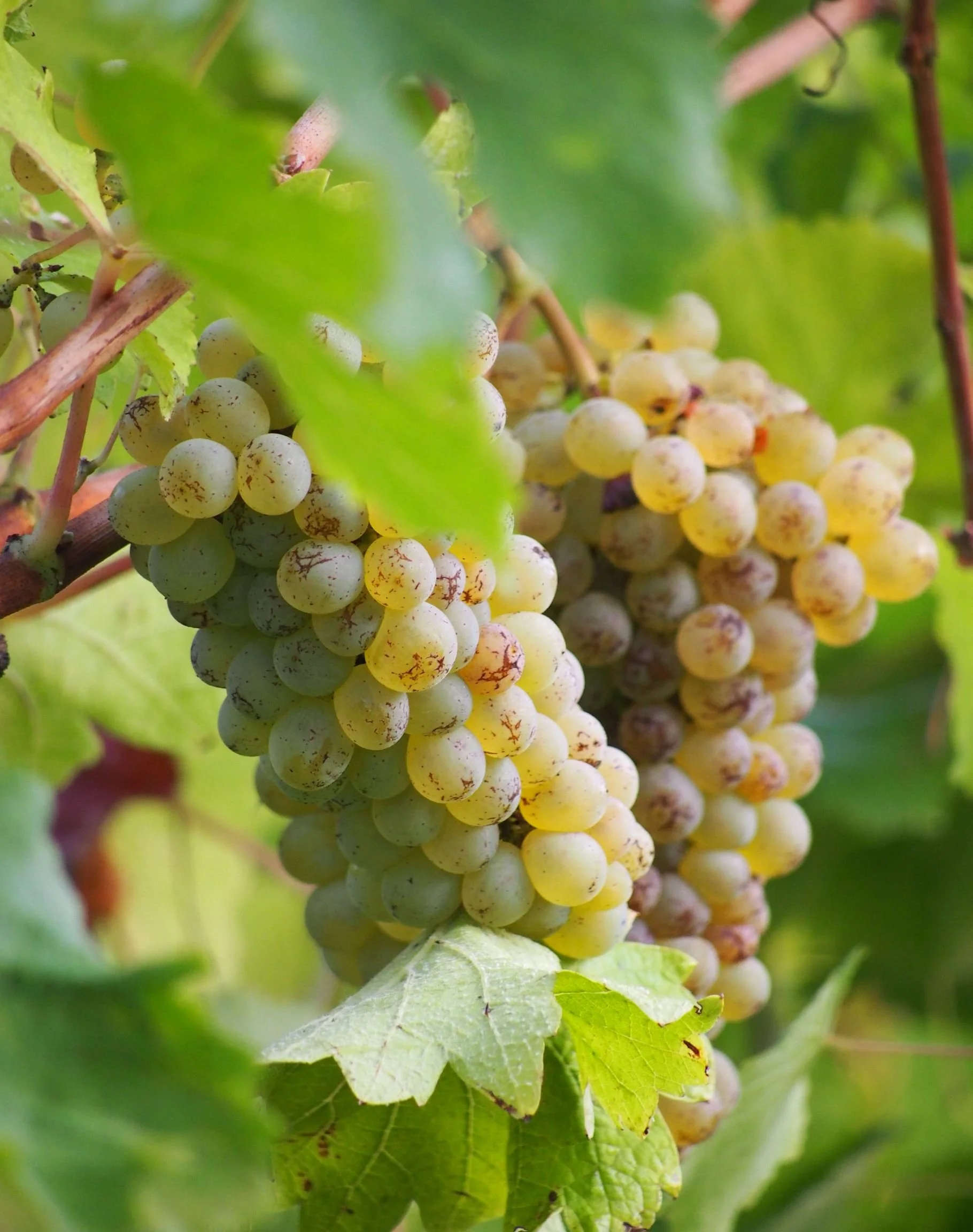
- Grape Sourcing: A brand committed to quality will meticulously source its grapes, whether from its own vineyards or through trusted growers. Consistency in grape quality year after year is vital for maintaining the brand’s expected flavor profile and standard.
- Winemaking Expertise: The skill and philosophy of the winemaker are integral to translating the raw materials into a consistent, high-quality product. A brand’s reputation is built on its ability to deliver the same level of excellence vintage after vintage.
- Quality Control: Rigorous quality control throughout the entire process, from vineyard management to bottling, ensures that every bottle bearing the brand’s label meets its stringent standards. This protects the corporate identity and safeguards consumer expectations.
A brand’s long-term success hinges on its ability to consistently deliver on its promise. When consumers know exactly what to expect from a particular white wine brand – whether it’s the crisp zest of a Sauvignon Blanc, the buttery richness of an oak-aged Chardonnay, or the elegant minerality of a Mosel Riesling – they build trust. This trust is the ultimate dividend of a well-defined product crafted with care, where every ingredient and process decision is a strategic move in building a powerful and enduring brand. The story of what white wine is made of is, therefore, the very foundation upon which its brand identity is built, marketed, and experienced.
aViewFromTheCave is a participant in the Amazon Services LLC Associates Program, an affiliate advertising program designed to provide a means for sites to earn advertising fees by advertising and linking to Amazon.com. Amazon, the Amazon logo, AmazonSupply, and the AmazonSupply logo are trademarks of Amazon.com, Inc. or its affiliates. As an Amazon Associate we earn affiliate commissions from qualifying purchases.