
The global protein supplement market is no longer a niche corner of the fitness world; it is a multi-billion dollar juggernaut that anchors the broader health and wellness economy. To the average consumer, “what whey protein is made out of” is a question of nutrition and muscle recovery. To the savvy investor and the corporate strategist, however, the answer lies in the complex intersection of dairy industrial byproducts, advanced filtration technology, and high-margin commodity processing.
At its core, whey protein is a triumph of industrial efficiency—a story of how the dairy industry transformed a problematic waste product into one of the most profitable commodities in the food and beverage sector. Understanding the composition of whey protein through the lens of business and finance reveals the intricate supply chains and technological investments that drive this global industry.

The Industrial Origin: Converting Dairy Waste into a Liquid Asset
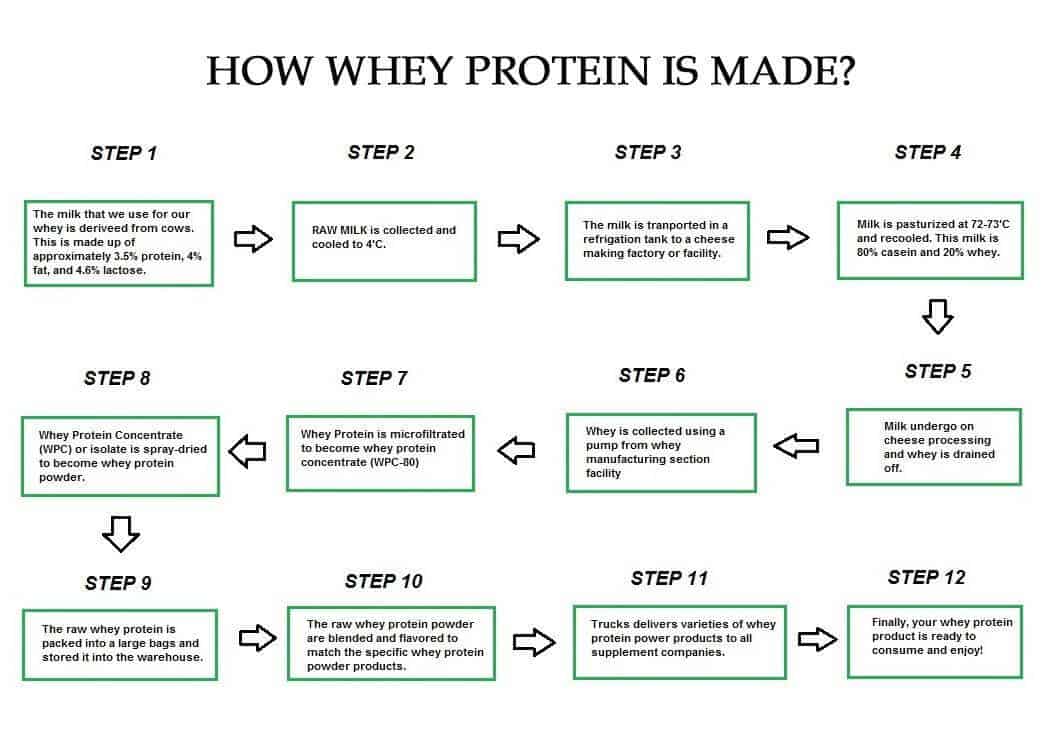
To understand what whey protein is made of from a business perspective, one must first look at the economics of cheese production. Traditionally, whey was the “problem child” of the dairy world. For every ten pounds of milk used to make cheese, approximately nine pounds of liquid whey are produced as a byproduct. Historically, this liquid was discarded or used as low-value animal feed.
The Transformation of Raw Liquid Whey
Liquid whey is composed of approximately 93% water, with the remaining solids consisting of lactose, minerals, and a small fraction of high-quality proteins (primarily beta-lactoglobulin and alpha-lactalbumin). The financial breakthrough occurred when dairy processors realized that these proteins, though present in small quantities, possessed a biological value far exceeding the cheese from which they were separated.
Today, the “raw material” of whey protein is this liquid byproduct. The process of turning this dilute liquid into a shelf-stable, high-margin powder requires massive capital expenditure in the form of industrial-scale dehydration and filtration plants. From a financial standpoint, what whey protein is “made of” is essentially the concentrated essence of milk’s most functional components, extracted through a rigorous industrial process that adds significant value at every stage.
The Role of Scale in Commodity Pricing
Because whey is a byproduct, its supply is inextricably linked to the global demand for cheese. This creates a unique market dynamic where the “raw material” cost for whey protein manufacturers is often subsidized by the primary revenue stream of cheese sales. However, the cost of processing—the “make” of the protein—is heavily dependent on energy prices and technological efficiency. Large-scale players who can process millions of gallons of liquid whey daily achieve economies of scale that smaller artisanal producers simply cannot match, dictating the floor price for the global protein market.
The Economics of Extraction: Filtration Technology and Margin Expansion
When analyzing what whey protein is made of, the distinction between different grades—Concentrate, Isolate, and Hydrolysate—is less about nutrition and more about the degree of industrial processing and the resulting profit margins. Each step of refining the raw material represents an increase in the product’s terminal value.
Whey Protein Concentrate (WPC): The High-Volume Anchor
Whey Protein Concentrate is the first major stage of the extraction process. By using ultrafiltration—a process where liquid whey is pushed through semi-permeable membranes—processors can remove a significant portion of the lactose and minerals. WPC typically ranges from 35% to 80% protein content.
From a business finance perspective, WPC 80 is the “gold standard” for mass-market supplements. It offers a balance between production cost and protein density, allowing brands to maintain competitive pricing while providing a functional product. The “ingredients” here are the protein fractions preserved through low-temperature processing, which maintains the protein’s structural integrity—a key selling point that justifies a premium over lower-grade milk powders.
Whey Protein Isolate (WPI): The Premium Alpha
As the filtration process becomes more intense, moving into cross-flow microfiltration or ion exchange, the resulting product becomes Whey Protein Isolate. WPI is made of over 90% protein, with almost all fats and lactose removed.
For a brand, WPI represents a “premiumization” strategy. The cost of production is higher due to the energy-intensive filtration and lower yield from the raw material, but the market price for Isolate is significantly higher. This allows companies to target a more affluent demographic—individuals with lactose sensitivity or those willing to pay a premium for “purity.” In the portfolio of a nutrition company, WPI is the high-margin asset that offsets the tighter margins of entry-level concentrates.

Hydrolyzed Whey: The Value of Pre-Digestion
Hydrolyzed whey is made by treating the protein with enzymes that break down the long chains of amino acids into smaller peptides. This mimics the digestive process, allowing for faster absorption. In the financial ecosystem, this is a “specialty chemical” play. By adding an enzymatic processing step, manufacturers can charge a massive markup, marketing the product to elite athletes and clinical nutrition providers. The “value-add” here is the time saved in digestion, a concept that consumers are increasingly willing to finance.
Global Supply Chain Dynamics and Market Volatility
What whey protein is made of is also a reflection of global agricultural policy and trade. Because the raw material is liquid milk, the entire protein industry is sensitive to fluctuations in dairy farming, feed costs, and international trade agreements.
Cattle Futures and Raw Material Costs
The price of a tub of whey protein in a retail store is a lagging indicator of cattle futures and the cost of corn and soy. When feed prices rise, the cost of producing the initial gallon of milk increases. For an investor, monitoring the “Crush Spread” in agriculture provides a preview of the margin pressure that protein supplement brands will face in the coming quarters.
Furthermore, the environmental impact of dairy farming has led to increased regulatory costs in regions like the European Union and New Zealand. These costs are baked into the “make” of the protein. Companies that have vertically integrated—owning both the dairy cooperatives and the processing facilities—have a significant competitive advantage in hedging against these price swings.
The Impact of Emerging Markets
As the middle class grows in regions like Asia and Latin America, the demand for “functional foods” has skyrocketed. Whey protein is no longer just for bodybuilders; it is being integrated into infant formula, elderly nutrition products, and “better-for-you” snacks. This diversification of use-cases has stabilized the demand side of the equation. What whey protein is made of—essential amino acids—is now viewed as a critical component of global food security and wellness, making the companies that control the extraction technology attractive targets for mergers and acquisitions.
Investment Opportunities in the Whey Protein Ecosystem
For those looking to capitalize on the growth of this sector, it is essential to distinguish between the commodity producers and the brand owners. Both play a role in what whey protein is made of, but their financial profiles are vastly different.
Ingredient Manufacturers vs. Consumer Brands
The heavy lifters are the ingredient manufacturers—companies like Glanbia, Leprino Foods, and Fonterra. These giants own the “stainless steel”—the massive filtration plants that actually create the whey powder. Their business is one of volume, efficiency, and B2B contracts. They are the backbone of the industry, and their stock performance is often tied to industrial output and commodity pricing.
On the other side are the consumer-facing brands. These companies do not “make” the protein in the physical sense; they buy it from the manufacturers, add flavoring, branding, and marketing, and sell it at a retail markup. The value here is in “Brand Equity.” For a consumer brand, what whey protein is made of is a secondary concern to how it is perceived. Their “make” is their marketing spend and distribution network.
The Rise of Precision Fermentation and Synthetic Biology
The most significant disruption to the “what is it made of” question is the emergence of lab-grown or “animal-free” whey. Using precision fermentation, companies are now “programming” yeast or fungi to produce identical whey protein fractions (like beta-lactoglobulin) without the need for a single cow.
From a venture capital perspective, this is the frontier. If the “raw material” moves from a cow to a bioreactor, the entire economic structure of the dairy industry could shift. Investors are pouring billions into these technologies because they promise a more stable, ethical, and potentially cheaper “make” in the long run. Identifying which of these startups can scale their “animal-free” whey to compete with the industrial efficiency of traditional dairy is the current “holy grail” of the food-tech investment world.
The Future of Protein as a Financial Asset
Whey protein has evolved from a waste product to a sophisticated industrial commodity that powers a global wellness economy. When we ask what it is made of, we are looking at a complex tapestry of dairy science, high-end engineering, and global market forces.
For the business professional, whey protein represents a masterclass in value extraction. It proves that with the right technology and market positioning, even a byproduct can become a primary driver of corporate growth. As the world moves toward more sustainable and technologically advanced food systems, the definition of what whey is “made of” will continue to evolve, but its status as a vital, high-value asset in the global marketplace remains undisputed. Understanding this “composition” is essential for anyone looking to navigate the lucrative waters of the modern food and beverage industry.
aViewFromTheCave is a participant in the Amazon Services LLC Associates Program, an affiliate advertising program designed to provide a means for sites to earn advertising fees by advertising and linking to Amazon.com. Amazon, the Amazon logo, AmazonSupply, and the AmazonSupply logo are trademarks of Amazon.com, Inc. or its affiliates. As an Amazon Associate we earn affiliate commissions from qualifying purchases.