
The Core Technology Behind Uber WAV
Uber WAV, an acronym for Wheelchair Accessible Vehicle, represents a pivotal technological stride in inclusive urban mobility. At its heart, WAV is not merely a service but a sophisticated integration of specialized vehicle fleets into Uber’s expansive ride-sharing platform, designed to cater specifically to riders using non-foldable wheelchairs or mobility scooters. This service leverages Uber’s existing technological infrastructure—its mapping, routing, and payment systems—while introducing critical adaptations to ensure accessibility and efficiency. The underlying technology prioritizes connecting individuals with mobility challenges to appropriate transportation, addressing a long-standing gap in on-demand services.

Defining Wheelchair Accessible Vehicles (WAV)
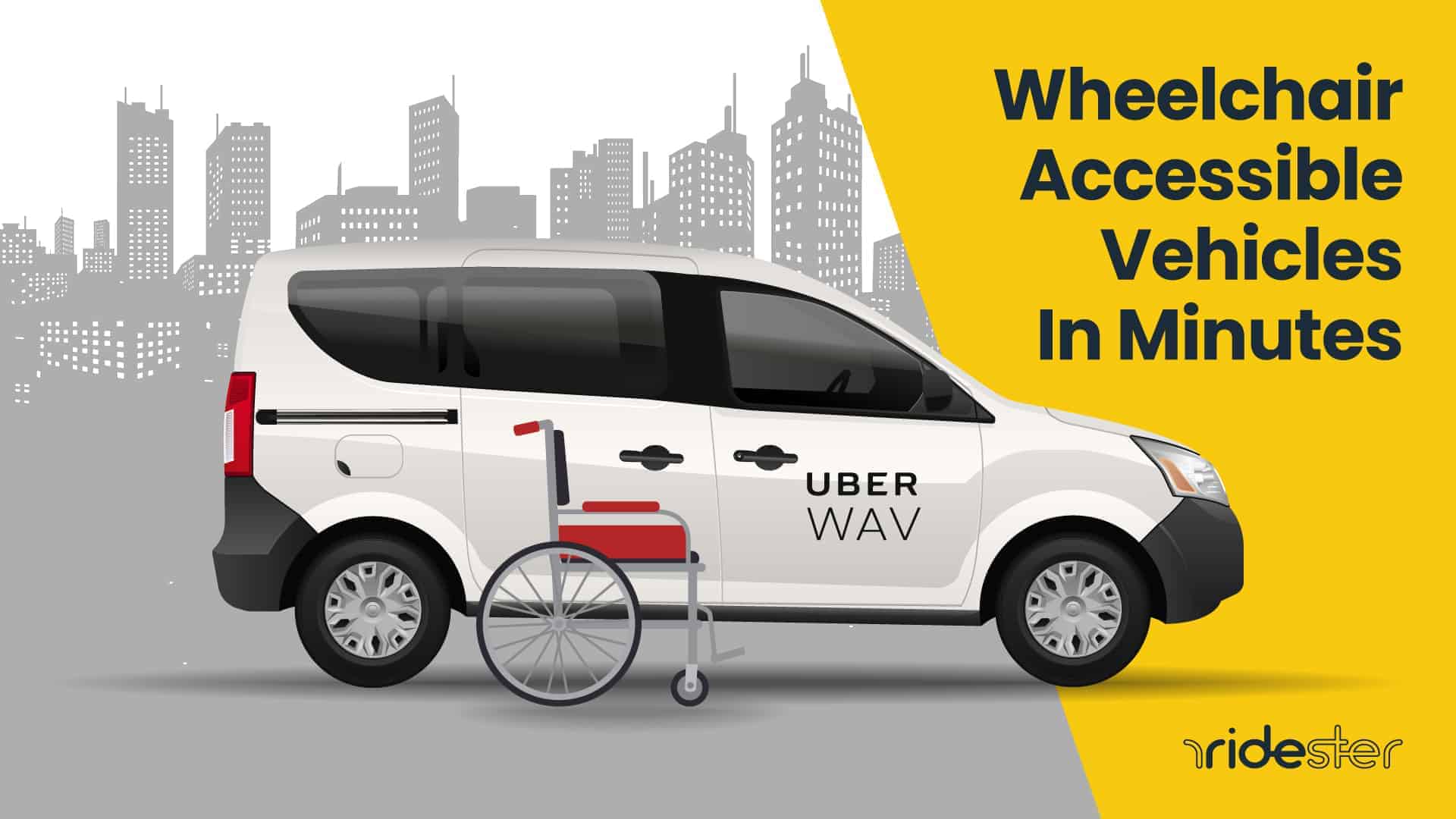
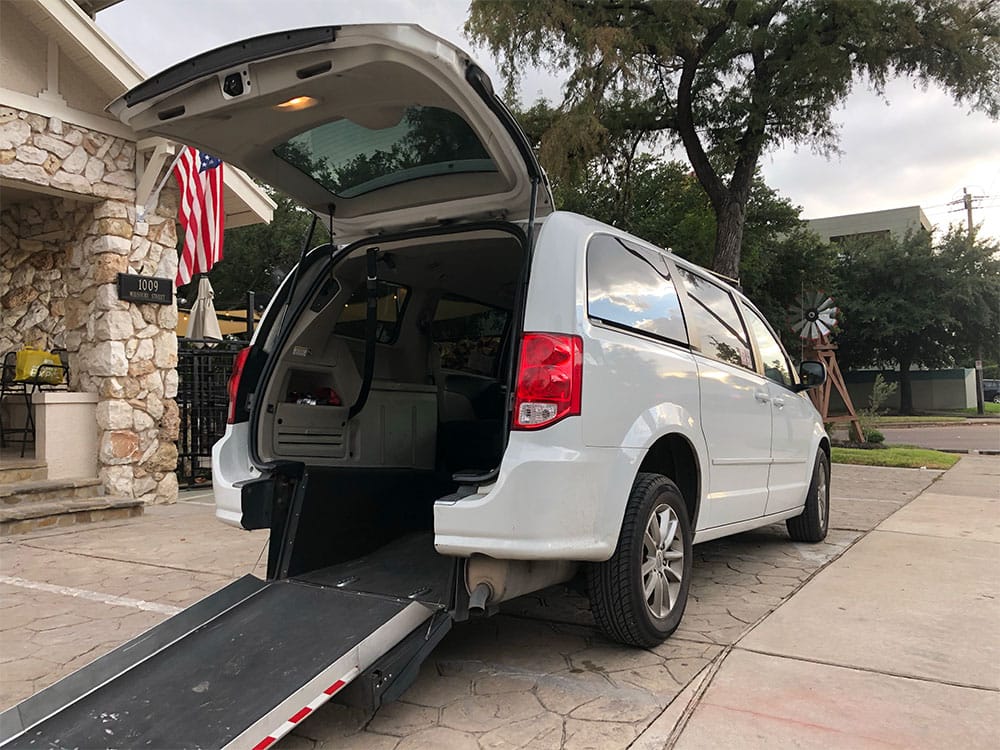
A Wheelchair Accessible Vehicle (WAV) is, by definition, a vehicle modified to safely transport passengers while they remain seated in their wheelchairs. These modifications typically include ramps (manual or automated), lifts, securement systems (tie-downs and occupant restraints), and often an elevated roof or lowered floor to provide adequate headroom. From a technological standpoint, integrating WAVs into a standard ride-sharing platform presents unique challenges. Unlike conventional vehicles, WAVs require specific attributes to be recognized and matched effectively within the system. Uber’s platform must identify these specialized vehicles, understand their capacity for different types of mobility aids, and factor in the additional time and space required for boarding and deboarding. This necessitates a robust digital inventory management system that accurately tracks the availability and specifications of each WAV driver partner.
Integrating Specialized Fleets into a Dynamic Platform
The technological marvel of Uber WAV lies in its ability to seamlessly integrate a niche, specialized fleet into a dynamic, high-volume ride-sharing ecosystem. This integration isn’t just about adding a new vehicle type; it involves developing dedicated algorithms and user interface components. When a rider requests a WAV, the Uber app doesn’t simply look for the closest available driver; it filters for drivers who are specifically certified and equipped with a WAV. This filtering process is critical, ensuring that the technology delivers on its promise of accessibility. The platform’s backend must manage a separate pool of WAV drivers, track their compliance with accessibility standards, and ensure their vehicles meet the necessary safety and modification criteria. This requires a dedicated system for driver onboarding, verification, and ongoing compliance checks, all managed through the Uber driver application and administrative dashboards. The technological framework supports not only the discovery of these vehicles but also their optimal deployment within geographical zones, adapting to real-time supply and demand for accessible transportation.
Real-time Matching Algorithms for Accessibility
The efficiency of Uber WAV hinges on sophisticated real-time matching algorithms tailored for accessibility. Unlike standard Uber rides where the primary criteria might be proximity and estimated time of arrival (ETA), WAV requests introduce additional parameters. The algorithm must prioritize WAV-equipped vehicles, consider their current availability, and calculate routes that are accessible (e.g., avoiding areas with known accessibility barriers if specified by the driver or rider, though this is less common in real-time routing). Furthermore, the system must account for potential longer pickup and drop-off times due to the loading and securing of wheelchairs, which impacts subsequent ride assignments and driver efficiency. Uber’s machine learning models are continuously refined to optimize these matches, striving to reduce wait times for WAV users while ensuring a viable operational model for drivers. This involves analyzing historical data on WAV request patterns, driver availability, and successful ride completions to improve prediction accuracy and matching efficacy, thereby enhancing the overall reliability of the service through data-driven technological improvements.
Rider Experience: Navigating Uber’s Accessibility Features
For riders requiring wheelchair accessible transportation, Uber WAV transforms the digital ride-hailing experience into an accessible and reliable service. The technology is designed to minimize friction, ensuring that ordering a WAV is as straightforward as requesting any other Uber ride, albeit with specialized options. This focus on user experience is paramount, acknowledging the additional planning and potential anxieties often associated with accessible transport. The app’s design emphasizes clarity, accessibility, and real-time communication, leveraging established UX principles to serve a unique user base.
Requesting a WAV Ride: A Step-by-Step Tech Guide
The process of requesting a WAV ride on Uber is a testament to intuitive interface design. Users initiate a ride request as they normally would, inputting their destination. Crucially, before confirming the ride, the app presents various vehicle options. Within this selection, “WAV” appears as a distinct category. Tapping on this option filters the available vehicles to only display those equipped for wheelchair access. The app then provides an estimated wait time and fare, which may differ from standard rides due to the specialized nature of the service and the smaller pool of available vehicles. Confirming the request then dispatches it to nearby WAV-certified drivers. Throughout this process, the app maintains a clear, legible interface, often incorporating accessibility features inherent to the mobile operating system, such as screen readers and adjustable text sizes, ensuring that the digital interaction itself is accessible.
App Interface for Accessibility: Beyond Standard Features
Uber’s commitment to accessibility extends beyond merely offering a WAV option; it’s reflected in subtle yet significant aspects of the app’s interface for riders. While the core UI remains consistent, the WAV service subtly integrates features that cater to the unique needs of its users. For instance, the communication tools within the app facilitate easy contact between rider and driver, allowing for clarification on specific accessibility needs or instructions for pickup points. Though not always explicitly labeled as “WAV-specific,” features like the ability to share trip status with trusted contacts, GPS tracking of the vehicle’s approach, and in-app messaging are critically important for riders who might benefit from additional layers of security and communication, providing peace of mind through technological transparency. The emphasis is on building trust and reliability through continuous updates to the app’s functionality, ensuring that all users, regardless of mobility, can navigate the digital environment with confidence.
Enhancing User Safety and Confidence Through Technology
Safety and confidence are paramount in accessible transportation. Uber WAV leverages multiple technological layers to enhance these aspects. Beyond the standard safety features like driver background checks and vehicle inspections, WAV services often entail additional driver training focusing on safe operation of ramps/lifts and securement procedures for wheelchairs. While this training isn’t directly an app feature, the app verifies that drivers have completed such training, ensuring that only qualified individuals can accept WAV requests. The real-time GPS tracking and ride-sharing features allow family members or caregivers to monitor the journey, providing an added layer of security. Furthermore, Uber’s rating and feedback system becomes an invaluable tool for continuous improvement in accessibility services. Riders can provide specific feedback related to accessibility, vehicle condition, and driver assistance, which helps Uber refine its WAV program and identify areas for technological enhancement or driver retraining, fostering a dynamic feedback loop that drives service quality and user confidence.
Driver Experience: Empowering Mobility Providers with Tech
For drivers, becoming an Uber WAV partner represents a specialized segment of the platform, requiring specific vehicle adaptations, training, and an understanding of the unique needs of riders with mobility challenges. Uber’s technology plays a crucial role in enabling drivers to efficiently offer this service, from registration to ride execution, ensuring that the platform supports both driver profitability and high service standards.
Vehicle and Equipment Specifications for WAV Drivers
The entry point for WAV drivers involves stringent vehicle and equipment specifications, all managed and verified through Uber’s digital systems. Drivers must possess a vehicle that is demonstrably wheelchair accessible, meeting specific criteria for ramps or lifts, securement systems, and interior space. Uber’s onboarding process includes checks to ensure compliance, often requiring drivers to upload documentation or photographic evidence of their vehicle’s modifications. This technological gatekeeping ensures that only appropriately equipped vehicles are registered for WAV services. The driver app itself may contain fields for drivers to update or confirm their vehicle’s accessibility features, ensuring that the platform’s database is always current and accurate, which is vital for effective rider-driver matching.
Specialized Training and App Functionality for WAV Operations
Beyond vehicle requirements, WAV drivers undergo specialized training, often focusing on safe operation of accessibility equipment, passenger assistance, and sensitivity towards individuals with disabilities. While the training itself might be in-person or online, its completion and certification are digitally recorded and managed within Uber’s driver profile system. The driver app is specifically configured to display WAV requests as a distinct category, ensuring drivers can easily identify and accept these rides. Furthermore, the app might offer prompts or reminders for best practices related to WAV operations, or even provide direct access to support resources within the app for specific questions related to accessibility equipment or passenger assistance during a trip. This integration of training verification and targeted app functionality streamlines the driver’s workflow and reinforces service quality.
The Role of Telematics in Maintaining Service Quality
Telematics, the integrated use of telecommunications and informatics for sending, receiving, and storing information via telecommunication devices in conjunction with impacting objects, plays a subtle but significant role in maintaining the quality of Uber WAV services. While not always explicit to the driver, Uber’s system can leverage telematics data (such as ride duration, routes taken, and driver behavior) in conjunction with rider feedback to monitor and refine the WAV experience. This data can help identify areas where drivers might need additional support or where the routing algorithms could be optimized for accessible routes. For instance, if a WAV ride consistently takes longer than estimated due to specific maneuvering requirements at pickup/drop-off, this data can inform future ETA predictions and even identify potential areas for infrastructure improvement. This continuous, data-driven feedback loop, powered by telematics and rider input, is crucial for the ongoing technological evolution and improvement of the Uber WAV service.
The Broader Impact of Uber WAV on Accessible Technology
Uber WAV is more than just a ride option; it represents a significant step in the broader landscape of accessible technology, pushing the boundaries of what on-demand services can offer to underserved populations. Its very existence challenges traditional notions of transportation accessibility, leveraging digital platforms to bridge gaps that conventional services often struggle to address efficiently.
Driving Inclusivity Through On-Demand Solutions
By offering WAV services, Uber demonstrates the power of technology to drive inclusivity. Traditionally, individuals requiring wheelchair-accessible transport often faced long wait times, limited availability, and higher costs from specialized services. Uber WAV disrupts this by integrating accessible options into a widely adopted, on-demand platform. This technological innovation democratizes access to reliable transportation, empowering individuals with mobility challenges to participate more fully in community life, access employment, healthcare, and social activities with greater spontaneity and independence. It showcases how digital platforms, originally designed for mass market appeal, can be adapted and refined to cater to critical niche needs, proving that inclusivity can be a scalable technological outcome.
Challenges and Technological Hurdles in Scalable Accessibility
Despite its successes, Uber WAV faces inherent challenges and technological hurdles in achieving widespread, scalable accessibility. A primary challenge is the limited supply of WAVs and certified drivers compared to standard vehicles. This often leads to longer wait times for riders in many areas. From a technological perspective, this requires sophisticated supply-side management within the app: incentivizing more drivers to adopt WAVs, optimizing driver placement, and potentially integrating with third-party accessible transportation providers through API partnerships to expand fleet availability. Another hurdle lies in urban infrastructure itself; even with a WAV, physical barriers at pickup/drop-off points can complicate the service. While the app can’t change physical infrastructure, future iterations could potentially incorporate crowdsourced data or city-provided data on sidewalk conditions or accessible entry points, allowing for more precise and accessible routing through advanced geospatial algorithms.
Future Directions: AI, IoT, and Adaptive Mobility
The future of Uber WAV, and accessible technology in general, lies in continuous innovation, particularly through advancements in AI, IoT, and adaptive mobility solutions. Artificial intelligence could further refine matching algorithms, not just for proximity, but by predicting demand more accurately, optimizing driver positioning based on anticipated WAV requests, and even learning individual rider preferences for specific types of WAVs or assistance. Internet of Things (IoT) devices within WAVs could provide real-time data on lift functionality, securement status, or internal cabin conditions, allowing for proactive maintenance and enhanced safety checks, all communicated back to the Uber platform. Furthermore, the concept of adaptive mobility could see Uber WAV integrating with other smart city initiatives, such as autonomous WAVs (once regulatory and safety standards are met) or dynamic routing that considers pedestrian accessibility features. These technological frontiers promise an even more seamless, efficient, and truly ubiquitous accessible transportation experience, continuously evolving Uber WAV beyond its current capabilities.
aViewFromTheCave is a participant in the Amazon Services LLC Associates Program, an affiliate advertising program designed to provide a means for sites to earn advertising fees by advertising and linking to Amazon.com. Amazon, the Amazon logo, AmazonSupply, and the AmazonSupply logo are trademarks of Amazon.com, Inc. or its affiliates. As an Amazon Associate we earn affiliate commissions from qualifying purchases.