
Understanding the trade-in value of your car is a crucial financial step for anyone considering a new vehicle purchase. It’s more than just a number; it’s a significant component of your overall financial strategy when transitioning from one car to another. This article delves into the intricacies of trade-in value, exploring how it’s determined, how to research it, strategies to maximize it, and the broader financial implications for your personal budget.
Understanding Trade-In Value: More Than Just a Number
At its core, the trade-in value is the amount a car dealership offers you for your current vehicle when you purchase a new or used car from them. This amount is then deducted from the price of your new purchase, reducing the total cost you finance or pay out-of-pocket. It’s essential to distinguish trade-in value from other common valuation terms:
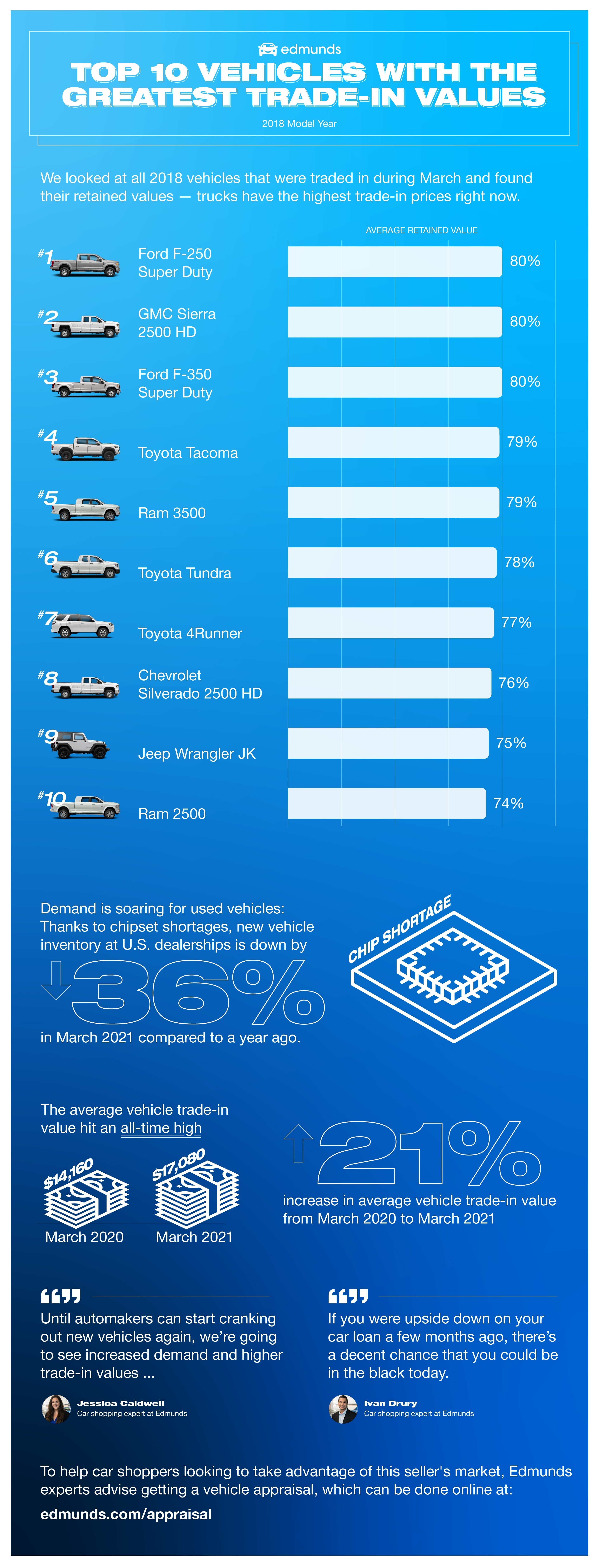
Defining Trade-In Value
Unlike the retail value (what a dealership sells a similar car for after reconditioning) or the private sale value (what you might get by selling your car directly to another individual), the trade-in value reflects the dealer’s acquisition cost. This value is typically lower than private sale prices because the dealership needs to factor in the costs of reconditioning the vehicle for resale, advertising, sales commissions, overhead, and a profit margin. They are essentially buying your car at a wholesale price.
Why Trade-In Value Matters
The trade-in value plays a pivotal role in personal finance for several reasons. Firstly, it offers unparalleled convenience. Instead of spending weeks or months listing your car, fielding inquiries, arranging test drives, and handling complex paperwork, a trade-in provides an immediate, hassle-free transaction. The dealership takes your old car off your hands, often managing the payoff of any existing loan, and applies its value directly to your new purchase.
Secondly, and often most significantly, are the potential tax benefits. In many states, sales tax is calculated only on the difference between the new car’s price and your trade-in value. For instance, if you buy a $30,000 car and trade in your old vehicle for $10,000, you would only pay sales tax on $20,000. This can result in substantial savings that sometimes make up for the lower gross offer compared to a private sale. Understanding these tax implications is vital for a comprehensive financial comparison.
Key Factors Influencing Your Car’s Trade-In Value
The trade-in value of your car isn’t arbitrary; it’s a dynamic figure influenced by a multitude of factors, each contributing to the dealer’s assessment of its market desirability and potential profitability.
Vehicle Condition and Maintenance
This is arguably the most critical factor. Dealerships evaluate both the cosmetic and mechanical condition of your car. A well-maintained vehicle with a clean interior, minimal exterior blemishes (scratches, dents), good tires, and sound mechanicals will fetch a higher trade-in value. Dealers assess reconditioning costs – the money they’ll have to spend to get your car ready for their lot – and deduct these from their offer. A comprehensive, documented service history proves you’ve taken care of the vehicle, instilling confidence in its reliability.
Mileage and Age
Generally, the lower the mileage and the newer the vehicle, the higher its trade-in value. High mileage often signals more wear and tear on components, potentially leading to higher maintenance costs for the next owner. Similarly, as cars age, their technology can become outdated, and their overall lifespan diminishes, affecting their appeal and value.
Make, Model, and Demand
Certain car makes and models hold their value better than others due to reputation for reliability, fuel efficiency, safety ratings, or brand loyalty. Market demand also plays a significant role. A popular model in high demand will command a better trade-in price than one with limited appeal, reflecting its easier resale potential for the dealership. Economic factors, fuel prices, and even seasonal trends can influence demand for specific vehicle types.
Optional Features and Trim Level
Premium trim levels, advanced technology packages (e.g., navigation systems, panoramic sunroofs, premium sound systems), or sought-after safety features (e.g., adaptive cruise control, blind-spot monitoring) can add significant value. These features enhance the desirability and perceived luxury of the vehicle, making it more attractive to potential buyers and, consequently, to dealerships.
Vehicle History Report
A clean vehicle history report (such as from CarFax or AutoCheck) is paramount. Any indication of major accidents, flood damage, salvage titles, or inconsistent ownership can drastically reduce trade-in value, often making the vehicle difficult for a dealer to resell. transparency about your car’s history is always the best financial approach.
Researching and Estimating Your Car’s Trade-In Value
Before you even step onto a dealership lot, conducting thorough research into your car’s trade-in value is essential. This empowers you with knowledge, ensuring you approach the negotiation from a position of strength.

Leveraging Online Valuation Tools
Several reputable online platforms offer detailed valuations for used vehicles. Kelley Blue Book (KBB.com), Edmunds.com, and NADAguides.com are industry standards. These tools allow you to input your car’s specific details—make, model, year, mileage, trim level, optional features, and condition—to generate estimated trade-in values based on current market data in your geographic area. Be honest and realistic about your car’s condition to get the most accurate estimate. These figures serve as an excellent starting point for your expectations.
Obtaining Multiple Dealer Quotes
Don’t rely on just one dealership’s offer. Visit several dealerships, including those for different brands, to solicit competitive trade-in offers. Some dealers specialize in certain types of used cars and might offer more for your specific model. This process not only provides you with a range of offers but also gives you leverage in negotiations. Even if you ultimately plan to buy from a specific dealer, having external offers demonstrates market value and strengthens your bargaining position.
Separate the Deals
A crucial financial strategy is to negotiate the price of the new vehicle independently of your trade-in. Dealerships often try to blend these two transactions, making it hard to discern if you’re getting a good deal on the new car or a fair value for your trade-in. Insist on agreeing on the price of the vehicle you’re buying first. Once that’s settled, then discuss your trade-in. This transparency ensures you understand exactly how much you’re paying for the new car and how much credit you’re receiving for your old one.
Strategies to Maximize Your Trade-In Value
While you can’t change your car’s age or mileage, there are several strategic financial and practical steps you can take to enhance its appeal and, consequently, its trade-in value.
Pre-Sale Preparation: The Minor Investments
A little effort can go a long way. Consider a professional detailing service, or dedicate time to thoroughly cleaning the interior and exterior yourself. Remove personal items, clean out the glove box and trunk, and ensure upholstery is stain-free. Address minor cosmetic issues like small scratches with touch-up paint or buffing compounds. Replace worn floor mats, ensure all lights are functional, and top off fluids. While costly major repairs are rarely advisable before a trade-in (as dealers can fix them for less), addressing minor, inexpensive fixes can significantly improve perception and signal a well-cared-for vehicle.
Gather All Documentation
Having a complete record of your car’s service history, original owner’s manuals, and both sets of keys demonstrates responsible ownership and provides peace of mind to the dealer. This can slightly boost your perceived value as it saves the dealer time and potential expense in acquiring these items. Organize these documents in a neat folder to present to the dealer.
Understand the Market Timing
The best time to trade in your car can sometimes depend on the season or broader market trends. For instance, converting sedans might be more desirable in spring, while SUVs or all-wheel-drive vehicles could fetch better prices in fall/winter. Keep an eye on new model releases; once a new generation of your car is released, the value of the older generation can dip. Timing your trade-in with end-of-month or end-of-quarter sales targets for dealerships might also offer some negotiation leverage.
Negotiation Tactics
Armed with your research from online valuation tools and multiple dealer quotes, you are prepared to negotiate. Be firm but polite. Present your research findings if the initial offer is significantly lower than expected. Highlight any recent maintenance, new tires, or desirable features that add value. Remember, the goal is to get a fair market trade-in value that contributes optimally to your new car purchase, leveraging any tax benefits in your favor. Be prepared to walk away if the offer doesn’t meet your financial expectations.
The Financial Decision: Trade-In vs. Private Sale
Deciding whether to trade in your car or sell it privately is a significant financial choice, each path presenting its own set of advantages and disadvantages.
Weighing Convenience Against Potential Profit
A private sale almost always yields a higher gross return than a trade-in. By cutting out the dealership’s profit margin and reconditioning costs, you can potentially put more money in your pocket. However, this comes at the cost of significant time and effort: creating listings, screening potential buyers, arranging test drives, haggling over price, handling paperwork (title transfer, bill of sale), and dealing with potential post-sale inquiries or liabilities. For many, the convenience and simplicity of a trade-in, even with a lower offer, outweigh the hassle and risks associated with a private sale.
Tax Benefits Reexamined
As mentioned, the sales tax advantage offered by trade-ins in many states can significantly bridge the gap between a private sale’s higher gross income and a trade-in’s net financial benefit. It’s crucial to calculate this tax saving and factor it into your decision. For example, if a private sale nets you $1,500 more than a trade-in, but the trade-in saves you $1,000 in sales tax, your net gain from a private sale is only $500, which might not be worth the extra effort.
Managing an Existing Loan
If you still owe money on your current car, a trade-in simplifies the process. The dealership will handle the payoff of your existing loan, rolling any positive equity (your car’s value exceeds the loan balance) into your new car purchase or adding any negative equity (you owe more than the car is worth) to your new loan. In a private sale, you would need to arrange to pay off the loan yourself before transferring the title, a process that can be complex and time-consuming, especially if you have negative equity.

Calculating the True Cost
Ultimately, the “best” option depends on your financial situation, available time, and comfort level with the selling process. Create a spreadsheet to compare the true financial impact of both scenarios:
- Trade-in: (New Car Price – Trade-In Value – Tax Savings)
- Private Sale: (New Car Price – Private Sale Net Proceeds + Estimated Time/Effort/Risk Cost)
By thoroughly evaluating all financial aspects, including the often-overlooked tax implications and the value of your time, you can make an informed decision that best serves your personal financial goals.
aViewFromTheCave is a participant in the Amazon Services LLC Associates Program, an affiliate advertising program designed to provide a means for sites to earn advertising fees by advertising and linking to Amazon.com. Amazon, the Amazon logo, AmazonSupply, and the AmazonSupply logo are trademarks of Amazon.com, Inc. or its affiliates. As an Amazon Associate we earn affiliate commissions from qualifying purchases.