
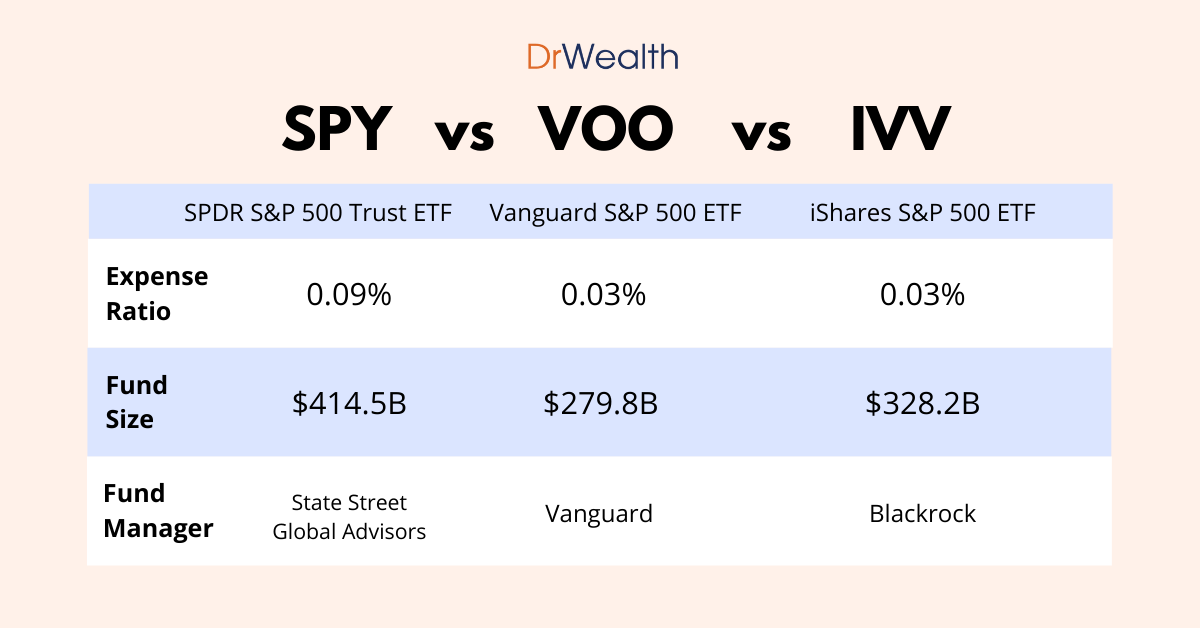
In the world of personal finance and long-term wealth building, few acronyms carry as much weight as VOO. For the uninitiated, VOO is the ticker symbol for the Vanguard S&P 500 ETF, an exchange-traded fund that has become a cornerstone of millions of investment portfolios worldwide. Since its inception in 2010, it has grown into one of the largest and most liquid investment vehicles on the planet. But to understand VOO is to understand the very philosophy of passive indexing—a strategy that prioritizes low costs, broad market exposure, and the historical resilience of the American economy.
Understanding the Fundamentals of VOO
At its core, VOO is designed to track the performance of the S&P 500 Index. This index represents approximately 500 of the largest, most stable publicly traded companies in the United States. When you buy a single share of VOO, you are not betting on a single company; instead, you are buying a tiny slice of the five hundred most influential corporations in the world.
What Exactly is an ETF?
An Exchange-Traded Fund (ETF) is a type of security that tracks an index, sector, commodity, or other assets, but which can be purchased or sold on a stock exchange the same way a regular stock can. VOO functions like a mutual fund in that it offers a diversified basket of stocks, but it trades throughout the day on the stock market. This provides investors with intraday liquidity, allowing them to see price fluctuations in real-time and execute trades instantly during market hours.
The Portfolio Composition
The “secret sauce” of VOO is its replication of the S&P 500. This index is market-capitalization weighted, meaning that larger companies make up a larger percentage of the fund. If Apple or Microsoft sees their market value rise, their weight within VOO increases. Currently, the fund is heavily weighted toward the Information Technology, Healthcare, and Financial sectors. By holding VOO, you own stakes in household names like Amazon, Alphabet (Google), Berkshire Hathaway, and UnitedHealth Group. This structure ensures that your investment moves in lockstep with the primary engine of the U.S. economy.
Why VOO is a Cornerstone of Modern Investing
The popularity of VOO isn’t accidental. It is the result of a shift in the financial industry away from high-fee, actively managed funds toward low-cost, passive strategies. For decades, investors paid hefty commissions to fund managers who attempted to “beat the market.” However, data has consistently shown that the vast majority of active managers fail to outperform the S&P 500 over long periods. VOO offers a way to “be the market” rather than try to beat it.
The Power of Low Expense Ratios
One of the most compelling reasons investors flock to VOO is its expense ratio. In the investment world, fees are the “silent killer” of compounding returns. Many traditional mutual funds charge 1% or more annually to manage your money. VOO, by contrast, boasts an expense ratio of just 0.03%.
To put this in perspective: on a $100,000 investment, a 1% fee would cost you $1,000 every year, whereas VOO would cost you only $30. Over thirty years, that difference in fees can amount to hundreds of thousands of dollars in lost gains due to the loss of compounding. By keeping costs at an absolute minimum, Vanguard ensures that a larger portion of the market’s returns stays in the investor’s pocket.
Historical Performance and the S&P 500 Legacy
While past performance is never a guarantee of future results, the historical track record of the S&P 500—and by extension, VOO—is formidable. Over the last several decades, the index has provided an average annual return of approximately 10% before inflation. While there have been periods of significant volatility, including the 2008 financial crisis and the 2020 pandemic downturn, the index has historically recovered and reached new highs. VOO allows retail investors to capture this long-term growth trajectory without the stress of picking individual winning stocks.
Strategic Benefits of Holding VOO
Investing in VOO offers more than just growth; it offers a structural advantage to a portfolio that is difficult to replicate through other means.
Instant Diversification Across 11 Sectors
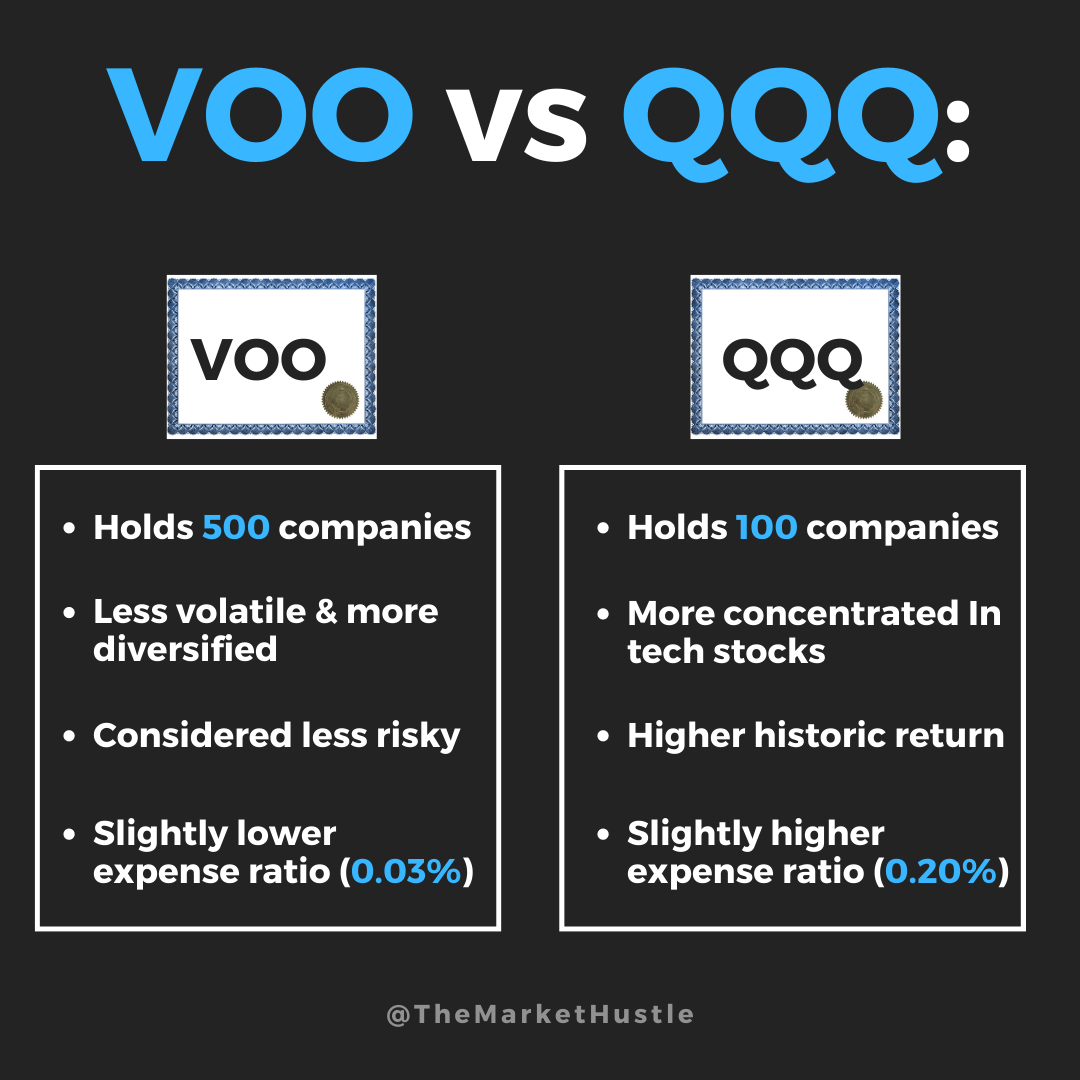
Diversification is often called the only “free lunch” in finance. It reduces the risk that a failure in one company or one industry will ruin your entire portfolio. Because VOO covers 11 different sectors—including technology, consumer staples, energy, and utilities—it provides a built-in safety net. If the tech sector faces a downturn, the stability of healthcare or consumer staples may help mitigate the losses. For a beginner investor, achieving this level of diversification by buying individual stocks would require massive amounts of capital and hours of research; with VOO, it is achieved with a single transaction.
Tax Efficiency and Passive Management
VOO is also highly tax-efficient compared to actively managed funds. In an active fund, managers frequently buy and sell stocks, which triggers capital gains taxes that are passed on to the shareholders. Because VOO is a passive index fund, it only changes its holdings when the S&P 500 index itself changes (which happens infrequently). Furthermore, the ETF structure allows for “in-kind” transfers of shares, a technical mechanism that helps avoid triggering capital gains when investors sell their shares. For those holding investments in taxable brokerage accounts, this makes VOO a highly strategic choice.
Risks and Considerations for Potential Investors
No investment is without risk, and VOO is no exception. It is vital for investors to understand what VOO is not before they commit their hard-earned capital.
Market Volatility and Systematic Risk
VOO is a 100% equity investment. This means it is subject to the full volatility of the stock market. In a “bear market,” it is common for the S&P 500 to drop 20% or even 30% in value. Investors who cannot stomach seeing their account balance drop significantly in the short term might find VOO too aggressive. It is not a “safe” asset like a high-yield savings account or a government bond; it is a growth asset that requires a long-term time horizon to smooth out the inevitable bumps in the road.
Understanding Market-Cap Weighting
While market-cap weighting is efficient, it also creates concentration risk. Because the largest companies have the most influence on the price of VOO, the fund is currently very “top-heavy.” The top ten companies in the S&P 500 represent a significant portion of the total fund value. If the “Big Tech” giants face regulatory hurdles or a sector-specific crash, VOO will be disproportionately affected, even if the other 490 companies in the fund are doing well. Investors should be aware that they are heavily exposed to the giants of the NASDAQ.
How to Integrate VOO into Your Portfolio
Deciding to invest in VOO is only the first step. The next is determining how to weave it into a broader financial plan. For many, VOO serves as the “core” of their portfolio, often representing 50% to 80% of their total equity holdings.
Choosing the Right Brokerage
Because VOO is an ETF, it can be purchased through almost any major brokerage platform. Whether you use a traditional firm like Fidelity or Charles Schwab, or a modern app-based platform, the process is the same. Most modern brokerages offer commission-free trading for ETFs, meaning you don’t have to pay a fee to buy or sell shares of VOO. This accessibility has democratized high-level investing for the average person.
Dollar-Cost Averaging vs. Lump Sum Investing
A common question is whether to invest a large sum all at once or to spread it out over time. Dollar-cost averaging (DCA)—the practice of investing a fixed amount of money at regular intervals—is a popular strategy for VOO investors. By investing, say, $500 every month, you buy more shares when prices are low and fewer shares when prices are high. This removes the emotional component of “timing the market” and ensures consistent progress toward financial goals. Conversely, if you have a windfall, historical data suggests that “lump sum” investing often outperforms DCA because the market tends to go up more often than it goes down, but DCA remains the preferred method for those building wealth through their monthly salary.
In conclusion, VOO is more than just a financial product; it is a tool for empowerment. It simplifies the complex world of the stock market into a single, low-cost, highly effective vehicle. By capturing the collective ingenuity and productivity of the largest American corporations, VOO allows everyday investors to participate in the long-term wealth creation that was once reserved for the financial elite. Whether you are a twenty-something starting your first job or a retiree looking for steady growth, understanding and utilizing VOO can be one of the most impactful decisions in your financial journey.
aViewFromTheCave is a participant in the Amazon Services LLC Associates Program, an affiliate advertising program designed to provide a means for sites to earn advertising fees by advertising and linking to Amazon.com. Amazon, the Amazon logo, AmazonSupply, and the AmazonSupply logo are trademarks of Amazon.com, Inc. or its affiliates. As an Amazon Associate we earn affiliate commissions from qualifying purchases.