
In the high-stakes world of mid-market business finance, the most valuable asset a company possesses is not its equipment, its intellectual property, or even its cash reserves. Rather, it is the quality of its leadership’s decision-making. For CEOs and business owners, a single misstep in capital allocation, a failed acquisition, or a poorly timed market expansion can cost millions. This is the foundational context for understanding Vistage: a peer-advisory organization that functions as a high-yield investment in leadership capital and business sustainability.
Vistage Worldwide is the world’s largest executive coaching and peer advisory organization for small and mid-size business (SMB) leaders. However, to view it simply as a “networking group” is to fundamentally misunderstand its financial utility. Within the “Money” niche, Vistage represents a structured methodology for optimizing business performance, increasing enterprise value, and securing a higher Return on Investment (ROI) for the company’s primary stakeholders.
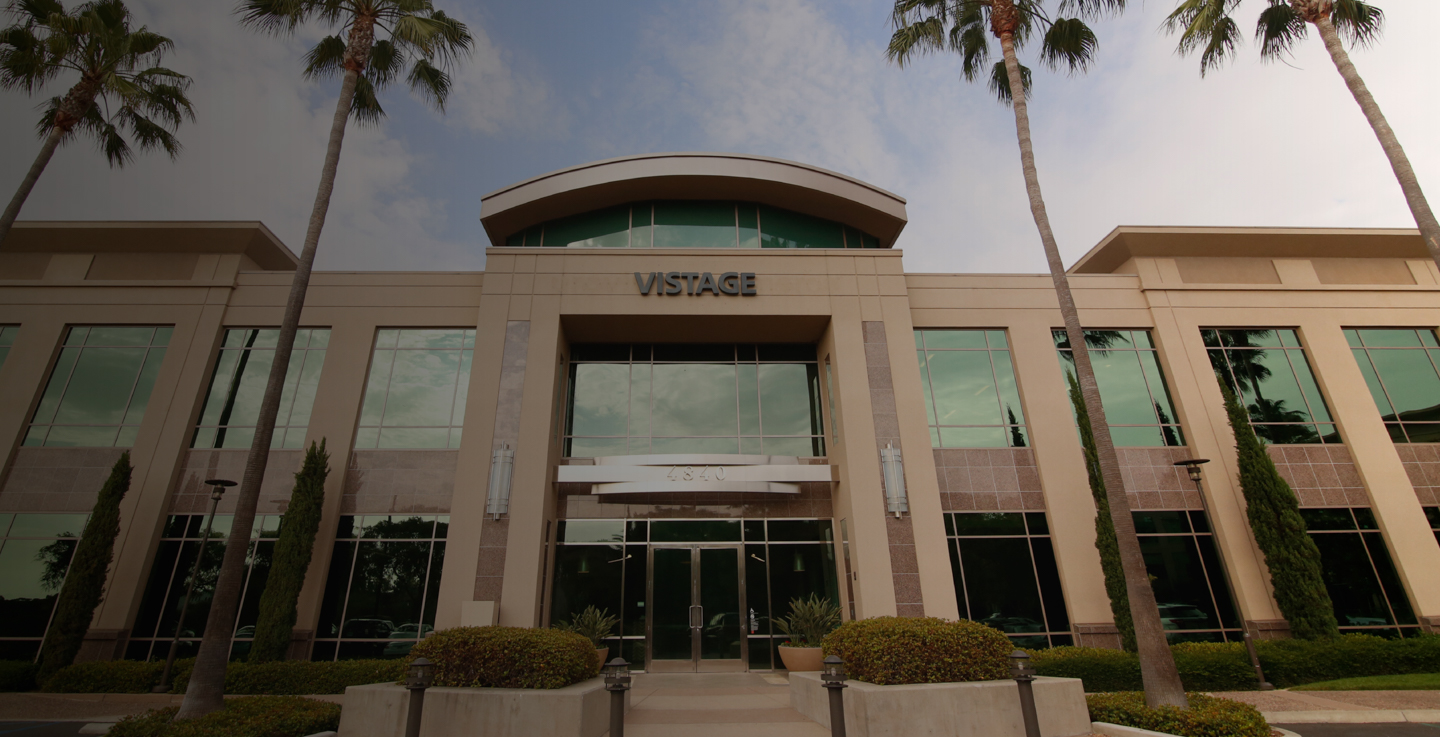
The Economic Framework of Peer Advisory: Understanding the Vistage Model
At its core, Vistage is built on the principle of “collaborative intelligence.” For a business owner, the financial burden of isolation is real. Without a sounding board of peers who have no vested interest in the company’s specific politics but a deep interest in its success, leaders often operate in a vacuum. Vistage fills this void through a three-pronged approach: peer advisory groups, professional executive coaching, and expert-led workshops.
The ROI of Collaborative Intelligence
From a financial perspective, the peer advisory group functions as an informal Board of Directors. These groups typically consist of 12 to 16 CEOs from non-competing industries. When a member presents a “challenge”—which could range from a liquidity crisis to a complex tax restructuring—they receive unfiltered, high-level feedback from others who have likely navigated similar financial waters.
The economic value of this collective wisdom is significant. Instead of hiring expensive management consultants for every localized problem, a Vistage member leverages the diverse experience of a dozen other business owners. This reduces the “cost of trial and error,” which is often one of the largest hidden expenses on a company’s P&L statement.
How Executive Coaching Influences the Bottom Line
Each Vistage group is led by a “Chair”—typically a former CEO or a seasoned business veteran with a track record of financial success. The Chair provides one-on-one coaching sessions that focus on accountability. In business finance, accountability is the bridge between a theoretical budget and actual profit.
By forcing a CEO to defend their financial assumptions and strategic priorities every month, the Vistage Chair helps ensure that the company’s capital is being deployed effectively. This mentorship focuses on high-level financial health, such as improving EBITDA (Earnings Before Interest, Taxes, Depreciation, and Amortization) and streamlining operational costs to maximize net income.
Financial Performance Metrics: Does Vistage Membership Pay Off?
For any financial tool or service, the ultimate question is whether the performance justifies the expenditure. Vistage is an investment, not just an expense. Data suggests that companies whose leaders are members of Vistage consistently outperform the broader market in terms of revenue growth and stability.
Comparative Growth: Vistage Members vs. the Broader Market
Independent studies and internal data often highlight a stark contrast: Vistage member companies grow, on average, 2.2 times faster than average small and mid-size businesses. In the world of business finance, this delta represents a massive increase in market share and compounded wealth over time.
The reason for this outperformance is rooted in better risk management and more aggressive (yet calculated) growth strategies. Members are exposed to economic forecasts from world-class economists like ITR Economics, which are provided as part of the membership. This allows Vistage leaders to anticipate market downturns or surges months before their competitors, enabling them to pivot their investment strategies and protect their margins.

Mitigating Costly Strategic Errors through Diverse Perspectives
One of the most effective ways to increase a company’s net worth is to avoid “wealth destroyers.” These include bad hires at the executive level, poorly negotiated debt structures, or entering a market with declining margins. Vistage groups act as a “pressure test” for these decisions.
If a CEO plans to take on $5 million in debt for a new facility, their Vistage peers will scrutinize the debt-to-equity ratio, the interest rate environment, and the projected cash flow. This rigorous peer review often catches financial flaws that an internal team might miss due to “groupthink” or a desire to please the CEO. In this sense, Vistage acts as a form of insurance against strategic financial failure.
Maximizing Business Valuation: Vistage as a Tool for Exit Strategy and Equity
Many Vistage members are not just looking for annual growth; they are looking toward a liquidity event—an eventual sale or transition of the business. Within the Money niche, the ultimate goal of business finance is to maximize the valuation of the enterprise for a future exit.
Preparing for Liquidity Events and Mergers
A company is valued not just on its current revenue, but on its “transferable value”—the ability of the business to continue generating profit without the current owner. Vistage helps owners shift from being “operators” to “strategic leaders.” By implementing the systems and financial controls discussed in Vistage sessions, owners make their companies more attractive to private equity firms and strategic acquirers.
Members often share insights on valuation multiples within their specific industries. Knowing that a peer recently sold their firm for 7x EBITDA rather than 5x EBITDA provides a benchmark for others to strive for. This financial intelligence is vital during negotiations with investment bankers or M&A lawyers.
Developing Bench Strength to Increase Asset Value
Institutional investors pay a premium for companies with a strong “bench”—a secondary layer of management that can lead the company effectively. Vistage offers programs not just for the CEO, but for “Key Executives.” By investing in the financial literacy and leadership capabilities of the CFO, COO, and VP of Sales, the business owner increases the overall value of the corporate asset. A company with a highly competent, Vistage-trained leadership team is objectively worth more on the open market than one that relies solely on the brilliance of its founder.
The Cost of Entry vs. the Value of Opportunity
To conclude the analysis of Vistage through a financial lens, one must examine the investment structure itself. Vistage is not inexpensive; it requires both a significant monthly financial commitment and a commitment of time—usually one full day per month for the group meeting, plus additional time for one-on-ones.
Analyzing the Membership Investment Structure
The fees for Vistage are typically scaled based on the size of the company and the specific program (CEO, Key Executive, or Small Business). For a company with $20 million in revenue, the annual cost of Vistage might represent a fraction of a percentage point of their total expenses. However, the potential return—through a single better-negotiated contract, a more efficient tax strategy, or the avoidance of a bad hire—can easily reach six or seven figures.
When viewed as a “Business Finance Tool,” the membership fee is a line item that should be evaluated against its contribution to the bottom line. Most members view it as an essential part of their R&D or professional development budget, justified by the tangible growth metrics they see year over year.

Long-term Financial Sustainability for Small to Mid-Market Firms
The mid-market is often referred to as the “Ozone Layer” of business—it is a difficult space to navigate where companies are too big to be agile like startups but too small to have the massive resources of a Fortune 500 corporation. Vistage provides the financial and strategic framework to survive and thrive in this space.
By focusing on disciplined growth, rigorous financial oversight, and peer-validated strategy, Vistage helps ensure the long-term sustainability of the business. For the owner, this means not only a more profitable company today but a more valuable legacy and a more secure financial future. In the final analysis, “What is Vistage?” It is a premium financial instrument for those who understand that the best way to grow their money is to grow the people who manage it.
aViewFromTheCave is a participant in the Amazon Services LLC Associates Program, an affiliate advertising program designed to provide a means for sites to earn advertising fees by advertising and linking to Amazon.com. Amazon, the Amazon logo, AmazonSupply, and the AmazonSupply logo are trademarks of Amazon.com, Inc. or its affiliates. As an Amazon Associate we earn affiliate commissions from qualifying purchases.