
The world is becoming increasingly interconnected, and with that comes the necessity of navigating international borders. Whether for tourism, business, education, or work, many individuals will at some point require a visa to enter a foreign country. While the visa itself serves as the permission to travel, it is adorned with a series of unique identifiers that are crucial for its validity and processing. Among these, the “visa number” stands out as a key piece of information, often prompting questions about its purpose, location, and significance. This article aims to demystify the visa number, exploring its role in the broader context of international travel documentation.
Understanding the Core Functionality of a Visa Number
At its most fundamental level, a visa number acts as a unique serial identifier for an individual visa document. Think of it as a digital fingerprint, specifically assigned to that particular authorization for entry into a country. This distinctiveness is paramount for several reasons, primarily revolving around security, traceability, and administrative efficiency. Without a unique identifier, managing, verifying, and tracking millions of visas issued globally would be an insurmountable task, leading to chaos and potential security breaches.
The Genesis of a Visa Number: Issuance and Assignment
The process of obtaining a visa number begins the moment a visa application is approved by the issuing country’s immigration authorities. Once an applicant meets all the criteria and their visa is granted, a unique alphanumeric code is generated and affixed to the visa. This code is not arbitrary; it is part of a structured system designed by the issuing nation’s government. The specific format and length of a visa number can vary significantly from one country to another. Some might employ purely numerical sequences, while others might incorporate letters and special characters. This variation is a reflection of the diverse administrative and technological infrastructures of different nations.
The assignment of a visa number is a critical step in the official record-keeping of the issuing authority. It links the physical or digital visa document directly to the applicant’s profile and the immigration system of that country. This allows for quick retrieval of information related to the visa, such as its validity period, the purpose of the visit, the applicant’s personal details, and any conditions attached to the visa. In essence, it creates a direct, unalterable connection between the document and the data associated with it.
Distinguishing the Visa Number: A Unique Identifier Among Many
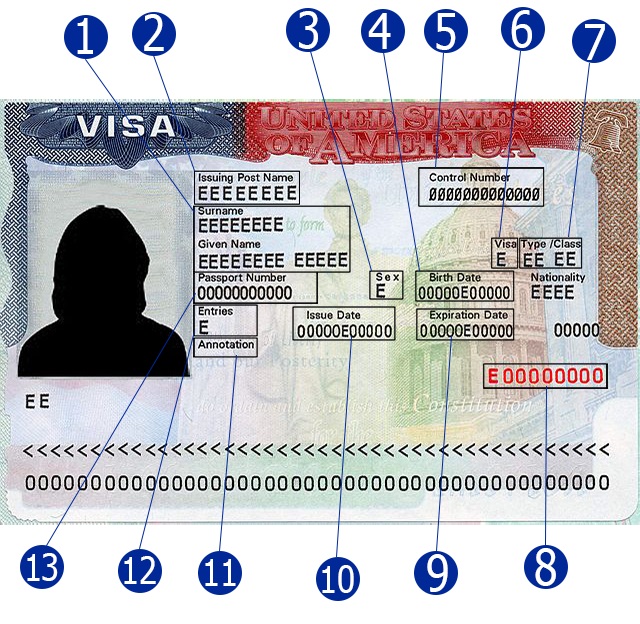
When you receive your visa, you’ll notice it’s not just a blank stamp or a simple paper. It’s a document replete with various pieces of information, including your photograph, personal details, passport number, visa type, issue date, expiry date, and importantly, the visa number. It’s easy to confuse the visa number with other identifiers present on the document, such as the passport number. However, it’s crucial to understand their distinct roles.
Your passport number is a lifelong identifier issued by your country of citizenship, linked to your passport booklet. It remains with you as long as you hold that passport. The visa number, on the other hand, is specific to a particular visa issued by a foreign government for a particular trip or period. It is a temporary identifier tied to that specific authorization. Therefore, if you obtain a new visa for a different country, or even a renewed visa for the same country, it will likely have a different visa number. This distinction is vital when filling out application forms, booking flights, or interacting with immigration officials, as using the wrong identifier can lead to significant complications.
Locating and Understanding the Significance of Your Visa Number
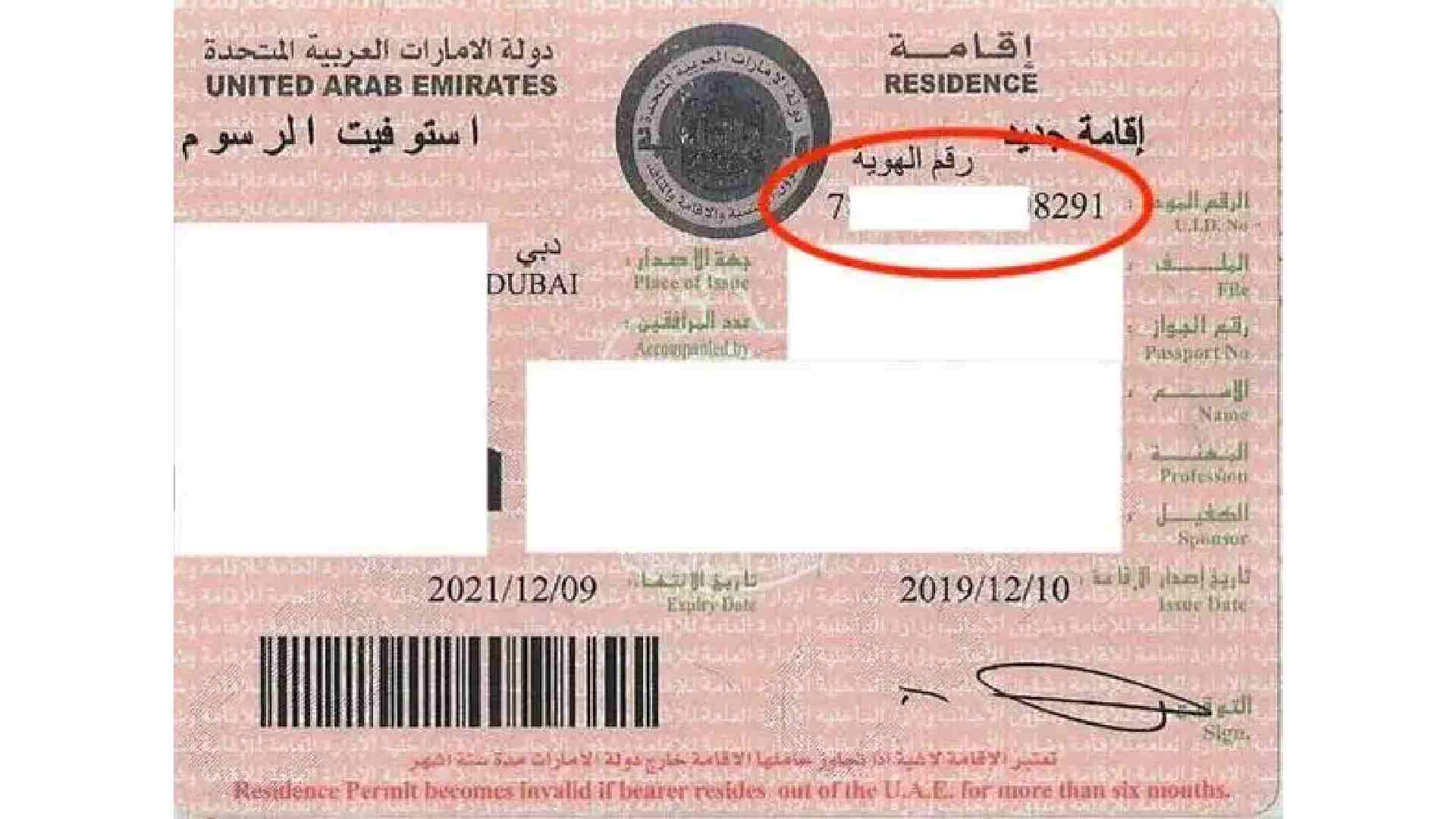
The physical location of your visa number on the visa document can vary depending on the issuing country and the type of visa (e.g., sticker in a passport, electronic visa). However, its presence is almost always clearly marked. Understanding where to find it and why it’s important is key to a smooth travel experience.
Identifying the Visa Number on Your Document
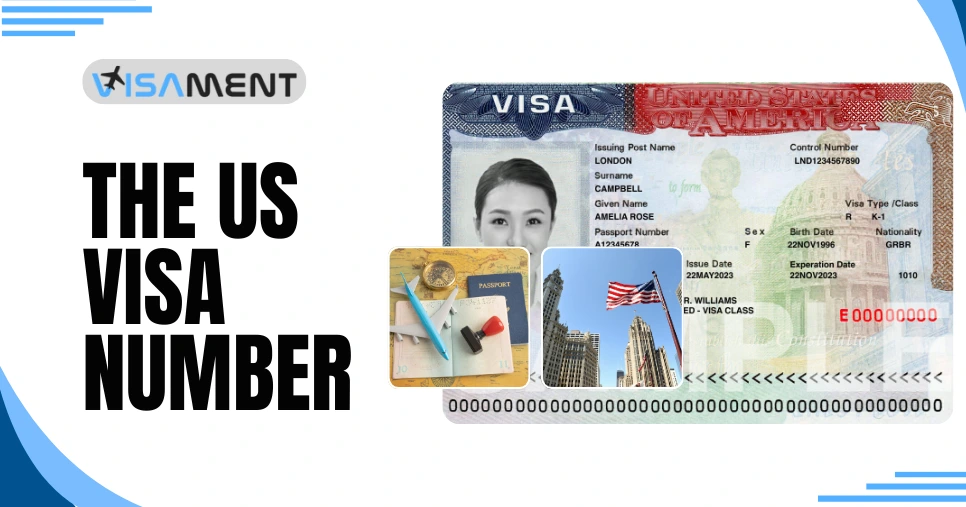
For visas that are affixed as stickers to your passport, the visa number is typically located in a prominent position. It is often found alongside other key visa details such as the visa type, expiry date, and duration of stay. Look for a label or a section explicitly marked as “Visa Number,” “Visa No.,” or a similar designation. The alphanumeric sequence following this label is your visa number.
In the case of electronic visas (e-visas), which are increasingly common, the visa number will be provided in the confirmation email or the digitally generated document you receive. This document will contain all the pertinent details of your e-visa, and the visa number will be clearly highlighted. It’s essential to print a copy of your e-visa and keep it with you during your travels, as immigration authorities may request to see it. Always cross-reference the number with any official documentation or communication you received.
The Crucial Role of the Visa Number in Travel and Administration
The visa number is more than just a bureaucratic detail; it’s a linchpin in the entire international travel system. Its significance stems from its ability to facilitate a range of essential processes:
- Verification and Authentication: Immigration officers at ports of entry use the visa number to quickly access your visa details in their system. This allows them to verify the authenticity of your visa, confirm your eligibility to enter the country, and check for any specific conditions or restrictions. A quick scan or entry of the visa number can instantly pull up your record, streamlining the immigration process.
- Record Keeping and Tracking: For the issuing country, the visa number is a vital tool for maintaining accurate records of who has entered and exited the country, and under what conditions. This data is crucial for national security, border control, and immigration statistics. It allows authorities to track visa holders throughout their stay and manage visa quotas.
- Application Processing: When you apply for subsequent visas, or if you need to extend your current visa, the visa number from your previous or current visa is often required. It helps the immigration authorities link your current application to your past travel history and verify your compliance with visa regulations.
- Security and Fraud Prevention: The unique nature of the visa number, coupled with encryption and robust databases, makes it a powerful tool in combating visa fraud and illegal immigration. Any attempt to tamper with or forge a visa would be difficult to reconcile with the official records linked to the visa number.
- Official Communication: In the event of any queries or issues related to your visa, referencing your visa number will expedite the process of communication with the embassy, consulate, or immigration department. It provides a clear point of reference for them to locate your specific case.
Navigating Potential Issues Related to Visa Numbers
While the visa number is designed to facilitate smooth travel, like any official identifier, issues can sometimes arise. Understanding these potential problems and how to address them can save considerable stress and prevent travel disruptions.
Common Scenarios Involving Visa Numbers
One of the most common scenarios where the visa number becomes critically important is when filling out further applications. This could be for a new visa to a different country, an extension of your current visa, or even certain types of residency permits. The application form will invariably ask for your previous visa numbers, and accuracy is paramount. Mismatching or omitting visa numbers can lead to delays, requests for additional information, or even outright rejection of your application.
Another scenario is during the immigration process itself. If there’s a discrepancy between the information you provide and what appears in the system linked to your visa number, you might face scrutiny. This could be due to a clerical error during the visa issuance, or if your travel patterns or circumstances have changed in a way that warrants further inquiry. In such cases, having a clear understanding of your visa and being able to provide supporting documentation can be beneficial.
Strategies for Managing and Rectifying Visa Number Errors
If you discover an error in your visa number on your document, it’s imperative to act swiftly. The first step is to contact the embassy or consulate that issued the visa as soon as possible. They will have procedures in place to correct such errors, which might involve reissuing the visa with the correct number or issuing an addendum to the existing visa. Be prepared to provide proof of the error, such as your passport, the visa itself, and any application forms you completed.
If you have already submitted an application that requires a visa number and you realize you’ve entered it incorrectly, you should contact the authorities managing that application immediately. They will advise you on the best course of action, which might involve submitting an amendment or a correction request. It’s always better to proactively report an error than to let it go unnoticed, as it can cause more significant problems down the line.
The Future of Visa Numbers and Digital Identification
As technology continues to advance, the way visa information is managed and presented is evolving. While the fundamental need for a unique identifier remains, the form and accessibility of visa numbers are likely to change.
The Rise of E-Visas and Digital Integration
The trend towards electronic visas is undeniable. E-visas offer greater convenience, faster processing times, and a reduced reliance on physical documentation. In this digital landscape, visa numbers are seamlessly integrated into electronic records. Travelers receive their visa information digitally, and immigration systems are designed to access and verify this data electronically. This streamlines the border control process significantly.
The integration of visa numbers with broader digital identity frameworks is also a possibility. As countries develop more sophisticated digital identity systems, it’s conceivable that visa information could be linked to these overarching digital credentials. This could lead to an even more secure and efficient system for managing international travel, where your visa status is verifiable through your digital identity.
Enhanced Security and Efficiency in the Digital Age
The digitization of visa numbers and the associated data promises enhanced security and efficiency. Blockchain technology, for instance, could be explored for creating tamper-proof records of visa issuances and movements. This would further bolster security and provide greater transparency. Furthermore, advancements in artificial intelligence and machine learning could be used to analyze visa data more effectively, helping to identify patterns, predict potential risks, and improve the overall efficiency of immigration systems. The visa number, in its digital form, will continue to be a cornerstone of these evolving systems, ensuring that international travel remains as secure and accessible as possible.
aViewFromTheCave is a participant in the Amazon Services LLC Associates Program, an affiliate advertising program designed to provide a means for sites to earn advertising fees by advertising and linking to Amazon.com. Amazon, the Amazon logo, AmazonSupply, and the AmazonSupply logo are trademarks of Amazon.com, Inc. or its affiliates. As an Amazon Associate we earn affiliate commissions from qualifying purchases.