
“The Sixth Sense,” released in 1999, is far more than just a horror-thriller; it is a meticulously crafted cinematic brand that redefined a genre and left an indelible mark on popular culture. At its core, the film presents a compelling narrative about grief, communication, and the unseen world, skillfully packaged and delivered to create an unforgettable audience experience. From a branding perspective, understanding “what the movie Sixth Sense is about” involves dissecting its unique narrative architecture, its masterful marketing strategy, the powerful legacy of its defining twist, and the enduring brand equity it built for both the film itself and its visionary director, M. Night Shyamalan.

This article will explore “The Sixth Sense” as a brilliant case study in narrative branding, examining how its story elements coalesced to create a powerful and lasting cultural phenomenon.
The Narrative Core: Crafting a Unique Cinematic Brand Identity
Every successful brand begins with a compelling product or service. For “The Sixth Sense,” the product is its intricate and emotionally resonant story. The film’s brand identity is established through its central premise and the careful development of its key characters, creating a unique narrative offering that stands apart from typical supernatural thrillers.
The Premise: Haunting Themes and Human Connection
The foundational brand promise of “The Sixth Sense” is its exploration of the supernatural through a deeply human lens. The film introduces Dr. Malcolm Crowe (Bruce Willis), a child psychologist haunted by a past failure, and Cole Sear (Haley Joel Osment), a young boy tormented by a terrifying secret: “I see dead people.” This premise isn’t merely a jump scare setup; it’s a profound exploration of isolation, fear, and the desperate human need for understanding and connection.
From a branding standpoint, this premise establishes a clear value proposition: a film that offers both chilling suspense and heartfelt emotional depth. It promises an experience that transcends superficial horror, inviting the audience to engage with complex psychological themes. The brand identity is thus built on a duality: supernatural fright married with profound empathy, a combination that proved incredibly appealing to a broad audience demographic. The consistent focus on these themes throughout the narrative ensures a coherent and powerful brand message.
Character Development: Branding Archetypes and Audience Empathy
The success of “The Sixth Sense” as a narrative brand owes much to its memorable characters. Malcolm Crowe embodies the archetype of the wounded healer, a professional struggling with his own personal demons while attempting to guide another. Cole Sear, with his preternatural sensitivity and poignant vulnerability, becomes the brand’s emotional core. Their intertwined journeys form the central pillar of the film’s narrative brand.
The meticulous development of these characters fosters immense audience empathy. Viewers are not merely spectators; they are emotionally invested in Malcolm’s quest for redemption and Cole’s struggle for acceptance. This deep character connection is a powerful branding tool, creating a loyal and engaged “customer base” for the story. The relatability of their struggles, despite the supernatural context, allowed the film to connect on a universal human level, reinforcing its brand as one of emotional resonance and psychological insight, not just cheap thrills. Each character, in essence, becomes a recognizable icon within the film’s brand ecosystem.
Symbolic Storytelling: Layers of Brand Meaning
“The Sixth Sense” masterfully employs symbolic storytelling to enrich its brand meaning. The recurring motif of the color red, often associated with danger, strong emotions, or the supernatural presence, serves as a subtle yet powerful brand identifier. Its strategic appearance throughout the film cues the audience into moments of heightened significance or impending revelation.
Furthermore, the film’s exploration of communication barriers—between the living and the dead, but also between Malcolm and his wife, and Cole and his mother—adds layers of brand depth. It positions the film not just as a ghost story, but as a meditation on the human inability to truly understand and be understood. This rich tapestry of symbolism allows for multiple interpretations and encourages repeat viewings, a key indicator of strong brand engagement. The film’s brand, therefore, becomes associated with intellectual stimulation and profound introspection, elevating it beyond typical genre fare.
Marketing the Unseen: Building Anticipation and Brand Mystique
The phenomenal success of “The Sixth Sense” wasn’t solely due to its powerful narrative; it was also a triumph of strategic marketing that built immense anticipation and protected the film’s most crucial brand asset: its shocking twist ending.
Trailer Strategy: Hints Without Spoilers
The marketing campaign for “The Sixth Sense” was a masterclass in controlled information release. Trailers were crafted to convey the film’s eerie atmosphere and the core dynamic between Malcolm and Cole, hinting at the supernatural elements without ever giving away the central secret. They emphasized the emotional intensity and the suspense, using evocative imagery and sound design to create an undeniable sense of dread and curiosity.
This strategy was crucial for building brand mystique. By promising a thrilling and emotionally charged experience while keeping the narrative’s biggest surprise under wraps, the marketing team cultivated an eager audience without diluting the product’s unique selling proposition (USP). The trailers successfully established the film’s brand as a sophisticated supernatural thriller that demanded to be seen to be fully understood, leveraging curiosity as a primary driver for box office success.
Word-of-Mouth: Organic Brand Advocacy
Perhaps the most potent marketing tool for “The Sixth Sense” was organic word-of-mouth. Once the film was released, audiences were stunned by the twist ending, and the desire to discuss it—and crucially, to recommend it to others without spoiling it—became a powerful viral phenomenon. This created a fervent community of brand advocates who actively promoted the film, driving countless people to theaters.
This organic advocacy built incredible brand equity, transforming the film into a must-see cultural event. The challenge of keeping the twist a secret among friends became a social game, deepening audience engagement and fostering a sense of shared experience around the “Sixth Sense” brand. This kind of genuine audience endorsement is invaluable, demonstrating the power of a truly unique and impactful “product” to generate its own publicity.
Critical Reception: Validating the Brand Promise
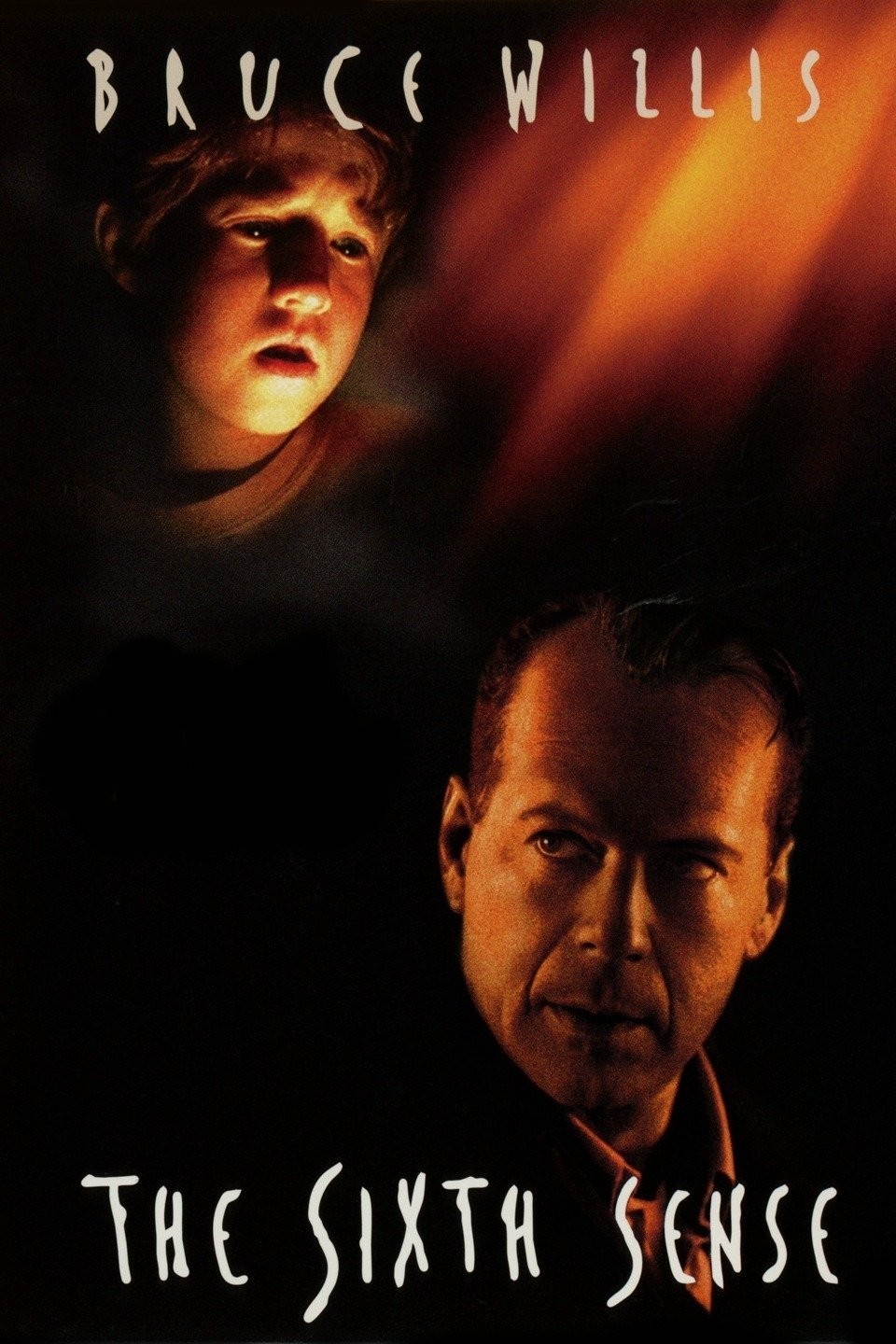
Positive critical reception further validated the brand promise of “The Sixth Sense.” Reviewers lauded its intelligent script, compelling performances, and, of course, its shocking conclusion. This critical acclaim provided external validation for the film’s quality and its unique narrative offering, bolstering its brand credibility.
For a new and somewhat unconventional film, critical endorsement served as a powerful signal of quality, assuring potential viewers that their investment of time and money would be rewarded with a superior cinematic experience. This blend of strong narrative, clever marketing, and critical validation solidified “The Sixth Sense” as a premium brand in the entertainment landscape, setting it apart from its contemporaries.
The Twist: A Brand’s Defining Moment and Lasting Legacy
The twist ending of “The Sixth Sense” is arguably its most famous brand attribute, a narrative innovation that transcended the film itself to become a cultural touchstone. It represents a defining moment that not only cemented the film’s brand identity but also significantly shaped its enduring legacy.
The Brand’s USP: Unforgettable Narrative Innovation
The revelation that Dr. Malcolm Crowe has been dead the entire time is the ultimate unique selling proposition (USP) of “The Sixth Sense.” This narrative innovation completely recontextualizes every scene that came before it, compelling viewers to revisit the film in their minds and appreciate its meticulous construction. This twist isn’t just a gimmick; it’s an integral part of the film’s brand, demonstrating its cleverness, subtlety, and narrative prowess.
This USP made “The Sixth Sense” legendary. It provided an unforgettable viewing experience that audiences sought to replicate and recommend. The twist became synonymous with the film, a shorthand for brilliant, unexpected storytelling, thus elevating the film’s brand status to that of a narrative masterpiece.
Post-Release Impact: Re-branding the Viewing Experience
The impact of the twist extended far beyond the initial viewing. It effectively “re-branded” the viewing experience, making “The Sixth Sense” one of the most re-watchable films of its era. Knowing the twist encouraged audiences to go back and search for clues, marveling at the director’s ability to subtly weave in hints without giving anything away.
This re-engagement strategy turned passive viewers into active investigators, deepening their appreciation for the film’s narrative design. The twist didn’t just end the story; it opened up a new dimension of interaction with the “Sixth Sense” brand, fostering a loyal fan base and ensuring sustained interest long after its theatrical run.
Sustaining Relevance: A Twist That Keeps Giving
Even decades later, “The Sixth Sense” remains relevant, largely due to its iconic twist. It continues to be referenced in pop culture, film studies, and discussions about narrative structure. This sustained relevance is a testament to the power of a truly innovative brand element to ensure lasting impact.
The twist serves as a perpetual conversation starter, drawing new generations of viewers to discover the film. It has ensured that “The Sixth Sense” retains significant brand equity, proving that a well-executed narrative innovation can provide an evergreen appeal and a timeless place in cinematic history.
Cultural Resonance: How “The Sixth Sense” Became an Enduring Brand
“The Sixth Sense” achieved more than just box office success; it permeated popular culture, solidifying its status as an enduring brand. Its impact can be seen in its integration into everyday language, its influence on other storytellers, and its lasting critical and public appreciation.
Pop Culture Integration: Memes and References
The phrase “I see dead people” transcended the film to become a widely recognized cultural meme, instantly recognizable and frequently parodied. This level of linguistic integration is a clear indicator of profound brand penetration. When elements of a film’s dialogue become part of the common lexicon, it signifies a brand that has achieved iconic status.
Beyond dialogue, the film’s overall structure and its signature twist have been referenced and spoofed countless times in other media, from television shows to commercials. This constant cultural referencing reinforces the “Sixth Sense” brand, keeping it fresh in the public consciousness and ensuring its continued relevance across generations.
Influence on Storytelling: Inspiring New Narratives
The narrative ingenuity of “The Sixth Sense” inspired a new wave of films and television shows that attempted to replicate its unique blend of suspense, emotional depth, and, most notably, its shocking narrative turns. While many attempted, few succeeded in achieving the same impact, highlighting the singular genius of Shyamalan’s original concept.
This influence on subsequent storytelling solidifies “The Sixth Sense” as a benchmark brand in cinematic narrative. It set a new standard for intelligent genre filmmaking, influencing how filmmakers approached plot twists, character development, and the integration of supernatural elements into grounded human drama.

The Enduring Legacy: A Timeless Cinematic Brand
Ultimately, “The Sixth Sense” stands as a timeless cinematic brand because of its ability to consistently deliver on its promise of a profound, chilling, and utterly surprising experience. Its narrative core, intelligent marketing, and groundbreaking twist have ensured its place not just in film history, but in the broader cultural consciousness.
Decades after its release, “The Sixth Sense” continues to captivate new audiences, spark discussions, and evoke strong emotions, a testament to its powerful and meticulously crafted brand identity. It serves as a prime example of how a compelling story, strategically presented, can transcend entertainment to become an enduring cultural phenomenon.
aViewFromTheCave is a participant in the Amazon Services LLC Associates Program, an affiliate advertising program designed to provide a means for sites to earn advertising fees by advertising and linking to Amazon.com. Amazon, the Amazon logo, AmazonSupply, and the AmazonSupply logo are trademarks of Amazon.com, Inc. or its affiliates. As an Amazon Associate we earn affiliate commissions from qualifying purchases.