
In the dynamic landscape of digital content, a “view” on YouTube stands as the fundamental unit of audience engagement, a crucial metric that transcends simple curiosity to become the cornerstone of a creator’s influence and, critically, their online income. For anyone looking to understand the mechanics of making money on YouTube, grasping the precise definition and implications of a view is not merely helpful—it is essential for building a sustainable financial model on the platform.
The Core Metric of Digital Engagement and Income
A YouTube view is far more than a casual glance; it represents a user’s conscious decision to consume a piece of video content. This metric is the primary indicator of a video’s reach and popularity, directly correlating with a channel’s overall visibility and, by extension, its financial viability. Understanding what constitutes a valid view and how YouTube counts them is the first step in decoding the platform’s income generation mechanisms.
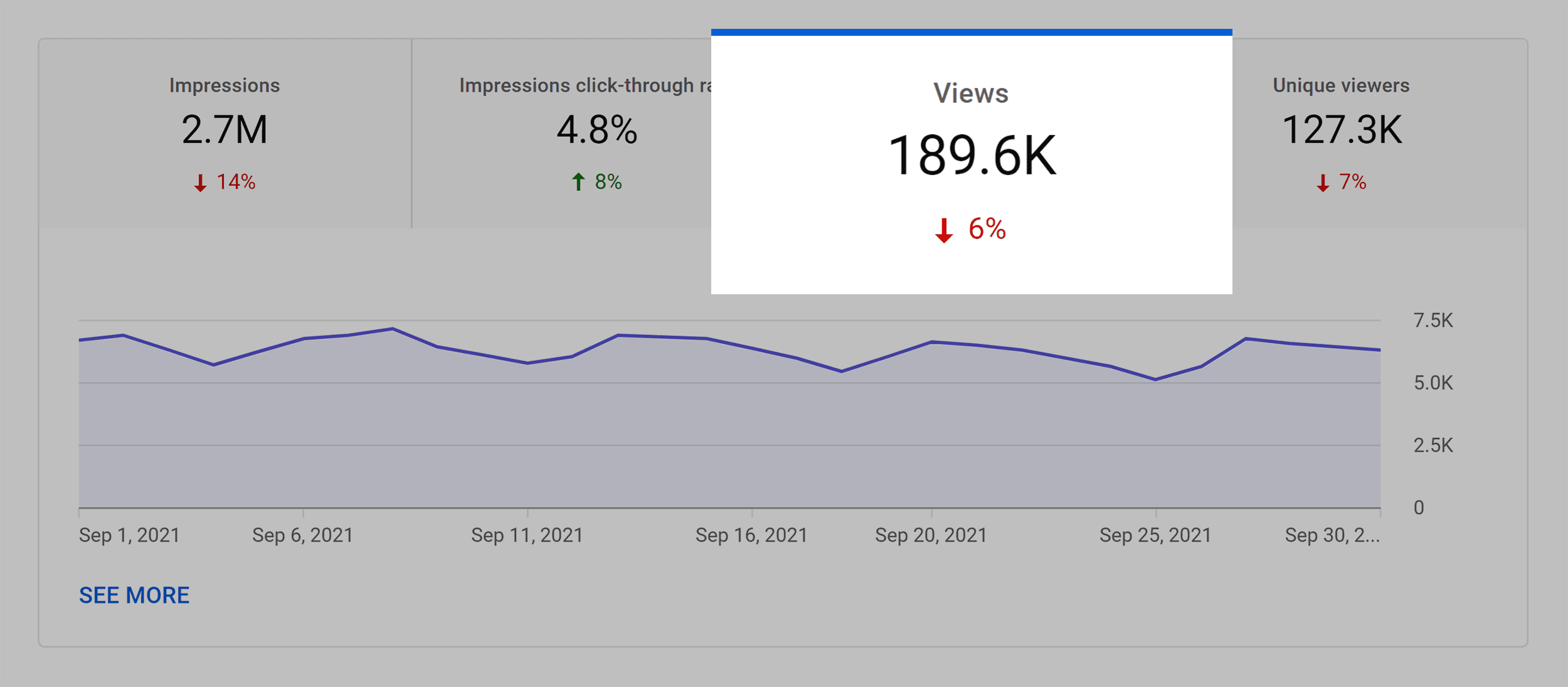
Defining a YouTube View
At its most basic, YouTube counts a view when a user intentionally initiates the playback of a video and watches it for a sufficient duration. While the precise minimum duration is not publicly disclosed by YouTube, industry consensus and past observations suggest it’s typically around 30 seconds. This threshold is critical for differentiating genuine interest from accidental clicks or brief previews. If a user watches less than this duration, it generally does not register as a view. Furthermore, a view must originate from a real user, not bots or automated processes. This stringent counting mechanism is paramount to maintaining the integrity of the platform and ensuring that creators and advertisers are dealing with authentic engagement.
Beyond a Simple Click: The Anti-Fraud Mechanism
YouTube employs sophisticated algorithms and systems to detect and filter out invalid views. This robust anti-fraud mechanism is vital for several reasons, particularly concerning financial integrity. Invalid views, which can result from spam, malware, or illicit means to inflate view counts artificially, are regularly purged from a video’s total. This process can sometimes lead to temporary fluctuations in reported view counts, causing concern among creators. However, it serves to protect the ecosystem:
- For Creators: It ensures that their audience metrics reflect genuine human interest, which is invaluable for attracting legitimate brand partnerships and understanding true audience engagement.
- For Advertisers: It guarantees that their advertising spend is directed towards real viewers, maximizing their return on investment and preventing fraud.
- For YouTube: It upholds the credibility of its platform as a reliable source of content and advertising.
Ultimately, YouTube’s meticulous view counting system ensures that the reported figures are as accurate as possible, forming a trustworthy foundation upon which online income models are built.
Views as the Foundation of YouTube Monetization
For content creators, views are not just vanity metrics; they are the literal currency of the YouTube economy. The ability to generate a significant volume of authentic views directly translates into various income streams, making it the linchpin of any successful YouTube business strategy.
Ad Revenue: The Direct Link to Views
The most common and direct way views contribute to online income is through advertising. When a channel is part of the YouTube Partner Program (YPP), ads are displayed on their videos. These ads can take various forms—skippable and non-skippable video ads, bumper ads, display ads, and overlay ads. Creators earn a share of the revenue generated from these ads.
The earnings are not simply a flat rate per view. Instead, they are influenced by several factors:
- Ad Impressions: Earnings are tied to how many times an ad is actually displayed and engaged with, not just how many times a video is viewed. A single view might trigger multiple ad impressions, or none at all, depending on ad availability and viewer settings.
- Ad Format: Different ad formats command different rates.
- Viewer Demographics and Location: Advertisers often target specific audiences, so the value of a view can vary based on who is watching and where they are located.
- Niche of Content: Certain content niches are more attractive to advertisers and thus may yield higher ad rates.
- Adblockers: Viewers using adblockers will not see ads, reducing potential earnings from those views.
Despite these nuances, a higher volume of legitimate views inherently increases the opportunity for ad impressions and, consequently, ad revenue. More views mean more potential exposure to ads, leading to a greater share of the advertising pie for the creator.
Understanding CPM, RPM, and Effective Payouts
To truly grasp the financial impact of views, creators must understand key metrics:
- CPM (Cost Per Mille/Thousand): This is what advertisers pay YouTube per 1,000 ad impressions. It reflects the value advertisers place on reaching a specific audience. CPM rates fluctuate significantly based on seasonality, ad placement, audience demographics, and content niche.
- RPM (Revenue Per Mille/Thousand Views): This is what creators actually earn per 1,000 video views, after YouTube takes its share (typically 45% of ad revenue). RPM is often a more accurate reflection of a creator’s earnings power because it accounts for all monetized playbacks and ad formats, not just ad impressions. A higher RPM indicates more effective monetization of views.
- Effective Payouts: The actual money transferred to a creator’s bank account. This figure is influenced by the total RPM over a given period, combined with other potential income streams like Super Chats, Channel Memberships, and YouTube Premium revenue, all of which are ultimately tied to the underlying audience engagement that views represent.
Optimizing views to achieve a higher RPM is a crucial aspect of maximizing online income. This involves creating engaging content that encourages longer watch times (which can lead to more ad impressions) and appeals to demographics that advertisers value.
The Role of Views in Sponsorships and Brand Deals
Beyond direct ad revenue, views serve as a powerful bargaining chip for creators seeking sponsorships and brand deals. Brands are constantly looking for authentic ways to reach their target audiences, and YouTube channels with consistent, high view counts offer a compelling proposition.

- Proof of Reach: High view numbers provide tangible proof of a creator’s reach and influence. A brand sees that a video will likely be seen by thousands or even millions of genuine viewers, making it an attractive platform for their message.
- Audience Demographics: Brands also analyze the demographics of a channel’s viewers, which YouTube analytics readily provides. If a creator’s audience aligns with a brand’s target market, the value of those views—and thus the potential sponsorship fee—increases dramatically.
- Engagement Metrics: While views are important, brands also look at other engagement metrics like likes, comments, and watch time. High views coupled with strong engagement signal an active and loyal community, further enhancing a channel’s attractiveness for partnerships.
Sponsorships often offer a higher and more predictable income stream than ad revenue alone, making views an indirect but indispensable asset for securing these lucrative deals. For a YouTube business, views unlock a diversified income strategy.
Strategic View Generation for Sustainable Online Income
Generating views isn’t just about luck; it’s about strategic content creation and optimization. For creators focused on online income, every decision, from video topic to thumbnail design, can impact view counts and, consequently, financial returns.
Content Quality and Audience Retention
The bedrock of consistent view generation is high-quality content that genuinely resonates with an audience.
- Value Proposition: Videos that provide entertainment, education, inspiration, or practical solutions are more likely to attract and retain viewers.
- Production Value: While not always about expensive equipment, clear audio, good lighting, and engaging editing contribute significantly to a professional feel that keeps viewers watching.
- Audience Retention: YouTube’s algorithm heavily favors videos with high audience retention (i.e., viewers watch a significant portion of the video). High retention signals to YouTube that a video is valuable, prompting the algorithm to recommend it to more users, leading to more views and potential income. Creators must analyze their retention graphs in YouTube Analytics to identify where viewers drop off and optimize content accordingly.
SEO and Discoverability for Organic Views
Optimizing videos for search engines (YouTube SEO) is crucial for generating organic, long-term views.
- Keyword Research: Identifying relevant keywords that viewers are searching for helps creators title their videos and write descriptions that improve discoverability.
- Compelling Titles and Thumbnails: These are the first points of contact with potential viewers. A well-crafted title combined with an eye-catching thumbnail is critical for click-through rate (CTR), turning impressions into views.
- Tags and Descriptions: Properly utilized tags and detailed descriptions, enriched with keywords, help YouTube understand the video’s content and recommend it to the right audience.
- End Screens and Cards: Encouraging viewers to watch more content from the same channel through strategic use of end screens and cards can significantly boost overall channel views and watch time, feeding into the algorithm’s favor.
Leveraging Analytics for Growth and Income Optimization
YouTube Analytics is an indispensable tool for any creator serious about online income. It provides a wealth of data about views, audience demographics, watch time, traffic sources, and revenue.
- Identifying Top-Performing Content: Analyzing which videos generate the most views and revenue helps creators understand what resonates best with their audience, informing future content strategy.
- Understanding Audience Behavior: Analytics reveal where viewers come from, when they watch, and what other videos they enjoy. This data is invaluable for tailoring content, scheduling uploads, and targeting specific viewer segments for higher-value ad placements.
- Monetization Reports: These reports provide detailed breakdowns of ad revenue, RPM, and other income sources, allowing creators to track their financial performance and identify areas for improvement. By understanding the link between views and dollars earned, creators can refine their approach to maximize earnings per view.
Navigating View Count Volatility and Income Fluctuations
The digital landscape is constantly evolving, and YouTube views and the income derived from them are not always stable. Creators must understand these dynamics and plan accordingly to maintain financial stability.
Algorithm Changes and Their Financial Impact
YouTube’s algorithm is continuously updated to optimize user experience and platform health. These changes, while often beneficial for the platform overall, can sometimes lead to fluctuations in view counts and, consequently, income for individual channels.
- Discovery Shifts: Algorithm updates can change how content is recommended, impacting a channel’s reach and the number of views it receives.
- Monetization Policy Updates: Changes to YouTube’s monetization policies or advertiser demands can affect ad rates and the types of content that are most effectively monetized.
- Adapting to Change: Successful creators continuously monitor algorithm trends and adapt their content strategy to align with YouTube’s evolving recommendations, safeguarding their view counts and revenue streams.
Diversifying Income Beyond AdSense
While AdSense revenue tied to views is a core income stream, relying solely on it can be precarious due to its volatility. Smart creators diversify their income by leveraging their view-driven audience.
- Affiliate Marketing: Recommending products or services and earning a commission on sales made through unique affiliate links.
- Merchandise Sales: Selling branded merchandise to a loyal fanbase.
- Digital Products: Creating and selling e-books, courses, or presets related to their niche.
- Crowdfunding/Fan Funding: Platforms like Patreon allow viewers to directly support creators financially.
- Brand Endorsements: Beyond sponsorships, ongoing relationships with brands that align with the creator’s values.
These diversified streams leverage the trust and attention generated by views, converting that engagement into multiple revenue avenues, thereby strengthening the overall financial health of the YouTube business.

Long-Term Financial Planning for YouTube Creators
Building a sustainable online income through YouTube views requires more than just creating viral videos; it demands strategic financial planning.
- Reinvestment: Reinvesting a portion of earnings back into the channel (e.g., better equipment, editing software, marketing) can lead to higher quality content, more views, and ultimately, greater income.
- Budgeting and Savings: Understanding the fluctuating nature of online income necessitates careful budgeting and building up a financial reserve to weather leaner months.
- Professional Guidance: As income grows, seeking advice from financial advisors or accountants specializing in online businesses can help optimize tax strategies, manage investments, and ensure long-term financial security.
In conclusion, views on YouTube are the lifeblood of online income for creators. From unlocking direct ad revenue to attracting lucrative brand partnerships and fostering diversified income streams, the count of genuine views is the fundamental metric that underpins a creator’s financial success and sustainability on the platform. Understanding, optimizing, and strategically generating views is not just about popularity—it’s about building a robust and resilient online business.
aViewFromTheCave is a participant in the Amazon Services LLC Associates Program, an affiliate advertising program designed to provide a means for sites to earn advertising fees by advertising and linking to Amazon.com. Amazon, the Amazon logo, AmazonSupply, and the AmazonSupply logo are trademarks of Amazon.com, Inc. or its affiliates. As an Amazon Associate we earn affiliate commissions from qualifying purchases.