
Navigating the world of auto loans can often feel like traversing a complex financial labyrinth, with one of the most pressing questions for prospective car buyers being: “What is the average auto loan interest rate?” While seemingly straightforward, the answer is anything but a single, fixed number. Instead, it’s a dynamic figure influenced by a multitude of personal, economic, and market-driven factors. Understanding these variables is crucial for anyone looking to finance a vehicle, as even a slight difference in interest rates can translate into significant savings or additional costs over the life of the loan. This article delves into the intricacies of auto loan interest rates, dissecting the factors that shape them, exploring current market trends, and providing actionable insights for securing the most favorable terms.
Understanding the Dynamics of Auto Loan Interest Rates
The concept of an “average” interest rate for auto loans is more of a statistical benchmark than a guaranteed offer. It reflects a broad range of data points, encompassing different borrowers, vehicles, and economic conditions. This makes it challenging to pinpoint a precise, universally applicable figure, but understanding the underlying mechanics can empower consumers to make informed decisions.
Why a Single “Average” is Elusive
The auto loan market is highly fragmented. It involves numerous lenders—from large banks and credit unions to manufacturer-backed finance companies and online platforms—each with its own underwriting criteria, risk assessment models, and competitive strategies. Furthermore, individual borrower profiles vary dramatically. A borrower with an impeccable credit history and a substantial down payment will naturally qualify for a much lower rate than someone with a fair credit score and minimal upfront cash. The “average” attempts to encapsulate this vast spectrum, making it a useful indicator but rarely a direct quote for any single applicant. It serves more as a guidepost for what is generally available in the market rather than a target rate for all.
Key Factors Driving Rate Fluctuations
Several overarching economic and market forces regularly influence auto loan interest rates across the board. These are largely beyond an individual’s control but are vital to monitor when planning a car purchase. The most significant is the Federal Reserve’s monetary policy. When the Fed raises its benchmark interest rate, the cost of borrowing for financial institutions increases, a cost that is subsequently passed on to consumers in the form of higher loan rates. Conversely, when the Fed lowers rates, borrowing generally becomes cheaper.
Beyond central bank actions, inflationary pressures also play a role. Lenders factor in the erosion of purchasing power over time, adjusting rates to ensure a real return on their investment. Competition among lenders can also drive rates down, especially during periods of high demand for loans or when institutions are aggressively trying to grow their market share. Lastly, the overall economic outlook—consumer confidence, employment rates, and GDP growth—can influence lenders’ willingness to extend credit and the rates they offer. A robust economy might see more competitive rates, while an uncertain one could lead to stricter lending criteria and higher rates.
The Primary Determinants of Your Individual Rate
While macroeconomic factors set the stage, specific personal and loan-related details are the most direct influences on the interest rate you are ultimately offered. Understanding and optimizing these elements is key to securing a competitive rate.
The Critical Role of Your Credit Score
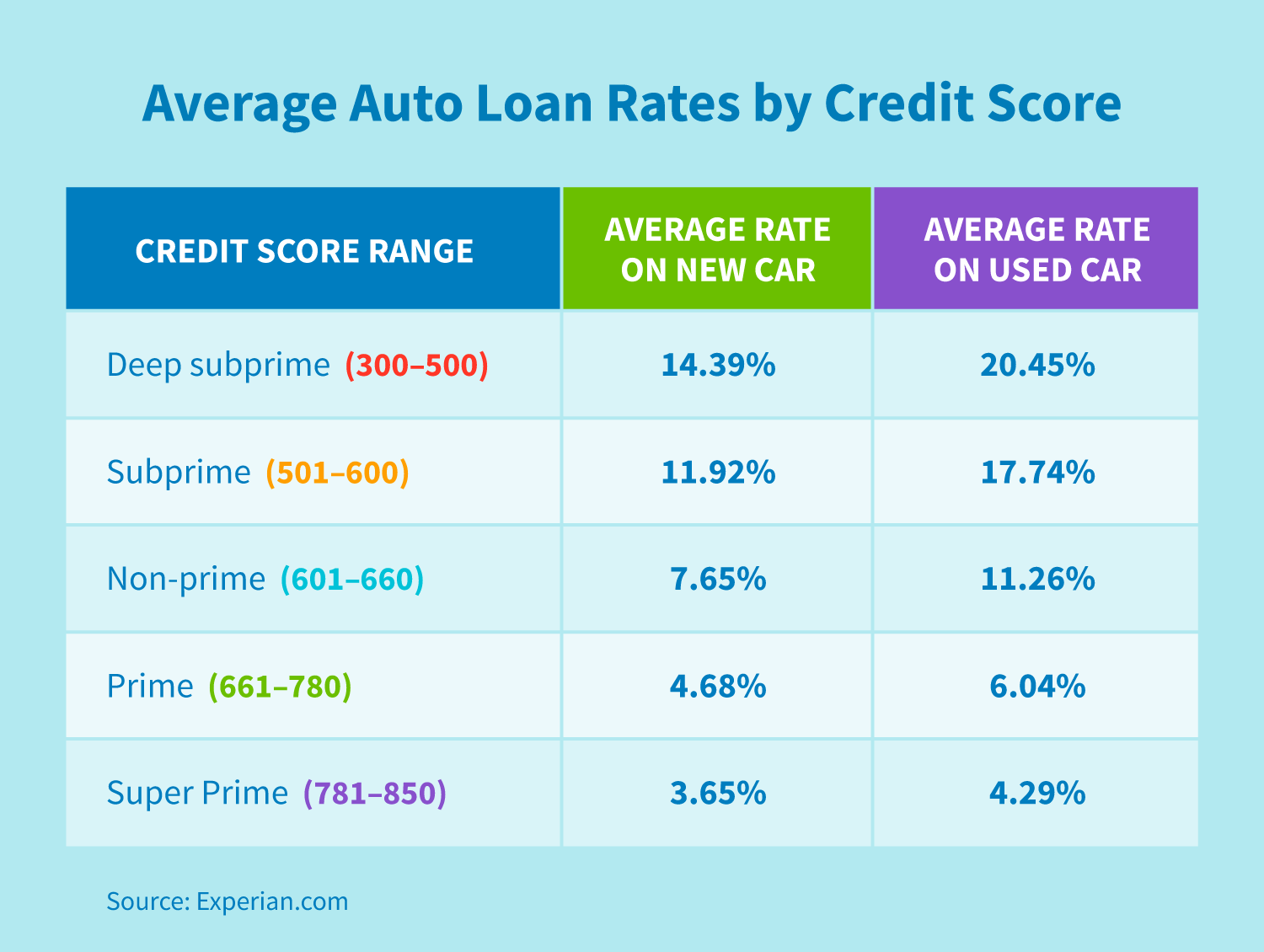
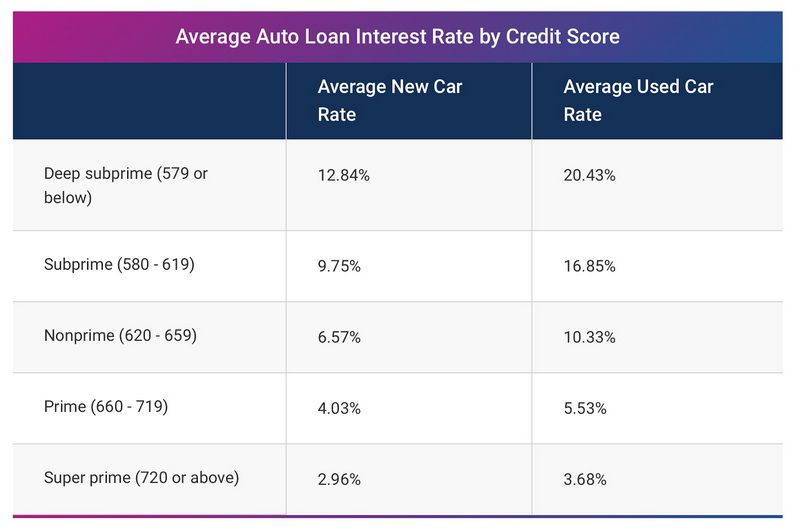
Undoubtedly, your credit score is the single most important factor in determining your auto loan interest rate. Lenders use this three-digit number to assess your creditworthiness and the likelihood of you repaying the loan. A higher credit score (typically FICO scores above 720) signals lower risk, allowing lenders to offer their most favorable, lower interest rates. Conversely, a lower credit score (below 600) indicates higher risk, leading to significantly higher interest rates, if approved at all, to compensate the lender for that increased risk. This is why individuals with excellent credit might see rates in the low single digits, while those with poor credit could face rates in the double digits. Before even stepping foot in a dealership or applying online, reviewing and improving your credit score should be a priority.
New vs. Used Vehicles: A Rate Divide
There’s a consistent trend in auto lending: new cars generally come with lower interest rates than used cars. This disparity stems from several factors. New cars are typically less risky for lenders because they depreciate slower initially, have predictable maintenance costs (often covered by warranty), and are less prone to mechanical issues. In contrast, used cars, especially older models, carry higher risks due to unknown maintenance history, potential mechanical problems, and faster depreciation. Lenders mitigate this increased risk by charging higher interest rates on used car loans. Furthermore, manufacturers often offer promotional, subsidized interest rates on new cars to boost sales, a benefit rarely extended to used vehicles.
Loan Term and Down Payment: Influencing Affordability
The length of your loan term (e.g., 36, 48, 60, 72, or even 84 months) has a direct impact on the interest rate. Shorter loan terms typically come with lower interest rates because the lender’s money is tied up for a shorter period, reducing their exposure to risk and economic fluctuations. While a longer term means lower monthly payments, it almost always translates to a higher interest rate and significantly more interest paid over the life of the loan.
Similarly, the size of your down payment plays a crucial role. A larger down payment reduces the amount you need to borrow, thereby lowering the lender’s risk. This can lead to a lower interest rate offer. A substantial down payment also means you’re less likely to be “underwater” on your loan (owing more than the car is worth), which is an attractive prospect for lenders.

Lender Type and Economic Climate
Different types of lenders have varying appetites for risk and operational structures, which impacts their rate offerings. Credit unions, for example, are member-owned non-profits and often offer some of the most competitive rates due to their cooperative structure. Large national banks provide convenience and a broad range of products but may have stricter underwriting. Captive finance companies (e.g., Ford Credit, Toyota Financial Services) often provide highly attractive, sometimes subsidized, rates for new vehicles of their respective brands as a sales incentive. Online lenders offer speed and convenience and can be competitive, especially for borrowers with good credit. The prevailing economic climate, as discussed earlier, overlays all these factors, influencing the base rates that all lenders start from.
Navigating the Market: How to Secure a Favorable Rate
Armed with knowledge of the factors influencing interest rates, the next step is to strategically navigate the market to secure the best possible deal. Proactive preparation and savvy shopping can save you thousands.
The Power of Pre-Approval and Comparison Shopping
One of the most effective strategies is to get pre-approved for a loan before you visit the dealership. Pre-approval from a bank, credit union, or online lender provides you with a concrete interest rate offer, allowing you to walk into the dealership knowing your baseline financing costs. This empowers you to negotiate the car’s price separately from the financing, preventing the dealer from obscuring the true cost by manipulating interest rates.
Furthermore, comparison shopping across multiple lenders is non-negotiable. Don’t settle for the first offer you receive, especially not the one from the dealership’s finance department without checking alternatives. Obtain quotes from at least three to five different sources. Most lenders use a “soft inquiry” to pre-qualify you, which doesn’t harm your credit score. Once you’re ready to apply, multiple “hard inquiries” within a short period (typically 14-45 days) for the same type of loan are usually treated as a single inquiry by credit bureaus, minimizing their impact on your score.
Optimizing Your Financial Profile for Lower Rates
To present yourself as the most attractive borrower, take steps to improve your credit score well in advance of applying for a loan. This includes paying bills on time, reducing existing debt, and correcting any errors on your credit report. If possible, make a larger down payment. This not only reduces your loan amount but also signals financial stability to lenders. Opting for a shorter loan term will also typically net you a lower interest rate, though it comes with higher monthly payments. Assess your budget carefully to find the shortest term you can comfortably afford without straining your finances.
Decoding APR vs. Interest Rate
When comparing loan offers, it’s crucial to understand the difference between the interest rate and the Annual Percentage Rate (APR). The interest rate is simply the cost of borrowing the principal amount. The APR, however, represents the total annual cost of the loan, including the interest rate plus any additional fees (such as origination fees, closing costs, or administrative charges) that the lender might charge. Always compare the APRs, as this gives you a more accurate picture of the true cost of borrowing and allows for a true apples-to-apples comparison between different loan products. A lower APR always indicates a cheaper loan overall.
The Real-World Impact and Future Outlook
Understanding the average auto loan interest rate isn’t just an academic exercise; it has tangible implications for your personal finances. Being informed allows you to better manage your budget and make strategic long-term financial decisions.
Calculating Your Total Cost of Borrowing
Even a seemingly small difference in interest rates can lead to substantial differences in the total amount you pay over the life of an auto loan. For instance, on a $30,000 loan over 60 months, a 5% interest rate results in total interest paid of approximately $3,950. If that rate were 7%, the total interest jumps to about $5,550—a difference of $1,600. This calculation highlights why chasing even a fractional reduction in your interest rate is worth the effort. Always use an online auto loan calculator to understand the full amortization schedule, including total interest and principal paid, for any loan offer.
General Current Averages and Trends to Watch
While averages fluctuate daily, general trends provide context. As of late 2023 and early 2024, the average interest rate for new car loans for borrowers with excellent credit (780+) often hovers between 4.5% and 7.5%, while those with good credit (660-719) might see rates between 7.5% and 11%. For used car loans, these rates are typically 2-4 percentage points higher across all credit tiers, reflecting the increased risk. Economic forecasts suggest continued vigilance regarding inflation and the Federal Reserve’s stance on interest rates. Any further rate hikes could push auto loan averages higher, while a pivot to rate cuts could bring them down. Staying informed about economic news and central bank decisions will help predict market movements.
Strategic Considerations for Borrowers
Ultimately, securing a favorable auto loan interest rate is about preparation and persistence. Focus on improving your credit health, saving for a significant down payment, and rigorously comparing offers from multiple lenders. Don’t be afraid to negotiate, not just on the vehicle price but also on the financing terms. Consider the total cost of ownership, including insurance, maintenance, and fuel, alongside your loan payments. By taking a holistic and informed approach, you can navigate the auto loan market effectively and drive away with a deal that aligns with your financial goals. The average auto loan interest rate is a benchmark, but your personal rate is a product of your financial diligence and smart shopping.
aViewFromTheCave is a participant in the Amazon Services LLC Associates Program, an affiliate advertising program designed to provide a means for sites to earn advertising fees by advertising and linking to Amazon.com. Amazon, the Amazon logo, AmazonSupply, and the AmazonSupply logo are trademarks of Amazon.com, Inc. or its affiliates. As an Amazon Associate we earn affiliate commissions from qualifying purchases.