
In the rapidly evolving landscape of digital finance and consumer technology, certain applications emerge to redefine how individuals interact with money. While the query “Vemno” might reflect a common phonetic interpretation or a slight misspelling, the widely recognized and influential application in question is Venmo. An integral part of the mobile payment ecosystem, Venmo has fundamentally reshaped peer-to-peer (P2P) transactions, blending financial utility with social networking elements. This exploration delves into Venmo’s core functionality, its technological underpinnings, security measures, and its significant impact on digital financial interactions.
Unpacking the Concept: What Venmo Represents in Digital Payments
At its heart, Venmo is a mobile payment service owned by PayPal, designed to simplify the process of sending and receiving money between friends, family, and increasingly, businesses. Launched in 2009, it quickly gained traction for its user-friendly interface and its innovative approach to what was once a cumbersome financial task. Before Venmo, splitting a dinner bill or collecting money for a group gift often involved cash, checks, or clunky bank transfers. Venmo streamlined this, creating a seamless digital solution accessible from any smartphone.

The Rise of Digital Wallets
Venmo’s success is emblematic of the broader shift towards digital wallets and cashless transactions. As smartphones became ubiquitous, the demand for financial tools that mirrored this mobile convenience grew. Venmo capitalized on this by offering an app-based solution that served as a digital wallet, allowing users to link their bank accounts, debit cards, or credit cards to fund payments or withdraw received funds. This eliminated the physical barriers to financial exchange, fostering a more interconnected and instantaneous economic environment for everyday consumers.
More Than Just Payments
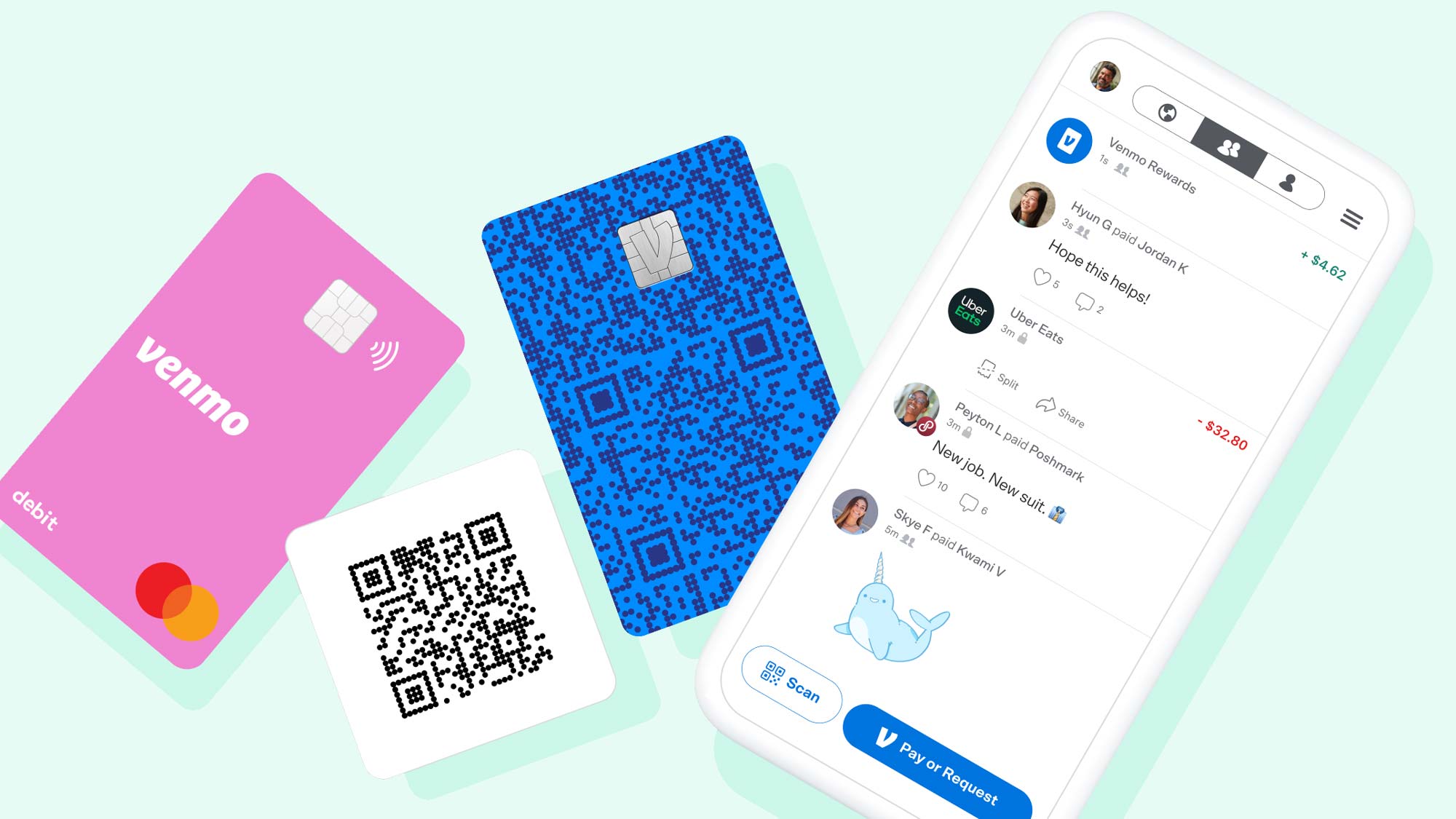
What truly distinguished Venmo in its early days, and continues to set it apart for many users, is its integrated social feed. Every public transaction made through Venmo can appear in a social feed, much like updates on social media platforms. Users can add emojis, comments, and personalize their payment descriptions, transforming a purely financial interaction into a social one. While privacy settings allow users to keep transactions private or visible only to friends, this social layer fostered a sense of community and transparency that resonated deeply with a younger, digitally native demographic. This unique blend positioned Venmo not just as a financial tool, but as a lifestyle app.
How Venmo Works: A Seamless Technological Experience
Understanding Venmo involves recognizing the straightforward yet robust technology that powers its operations. The platform is designed for intuitive use, making digital transactions accessible to a broad user base, regardless of their technical proficiency.
Sending and Receiving Money
The core functionality of Venmo revolves around sending and receiving money. To send money, a user simply selects a recipient from their contacts, enters the amount, adds a note (often playful or descriptive), and taps ‘Pay’. The funds are instantly deducted from the sender’s Venmo balance, linked bank account, or card, and appear in the recipient’s Venmo balance. Receiving money is equally simple; funds sent to a user automatically appear in their Venmo balance. From this balance, users can choose to keep the money in their Venmo account for future transactions or transfer it to a linked bank account. Standard bank transfers typically take 1-3 business days, though Venmo also offers an “Instant Transfer” option for a small fee, which moves funds to a linked debit card in minutes.
Integrating with Your Bank and Cards
Venmo facilitates its operations by acting as an intermediary between users and their traditional financial institutions. Upon setting up an account, users can link their bank accounts directly using their online banking credentials or by manually entering account and routing numbers. Debit and credit cards can also be added. While debit card payments are generally free, a small fee (typically 3%) is applied when sending money using a credit card. This integration ensures that while Venmo provides the digital interface, the underlying financial stability and security are rooted in established banking infrastructure.
Social Features and Transaction History
Beyond the core payment mechanism, Venmo’s technology incorporates robust social and record-keeping features. Each transaction, regardless of its privacy setting, is recorded in the user’s personal transaction history, providing a clear digital ledger of past payments. The public or friends-only feed allows users to see their network’s non-private transactions, which can range from splitting rent to casual coffee payments. This social feed is powered by an underlying algorithm that manages data flow and privacy settings, ensuring that users retain control over what information is shared and with whom, fostering both engagement and security.
Security and Privacy on the Venmo Platform
In any financial application, especially one dealing with instant digital transfers, security and privacy are paramount. Venmo, as a subsidiary of PayPal, leverages significant resources to protect user data and financial transactions.
Encryption and Fraud Protection
Venmo employs advanced encryption protocols to safeguard all financial transactions and personal information. Data exchanged between the user’s device and Venmo’s servers is encrypted, making it unreadable to unauthorized parties. The platform also implements multi-factor authentication, allowing users to add an extra layer of security beyond their password, such as a PIN or biometric authentication (fingerprint, facial recognition). Furthermore, Venmo’s dedicated security team continuously monitors for suspicious activity and employs fraud detection algorithms to identify and prevent unauthorized transactions, offering purchase protection on eligible transactions made with Venmo.
User Responsibilities and Best Practices
While Venmo invests heavily in security infrastructure, user vigilance remains crucial. Users are advised to use strong, unique passwords, enable multi-factor authentication, and be wary of phishing scams or requests for money from unknown sources. Venmo transactions are generally irreversible once completed, emphasizing the importance of verifying the recipient before sending funds. The app explicitly states its purpose for P2P transactions between trusted individuals, and advises caution when using it for transactions with unknown parties, particularly for goods and services where specific buyer/seller protections might not apply as they would on platforms like PayPal.
Data Privacy Controls
Venmo offers granular privacy controls for transactions. Users can choose to make each payment public, visible only to their Venmo friends, or entirely private. This flexibility allows individuals to manage their digital footprint and financial transparency according to their preferences. Venmo also adheres to strict data privacy regulations, ensuring that personal and financial information is handled responsibly and not shared with third parties without explicit consent, beyond what is necessary for service provision or legal compliance.
Beyond Peer-to-Peer: Venmo’s Expanding Ecosystem
While its foundation lies in P2P payments, Venmo has strategically expanded its offerings, evolving into a more comprehensive digital financial tool. This expansion has solidified its position within the broader tech and financial services landscape.
Business Profiles and Payments
Recognizing the growing trend of small businesses and freelancers leveraging digital platforms, Venmo introduced Business Profiles. These accounts allow businesses to accept payments from customers directly through the Venmo app, often at a lower transaction fee than traditional card processors. This feature has been particularly popular with mobile vendors, independent contractors, and small online shops, providing a convenient and recognizable payment method for their clientele. It bridges the gap between casual P2P payments and more formal commercial transactions, all within the familiar Venmo interface.
Debit Card and Credit Card Integration
To further integrate into users’ daily financial lives, Venmo offers its own physical and virtual payment cards. The Venmo Debit Card, powered by Mastercard, allows users to spend their Venmo balance anywhere Mastercard is accepted. It also offers cash-back rewards at select merchants. Similarly, the Venmo Credit Card, issued by Synchrony Bank, provides cash-back on eligible purchases across various categories, with the rewards automatically deposited into the user’s Venmo balance. These cards transform Venmo from a solely in-app payment solution into a versatile spending tool, extending its utility beyond the digital realm.
Crypto on Venmo
In a significant move aligning with emerging financial technologies, Venmo introduced the ability to buy, hold, and sell cryptocurrencies directly within the app. Users can access four major cryptocurrencies—Bitcoin, Ethereum, Litecoin, and Bitcoin Cash—with as little as $1. This integration makes cryptocurrency more accessible to a mainstream audience, lowering the barrier to entry for those interested in digital assets. While it’s primarily a holding and trading platform within Venmo, it represents the app’s commitment to staying at the forefront of financial innovation and catering to the evolving interests of its tech-savvy user base.
The Future of Digital Payments and Venmo’s Role
Venmo operates in a highly competitive and dynamic market, constantly adapting to technological advancements and shifting consumer expectations. Its continued success hinges on its ability to innovate while maintaining its core appeal.
Competing in a Crowded Market
The digital payment space is crowded with formidable players, from established banks with their own P2P services (like Zelle) to tech giants entering the fray (Apple Pay, Google Pay Cash). Venmo differentiates itself through its social features, user experience, and strong brand recognition, particularly among millennials and Gen Z. Its affiliation with PayPal also provides a significant competitive advantage in terms of infrastructure and user trust. The ongoing competition pushes Venmo to continuously refine its offerings and explore new avenues for growth, ensuring it remains relevant in a fast-paced environment.

Innovation and User Adoption
Venmo’s trajectory demonstrates a clear commitment to innovation, from its initial social payment model to its expansion into business payments, physical cards, and cryptocurrency. As technology continues to evolve, Venmo is likely to explore further integrations with augmented reality, voice payments, and other emerging tech trends to enhance user experience. The key to its future success will be sustained user adoption, driven by a balance of convenience, security, and a compelling feature set that meets the evolving demands of digital-first consumers. Ultimately, Venmo remains a crucial touchstone in understanding how technology facilitates everyday financial interactions, continually pushing the boundaries of what a mobile payment app can achieve.
aViewFromTheCave is a participant in the Amazon Services LLC Associates Program, an affiliate advertising program designed to provide a means for sites to earn advertising fees by advertising and linking to Amazon.com. Amazon, the Amazon logo, AmazonSupply, and the AmazonSupply logo are trademarks of Amazon.com, Inc. or its affiliates. As an Amazon Associate we earn affiliate commissions from qualifying purchases.