
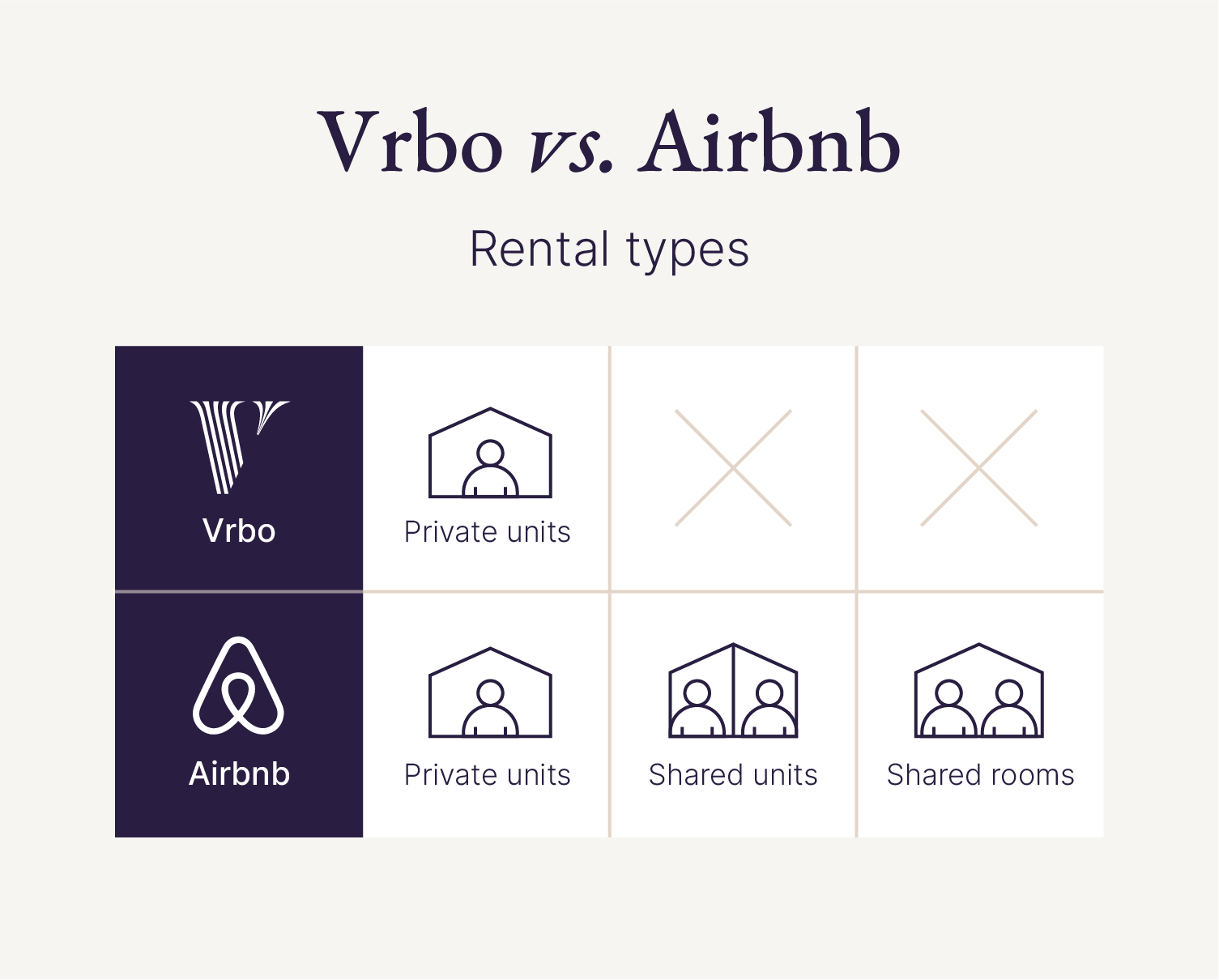
In the modern landscape of personal finance and real estate investing, the acronym Vrbo has become synonymous with a lucrative asset class. Originally standing for “Vacation Rentals by Owner,” Vrbo is a premier online marketplace that connects property owners with travelers seeking whole-home accommodations. Unlike its competitors that may offer shared spaces or single rooms, Vrbo specializes in entire properties, positioning it as a high-tier platform for serious real estate investors and homeowners looking to monetize their primary or secondary residences.
For the modern investor, understanding Vrbo is not just about knowing a travel app; it is about understanding a sophisticated financial ecosystem. As the “gig economy” evolves into the “asset economy,” Vrbo serves as a bridge, allowing individuals to transform idle real estate into cash-flowing businesses. Whether you are looking for a side hustle to supplement your income or a scalable business model to build a real estate portfolio, Vrbo offers a structured framework for generating significant online income.
The Economics of Short-Term Rentals: How Vrbo Generates Income
At its core, Vrbo functions as a financial intermediary. It provides the digital infrastructure, marketing reach, and payment processing necessary for a property owner to operate as a micro-hotelier. For an investor, the primary appeal of Vrbo lies in the potential for higher yields compared to traditional long-term leasing.
Revenue Potential and Yield Optimization
The financial allure of the short-term rental (STR) market is driven by the premium guests are willing to pay for nightly stays compared to monthly contracts. While a long-term tenant might pay a fixed monthly rent, a Vrbo property can command that same amount in a single week during peak seasons. This creates a high-ceiling revenue model where the “yield”—the annual income generated by the property relative to its value—can significantly outperform traditional real estate benchmarks.
To maximize this income, successful hosts utilize dynamic pricing strategies. This involves adjusting nightly rates in real-time based on local demand, major events, and seasonal trends. By treating a property as a dynamic financial asset rather than a static rental, owners can capture “consumer surplus,” ensuring they are never leaving money on the table during high-traffic periods.
Fee Structures and Bottom-Line Impact
Understanding the “Money” aspect of Vrbo requires a deep dive into its fee structure. Vrbo typically offers two models for hosts: a pay-per-booking fee or an annual subscription.
-
Pay-per-booking: This is ideal for part-time hosts or those just starting a side hustle. It usually involves a percentage-based commission on each reservation.
-
Annual Subscription: For professional investors or full-time hosts with high occupancy rates, a flat annual fee often yields a better return on investment (ROI) by eliminating the commission per booking.
Beyond the platform fees, investors must account for credit card processing fees and local lodging taxes. Calculating the “net effective income” is crucial; a property grossing $5,000 a month might only net $3,500 after platform fees, cleaning costs, and utilities are deducted.
Vrbo vs. Airbnb: A Financial Comparison for Investors
In the world of online income and property management, the choice of platform is a strategic business decision. While Airbnb often dominates the cultural conversation, Vrbo offers a distinct financial profile that may be more attractive to specific types of investors.
Target Demographics and Average Daily Rates (ADR)
Vrbo’s primary market is families and larger groups seeking multi-bedroom homes. From a business perspective, this demographic is highly desirable. Families tend to have higher disposable incomes, stay for longer durations, and cause less “wear and tear” compared to the younger, more transient demographic often associated with shared-space platforms.
Because Vrbo focuses exclusively on whole homes, the Average Daily Rate (ADR) on the platform is typically higher. For an investor, this means fewer check-ins and check-outs are required to reach revenue targets, reducing operational costs and management overhead.
Quality of Guest and Insurance Protections
From a risk management standpoint, Vrbo provides several layers of protection that safeguard the investor’s capital. The platform offers liability insurance and damage protection options. In the realm of business finance, protecting the underlying asset is just as important as generating cash flow. Vrbo’s focus on “whole home” rentals often attracts a more mature guest profile, which can lead to lower maintenance costs over the long term, preserving the property’s resale value.

Maximizing ROI: Financial Strategies for Vrbo Hosts
To move beyond a simple side hustle and into the realm of professional investing, one must apply rigorous financial discipline to their Vrbo operations. This involves more than just “listing a room”; it requires a comprehensive approach to capital allocation and expense management.
Leveraging Data for Property Acquisition
The most successful Vrbo investors don’t buy property based on where they want to vacation; they buy based on data. Tools like AirDNA or Mashvisor allow investors to analyze historical occupancy rates, seasonal revenue fluctuations, and the “Cap Rate” (Capitalization Rate) of specific neighborhoods.
A “Cash-on-Cash Return” analysis is the gold standard for this niche. If an investor puts down $100,000 on a $500,000 property, and the Vrbo generates $20,000 in net profit annually, the cash-on-cash return is 20%. In the world of personal finance, few low-risk investments offer such high potential returns, provided the investor understands the local market dynamics.
Professionalization as a Cost-Saving Measure
While it may seem counterintuitive, spending money on professional photography and interior design can drastically increase ROI. In the digital marketplace, your “storefront” is your listing page. A professionally designed home can often command a 20-30% premium over a standard rental. Furthermore, implementing automated systems—such as smart locks and automated guest messaging—reduces the “time-cost” of the investment, moving the income stream closer to the “passive” end of the spectrum.
Managing Expenses and Taxes in the Vacation Rental Business
Running a Vrbo is a legitimate business, and like any business, tax efficiency is the key to wealth retention. Many new hosts fail to realize the significant tax advantages associated with the short-term rental market.
Deductions and Depreciation
For those using Vrbo as a significant source of income, the tax code offers several “shielding” mechanisms. All operating expenses—from the platform’s service fees to the cost of snacks left for guests—are typically tax-deductible.
However, the most powerful tool in the investor’s arsenal is depreciation. The IRS allows property owners to deduct the cost of the building (not the land) over a set number of years. In some cases, “cost segregation” studies allow investors to accelerate this depreciation, creating large “paper losses” that can offset other income, significantly reducing the overall tax burden.
The 14-Day Rule (Augusta Rule)
For homeowners looking for a low-stakes side hustle, the “Augusta Rule” is a valuable financial hack. This IRS provision allows homeowners to rent out their primary residence for up to 14 days per year without having to report any of the rental income on their federal tax return. For those living near major event sites (like the Masters tournament in Augusta or the Super Bowl), this can result in thousands of dollars of tax-free income.
The Future of Vacation Rental Investing
As the short-term rental market matures, the “Vrbo economy” is becoming increasingly professionalized. We are seeing a shift from the casual “side hustle” host to corporate-level property management and institutional investment.
Regulation and Risk Mitigation
The primary financial risk to the Vrbo model is local regulation. Many cities are implementing strict zoning laws or “STR taxes” to curb the growth of vacation rentals. For the savvy investor, this means diversification is essential. Relying on a single property in a single jurisdiction is a high-risk strategy. Successful players in this space often build portfolios across different markets to mitigate the impact of localized regulatory shifts.
Scaling Your Side Hustle
The ultimate goal for many Vrbo hosts is to scale. Once a single property is optimized and cash-flowing, the income can be used to secure financing for a second or third location. This “snowball effect” is a classic wealth-building strategy. By utilizing the proven income history of a Vrbo property, investors can often qualify for more favorable debt terms, allowing them to leverage other people’s money (OPM) to build a multi-million dollar real estate empire.
In conclusion, Vrbo is much more than a booking platform; it is a gateway to the modern real estate market. By understanding the platform’s unique financial levers—from fee structures and ADR optimization to tax depreciation and market analysis—individuals can transform a simple “home for rent” into a sophisticated engine for financial freedom. Whether you are looking to pay off your mortgage early or build a dedicated investment portfolio, the Vrbo ecosystem provides the tools necessary to thrive in the 21st-century economy.
aViewFromTheCave is a participant in the Amazon Services LLC Associates Program, an affiliate advertising program designed to provide a means for sites to earn advertising fees by advertising and linking to Amazon.com. Amazon, the Amazon logo, AmazonSupply, and the AmazonSupply logo are trademarks of Amazon.com, Inc. or its affiliates. As an Amazon Associate we earn affiliate commissions from qualifying purchases.