
The High-Stakes Economics of the Vanilla Bean
In the world of commodities, few ingredients command the market volatility or financial intrigue of vanilla. While the average consumer perceives vanilla as a simple, ubiquitous flavor profile, those in the business of food production and high-end gastronomy understand it as a luxury asset—often ranking in price behind only saffron. Understanding what vanilla is “made from” requires looking past the botanical orchid and into the complex supply chain and financial mechanics that dictate its value.
For investors and business owners, vanilla is a masterclass in market scarcity. The global supply is heavily concentrated in specific regions, primarily Madagascar, which produces roughly 80% of the world’s supply. This geographic monopoly creates a high-stakes environment where a single cyclone or labor shortage can send the price of vanilla beans skyrocketing, impacting profit margins for global food conglomerates and artisanal bakeries alike. When we analyze vanilla as a financial entity, we see a commodity that functions less like a shelf-stable spice and more like a high-volatility stock, heavily influenced by climate patterns and speculative trading.

The True Cost of Production
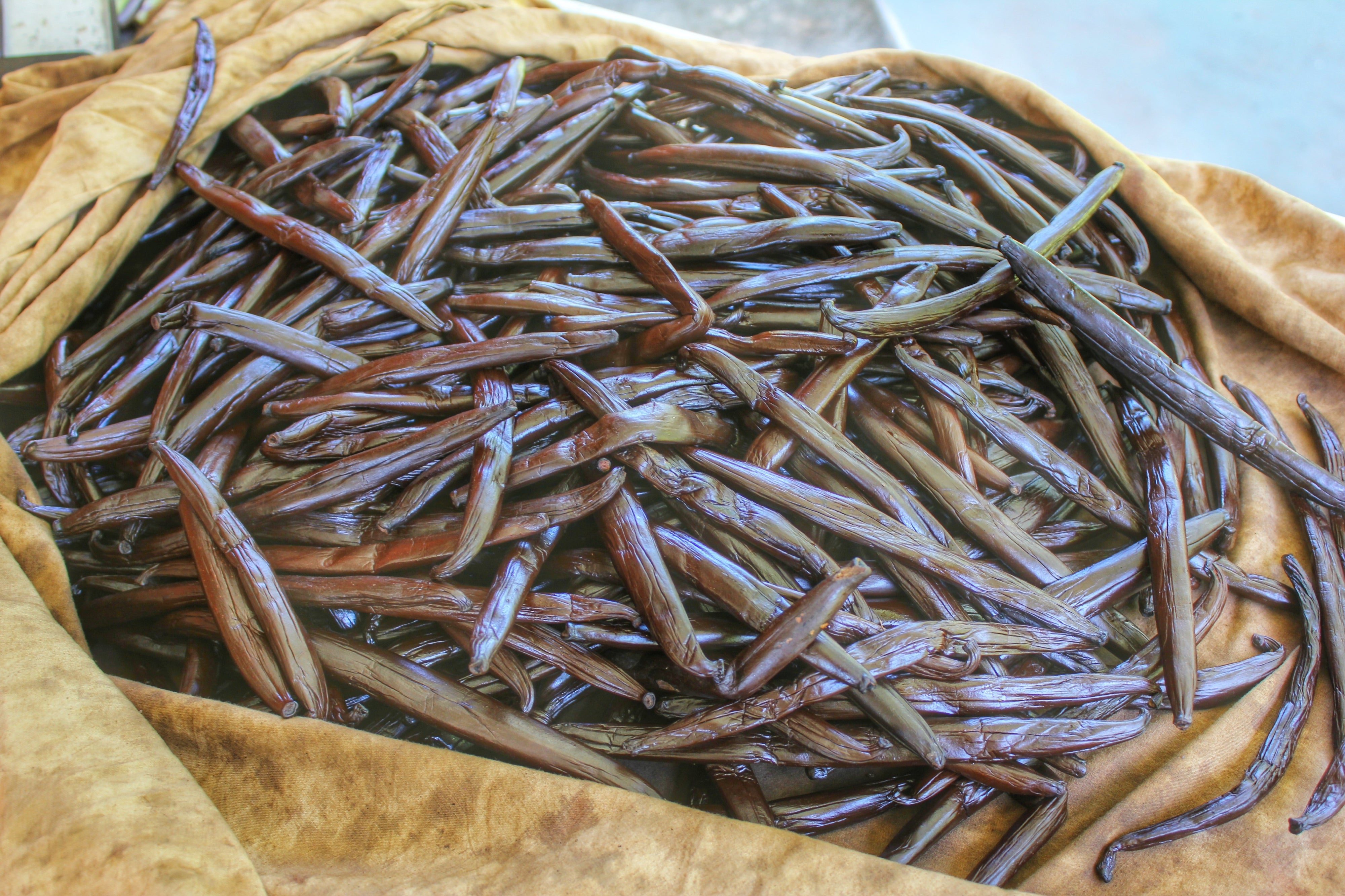
The financial viability of natural vanilla production is hampered by an incredibly labor-intensive process. Vanilla is derived from the Vanilla planifolia orchid. Unlike staple crops that can be harvested by machinery, vanilla is a boutique agricultural product. Each individual flower must be hand-pollinated within a tiny, narrow window of time—often only a few hours—during which the flower is open. This reliance on human labor means that the cost of vanilla is directly pegged to local wage structures and agricultural stability.
Once pollinated, the green beans undergo a months-long curing process, which involves blanching, sweating, and sun-drying. During this time, the bean must be meticulously turned and massaged to ensure the development of vanillin—the primary chemical compound responsible for the flavor profile. This operational overhead is significant, and for companies attempting to maintain margins, it is a constant source of pressure. When the price of natural vanilla surges, corporations are forced to choose between passing costs to the consumer or eroding their own gross margins.
Market Dynamics and Price Elasticity
The volatility of vanilla pricing has created a distinct shift in how the food industry approaches product development. Because natural vanilla is so susceptible to supply chain shocks, many businesses have moved toward a tiered strategy. High-end brands market their “pure” or “organic” vanilla as a premium differentiator, justifying the price point to the consumer, while mass-market retailers often utilize synthetic alternatives or hybrid blends to insulate themselves from market fluctuations. This bifurcation allows companies to manage their balance sheets while still catering to varying levels of consumer demand for “natural” labeling.
The Synthetic Alternative: The Science of Financial Optimization
When the price of natural vanilla beans becomes prohibitive, the industry pivots to a solution born from industrial chemistry and cost-efficiency: synthetic vanillin. This is the “made from” answer that most consumers don’t expect. While natural vanilla is a complex mixture of over 200 distinct chemical compounds, synthetic vanillin is a single molecule—a refined chemical creation that mimics the primary flavor profile of the bean.
The Feedstock Revolution
Historically, synthetic vanillin was derived from wood pulp (a byproduct of the paper industry) or guaiacol, a derivative of coal tar. This transformation represents the ultimate “business finance” approach to flavor. By leveraging byproduct waste streams, the industry turned a low-value commodity—wood pulp—into a high-demand additive. This innovation essentially decoupled the flavor industry from the vagaries of climate change and agricultural instability.

For food manufacturers, the financial decision is clear: synthetic vanillin offers cost stability and infinite scalability. It is not subject to the same supply chain risks as the vanilla orchid. In the realm of business finance, this is a perfect example of substitution strategy, where an expensive, unpredictable input is replaced by a low-cost, consistent one to maintain profitability without sacrificing the core consumer experience.
Brand Differentiation and Market Positioning
The challenge for modern companies is that the rise of consumer awareness has made “synthetic” a dirty word in marketing. Brands are now facing a strategic crossroads: continue using cost-efficient synthetic vanillin and risk a brand perception hit, or pay the premium for natural vanilla and potentially lose price competitiveness.
This tension is where brand strategy meets financial management. Many companies have opted for a hybrid approach—using “natural vanilla flavor” derived from fermentation processes. These processes utilize yeast or bacteria to synthesize vanillin from sources like ferulic acid, which is found in rice bran. Because this process happens in a controlled laboratory environment rather than in a field, it is classified as “natural” for labeling purposes while remaining immune to the extreme price swings that plague hand-harvested vanilla beans. This is a sophisticated branding maneuver: providing the “natural” label consumers demand at a price point that keeps the company’s P&L in the black.
Leveraging Vanilla in Business Strategy
The story of what vanilla is made from is, at its core, a story of how a business navigates value, supply, and consumer perception. Whether a business deals in food, investment, or marketing, vanilla serves as a prime case study in how to handle a volatile asset.
Managing Price Exposure
For businesses that require vanilla as a key input, the standard financial playbook is to diversify the supply base. Relying solely on a single region like Madagascar is a recipe for fiscal disaster. Savvy operations develop a multi-source strategy, investing in smaller vanilla-producing regions like Uganda, Indonesia, or Tahiti. While this may increase logistics costs, it acts as a hedge against catastrophic climate events or geopolitical instability in any one region.
Furthermore, some forward-thinking businesses engage in direct-trade models. By cutting out the layers of middlemen—the traders, curers, and exporters who extract value at every stage—companies can stabilize their costs while ensuring a fairer price for the farmers. This isn’t just an ethical choice; it is a financial one. By building long-term, direct relationships, firms secure a more reliable flow of product, reducing the need for emergency spot-market purchases that occur when prices are at their peak.
The Role of Consumer Perception in Branding
The “natural vs. synthetic” debate is the defining brand challenge in the flavor market. How a company positions its vanilla tells the consumer everything they need to know about the brand’s values and its financial priorities.
A brand that emphasizes the provenance of its vanilla—mentioning the specific farm, the curing process, and the artisanal nature of the harvest—is signaling to the consumer that they are willing to pay for quality. This is a strategy of value-based pricing. By leaning into the narrative of the “bean,” the brand justifies a higher retail price. Conversely, brands that focus on the universality of the flavor, prioritizing accessibility and mass adoption, often find that consumers are less concerned with the source.
The most successful brands are those that remain transparent while managing the bottom line. They recognize that in the modern economy, the consumer is more informed than ever. Pretending that synthetic vanilla is the same as the hand-cured orchid is a strategy that risks long-term brand equity damage. Instead, top-tier organizations are moving toward radical transparency, explaining the economics of the bean to the consumer, which paradoxically increases trust and allows for the premium pricing of natural products.
In conclusion, understanding what vanilla is made from requires moving beyond the kitchen and into the boardroom. It is an exploration of the balance between raw agricultural limitations and the ingenuity of industrial chemistry. For the investor or entrepreneur, the lesson is clear: every ingredient has a story, and every story carries a price. Success lies in understanding the volatility of the source and choosing a strategy that aligns with your brand’s promise and your financial reality. Whether it is a hand-pollinated bean from a remote island or a lab-grown molecule, vanilla remains a vital component of the global economy, proving that even the simplest flavors are driven by the most complex financial structures.
aViewFromTheCave is a participant in the Amazon Services LLC Associates Program, an affiliate advertising program designed to provide a means for sites to earn advertising fees by advertising and linking to Amazon.com. Amazon, the Amazon logo, AmazonSupply, and the AmazonSupply logo are trademarks of Amazon.com, Inc. or its affiliates. As an Amazon Associate we earn affiliate commissions from qualifying purchases.