
As Arizona continues to evolve into the “Silicon Desert,” the intersection of public health and high technology has become a focal point for regional innovation. Valley Fever, scientifically known as Coccidioidomycosis, is a fungal infection caused by the Coccidioides spores found in the arid soils of the Southwest. While traditionally viewed through a purely medical lens, the fight against this endemic condition is increasingly being won through advanced software, artificial intelligence, and sophisticated environmental monitoring tools.
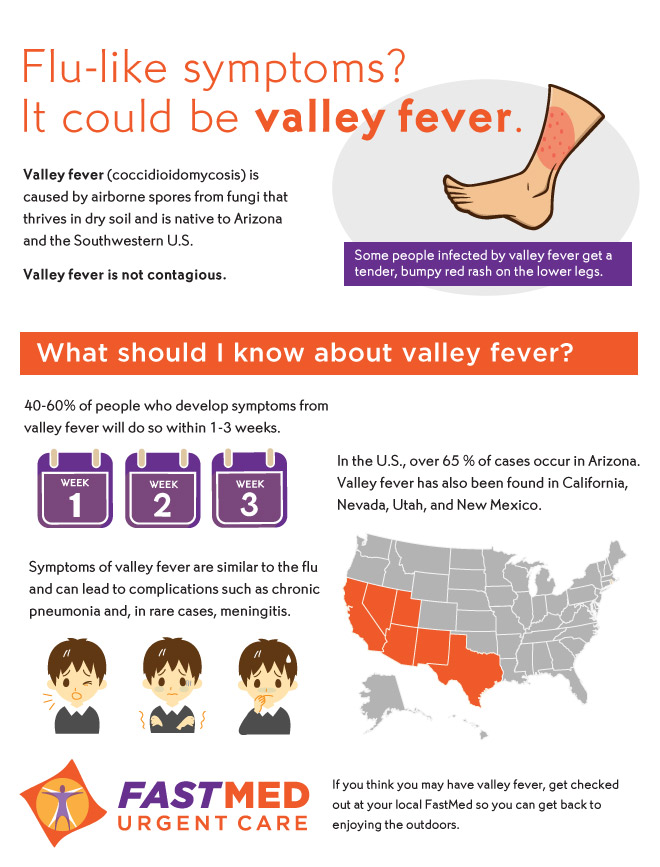
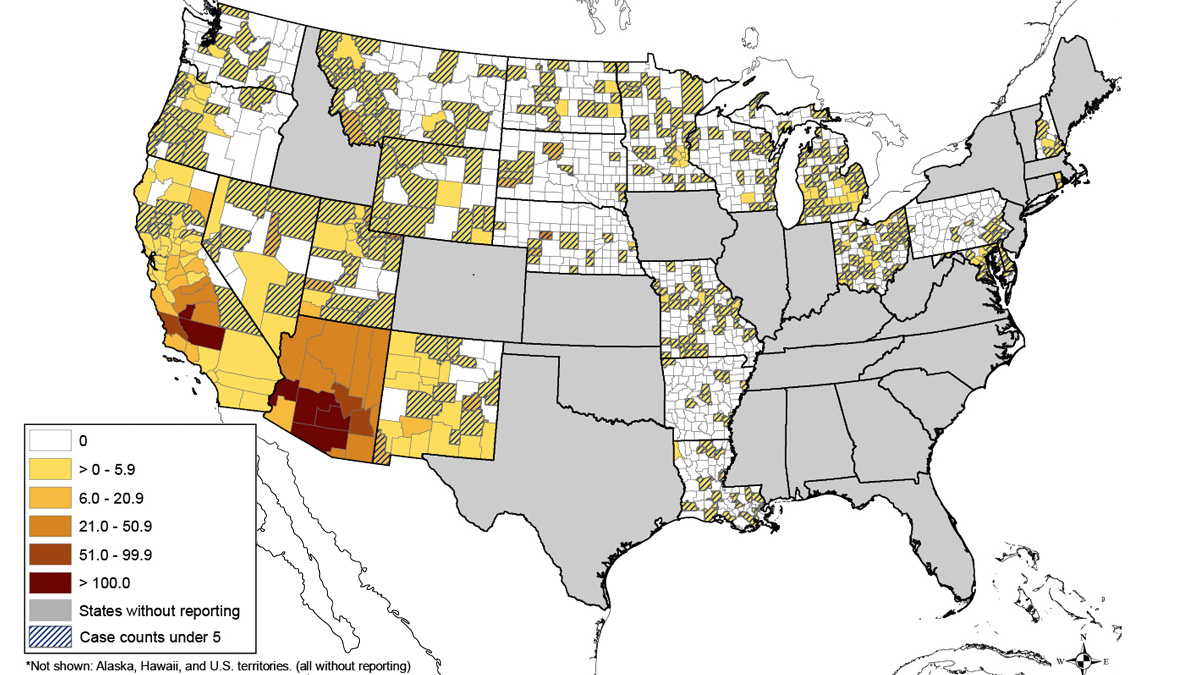
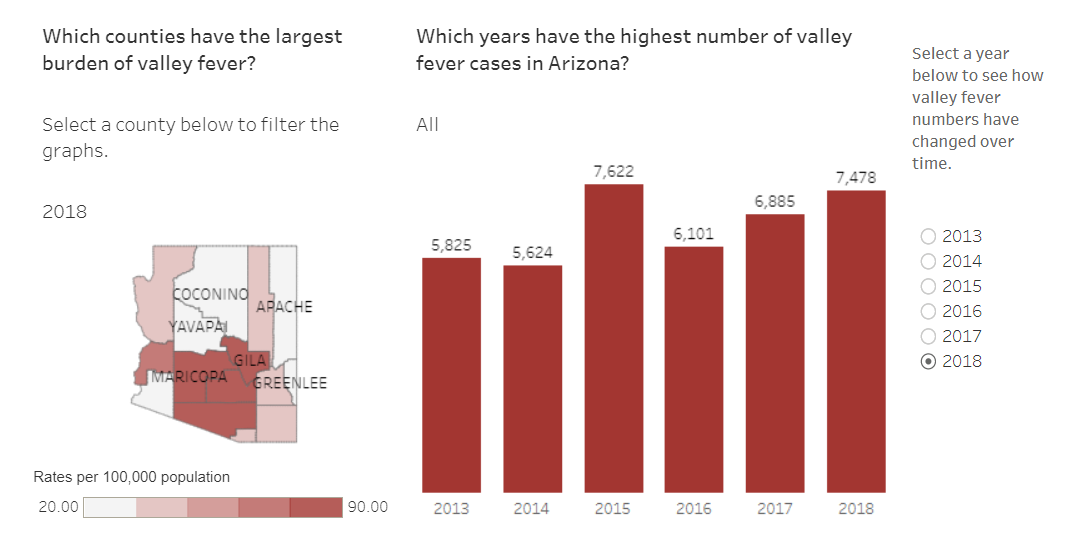
In Arizona, where two-thirds of all national cases originate, technology is no longer just a supporting player; it is the primary engine driving early detection, environmental forecasting, and the eventual development of a vaccine. This technological pivot is not only saving lives but is also defining a new sector of health-tech specialized for desert environments.
Environmental Monitoring and IoT: The First Line of Digital Defense
The primary challenge with Valley Fever is its invisibility. The spores are microscopic and are triggered by soil disturbance and weather patterns. To combat this, Arizona has become a testing ground for Internet of Things (IoT) integration and environmental tech.
Integrating Remote Sensing and Geospatial AI
One of the most significant technological leaps in managing Valley Fever is the use of satellite imagery and Geospatial Artificial Intelligence (GeoAI). By analyzing multi-spectral data from satellites, researchers can identify “hot zones”—areas where soil moisture, vegetation levels, and recent land disturbance create the perfect conditions for spore release.
These software platforms utilize machine learning algorithms to process decades of meteorological data alongside current satellite feeds. This allows for the creation of predictive models that can warn construction firms or agricultural tech companies of high-risk “dust event” windows. This is a classic application of predictive analytics, where software transforms raw environmental data into actionable insights for industry leaders.
IoT Dust Sensors and Real-Time Data Streams
On a more granular level, the deployment of IoT-enabled particulate matter (PM) sensors across Phoenix and Tucson is transforming public awareness. These gadgets are capable of measuring air quality in real-time, transmitting data via low-power wide-area networks (LPWAN) to centralized dashboards.
For tech-savvy residents, this data is often accessible via mobile apps that provide localized risk assessments. These apps function similarly to hyper-local weather services but are specifically tuned to the particulate sizes associated with fungal spores. The integration of these sensors into “Smart City” infrastructures demonstrates how Arizona is leveraging hardware to create a safer urban environment.
The Role of Artificial Intelligence in Diagnostic Precision
A major hurdle in addressing Valley Fever is the “diagnostic gap.” Because the symptoms often mimic the flu or bacterial pneumonia, patients are frequently misdiagnosed, leading to unnecessary antibiotic use and a delay in proper treatment. Arizona’s tech sector is solving this through advanced diagnostic software and AI-driven imaging.
Deep Learning and Radiographic Image Analysis
Artificial Intelligence has proven to be exceptionally proficient at interpreting medical imaging. In Arizona, health-tech startups and research institutions are developing computer vision models trained on thousands of chest X-rays and CT scans specifically related to Valley Fever.
These AI tools act as a “second set of eyes” for radiologists. Because Valley Fever often presents as nodules in the lungs—which can be mistaken for lung cancer—deep learning algorithms are being trained to distinguish the subtle morphological differences between fungal infections and malignancies. This reduces the need for invasive biopsies and significantly lowers healthcare costs by ensuring the correct diagnostic path is taken from the outset.
Clinical Decision Support Systems (CDSS)
Beyond imaging, the integration of Clinical Decision Support Systems (CDSS) into Electronic Health Records (EHR) is a vital software trend. These systems use algorithmic logic to flag potential Valley Fever cases based on a patient’s geographic history and symptom profile.
If a patient presents with respiratory issues in a Maricopa County clinic, the software automatically prompts the physician to consider a Coccidioides antibody test. This use of “smart” software ensures that geographic-specific risks are factored into every digital medical interaction, effectively “hardcoding” local expertise into the healthcare system.
Telemedicine and Health-Tech Ecosystems for Patient Management
The long-term management of Valley Fever, which can last months or even years, requires a robust digital infrastructure. As Arizona’s tech ecosystem matures, we are seeing a surge in specialized digital health platforms designed to support patients through their recovery journey.
Remote Patient Monitoring (RPM) and Mobile Health Apps
Modern health apps are moving beyond basic step-counting to sophisticated remote patient monitoring (RPM). For individuals with disseminated Valley Fever—where the infection spreads beyond the lungs—consistent monitoring is essential.
New mobile platforms allow patients to log symptoms, track medication adherence for anti-fungals (which often have significant side effects), and communicate directly with infectious disease specialists via secure video portals. These apps often integrate with wearable gadgets, such as smartwatches, to track blood oxygen levels and heart rate variability, providing a continuous stream of data that can alert providers to potential complications before they become emergencies.
Digital Security and HIPAA-Compliant Data Pipelines
As with any tech-driven health initiative, digital security is paramount. The sharing of sensitive medical data across various Arizona research institutions (like the Valley Fever Center for Excellence and various TGen initiatives) requires military-grade encryption and secure data pipelines.
The tech industry in Arizona is currently prioritizing the development of blockchain-based or highly encrypted cloud environments to facilitate the sharing of genomic data. This ensures that while researchers have the “Big Data” necessary to understand the fungus, patient privacy remains uncompromised. This focus on cybersecurity is a critical component of the broader Arizona tech strategy, attracting top-tier talent in data protection to the region.
The Future of Biotech: Computational Biology and Vaccine Development
The ultimate “tech goal” in the fight against Valley Fever is the development of a preventative vaccine. This is no longer just a biological challenge; it is a computational one. Arizona is currently home to some of the most advanced bioinformatics work in the country.
High-Performance Computing (HPC) in Fungal Genomics
The Coccidioides fungus has a complex genome. Mapping this genome and identifying the specific proteins that can trigger an immune response requires immense processing power. Arizona’s universities and private tech labs are utilizing High-Performance Computing (HPC) clusters to run simulations that would have taken decades just a few years ago.
Through computational biology, researchers can virtually “test” how different vaccine candidates interact with human immune cells. This “in silico” testing speeds up the drug discovery pipeline, allowing scientists to discard ineffective compounds before they ever reach a physical lab, thereby saving millions of dollars in research and development costs.
Cloud-Based Collaborative Research Platforms
Modern vaccine development is a global effort, and cloud-based collaborative software is the glue holding it together. Using SaaS (Software as a Service) platforms designed for the life sciences, Arizona researchers can share massive genomic datasets with partners around the world in real-time.
These platforms provide a version-controlled environment for complex datasets, ensuring that every researcher is working from the most recent “build” of the fungal genome. This digital synergy is accelerating the timeline for a Valley Fever vaccine, showcasing how cloud computing is directly impacting public health outcomes in the Southwest.
Conclusion: Arizona as a Global Leader in Bio-Digital Innovation
The story of Valley Fever in Arizona is rapidly shifting from one of environmental risk to one of technological triumph. By leveraging AI, IoT, and high-performance computing, the state is creating a blueprint for how modern technology can address region-specific health challenges.
For the tech industry, the work being done in Arizona serves as a powerful case study in the real-world application of software and data science. From the sensors in the desert soil to the algorithms in the diagnostic suite, technology is providing the tools necessary to understand, manage, and eventually eliminate the threat of Valley Fever. As Arizona continues to grow its reputation as a premier tech hub, its ability to solve such complex biological problems through digital innovation will undoubtedly be its greatest legacy.
aViewFromTheCave is a participant in the Amazon Services LLC Associates Program, an affiliate advertising program designed to provide a means for sites to earn advertising fees by advertising and linking to Amazon.com. Amazon, the Amazon logo, AmazonSupply, and the AmazonSupply logo are trademarks of Amazon.com, Inc. or its affiliates. As an Amazon Associate we earn affiliate commissions from qualifying purchases.