
In our increasingly interconnected world, safeguarding our digital lives has become paramount. From banking and online shopping to accessing sensitive company data and even unlocking our smartphones, security is no longer a luxury but a necessity. Traditional authentication methods, like passwords and PINs, have long been the gatekeepers of our digital identities. However, they are increasingly vulnerable to brute-force attacks, phishing, and simply being forgotten. This is where biometrics login emerges as a powerful and increasingly ubiquitous solution, revolutionizing how we secure our access to technology and information.
Biometrics, in essence, refers to the measurement and statistical analysis of unique physical and behavioral characteristics. When applied to authentication, biometrics login utilizes these distinct human traits to verify a person’s identity, offering a more secure, convenient, and often faster alternative to traditional methods. Instead of remembering complex passwords, you become the password. This article will delve into the multifaceted world of biometrics login, exploring its underlying technology, its diverse applications across various sectors, and its growing impact on our digital security, brand interactions, and even financial transactions.

The Science Behind Biometrics: Uniquely You
The core principle of biometrics login lies in its reliance on unique and verifiable human characteristics. These characteristics fall into two broad categories: physical biometrics and behavioral biometrics.
Physical Biometrics: The Tangible You
Physical biometrics are based on inherent, unchanging physical traits that are unique to each individual. These are the most commonly encountered forms of biometrics in everyday use.
-
Fingerprint Recognition: This is perhaps the most widespread form of biometrics. Every individual possesses a unique pattern of ridges and valleys on their fingertips. Fingerprint scanners, found on most modern smartphones and laptops, capture these patterns, convert them into a digital template, and compare it against a stored template for authentication. The process involves detecting minutiae points (bifurcations, ridge endings, etc.) which are highly distinctive.
-
Facial Recognition: As technology advances, facial recognition has become increasingly sophisticated. Cameras capture images of a person’s face, analyzing unique features such as the distance between the eyes, the shape of the nose, the curve of the lips, and the contours of the jawline. Advanced algorithms create a facial map, which is then compared to a pre-registered one. This technology is prevalent in smartphone unlocking, airport security, and surveillance systems.
-
Iris Recognition: The iris, the colored part of the eye, contains a highly complex and random pattern that is unique to each eye, even between twins. Iris scanners use infrared light to illuminate the iris and capture its intricate patterns. This method is known for its high accuracy and stability over time, making it suitable for high-security applications.
-
Retinal Recognition: Similar to iris recognition, retinal scanning analyzes the unique pattern of blood vessels at the back of the eye. This method is considered extremely accurate but is less common due to the equipment required and the invasiveness of the process (requiring the user to look into a scanner at close range).
-
Palm Vein Recognition: This technology maps the unique pattern of veins beneath the skin of the palm. Vein patterns are difficult to forge and are protected within the body, offering a high level of security. Scanners use infrared light to detect these patterns.
-
DNA Recognition (Emerging): While not yet common for everyday login, DNA analysis offers the ultimate unique identifier. However, the time and cost associated with DNA analysis make it impractical for immediate authentication. Research is ongoing to develop faster and more accessible DNA-based identification methods.
Behavioral Biometrics: The Way You Act
Behavioral biometrics, on the other hand, focuses on the unique patterns of an individual’s actions. These are learned or inherent behaviors that can be used to distinguish one person from another.
-
Voice Recognition: This technology analyzes the unique characteristics of a person’s voice, including pitch, tone, cadence, and accent. While often confused with speech recognition (which understands what is being said), voice recognition authenticates who is speaking. It can be used for voice assistants, call center authentication, and more.
-
Gait Recognition: This analyzes the way a person walks – their stride length, speed, arm swing, and posture. While less precise than other biometrics, it can be useful for surveillance and passive identification in crowded environments.
-
Keystroke Dynamics: This measures the rhythm and pressure with which a person types on a keyboard. Each individual has a unique typing pattern, including the time between keystrokes, the duration of key presses, and the force applied. This can be used for continuous authentication, verifying a user’s identity as they interact with a device.
-
Signature Dynamics: Similar to keystroke dynamics, this analyzes the way a person signs their name, including the speed, pressure, and stroke order. This is a more traditional biometric that is being adapted for digital signature verification.
Biometrics Login in Action: Transforming Industries
The application of biometrics login extends far beyond simply unlocking your phone. Its ability to enhance security, streamline user experience, and improve efficiency makes it a transformative technology across a multitude of sectors.
Enhanced Digital Security and Privacy
The primary driver behind the adoption of biometrics login is its superior security compared to traditional passwords.
-
Reduced Risk of Data Breaches: Passwords can be weak, reused, or stolen through phishing attacks. Biometric data, being inherently tied to an individual, is much harder to compromise. Even if a biometric template is somehow accessed, it is often encrypted and anonymized, and the physical trait itself cannot be easily replicated or stolen.
-
Eliminating Password Fatigue: Remembering dozens of unique, strong passwords is a significant burden for users. Biometrics eliminates this hassle, providing a seamless and intuitive authentication experience.
-
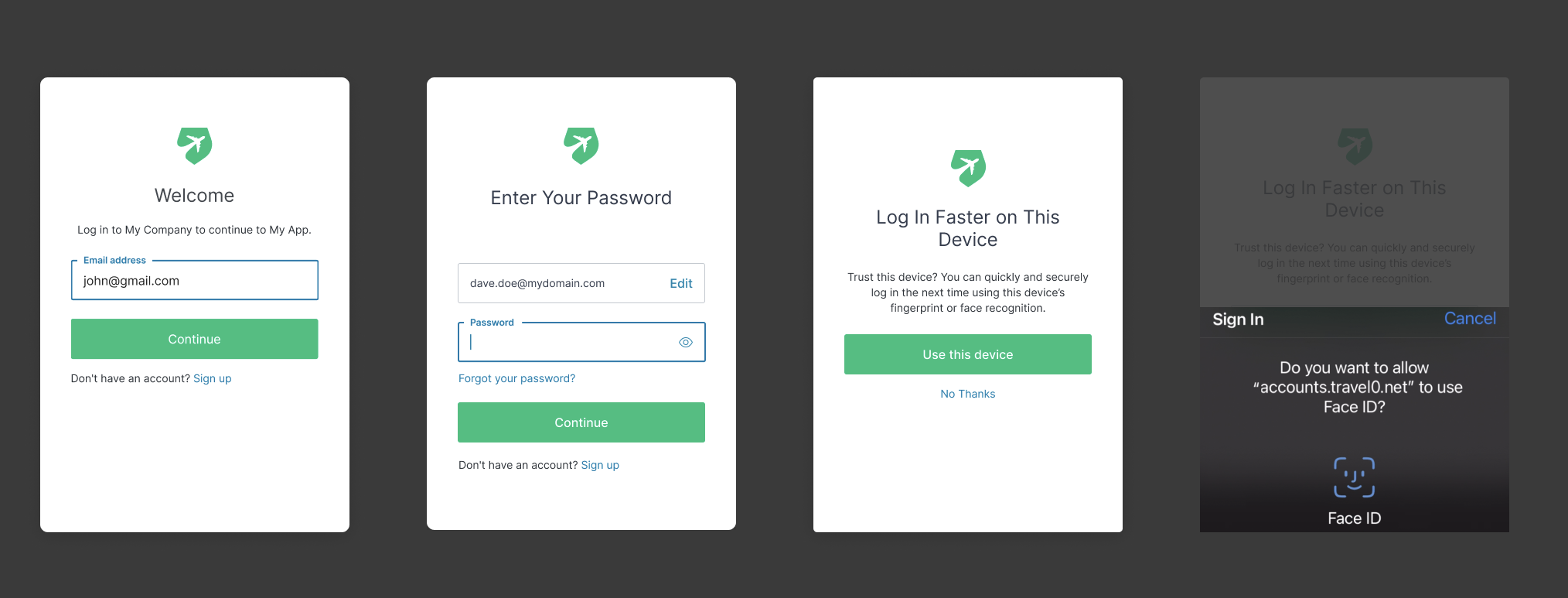
Multi-Factor Authentication (MFA): Biometrics can be seamlessly integrated into MFA systems, adding a robust layer of security. For instance, a user might enter a password, then confirm their identity with a fingerprint scan. This significantly reduces the likelihood of unauthorized access.
Revolutionizing Consumer Experiences
For consumers, biometrics login offers unparalleled convenience and a more personalized interaction with technology.
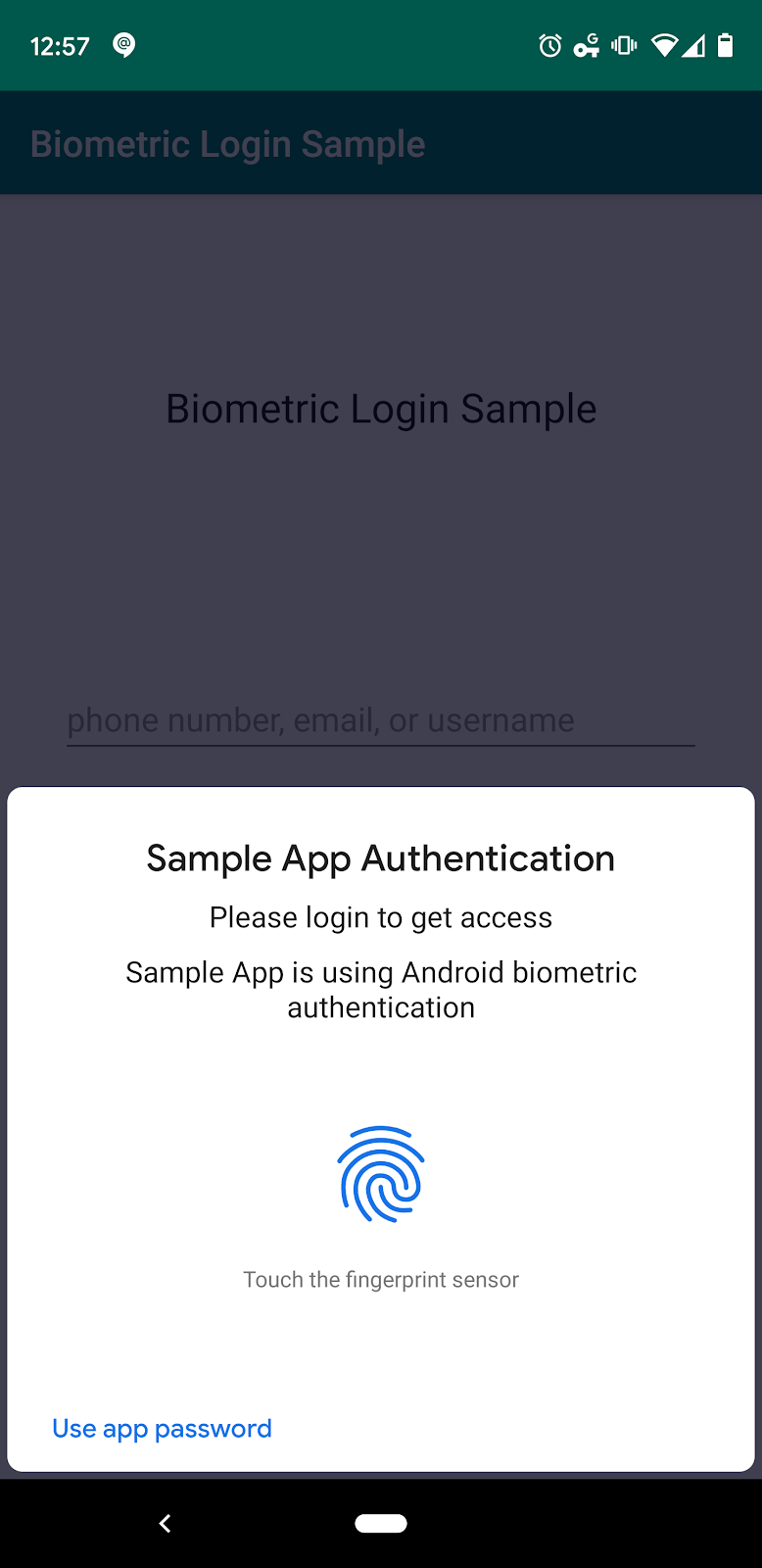
- Simplified Device Access: From unlocking smartphones and tablets to authorizing payments with a tap of a finger or a glance at the screen, biometrics has made daily device interaction effortless.
-
Secure Online Transactions: E-commerce and online banking platforms are increasingly adopting biometrics to authorize purchases and access accounts. This not only enhances security but also speeds up the checkout process, leading to a better customer experience.
-
Personalized Content and Services: As brands collect more data on user preferences, biometrics can play a role in delivering more tailored experiences. Imagine walking into a store and having your preferred music playlist automatically start, or a personalized offer appearing on a digital display – all initiated by a discreet biometric scan.
Strengthening Brand Identity and Loyalty
Brands are leveraging biometrics to build trust, enhance customer engagement, and create memorable experiences.
-
Brand Differentiation and Innovation: Companies that embrace cutting-edge security technologies like biometrics can position themselves as innovative and forward-thinking, attracting a tech-savvy customer base.
-
Building Customer Trust: Demonstrating a commitment to robust security measures through biometrics can foster a sense of trust and reliability among customers, strengthening brand loyalty.
-
Seamless Brand Interactions: Imagine a luxury hotel where your face unlocks your room and pre-sets your preferred lighting and temperature. Or a retail store where loyalty program benefits are automatically applied upon recognition. These seamless, personalized interactions create a positive brand impression.
Impact on Financial Management and Online Income
The financial sector has been a significant early adopter of biometrics, driven by the need for stringent security and the convenience it offers.
-
Secure Banking and Investments: Biometrics login is crucial for accessing online banking portals, authorizing fund transfers, and managing investment portfolios. This protects users from financial fraud and identity theft.
-
Streamlined Access to Financial Tools: Many personal finance apps and investment platforms are integrating biometrics to provide quick and secure access to sensitive financial data.
-
Facilitating Online Income Streams: For freelancers and those earning income online, secure access to payment platforms and client portals is essential. Biometrics can simplify this process while ensuring the integrity of transactions.
-
Fraud Prevention in E-payments: Biometrics plays a vital role in preventing fraudulent transactions in the burgeoning world of e-payments and digital wallets, safeguarding both consumers and merchants.
The Future of Biometrics Login: Opportunities and Challenges
As biometrics technology continues to evolve, its influence is set to expand, bringing with it both exciting opportunities and important considerations.
Advancements and Emerging Trends
-
Continuous Authentication: Moving beyond single login events, future systems will likely employ continuous authentication, where user identity is constantly verified based on subtle behavioral cues, even while actively using a device.
-
AI-Powered Biometrics: Artificial intelligence is enhancing the accuracy and sophistication of biometric algorithms, enabling them to better distinguish between real and spoofed biometric data and adapt to changing user characteristics.
-
Privacy-Preserving Biometrics: Growing concerns about data privacy are driving the development of more privacy-preserving biometric technologies. This includes on-device processing of biometric data, where information never leaves the user’s device, and homomorphic encryption, which allows computations on encrypted data.
-
Integration with the Metaverse and Extended Reality: As virtual and augmented reality spaces become more prevalent, biometrics will be crucial for establishing unique digital identities and ensuring secure interactions within these immersive environments.
Navigating the Challenges
Despite its numerous advantages, the widespread adoption of biometrics login also presents challenges that need careful consideration.
-
Privacy Concerns: The collection and storage of sensitive biometric data raise significant privacy concerns. Robust regulations and transparent data handling practices are essential to build public trust.
-
Data Security and Breaches: While biometrics are generally more secure than passwords, the possibility of biometric data breaches cannot be entirely dismissed. Encryption, secure storage, and access controls are paramount.
-
Accuracy and False Positives/Negatives: While highly accurate, biometric systems are not infallible. Factors like poor lighting, injuries, or aging can sometimes affect recognition accuracy, leading to false positives (unauthorized access granted) or false negatives (authorized access denied).
-
Ethical Considerations and Bias: Biometric systems can sometimes exhibit bias based on race, gender, or age, leading to disparities in recognition accuracy. Ongoing research and development are crucial to mitigate these biases and ensure equitable performance.
-
Liveness Detection: A key challenge is distinguishing between a live person and a spoofed biometric sample (e.g., a photograph or a fake fingerprint). Advanced “liveness detection” techniques are continuously being developed to counter these threats.
Conclusion
Biometrics login represents a significant leap forward in digital security and user experience. By leveraging the unique characteristics that define us, it offers a more convenient, secure, and intuitive way to authenticate ourselves in an increasingly digital world. From safeguarding our personal devices and financial transactions to enhancing brand interactions and streamlining business operations, the impact of biometrics is far-reaching. As the technology continues to mature and address the inherent challenges, we can expect biometrics login to become an even more integral part of our daily lives, unlocking a future of seamless security and personalized digital engagement. The question is no longer if biometrics will be the future of login, but rather how quickly and comprehensively it will transform the way we interact with the digital realm.
aViewFromTheCave is a participant in the Amazon Services LLC Associates Program, an affiliate advertising program designed to provide a means for sites to earn advertising fees by advertising and linking to Amazon.com. Amazon, the Amazon logo, AmazonSupply, and the AmazonSupply logo are trademarks of Amazon.com, Inc. or its affiliates. As an Amazon Associate we earn affiliate commissions from qualifying purchases.