
Urban Outfitters is far more than a global retail chain; it is a meticulously crafted lifestyle brand that serves as a primary case study in how to capture the cultural zeitgeist of the youth market. Founded in 1970 in Philadelphia, Pennsylvania, it has evolved from a small shop catering to college students into a cornerstone of the URBN portfolio, which includes other retail heavyweights like Anthropologie and Free People. To understand what Urban Outfitters is, one must look past the racks of clothing and vinyl records to examine its sophisticated brand strategy, its mastery of experiential retail, and its unique position within the global fashion hierarchy.
The Architecture of a Lifestyle Brand: Beyond the Products
At its core, Urban Outfitters does not sell products so much as it sells an identity. In the world of brand strategy, a “lifestyle brand” is one that attempts to embody the values, aspirations, and interests of a group or culture. Urban Outfitters achieved this by positioning itself at the intersection of “bohemian chic” and “gritty urbanism.”
Defining the Target Demographic
The brand’s primary demographic consists of late-teens to early-thirties—the Gen Z and Millennial cohorts who prioritize self-expression and authenticity. Unlike traditional department stores that attempt to appeal to a broad, homogenized audience, Urban Outfitters embraces a “niche-at-scale” approach. They target the creative, the politically conscious, and the trend-focused individual who views their wardrobe and living space as extensions of their persona. By focusing on this specific psychographic, the brand builds a deep emotional connection that transcends simple consumerism.
The Power of Curation
A significant part of the Urban Outfitters brand identity is its role as a curator. While the company manufactures several private-label brands, it also functions as a platform for third-party labels. By mixing high-end streetwear, retro athletic brands like Champion or Fila, and emerging independent designers, Urban Outfitters creates an environment of discovery. This curation strategy makes the consumer feel like they are uncovering unique finds rather than browsing mass-produced inventory.
Aesthetic Consistency Across Verticals
Urban Outfitters is unique in its holistic approach to lifestyle. It is one of the few brands that successfully bridges the gap between apparel, beauty, and home décor under one cohesive aesthetic. Whether a customer is buying a graphic tee, a vintage-inspired Polaroid camera, or a mid-century modern velvet sofa, the product fits into a singular “Urban” worldview. This cross-category consistency encourages brand loyalty, as the customer can essentially outfit their entire life through the lens of the company’s aesthetic.
Experiential Retail: The “Anti-Mall” Philosophy
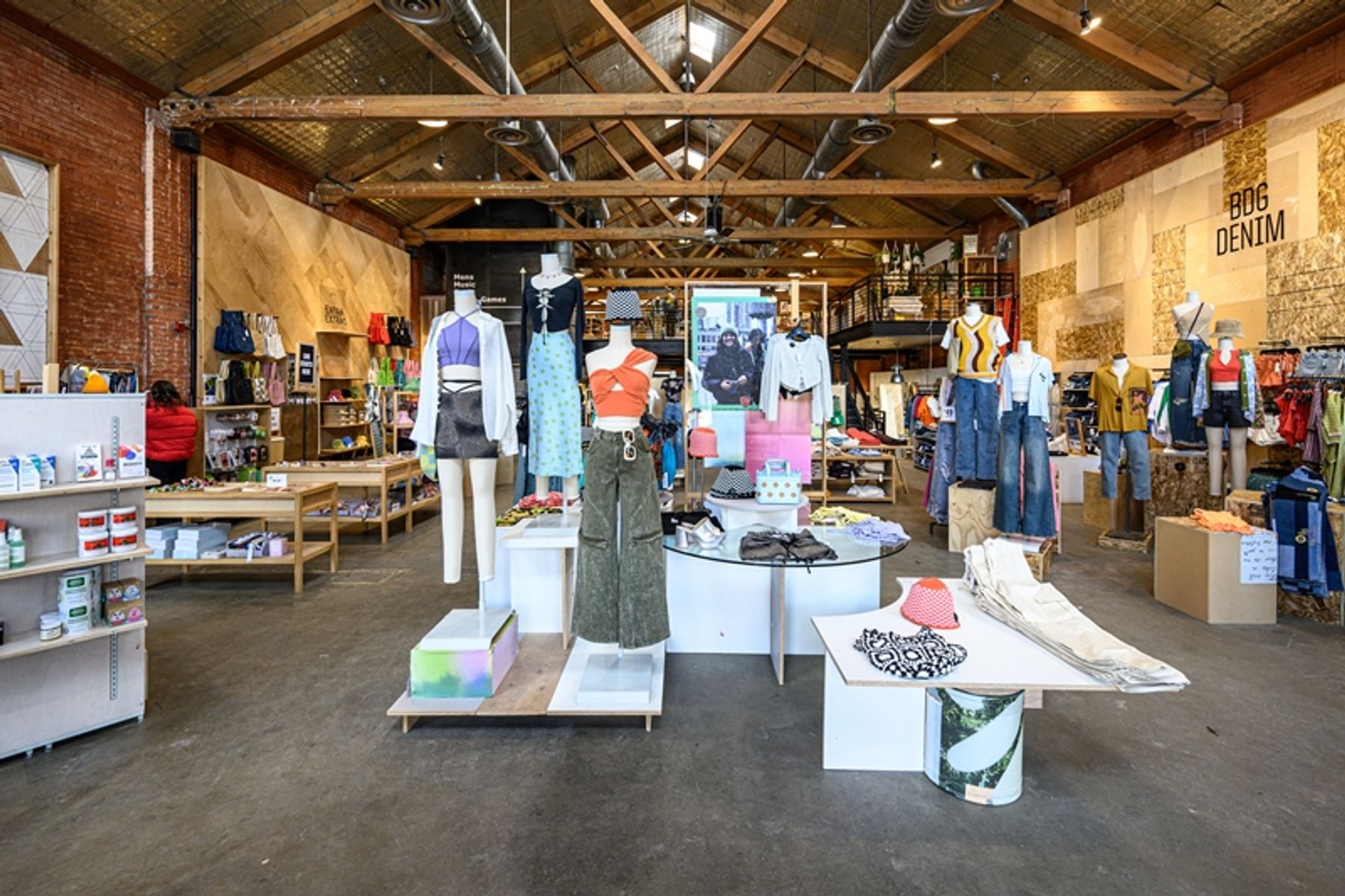
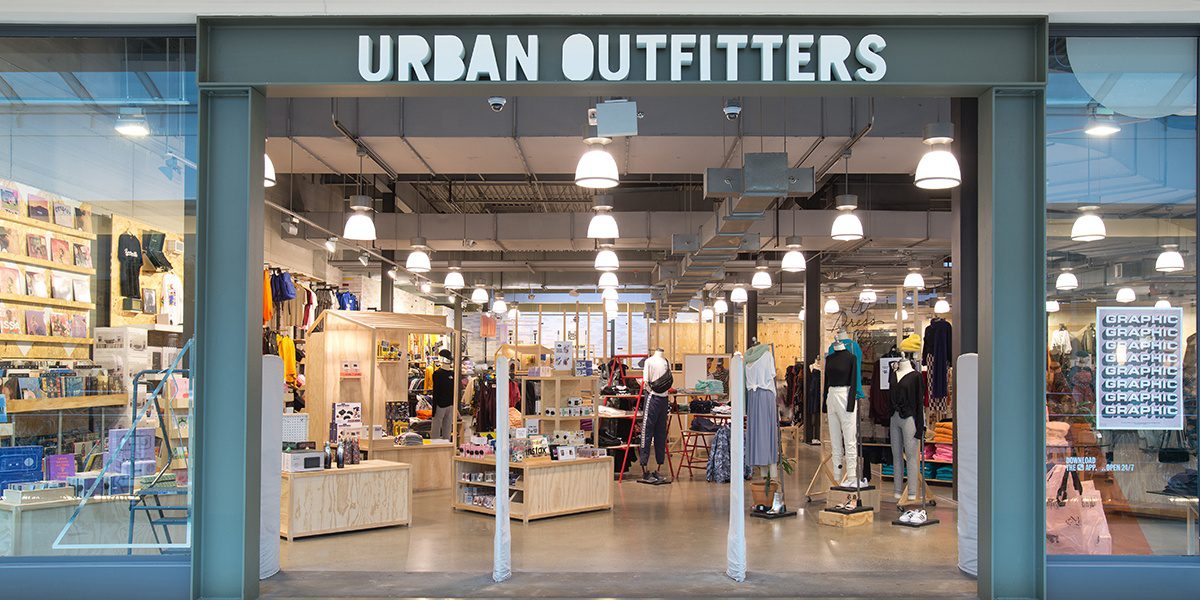
In an era where e-commerce has devastated traditional brick-and-mortar retail, Urban Outfitters has maintained a robust physical presence. This is largely due to their “anti-mall” philosophy. While competitors often prioritize efficiency and uniform store layouts, Urban Outfitters focuses on store design as a form of brand communication.
Localized and Adaptive Reuse
One of the hallmarks of Urban Outfitters’ corporate identity is its commitment to adaptive reuse. Rather than building cookie-cutter stores, the brand often moves into historic buildings—old theaters, abandoned banks, or former warehouses—and preserves the original architectural character. By keeping exposed brick, original flooring, and industrial fixtures, the brand signals authenticity. This architectural choice makes each store feel like a local boutique rather than a global chain, fostering a sense of community and place that is rare in corporate retail.
Sensory Marketing and In-Store Experience
Walking into an Urban Outfitters is designed to be a multi-sensory experience. The brand utilizes specific lighting, curated playlists, and even signature scents to create an immersive environment. The stores are often intentionally cluttered, mimicking the feel of a thrift store or a curated flea market. This “treasure hunt” atmosphere encourages customers to spend more time in the store, increasing the likelihood of impulse purchases and deepening the brand’s engagement with the consumer.
The Integration of Community Spaces
To further cement its status as a lifestyle hub, many flagship Urban Outfitters locations have integrated non-retail elements. This includes in-store cafes, bars, and even event spaces for live music or art workshops. By providing a space for social interaction, the brand moves from being a destination for transactions to a destination for experiences. This strategy is a masterclass in modern marketing: if you can get the customer to hang out in your store, you have successfully integrated your brand into their social life.
Corporate Identity and the URBN Ecosystem
Urban Outfitters does not exist in a vacuum. It is the flagship brand of URBN (Urban Outfitters, Inc.), a publicly traded company that oversees a sophisticated portfolio of brands. Understanding the corporate identity of URBN is essential to understanding how Urban Outfitters stays relevant and profitable.
Strategic Brand Segmentation
URBN utilizes a “cradle-to-grave” brand strategy. Urban Outfitters captures the younger, trend-focused consumer. As that consumer ages, gains more purchasing power, and perhaps moves toward a more “refined” or “feminine” aesthetic, they are naturally funneled toward Anthropologie or Free People. This ecosystem allows the parent company to retain customers throughout different stages of their life cycle, maximizing the long-term value of each individual consumer.
Private Label Dominance and Profitability
While the third-party curated brands provide the “cool factor,” the company’s private labels drive its bottom line. Brands like BDG (denim), Out From Under (loungewear), and Silence + Noise are developed in-house. This allows Urban Outfitters to react quickly to micro-trends seen on social media, bringing products from concept to shelf in a fraction of the time required by traditional designers. This vertical integration is a core component of their business strategy, providing higher margins and greater control over the brand narrative.
Data-Driven Decision Making
Despite its “bohemian” exterior, Urban Outfitters is a highly data-driven organization. The company utilizes sophisticated analytics to track consumer behavior, both online and in-store. This data informs everything from inventory management to the specific “vibe” of a seasonal campaign. By balancing the art of trend-spotting with the science of retail analytics, Urban Outfitters manages to stay ahead of the curve in a notoriously volatile industry.
Digital Strategy and Social Resonance
In the digital age, a brand’s online presence is often more important than its physical one. Urban Outfitters has mastered the art of digital storytelling, ensuring that its online persona is just as curated as its physical stores.
Influencer Marketing and Social Proof
Urban Outfitters was an early adopter of influencer marketing. Rather than relying solely on high-budget celebrity endorsements, the brand partners with “micro-influencers” who have high engagement within specific subcultures. This creates a sense of peer-to-peer recommendation, which is far more effective for Gen Z and Millennial audiences who are often skeptical of traditional advertising. By appearing in the “real world” through the social feeds of relatable creators, the brand maintains its status as a cultural insider.
The Role of UO Rewards
The brand’s loyalty program, UO Rewards, is a critical component of its marketing strategy. It is designed not just to encourage repeat purchases, but to gamify the brand experience. Members earn points for things like writing reviews, visiting the mobile app, or even just sharing content. This creates a feedback loop of engagement that keeps the brand top-of-mind. Furthermore, the data collected through the app allows for highly personalized marketing, ensuring that the right products are put in front of the right customers at the right time.
Visual Storytelling on Instagram and TikTok
The visual nature of Urban Outfitters’ products makes it perfectly suited for platforms like Instagram and TikTok. The brand’s social media strategy focuses on high-quality, aesthetic content that looks like it was created by a friend rather than a corporate marketing department. They lean heavily into user-generated content, frequently reposting photos of customers wearing their clothes or styling their apartments with UO Home products. This creates a sense of community and provides “social proof” that the lifestyle the brand promises is attainable and desirable.
Challenges and the Future of the Brand
No brand remains at the top of the retail food chain without facing significant challenges. Urban Outfitters has had to navigate controversies regarding cultural appropriation, labor practices, and the environmental impact of the fashion industry. How the brand addresses these issues is a key part of its ongoing brand strategy.
Navigating the Sustainability Movement
As the target demographic becomes increasingly concerned with the environment, “fast fashion” brands are under fire. Urban Outfitters has responded by launching initiatives like “Urban Renewal,” a line of vintage and upcycled clothing. This not only appeals to the eco-conscious consumer but also reinforces the brand’s “vintage” and “unique” aesthetic. Additionally, the launch of “Nuuly,” a clothing rental service under the URBN umbrella, shows the company’s commitment to exploring circular fashion models.
Staying “Cool” in a Fragmented Market
The greatest risk to Urban Outfitters is the loss of its “cool” factor. In the digital age, trends move faster than ever, and the barrier to entry for new competitors is lower than ever. To combat this, the brand must constantly reinvent itself while staying true to its core identity. This requires a delicate balance of embracing new cultural movements (like the resurgence of Y2K fashion or the rise of “cottagecore”) without appearing to be a corporate “follower.”
Global Expansion and Local Sensitivity
As Urban Outfitters continues to expand into international markets, particularly in Europe and Asia, it faces the challenge of maintaining its brand identity while adapting to local cultures. The brand’s strategy of localized store design serves them well here, allowing them to integrate into diverse urban landscapes without feeling like an American imposition.

Conclusion
Urban Outfitters is a masterclass in brand building. It has successfully navigated over five decades of cultural shifts by remaining a fluid, responsive entity. It is not just a clothing store; it is a lifestyle curator, an experiential designer, and a cultural aggregator. Through a combination of strategic curation, immersive retail environments, and a sophisticated digital presence, Urban Outfitters has built a brand that is more than the sum of its parts. It stands as a testament to the power of identity-based marketing and the enduring appeal of a well-told brand story. For any business looking to understand how to build a loyal, engaged community around a brand, Urban Outfitters provides the ultimate blueprint.
aViewFromTheCave is a participant in the Amazon Services LLC Associates Program, an affiliate advertising program designed to provide a means for sites to earn advertising fees by advertising and linking to Amazon.com. Amazon, the Amazon logo, AmazonSupply, and the AmazonSupply logo are trademarks of Amazon.com, Inc. or its affiliates. As an Amazon Associate we earn affiliate commissions from qualifying purchases.