
In the mid-1990s, the prestige beauty landscape was dominated by a sea of pink, beige, and red. Major cosmetic houses catered to a traditional sense of “pretty,” offering safe, conservative palettes that appealed to a narrow demographic. Enter Urban Decay. Launched in 1996, Urban Decay did not just enter the market; it detonated within it. By leveraging a counter-cultural aesthetic and a rebellious brand voice, it transformed from a niche startup into a global powerhouse. To understand what Urban Decay is today, one must look beyond the eyeshadow palettes and see it as a masterclass in brand positioning, identity development, and market disruption.
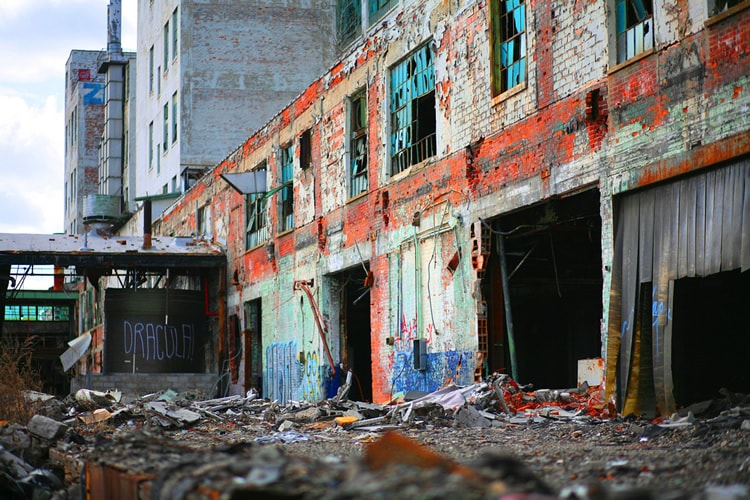
The Genesis of Urban Decay: A Counter-Cultural Branding Revolution
Urban Decay was born out of a specific frustration with the status quo. Co-founded by Sandy Lerner, David Enics, and Wende Zomnir, the brand’s origin story is rooted in the “Does Pink Make You Puke?” advertising campaign. This wasn’t just a catchy slogan; it was a manifesto. At a time when luxury brands were focused on aspirational perfection, Urban Decay leaned into the gritty, the real, and the unconventional.
Challenging the Pink and Beige Status Quo
The brand’s initial strategy was to offer what the market lacked: high-quality products in colors that were previously relegated to cheap costume makeup or subculture shops. They introduced shades like purple, green, and deep metallic browns. By doing so, they immediately carved out a unique space in the market. This is a classic example of “Blue Ocean Strategy”—creating a new market space where there is little competition rather than fighting in a saturated one.
Urban Decay didn’t just sell makeup; they sold an identity. They appealed to the “cool girl,” the artist, the musician, and anyone who felt alienated by the traditional beauty industry. This early commitment to a specific, well-defined audience allowed them to build intense brand loyalty that would sustain them through decades of expansion.
The Power of Edgy Naming Conventions
One of the most distinctive elements of Urban Decay’s brand strategy is its naming convention. From its inception, the brand used provocative names for its products, such as “Roach,” “Smog,” “Acid Rain,” and “Oil Slick.” While these names might have seemed unappealing to a traditional consumer, they were magnetic to the brand’s target demographic.
In branding, names serve as a powerful shorthand for values. By choosing names associated with urban environments and decay, the brand signaled its authenticity and its rejection of superficial “prettiness.” This nomenclature created a conversation piece, turning every lipstick and eyeshadow into a statement of rebellion. It proved that a brand could use “ugly” concepts to sell beauty, provided the narrative was cohesive and the quality was undeniable.
Visual Identity and Product Strategy
The visual identity of Urban Decay has always been synonymous with “Beauty with an Edge.” This isn’t just a tagline; it is the core of their design language. From the industrial-inspired packaging to the heavy use of metallics and purples, every visual touchpoint reinforces the brand’s gritty yet sophisticated persona.
Industrial Aesthetics and Gritty Sophistication
Early Urban Decay packaging featured items like nail polish bottles that resembled chemistry vials or industrial containers. This choice was deliberate. It distanced the brand from the gold-trimmed, dainty packaging of luxury competitors. As the brand matured, it refined this aesthetic into what can be described as “gritty sophistication.”
The use of high-quality materials, heavy-weighted compacts, and intricate artwork ensured that the products felt premium. This balance is critical for any brand attempting to bridge the gap between “alternative” and “luxury.” If the packaging feels too cheap, the brand loses its prestige status; if it feels too traditional, it loses its edge. Urban Decay mastered this tightrope walk.
The Naked Palette: A Lesson in Brand Evolution
Perhaps no product in the history of cosmetics illustrates brand evolution better than the Urban Decay Naked Palette. Launched in 2010, the Naked Palette was a departure from the brand’s neon and glitter roots. It featured 12 neutral shades that promised a “natural” look with the Urban Decay edge.
The success of the Naked Palette was a watershed moment in brand strategy. It proved that a brand known for rebellion could also dominate the mainstream. By applying their high-pigment, long-wear philosophy to neutral colors, they appealed to a much broader audience without alienating their core fans. The “Naked” franchise became a multi-billion dollar pillar of the brand, demonstrating how a company can expand its reach through strategic product diversification while maintaining its core DNA.
Market Positioning and the Power of Community

Urban Decay’s success is largely attributed to its ability to position itself as an “insider” brand. Long before “community-led growth” became a corporate buzzword, Urban Decay was fostering a deep connection with its users through shared values and bold marketing.
Targeting the “Beauty with an Edge” Demographic
The brand’s target audience has always been the “disruptive consumer.” These are individuals who value self-expression over social conformity. By positioning themselves as the provider of tools for this self-expression, Urban Decay moved from being a vendor to being an ally.
This positioning allowed the brand to command a premium price point. Customers weren’t just paying for the pigment; they were paying for the permission to be different. In brand strategy, this is known as “psychological value.” When a brand successfully aligns with a consumer’s self-identity, price sensitivity decreases, and brand advocacy increases.
Influencer Marketing and the Digital Shift
As the beauty industry shifted toward digital platforms like YouTube and Instagram, Urban Decay was among the first to embrace the influencer model. They understood that their edgy, visual-heavy products were perfect for the burgeoning “tutorial” culture.
The brand didn’t just send products to influencers; they built relationships with creators who shared their aesthetic values. This authentic integration into the digital beauty community allowed Urban Decay to bypass traditional advertising hurdles. They leveraged the credibility of influencers to reach Gen Z and Millennial audiences, ensuring the brand remained relevant in an era of rapid-fire trend cycles.
The Acquisition and Global Scaling of a Niche Identity
A significant turning point in the Urban Decay story was its acquisition by L’Oréal in 2012. For many niche brands, acquisition by a global conglomerate can lead to a “watering down” of the brand identity. However, Urban Decay’s transition serves as a blueprint for how to scale a niche brand while preserving its soul.
L’Oréal and the Corporate Transition
L’Oréal recognized that the value of Urban Decay lay in its distinct voice and loyal following. Instead of forcing Urban Decay into a corporate mold, they provided the infrastructure—global distribution, advanced R&D, and supply chain logistics—to take the brand worldwide.
The acquisition allowed Urban Decay to expand into new territories, from Europe to Asia, while maintaining its “Beauty with an Edge” positioning. The key takeaway for brand managers here is the importance of “brand autonomy.” By allowing the creative and marketing teams to remain true to the brand’s origins, L’Oréal ensured that Urban Decay’s brand equity remained intact.
Maintaining Edge in a Conglomerate World
Maintaining a rebellious identity under the umbrella of the world’s largest beauty company is no small feat. Urban Decay achieved this by continuing to push boundaries in their creative campaigns and product launches. They didn’t stop using provocative names, and they didn’t stop collaborating with edgy icons (such as Gwen Stefani or Prince).
This persistence in “edginess” serves as a defensive moat. It prevents the brand from becoming a generic commodity. Even as they became a staple in Sephora and department stores globally, they kept their “outsider” status alive through strategic visual storytelling and a refusal to conform to traditional beauty standards.

Future Outlook: The Resilience of Urban Decay’s Brand Equity
Today, Urban Decay faces a more crowded market than ever. With the rise of celebrity-backed brands and “indie” labels, the space they once pioneered is now the industry standard. However, the brand’s long-term resilience is a testament to the strength of its original foundation.
Urban Decay is more than just a makeup company; it is a case study in how to build a brand that resonates on an emotional and cultural level. By identifying a gap in the market, creating a polarizing visual identity, and evolving without losing its core values, Urban Decay has secured its place in the pantheon of great modern brands.
For brand strategists and marketers, the lesson of Urban Decay is clear: authenticity and courage are the most valuable assets a brand can have. In a world that often demands conformity, the brands that dare to be “decayed,” “gritty,” and “edgy” are often the ones that leave the most lasting mark on the cultural landscape. Urban Decay didn’t just change the way people look; it changed the way the industry thinks about beauty, proving that there is immense power in being unapologetically yourself.
aViewFromTheCave is a participant in the Amazon Services LLC Associates Program, an affiliate advertising program designed to provide a means for sites to earn advertising fees by advertising and linking to Amazon.com. Amazon, the Amazon logo, AmazonSupply, and the AmazonSupply logo are trademarks of Amazon.com, Inc. or its affiliates. As an Amazon Associate we earn affiliate commissions from qualifying purchases.