
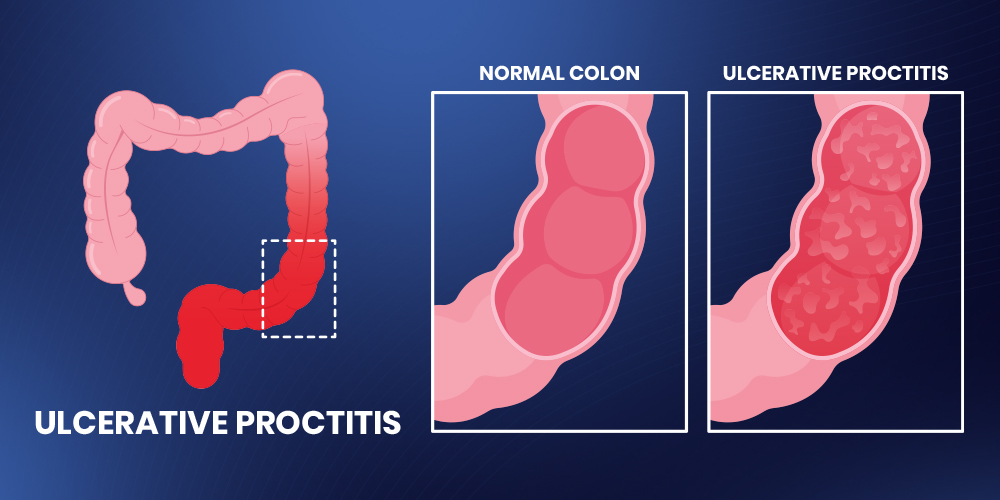
In the rapidly evolving landscape of modern healthcare, the intersection of specialized medicine and high-end technology has redefined how we approach chronic conditions. Ulcerative proctitis, a localized form of Ulcerative Colitis (UC) that affects the rectal lining, serves as a prime case study for the integration of MedTech. While traditionally managed through basic pharmacology, the current technological epoch has introduced a suite of tools—ranging from AI-driven diagnostics to digital therapeutics—that are transforming the patient experience. Understanding what ulcerative proctitis is today requires more than a medical definition; it requires an exploration of the technological ecosystem designed to monitor, treat, and ultimately predict the behavior of this inflammatory condition.
The Evolution of Diagnostic Technology in Gastroenterology
The journey of managing ulcerative proctitis begins with an accurate and early diagnosis. Historically, this relied on invasive procedures and the subjective eye of a physician. However, the “Tech” sector of gastroenterology has undergone a radical transformation, moving toward high-definition imaging and automated analysis.
From Fiber-Optics to AI-Enhanced Endoscopy
The gold standard for diagnosing ulcerative proctitis has long been the sigmoidoscopy or colonoscopy. However, the technology powering these scopes has transitioned from simple fiber-optics to 4K Ultra-HD imaging systems. Modern endoscopic platforms now incorporate Artificial Intelligence (AI) and Machine Learning (ML) algorithms that assist clinicians in real-time. These “Computer-Aided Diagnosis” (CADx) systems can identify subtle mucosal changes that the human eye might miss, ensuring that the extent of the proctitis is accurately mapped. By utilizing deep learning models trained on millions of images, these tech-forward tools reduce the rate of diagnostic error and allow for a more precise grading of inflammation severity.
Smart Pills and Non-Invasive Wireless Monitoring
One of the most significant technological leaps in this niche is the development of capsule endoscopy—frequently referred to as the “smart pill.” For patients with suspected localized inflammation, swallowing a pill-sized camera provides a non-invasive way to visualize the gastrointestinal tract. The data is transmitted wirelessly to a wearable recorder, which then uploads the footage to a cloud-based server for analysis. This minimizes the need for sedation and hospital-based procedures, representing a significant shift toward patient-centric, tech-driven diagnostics.
Digital Therapeutics (DTx) and the Shift in Treatment Paradigms
As we define the modern management of ulcerative proctitis, we must look at “Digital Therapeutics” (DTx). This is a burgeoning sector of the tech industry where software is utilized as a primary intervention to treat medical conditions. For a localized condition like proctitis, which requires strict adherence to localized therapies, tech solutions are proving indispensable.
App-Based Management and Behavioral Feedback Loops
Managing a chronic inflammatory condition requires constant vigilance. A new wave of specialized health apps has emerged, functioning as sophisticated digital assistants. These apps use complex algorithms to track symptoms, diet, and medication adherence. By employing behavioral feedback loops, these platforms can predict potential “flares” before they become clinically significant. For instance, by analyzing user-inputted data alongside biometric data from wearable devices, these apps can alert a user to increase hydration or contact their provider if specific inflammatory markers (tracked via home-testing tech) begin to trend upward.
Personalized Medicine via Big Data and Genomic Sequencing
The “Tech” of ulcerative proctitis is also found in the lab. High-throughput sequencing and bioinformatic pipelines allow researchers to analyze a patient’s unique genetic makeup and microbiome. This “Big Data” approach enables a personalized medicine strategy. Instead of a one-size-fits-all treatment, software models can predict which specific biological or topical agents will be most effective for a specific patient’s genetic profile. This reduces the “trial and error” phase of treatment, which is often the most taxing part of chronic disease management.
The Future of IBD Tech: Telemedicine and Remote Patient Monitoring (RPM)
The digital transformation of the healthcare infrastructure has made “Remote Patient Monitoring” (RPM) a reality for those living with ulcerative proctitis. This shift ensures that the “end” of the digestive tract is no longer at the “end” of the priority list, as technology bridges the gap between the clinic and the home.

Wearables for Inflammation Tracking
While most consumers associate wearables with step counts and heart rates, the medical tech industry is developing sensors capable of detecting biomarkers of inflammation. Cutting-edge research is currently focusing on skin-interfaced biosensors that can analyze sweat or interstitial fluid for cytokines and other inflammatory markers. For a patient with ulcerative proctitis, this tech offers a “dashboard” for their body. If the wearable detects a spike in specific markers associated with gut inflammation, it can automatically sync that data with the patient’s Electronic Health Record (EHR), allowing for proactive medical intervention.
Cloud-Based Patient Records and Collaborative Care
The infrastructure of tech in healthcare—specifically Interoperability—plays a crucial role in proctitis management. Cloud-based EHR systems allow for the seamless sharing of high-resolution endoscopic images, pathology reports, and real-time symptom logs between primary care physicians, gastroenterologists, and nutritionists. This creates a “digital twin” of the patient’s health, where various tech tools collaborate to optimize outcomes. The integration of blockchain technology is also being explored to ensure that these sensitive medical data packets remain secure yet accessible to the authorized care team, addressing the critical need for digital security in the MedTech space.
Bio-Electronic Medicine: The Next Frontier in Tech-Based Healing
Beyond diagnostics and monitoring, the frontier of “Tech” in ulcerative proctitis lies in bio-electronics. This field explores how electrical stimulation can modulate the body’s inflammatory response, potentially offering a drug-free alternative for managing chronic conditions.
Vagus Nerve Stimulation and Neural Mapping
The gut-brain axis is a major focus of current technological research. Emerging tech involves small, implantable (or even non-invasive wearable) devices that stimulate the vagus nerve. By sending specific electrical impulses, these devices can trigger the “cholinergic anti-inflammatory pathway,” effectively telling the body to reduce inflammation in the rectum and colon. This represents a paradigm shift from chemical intervention (drugs) to electrical intervention (tech), offering a glimpse into a future where “software updates” might one day replace “prescription refills.”
The Integration of Nanotechnology
In the world of tech-driven drug delivery, nanotechnology is a game-changer for ulcerative proctitis. Since the condition is localized to the rectum, the challenge is delivering medication directly to the site without systemic side effects. Engineers are developing “nanocarriers”—microscopic robots or lipid-based shells—that are programmed to release their payload only when they encounter specific pH levels or enzymes present in inflamed rectal tissue. This level of precision engineering is a testament to how the “Tech” niche is solving the most localized and difficult problems in human biology.
Security and Ethics in the MedTech Landscape
As we embrace these technological advancements, we must also address the digital security aspect. The data generated by AI diagnostics, wearables, and digital therapeutics is highly sensitive. In the tech world, the “Internet of Medical Things” (IoMT) must be protected by robust cybersecurity protocols.
Protecting the Digital Patient
With the rise of remote monitoring, the surface area for potential cyberattacks in the healthcare sector has increased. Tech firms are now prioritizing end-to-end encryption and multi-factor authentication for all medical devices. Ensuring that a “smart pill” or a vagus nerve stimulator cannot be compromised is as important as the clinical efficacy of the device itself. Furthermore, as AI begins to take a larger role in diagnosing ulcerative proctitis, the tech industry is grappling with “Algorithmic Bias,” ensuring that the software is trained on diverse datasets to provide accurate results for all demographics.

Conclusion: A Tech-Forward Approach to Gut Health
In summary, when we ask “what is ulcerative proctitis” through the lens of the Tech niche, we see a condition that is no longer defined merely by its symptoms, but by the sophisticated tools we use to combat it. From the AI that analyzes the lining of the colon to the cloud-based platforms that track daily health metrics, technology has become the primary weapon in the fight against chronic inflammation.
The future of managing ulcerative proctitis lies in the seamless integration of hardware, software, and biology. As we continue to innovate in fields like bio-electronics and nanotech, the goal is to move beyond management and toward a “technological cure”—a state where inflammation is detected, addressed, and neutralized by automated systems before the patient even feels a symptom. In this era, the most important part of the medical kit isn’t just the stethoscope; it’s the algorithm.
aViewFromTheCave is a participant in the Amazon Services LLC Associates Program, an affiliate advertising program designed to provide a means for sites to earn advertising fees by advertising and linking to Amazon.com. Amazon, the Amazon logo, AmazonSupply, and the AmazonSupply logo are trademarks of Amazon.com, Inc. or its affiliates. As an Amazon Associate we earn affiliate commissions from qualifying purchases.