
The Desert Eagle is more than just a firearm; it is a profound study in brand identity, market positioning, and the unparalleled influence of popular culture on product perception. From its inception, this large-caliber, gas-operated semi-automatic pistol has carved out a unique niche, not merely as a weapon but as an icon. Developed in the United States by Magnum Research, Inc. and later manufactured by Israel Military Industries (IMI) and its successor, Israel Weapon Industries (IWI), before returning to Magnum Research, the Desert Eagle has transcended its functional purpose to become a global symbol of power, distinctiveness, and aspirational appeal.
In the highly competitive and often controversial world of firearms, many products blend into a sea of utilitarian designs. The Desert Eagle, however, stands out with an audacious confidence, projecting an image that is instantly recognizable and deeply embedded in the collective consciousness. Its journey from a specialized handgun to a cultural artifact offers a compelling case study for understanding how a product’s brand is meticulously crafted, nurtured, and ultimately defined by far more than its specifications alone. This article delves into the various facets that have elevated the Desert Eagle from a mere piece of engineering to a formidable brand in its own right, exploring its origins, cultural impact, strategic market placement, and enduring legacy through the lens of brand analysis.
An Icon Forged in Steel: Defining the Desert Eagle Brand
The very essence of the Desert Eagle brand began with its foundational design and the ambition behind its creation. It wasn’t designed to be just another pistol; it was engineered to be extraordinary, a philosophy that deeply informed its brand identity from day one.
Origins and Engineering Philosophy
The story of the Desert Eagle begins in the early 1980s with a vision to create a semi-automatic handgun capable of firing powerful magnum cartridges traditionally reserved for revolvers. This was a significant technical challenge, as the gas-operation system needed to cycle these powerful rounds reliably in a pistol format was novel and complex. Magnum Research, Inc. (MRI) spearheaded this innovation, and later partnered with Israel Military Industries (IMI) for manufacturing and refinement. This collaboration married American innovation with Israeli manufacturing prowess, laying the groundwork for a robust and high-performing firearm.
The engineering philosophy was clear: uncompromising power and precision. Unlike many service pistols designed for military or law enforcement, the Desert Eagle was conceived with a different user in mind – primarily enthusiasts and hunters seeking maximum stopping power and an unparalleled shooting experience. This focus on a specialized, high-performance niche immediately set the stage for a premium brand image. The commitment to engineering excellence, even if it resulted in a larger, heavier, and more expensive product, was a core tenet that resonated with its target audience and became synonymous with the brand’s promise of extreme capability.
Distinctive Design and Unmistakable Presence
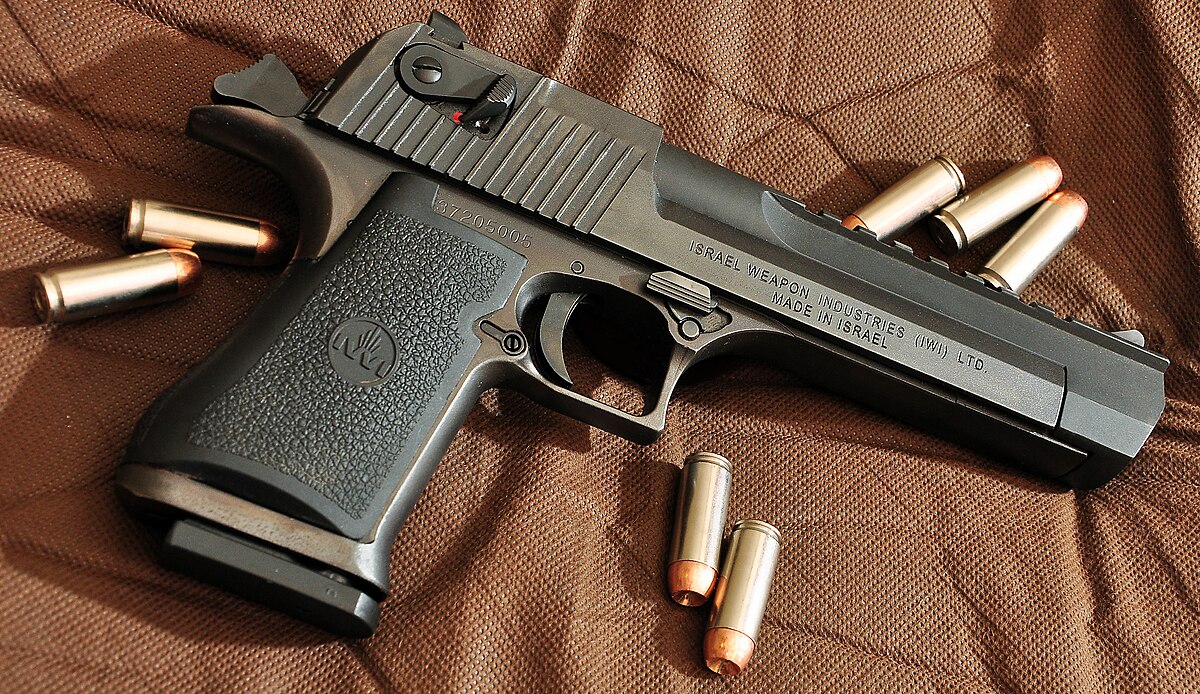
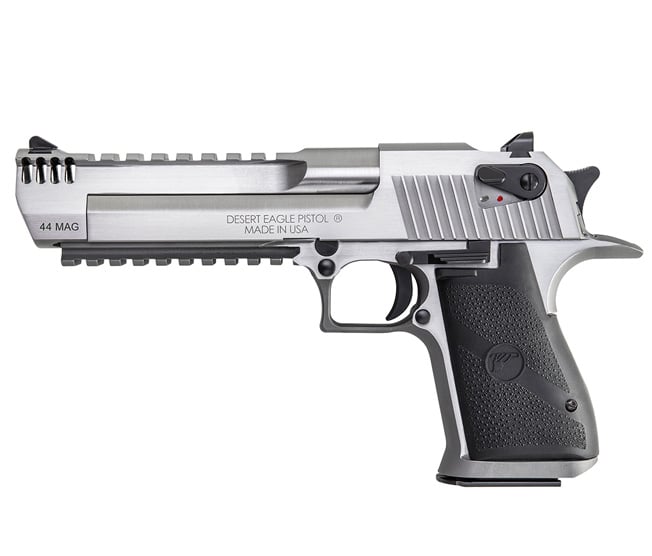
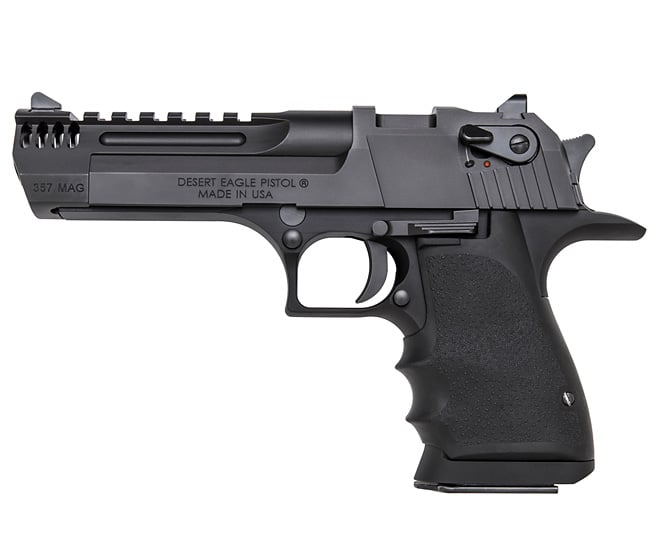
If engineering defined its function, then design defined its form, and ultimately, its unique brand identity. The Desert Eagle possesses a silhouette unlike any other handgun. Its sheer size, blocky slide, pronounced barrel, and often flamboyant finishes (such as polished chrome, gold plating, or tiger stripe patterns) immediately command attention. It eschews the ergonomic subtlety of many contemporary pistols in favor of an imposing aesthetic that exudes raw power.
This distinctive design is not merely incidental; it is a crucial component of the Desert Eagle’s brand strategy. In a market where many products strive for minimalist or tactical efficiency, the Desert Eagle deliberately chooses maximalist expression. This “loud” design language ensures instant recognition, both in the real world and, perhaps more significantly, in media. It becomes an indelible visual shorthand for certain qualities: strength, aggression, extravagance, and an almost mythical level of power. For the brand, this distinctive presence translates into a strong identity that is difficult to ignore and easy to recall, making it a highly effective branding tool in itself. It doesn’t just perform; it performs with undeniable flair.
Beyond Ballistics: Crafting a Cultural Phenomenon
While its engineering and design are foundational, the Desert Eagle’s true ascent into brand icon status was propelled by forces far beyond the firing range. Its journey into popular culture transformed it from a specialized tool into a recognizable symbol.
The Power of Pop Culture: Hollywood and Gaming
No discussion of the Desert Eagle’s brand can ignore its unparalleled presence in film, television, and video games. From the gritty streets of action movies to the futuristic landscapes of sci-fi epics, the Desert Eagle has become a preferred prop for characters who need to project an aura of invincibility, danger, or sheer badassery. Its distinctive appearance and formidable reputation make it visually striking on screen, lending instant credibility and gravitas to any character who wields it.
This consistent portrayal in mass media has been an invaluable, albeit often unsolicited, marketing engine for the brand. When audiences see a hero or villain effortlessly dispatching foes with a Desert Eagle, it subconsciously associates the firearm with power, effectiveness, and a certain cool factor. This phenomenon extends exponentially into the world of video games, where the Desert Eagle is often presented as a powerful, high-damage weapon, requiring skill to master but offering immense rewards. Games like Counter-Strike, Call of Duty, and Grand Theft Auto have exposed millions of players worldwide to the Desert Eagle, cementing its status as a desirable and formidable digital extension of its real-world counterpart. This ubiquity in entertainment has transcended mere product placement; it has woven the Desert Eagle into the fabric of popular culture, creating a brand narrative that is global, aspirational, and deeply ingrained.
Aspirational Appeal and Target Demographics
The Desert Eagle’s cultural presence has naturally shaped its aspirational appeal and refined its target demographics. It is not marketed to the everyday concealed carry permit holder or the standard military procurement officer. Instead, its brand message resonates with individuals seeking something extraordinary, a statement piece as much as a functional firearm.
Its appeal is strong among collectors who appreciate its engineering and unique place in firearms history, enthusiasts who enjoy the challenge and power of magnum cartridges, and individuals who are drawn to its flamboyant aesthetics and the image it projects. Owning a Desert Eagle often signifies a certain status, an appreciation for the extreme, or a desire to stand out. The brand deftly taps into these psychological drivers, positioning the Desert Eagle not just as a tool, but as an experience, an identity, and a symbol of personal empowerment or individuality. This targeted aspirational marketing, largely fueled by its media presence, allows the brand to command a premium price and cultivate a loyal, niche following that values its distinctive qualities over mere practicality.
The Business of an Icon: Brand Strategy and Market Position
Behind the flashy exterior and pop culture fame lies a shrewd brand strategy that has allowed the Desert Eagle to maintain its iconic status and commercial viability for decades.
Niche Market Dominance and Premium Pricing
The Desert Eagle occupies a highly specialized niche within the firearms market. It doesn’t attempt to compete with the compact, high-capacity polymer pistols that dominate the self-defense and law enforcement sectors. Instead, it carved out a distinct space for high-powered, semi-automatic handguns, becoming virtually synonymous with the category itself. This focused niche strategy has allowed the brand to avoid direct competition with larger manufacturers producing mass-market firearms.
Within this niche, the Desert Eagle commands a premium price point. This pricing strategy is not simply a reflection of manufacturing costs; it’s an integral part of its brand identity. A high price reinforces its perception as an exclusive, high-performance, and prestigious item. It’s a luxury good in the firearms world, and its pricing communicates that value proposition. The brand knows its customers are willing to pay more for its unique blend of power, aesthetics, and iconic status, and this pricing strategy reinforces its premium positioning and profitability. This also allows the brand to invest in quality materials and finishes that further enhance its appeal to this discerning customer base.
Maintaining Relevance in a Dynamic Industry
The firearms industry is constantly evolving, with new technologies, changing regulations, and shifting consumer preferences. For a brand like the Desert Eagle, which has been around for over 40 years, maintaining relevance is a continuous challenge. The brand achieves this through several key strategies:
Firstly, limited edition runs and finish variations keep the product fresh and appealing to collectors. Offering unique color schemes, custom engravings, or special material finishes generates renewed interest and collectible value. Secondly, adaptability to new calibers or minor mechanical refinements ensures the product remains technically competitive, even if its core design remains largely unchanged. While the .50 AE is its signature round, availability in other potent calibers like .44 Magnum expands its appeal. Finally, the brand actively leverages its strong presence in digital media and new entertainment formats. As video games evolve, so too does the Desert Eagle’s representation within them, ensuring it remains visible to new generations of potential enthusiasts and consumers. This proactive approach to managing its brand image and product offerings prevents stagnation and keeps the Desert Eagle at the forefront of its specialized market segment.
The Enduring Legacy: Impact on Firearms and Branding
The Desert Eagle’s journey offers valuable insights not just into the firearms industry but also into the broader principles of brand building and the creation of lasting product identities.
Influence on Design and Consumer Perception
The Desert Eagle has undeniably influenced both firearm design and consumer perception, even if indirectly. While few manufacturers have directly replicated its gas-operated, large-caliber semi-automatic design, its existence has broadened the scope of what is considered possible or desirable in a handgun. It pushed the boundaries of power and size, implicitly challenging other designers to think beyond conventional limits.
More profoundly, its impact on consumer perception has been significant. It reinforced the idea that firearms could be more than just tools – they could be symbols, statements, and objects of aspiration. For many, it’s the archetypal “big gun,” shaping expectations and desires for power and distinctiveness. The brand successfully linked its product to emotional and psychological attributes (power, status, coolness) rather than solely functional ones, a lesson many brands across industries strive to learn. This psychological anchoring has made it a benchmark against which other “powerful” or “extreme” firearms are often implicitly measured.
Lessons in Building a Lasting Product Identity
The Desert Eagle’s enduring success provides a masterclass in building a lasting product identity. Its longevity is not an accident but a testament to a robust brand strategy centered on several core principles:
-
Unique Selling Proposition (USP): From day one, the Desert Eagle offered something genuinely different – immense power in a semi-automatic handgun. Its uniqueness was its foundation.
-
Distinctive Design Language: An unmistakable visual identity ensures instant recognition and memorability, creating a powerful brand signature.
-
Leveraging Cultural Touchpoints: Actively or passively, the brand allowed its product to become interwoven with popular culture, creating organic marketing and enhancing its mystique.
-
Targeted Niche Marketing: Instead of trying to be everything to everyone, the Desert Eagle focused on a specific demographic, building deep loyalty within that segment.
-
Maintaining Premium Positioning: Consistent quality, unique finishes, and strategic pricing reinforce its status as a desirable, high-end product.
In conclusion, the Desert Eagle is far more than its metal and mechanics. It is a meticulously crafted brand, born from innovative engineering and propelled into iconic status by a potent mix of distinctive design, astute market positioning, and an undeniable cultural footprint. Its journey underscores the power of a strong brand narrative, demonstrating how a product can transcend its utilitarian function to become a symbol, an aspiration, and an enduring legacy in the minds of consumers worldwide.
aViewFromTheCave is a participant in the Amazon Services LLC Associates Program, an affiliate advertising program designed to provide a means for sites to earn advertising fees by advertising and linking to Amazon.com. Amazon, the Amazon logo, AmazonSupply, and the AmazonSupply logo are trademarks of Amazon.com, Inc. or its affiliates. As an Amazon Associate we earn affiliate commissions from qualifying purchases.