
In the classical sense, tyranny is defined as the cruel and oppressive rule of a government or a single entity. However, in the 21st century, a new form of dominance has emerged that doesn’t rely on iron fists or military force. Instead, it operates through lines of code, predictive modeling, and data harvesting. This is the tyranny of the digital age—a systemic control exerted by technology platforms over how we think, shop, communicate, and perceive reality.
As we navigate an era defined by rapid technological advancement, understanding “what is tyranny” in a digital context is essential. It is no longer just about political despots; it is about the “black box” algorithms that decide what information we see and the software architectures that nudge our behavior toward predetermined outcomes. To maintain digital sovereignty, we must dissect the mechanisms of this technological hegemony.
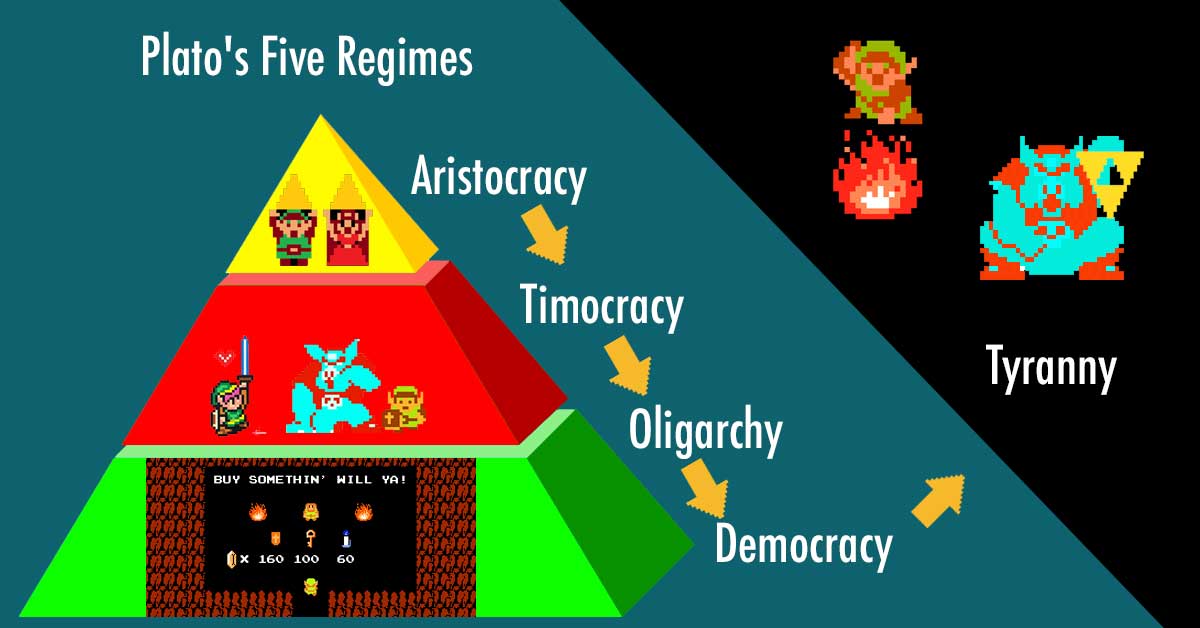
Understanding Digital Tyranny in the Age of Big Data
Digital tyranny manifests when the tools designed to serve humanity begin to dictate human behavior for the benefit of a few centralized entities. This shift is primarily driven by “Surveillance Capitalism,” a term popularized by Harvard professor Shoshana Zuboff. In this economic model, personal experience is claimed as free raw material for translation into behavioral data.
The Erosion of Privacy and the Illusion of Consent
At the heart of modern technological tyranny is the systematic erosion of privacy. We often “consent” to this through sprawling Terms of Service agreements that are designed to be unreadable. These documents are not just legal safeguards; they are the blueprints for a data-extractive relationship. When a software application tracks your location, listens to your background audio, or analyzes your typing speed, it is engaging in a form of digital panopticism. You are being watched, and that surveillance is used to build a “digital twin” that can be manipulated by advertisers and political actors alike.
Behavioral Modification through UX Design
Tyranny is often subtle. In software development, this is known as “Dark Patterns.” These are user interface designs specifically crafted to trick users into doing things they didn’t intend to do—such as signing up for recurring subscriptions or sharing more data than necessary. When an app uses intermittent variable rewards (the same psychological mechanism used in slot machines) to keep you scrolling, it is exercising a form of cognitive tyranny. It bypasses your rational mind to exploit your dopamine pathways, effectively dictating how you spend your most precious resource: your time.
The Monopoly of Information: Search Engines and Social Feeds
The second pillar of digital tyranny is the centralization of information. In the early days of the internet, the web was a decentralized frontier. Today, a handful of companies act as the primary gatekeepers of human knowledge. If a piece of information is not indexed by a major search engine or shared on a dominant social platform, for most of the world, it effectively does not exist.
The Filter Bubble Effect
The algorithms governing our social feeds are programmed for one primary metric: engagement. Engagement is most easily triggered by outrage, fear, or confirmation bias. This creates “filter bubbles,” where users are only exposed to information that reinforces their existing beliefs. This isn’t just a social problem; it is a structural tyranny that prevents the cross-pollination of ideas. When an algorithm decides which news stories you see based on your past clicks, it is narrowing your world and limiting your capacity for critical thought.
Algorithmic Bias and its Consequences
We often assume that because software is based on math, it is neutral. However, algorithms are built by humans and trained on historical data that contains human biases. When AI tools are used to screen resumes, determine creditworthiness, or even predict recidivism in the legal system, they can perpetuate systemic inequalities. This is a “tyranny of the invisible,” where individuals are denied opportunities or judged unfairly by a code they cannot see, challenge, or understand.

Artificial Intelligence: The New Invisible Sovereign
As we move deeper into the decade, Artificial Intelligence (AI) is becoming the most potent tool of digital control. Unlike traditional software, deep learning models operate in ways that even their creators cannot fully explain. This lack of transparency creates a significant power imbalance between those who own the AI and those who are subjected to its decisions.
Black Box Decision Making
The “black box” problem refers to the inability to see the internal logic of an AI model. In a democratic society, “tyranny” is checked by transparency and accountability. However, when an AI model denies a loan application or flags a social media post for “community standards” violations without providing a clear rationale, the user is left without recourse. This lack of transparency is the hallmark of autocratic rule, transitioned into the digital realm.
The Centralization of Power in Silicon Valley
The sheer computational power and data required to train leading AI models (like LLMs or computer vision systems) mean that only a few corporations can afford to build them. This leads to a concentration of power that rivals that of nation-states. When a single company’s AI becomes the primary interface through which millions of people access information or perform their jobs, that company holds a level of influence that is unprecedented in human history. The “tyranny” here lies in the fact that these entities are often beholden to shareholders rather than the public good.
Reclaiming Sovereignty: Strategies for Digital Autonomy
If the definition of tyranny is the loss of agency, then the solution lies in reclaiming our digital autonomy. This involves both individual actions and systemic shifts in how we develop and regulate technology. To resist the encroaching digital tyranny, we must prioritize tools and practices that empower the user rather than the platform.
Decentralized Technologies and the Promise of Web3
One of the most promising counters to digital tyranny is the movement toward decentralization. Technologies such as blockchain and peer-to-peer protocols aim to remove the middleman. By using decentralized identity systems, individuals can own their data rather than “renting” it from a platform. Furthermore, open-source software provides a check against hidden biases and backdoors; because the code is public, it can be audited and improved by a community of developers rather than hidden behind corporate walls.
Regulatory Frameworks and Individual Privacy Tools
While technology can solve some problems, policy is equally important. Regulations like the GDPR in Europe represent a first step toward giving users rights over their digital selves. However, individuals must also take proactive steps. This includes:
-
Using Privacy-Centric Tools: Opting for browsers that block trackers, using encrypted messaging apps, and utilizing Virtual Private Networks (VPNs) to mask digital footprints.
-
Practicing Digital Hygiene: Regularly auditing app permissions, using hardware keys for two-factor authentication, and being mindful of the “cost” of “free” services.
-
Demanding Explainable AI: Supporting companies and policies that prioritize “Right to Explanation” laws, ensuring that when an algorithm makes a life-altering decision, a human can explain why.
Conclusion: Toward a Human-Centric Tech Future
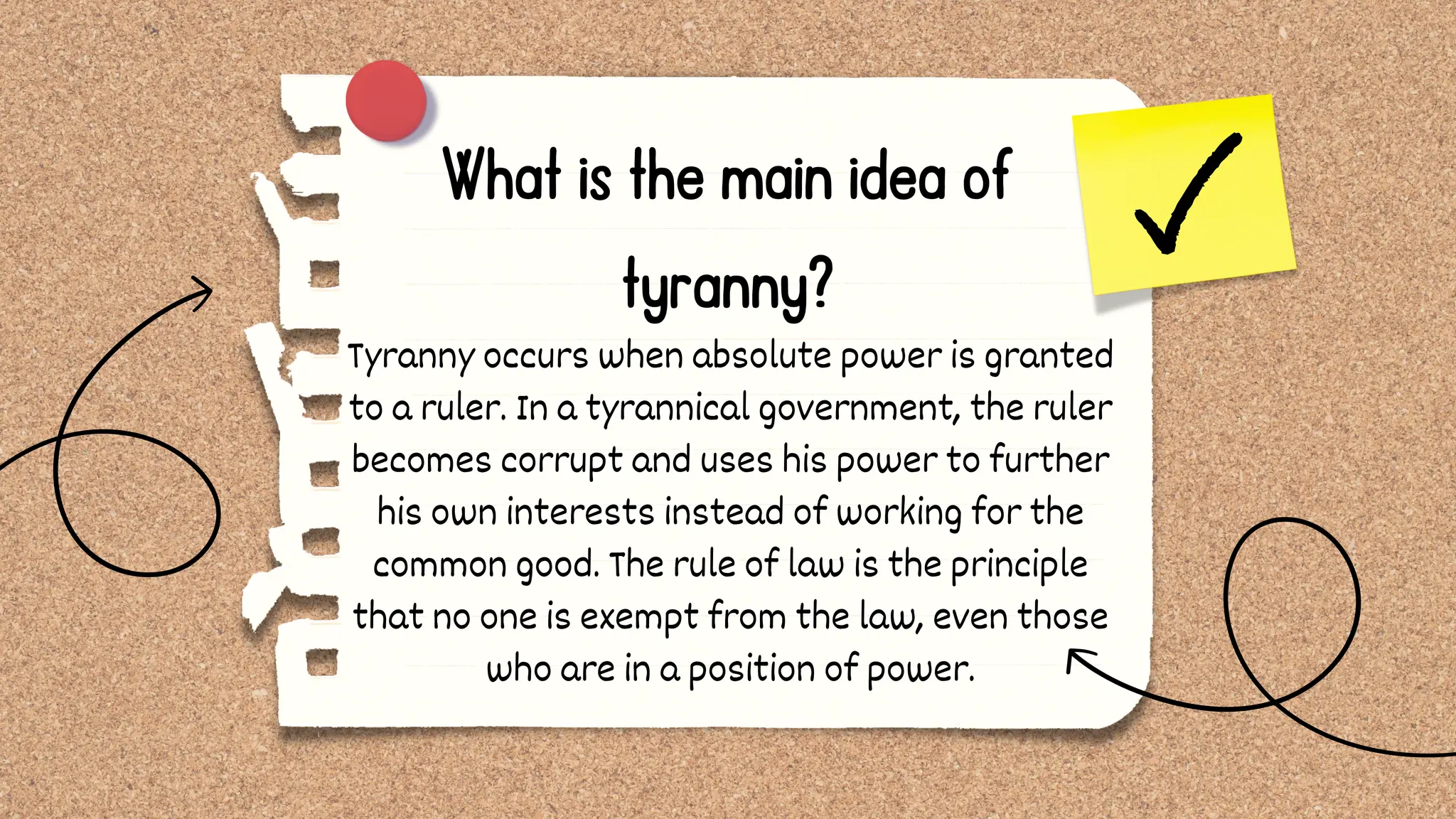
Tyranny, in its digital form, is the subtle, pervasive, and often invisible control of human behavior through data and algorithms. It is a system that values extraction over empowerment and engagement over well-being. By asking “what is tyranny” in the context of our gadgets and software, we begin to see the invisible threads that pull at our daily choices.
The goal of the next generation of tech developers, users, and policy-makers should be to move toward a human-centric model of technology. We must ensure that AI remains a tool for human flourishing rather than a mechanism for social engineering. The digital world offers immense potential for liberation and connection, but only if we remain vigilant against the structures that seek to turn the internet into a playground for algorithmic control. Sovereignty in the 21st century is not just about physical borders; it is about the sanctity of our data, the privacy of our thoughts, and our right to choose our own path in an increasingly automated world.
aViewFromTheCave is a participant in the Amazon Services LLC Associates Program, an affiliate advertising program designed to provide a means for sites to earn advertising fees by advertising and linking to Amazon.com. Amazon, the Amazon logo, AmazonSupply, and the AmazonSupply logo are trademarks of Amazon.com, Inc. or its affiliates. As an Amazon Associate we earn affiliate commissions from qualifying purchases.