
Understanding the various identifiers on your passport is crucial in an increasingly digital world. While often used interchangeably, the “travel document number” primarily refers to your passport number – a unique identifier that is foundational to international travel and digital identity. This number is not merely a string of digits and letters; it’s a key piece of information that ties you to your official identity, facilitates seamless border crossings, and is increasingly central to digital security protocols in the travel ecosystem.
Demystifying the Passport’s Core Identifier
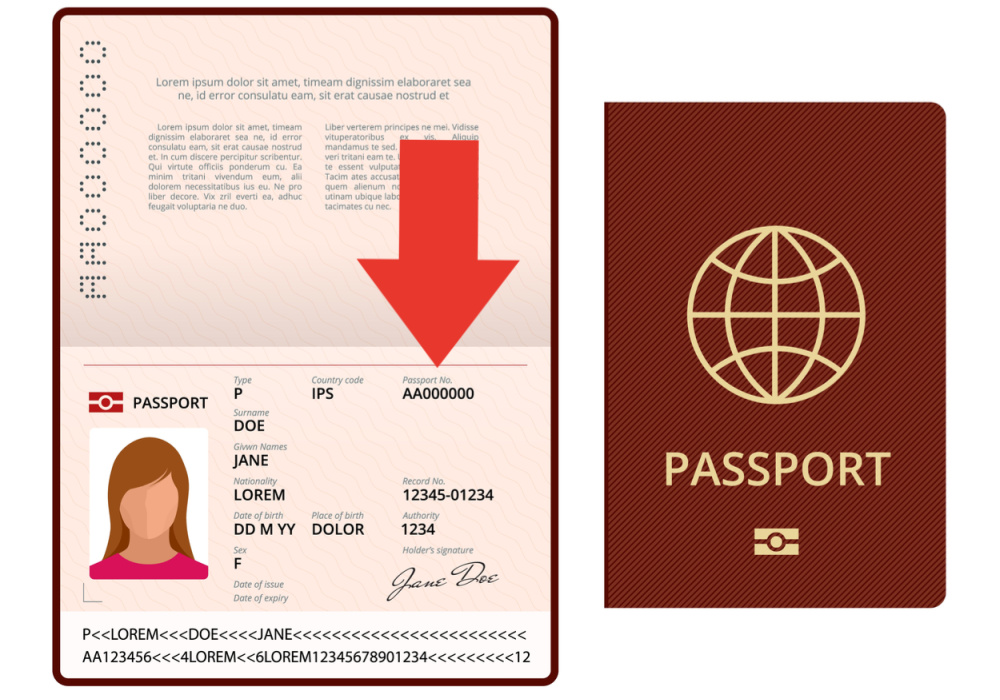
At its heart, a passport is a travel document, and its primary identifier is the passport number. This alphanumeric code is issued by the passport-issuing authority of a country to uniquely identify the holder and the specific document. It differentiates your passport from every other passport in circulation, serving as a critical reference for governments, airlines, and immigration officials worldwide.
The Passport Number vs. Other Document Numbers
It’s important to clarify that while “travel document number” often defaults to the passport number, passports can also contain other document numbers, especially related to visas or specific travel permits embedded within the passport itself. For instance, a visa sticker within your passport will have its own unique visa number. However, when an online form or travel service requests a “travel document number,” it almost invariably refers to your primary passport number. This is the overarching identifier for the booklet itself, not for any supplementary endorsements or stickers.
Where to Locate Your Passport Number
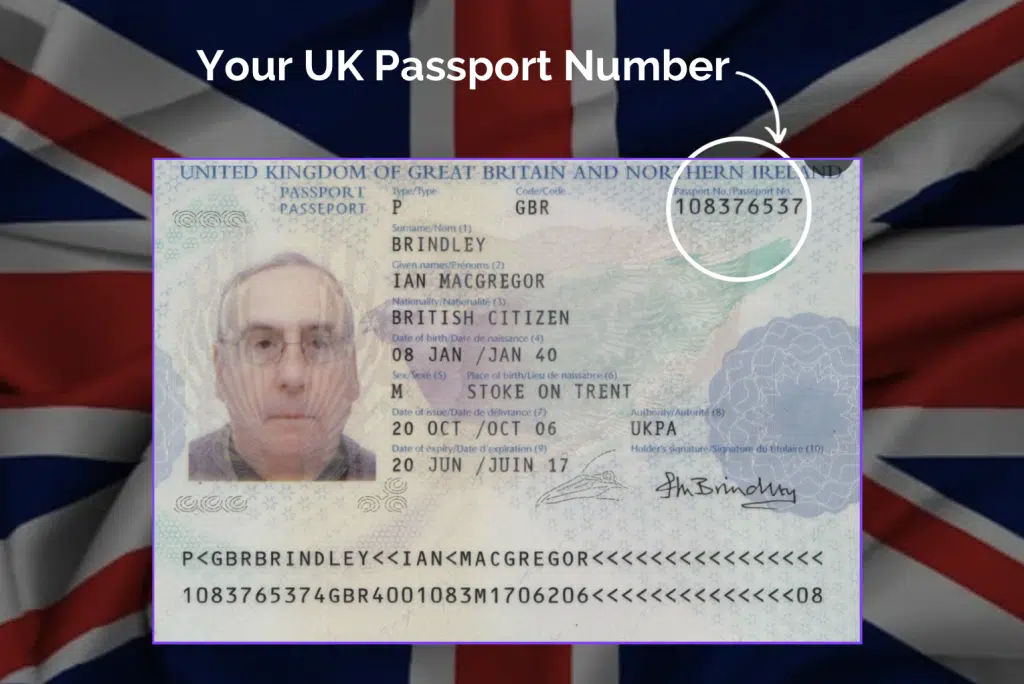
Locating your passport number is straightforward across most international passports, although its precise position can vary slightly by country. Typically, it is found on the biographical data page (the page with your photo and personal information).
- Placement: In most modern passports, including those from the United States, United Kingdom, Canada, Australia, and many EU nations, the passport number is located in the upper right-hand corner of the biographical page. It is usually printed prominently, often in a distinct font or color, and may be preceded by a label like “Passport No.,” “Document No.,” or “P.”
- Format: The format is usually an alphanumeric string, which can range from 8 to 12 characters. For example, a US passport number is 9 digits, while a UK passport number is 9 digits with a letter prefix. The specific combination is algorithmically generated and assigned to ensure uniqueness.
- Security Features: To prevent counterfeiting, passport numbers are often integrated with various security features, such as microprinting, holographic overlays, or UV-reactive inks, which are only visible under specific conditions. These technological enhancements are crucial for validating the authenticity of the document.
Understanding the Machine-Readable Zone (MRZ)
Below the visual information on your biographical page, you’ll find the Machine-Readable Zone (MRZ). This is a two or three-line block of text, composed entirely of capital letters, numbers, and the < character (representing a space). The MRZ is designed to be quickly read by optical scanners at border control and other checkpoints, facilitating rapid data processing.
The MRZ encodes all essential information from the biographical page in a standardized format, as defined by the International Civil Aviation Organization (ICAO) Document 9303. Crucially, your passport number is embedded within this zone. For example, in a standard two-line MRZ for a passport card or a visa, the document number typically appears in the second line. In a three-line MRZ common for full passports, it might be split across lines or appear on the first or second line, often followed by an issuer code and check digits. The ability of scanners to read this zone rapidly, extracting your travel document number and other data, is a cornerstone of modern, efficient border security and travel management systems.
The Digital Significance of Your Travel Document Number
In the era of digital transformation, your travel document number extends its utility far beyond physical inspection. It has become a vital piece of digital identity, critical for a multitude of online services and applications, highlighting its role in the broader landscape of digital security and data management.
Online Applications and Digital Identity Verification
Almost every online travel-related transaction requires your passport number. This includes:
- Airline Bookings: When purchasing tickets online, airlines require your passport number to comply with international regulations (like APIS – Advance Passenger Information System) and for identity verification during check-in.
- Visa Applications: Electronic visa applications (e-Visas) for countries like Australia (ETA), India, or Turkey heavily rely on your passport number as the primary link to your application and approval.
- Hotel Reservations & Car Rentals: While less common than for flights or visas, some premium services or international chains might request your passport number during online booking to streamline check-in or comply with local regulations.
- Travel Insurance: To link your policy to your travel plans and identity, insurance providers frequently ask for your passport number.
In these contexts, the travel document number serves as a unique digital key, linking your online application or reservation to your physical identity, ensuring that the person booking the travel is indeed the person traveling.
Secure Data Transmission in Travel Tech
The travel industry heavily relies on secure data transmission to move passenger information, including passport numbers, between various stakeholders – airlines, governments, travel agencies, and customs authorities. Technologies like Transport Layer Security (TLS) and Secure Sockets Layer (SSL) encryption protocols are standard for protecting this sensitive data as it traverses the internet. When you enter your passport number on a travel website, it’s typically encrypted before being sent to the server. Furthermore, government systems that receive APIS data or e-Visa applications employ robust security frameworks to protect this data at rest and in transit, often leveraging advanced encryption standards and secure data centers.
The Role of Apps in Managing Travel Documents
Mobile applications have become integral to the travel experience, and many now offer features to manage travel documents.
- Digital Wallets and Travel Apps: Some airline apps or third-party travel management apps allow users to store passport information (or at least quick access to it) for faster booking processes. While not a digital copy of the passport itself, storing the number securely within a trusted app can be convenient.
- Identity Verification Apps: Some countries are piloting or implementing digital identity apps that securely store a verified version of your travel document number and other biographical data. These apps often use biometrics (like facial recognition) to unlock and access the data, providing a convenient and secure way to verify identity without physically presenting the passport.
- Secure Document Storage Apps: Apps designed for secure personal data storage (e.g., password managers with secure note features) can be used to store a copy of your passport number, along with other critical travel details, encrypted on your device. This provides a backup in case the physical document is lost or stolen, allowing you to access the number for reporting purposes or emergency travel arrangements. These apps often leverage robust encryption standards like AES-256 to protect your data.
Safeguarding Your Digital Passport Identity
Given its pivotal role in both physical and digital identity, protecting your travel document number is paramount. Its compromise can lead to significant risks, making robust digital security practices essential.
Risks of Compromised Travel Document Numbers
A compromised passport number, particularly when combined with other personal data, can open doors to various forms of fraud and identity theft:
- Travel Fraud: Unauthorized individuals could potentially use your passport number to book travel under your name, facilitating illegal activities or simply causing confusion and travel disruptions for you.
- Identity Theft: While a passport number alone is usually not enough for full identity theft, it’s a critical component. Combined with other personal details (date of birth, full name, address), it can be used to open fraudulent accounts, apply for credit, or engage in other illicit activities.
- Impersonation: In some cases, a compromised passport number might be used to create counterfeit documents or for online impersonation, potentially affecting your reputation or financial standing.
- Targeted Scams: Knowledge of your passport number can make you a target for highly personalized phishing or scam attempts, as fraudsters can use this detail to make their communications appear more legitimate.
Best Practices for Digital Security
Protecting your travel document number online requires diligence and adherence to best practices:
- Verify Website Security: Always ensure that any website requesting your passport number uses HTTPS encryption. Look for the padlock icon in the browser’s address bar. This indicates that the connection is secure.
- Use Strong, Unique Passwords: For any online service that stores your travel information, use complex, unique passwords. Consider using a password manager to securely generate and store these.
- Enable Two-Factor Authentication (2FA): Where available, activate 2FA for travel-related accounts. This adds an extra layer of security, typically requiring a code from your phone in addition to your password.
- Be Wary of Phishing Scams: Never click on suspicious links or open attachments from unknown senders. Be extremely cautious about emails or messages requesting your passport number, even if they appear to be from a legitimate source. Always verify the sender and the legitimacy of the request independently.
- Secure Public Wi-Fi: Avoid entering sensitive information, including your passport number, when connected to unsecured public Wi-Fi networks. These networks are often vulnerable to eavesdropping. Use a Virtual Private Network (VPN) for added security when on public Wi-Fi.
- Secure Document Storage Apps: If using apps to store your passport number, ensure they are reputable, use strong encryption, and require biometric authentication (fingerprint, facial recognition) or a strong master password.
Leveraging Technology for Enhanced Protection
Technology not only presents risks but also offers powerful tools for protecting your digital identity:
- Encrypted Storage: Utilize secure cloud storage solutions or personal devices with strong encryption for any digital copies of documents containing your passport number.
- Identity Monitoring Services: Consider subscribing to identity theft protection services that monitor your personal information, including potentially compromised document numbers, on the dark web.
- Secure Browsers and Extensions: Use privacy-focused browsers and browser extensions that block trackers and malicious scripts, further protecting your online activity.
- Biometric Authentication: Embrace biometric authentication methods (fingerprint, facial scan) on your devices and in apps where available. These methods offer a highly secure way to access sensitive information.
Future Trends in Digital Travel Document Management
The evolution of digital identity and travel technology continues at a rapid pace, promising even more sophisticated ways to manage and protect your travel document information.
Biometric Integration and Digital Wallets
The future will likely see further integration of biometric data (fingerprints, facial scans, iris patterns) directly with digital travel document numbers. Digital identity wallets, securely stored on smartphones or other personal devices, are being piloted globally. These wallets could hold a verifiable digital version of your passport, authenticated by biometrics, allowing for seamless, touchless identity verification at airports, hotels, and borders without needing the physical document. The travel document number would remain the underlying unique identifier, but its presentation and verification would shift to digital, biometric-secured platforms.
Blockchain for Verifiable Credentials
Blockchain technology holds significant promise for verifiable digital credentials, including passport information. A blockchain-based system could allow individuals to hold sovereign control over their digital identity. When a service (e.g., an airline or a visa office) needs to verify your passport number, you could grant them temporary, permissioned access to a cryptographically secured credential, rather than sending your actual passport data across multiple systems. This “self-sovereign identity” model reduces the risk of data breaches by minimizing the centralized storage of sensitive information.
AI in Fraud Detection and Identity Assurance
Artificial intelligence and machine learning are increasingly being deployed in fraud detection and identity assurance systems. AI algorithms can analyze vast datasets to identify unusual patterns in travel bookings or visa applications that might indicate fraudulent use of passport numbers. Facial recognition AI, integrated with border control systems, can swiftly compare a traveler’s live image to the biometric data stored in their digital passport, providing an additional layer of security and efficiency. These technologies continuously learn and adapt, making it harder for fraudsters to compromise or misuse travel document numbers.
In conclusion, the travel document number on your passport is a fundamental cornerstone of international travel and increasingly a critical component of your digital identity. Understanding its significance, how it is used in digital contexts, and the best practices for its protection are essential for secure and efficient global mobility in the digital age. As technology advances, so too will the methods for its secure management and verification, promising a future of even more streamlined and protected travel experiences.
aViewFromTheCave is a participant in the Amazon Services LLC Associates Program, an affiliate advertising program designed to provide a means for sites to earn advertising fees by advertising and linking to Amazon.com. Amazon, the Amazon logo, AmazonSupply, and the AmazonSupply logo are trademarks of Amazon.com, Inc. or its affiliates. As an Amazon Associate we earn affiliate commissions from qualifying purchases.