
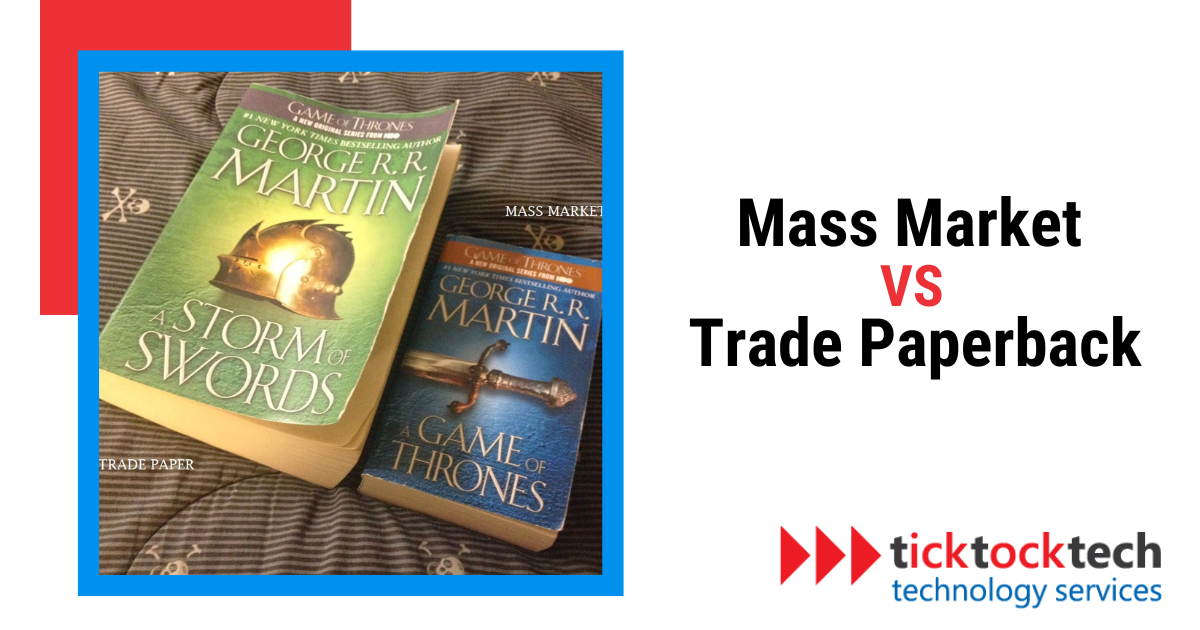
In the world of commercial publishing and personal finance, understanding the vehicle of your intellectual property is as critical as the content itself. For authors, entrepreneurs, and investors looking into the media landscape, the “trade paperback” represents more than just a book format; it is a strategic financial tool. Unlike the mass-market paperbacks found in grocery store revolving racks or the high-priced collector hardcovers, the trade paperback sits at the intersection of quality and cost-efficiency.
To understand what a trade paperback is from a business perspective, one must look at it through the lens of profit margins, production scalability, and market positioning. It is the industry standard for non-fiction, literary fiction, and business guides, offering a balance of durability and affordability that drives the majority of long-term publishing revenue today.

The Economics of Trade Paperbacks vs. Other Formats
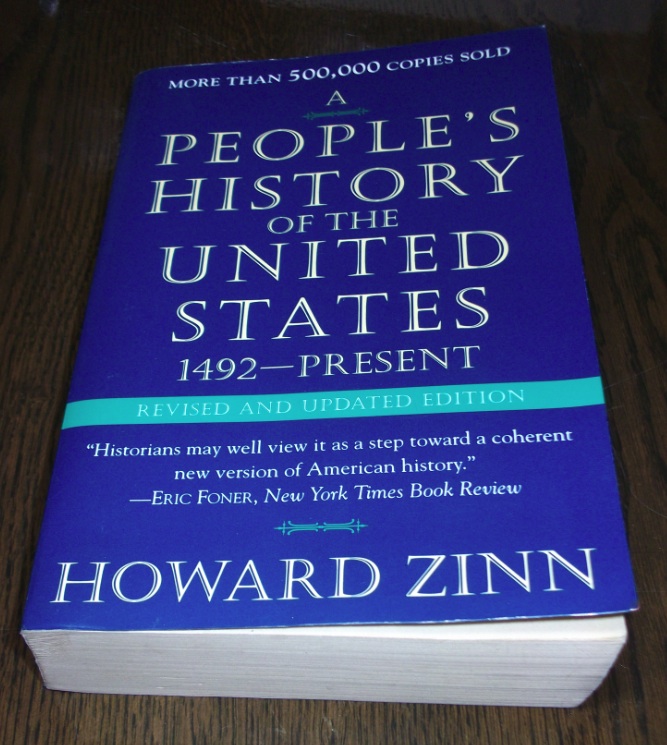
From a financial standpoint, the choice of book format is a decision about capital allocation and target ROI (Return on Investment). The trade paperback is defined by its physical characteristics—usually 5.5″ x 8.5″ or 6″ x 9″, with higher-quality paper and a cardstock cover—but its true definition lies in its economic utility.
Production Costs and Profit Margins
For a publisher or a self-published entrepreneur, the unit cost is the most vital metric. Trade paperbacks are significantly cheaper to produce than hardcovers, often costing 50% to 70% less per unit depending on the print run. However, they command a much higher retail price than mass-market paperbacks.
While a mass-market book might retail for $7.99 with thin margins, a trade paperback often retails between $14.95 and $24.95. Because the production cost typically stays between $2.50 and $5.00 (depending on volume), the gross margin per unit is exceptionally healthy. For an independent business owner using books as a lead magnet or a direct revenue stream, this format provides the “sweet spot” for maximizing net income.
Price Positioning in the Retail Market
In the psychology of consumer spending, the trade paperback occupies a “premium-utility” space. It is perceived as a “real” book—suitable for a bookshelf or a gift—unlike the disposable nature of mass-market editions. This allows businesses to maintain a higher Brand Price Point. When a financial advisor or a consultant publishes a trade paperback, the physical weight and quality of the paper justify a $20 price tag, which covers the cost of customer acquisition (CAC) and advertising spend, something a lower-priced format cannot achieve.
The Trade Paperback as a Strategic Business Asset
In the context of business finance, a book is not just a product; it is a long-term asset. The trade paperback format is specifically designed to maximize the “backlist” value of a company’s intellectual property.
Longevity and the “Backlist” Revenue Stream
In the publishing industry, the “frontlist” refers to new releases, while the “backlist” refers to books that have been out for more than a year. Financially, the backlist is the lifeblood of a sustainable publishing business because it requires zero additional development cost.
Trade paperbacks are the preferred format for the backlist. Hardcovers are often discontinued after the first year to save on storage and shipping costs, while trade paperbacks remain in print for decades. Because they are lighter than hardcovers, they incur lower “warehousing and fulfillment” (W&F) fees, making them the most cost-effective physical format to keep in permanent distribution.
Maximizing Returns through Format Staggering
Large publishing houses use a financial strategy called “staggering” to extract maximum lifetime value (LTV) from a single piece of content. They start with a high-priced hardcover to capture the “early adopters” and “high-net-worth” readers willing to pay $30.
Approximately six to twelve months later, they release the trade paperback. This second wave targets the mass market and price-sensitive consumers. By shifting to the trade paperback format, the business can lower the barrier to entry while simultaneously lowering its own production and shipping overhead, effectively revitalizing the product’s cash flow without needing to create new content.
Scaling a Publishing Side Hustle: The Trade Paperback Advantage
For individuals looking to generate online income or build a side hustle through self-publishing, the trade paperback is the primary vehicle for success. Modern financial tools and platforms have lowered the barriers to entry, making this a low-risk, high-reward venture.
Print-on-Demand (POD) and Capital Efficiency
The greatest financial revolution in the book world is Print-on-Demand (POD) technology. Traditionally, publishing required a massive upfront investment in inventory—printing 5,000 copies and hoping they sold. This created a significant “inventory risk” on the balance sheet.
With trade paperbacks, platforms like Amazon KDP or IngramSpark allow for a “zero-inventory” model. A book is only printed when a customer buys it. This eliminates the need for warehouse space and prevents “dead stock” (unsold inventory that must be written off as a loss). For a side hustle, this means the initial capital requirement is limited only to editing and cover design, making the trade paperback a model of lean business operations.
Inventory Management and Risk Mitigation
Even for those who choose traditional offset printing to lower the per-unit cost, trade paperbacks offer better risk mitigation. Because they are standardized in size, shipping logistics are predictable. They fit into standard mailers and meet the weight requirements for “Media Mail” rates through the USPS, which is a significantly discounted shipping tier. Reducing logistics costs by even 50 cents per unit can result in thousands of dollars in additional profit over the lifecycle of a popular title.
Investing in Intellectual Property (IP) via Physical Media
Investors often overlook books as a class of intellectual property, but the trade paperback is the physical manifestation of a “royalty-bearing asset.” When you own the rights to a trade paperback, you own a stake in a global distribution network.
The Resale Market and Asset Value
Unlike digital assets (E-books), trade paperbacks have a secondary market value. While an E-book cannot be resold, a physical trade paperback maintains a residual value. This “liquidity” of the physical object supports the initial purchase price. From a business valuation perspective, a company that owns a library of trade paperback titles has a tangible asset base that can be audited, appraised, and sold, much like real estate or a stock portfolio.
Direct-to-Consumer (DTC) Sales Models
The highest profit margins in the trade paperback world are found in Direct-to-Consumer (DTC) sales. By selling a trade paperback directly through a personal website or at a corporate speaking engagement, an author can bypass the 40-55% “wholesale discount” typically demanded by retailers like Barnes & Noble or Amazon.
In a DTC model, the financial breakdown looks like this:
- Retail Price: $20.00
- Production Cost: $4.00
- Shipping (Paid by customer): $0.00
- Transaction Fee: $0.60
- Net Profit: $15.40 per book.
Compared to the $2.00 or $3.00 royalty a traditional publisher might pay, the trade paperback format allows the independent business owner to capture nearly 75% of the gross revenue.
Conclusion: The Bottom Line on Trade Paperbacks
Understanding “what is a trade paperback” requires looking past the ink and glue to the financial framework beneath. It is a sophisticated compromise between the high-cost prestige of a hardcover and the low-margin volatility of a mass-market pocketbook.
For the modern entrepreneur, the trade paperback represents:
- High Gross Margins: Lower production costs than hardcovers with higher retail viability than mass-market editions.
- Operational Efficiency: Compatibility with Print-on-Demand technology to eliminate inventory risk.
- Scalable Revenue: The ability to serve as a long-term backlist asset that generates passive income for years.
- Brand Authority: A professional-grade physical product that justifies premium pricing and supports high-value consulting or service brands.
Whether you are looking to diversify your income through a publishing side hustle or you are an established brand looking to solidify your corporate identity, the trade paperback is the most fiscally responsible format for turning ideas into a sustainable revenue stream. In the economy of information, the trade paperback remains the gold standard for profitable, physical distribution.
aViewFromTheCave is a participant in the Amazon Services LLC Associates Program, an affiliate advertising program designed to provide a means for sites to earn advertising fees by advertising and linking to Amazon.com. Amazon, the Amazon logo, AmazonSupply, and the AmazonSupply logo are trademarks of Amazon.com, Inc. or its affiliates. As an Amazon Associate we earn affiliate commissions from qualifying purchases.