
In the world of contemporary marketing, “Boho” is much more than a collection of flowing fabrics, earthy tones, and vintage patterns. It represents one of the most resilient and profitable brand identities in the lifestyle and fashion sectors. While the casual observer might view “What is boho clothing style?” as a simple question of fashion preferences, brand strategists view it as a masterclass in emotional positioning and lifestyle branding.
The Bohemian (Boho) aesthetic has successfully transitioned from a counter-culture movement of the 19th century into a multi-billion dollar corporate identity strategy. By examining the mechanics of the Boho brand, we can uncover how organizations leverage specific archetypes, visual narratives, and consumer psychology to build enduring loyalty.
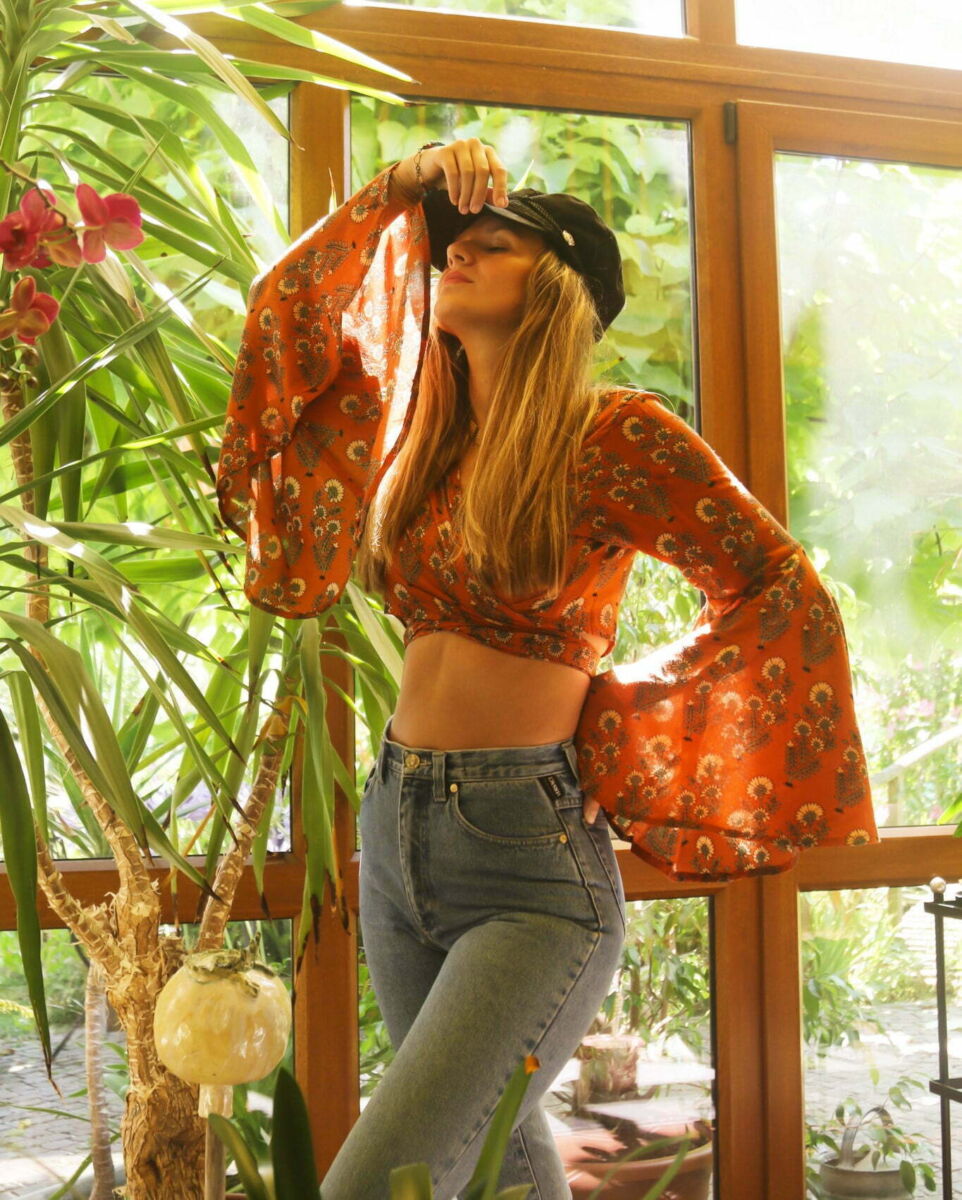
1. Defining the Boho Identity: More Than Just a Style
At its core, the Boho brand is built upon the “Explorer” and “Creator” brand archetypes. In branding theory, these archetypes are used to humanize a business and create an immediate emotional connection with the target audience. The Boho identity is not merely about the physical garments; it is a promise of a life lived outside the conventional boundaries of corporate rigidity.
The Core Values of the Bohemian Brand Archetype
Successful Boho brands—ranging from boutique labels to global conglomerates—root their identity in three core pillars: freedom, authenticity, and individuality. When a brand adopts a Boho identity, it communicates that it values the “journey” over the “destination.” This is a powerful psychological tool. In an era of mass production and hyper-standardization, a brand that positions itself as “hand-crafted,” “organic,” or “artisan-inspired” creates a perceived value that far exceeds the manufacturing cost of the product.
Visual Storytelling and the “Effortless” Brand Persona
The visual identity of a Boho brand is meticulously engineered to look unengineered. This paradox is the secret to its success. Brand strategy involves using specific semiotics—symbols like feathers, floral motifs, and distressed textures—to signal a rejection of “corporate” perfection. By projecting an image of effortless grace, these brands attract consumers who wish to signal their own creative and non-conformist nature. This visual storytelling allows a brand to command a premium price point by selling a “vibe” rather than just a commodity.
2. Market Positioning: How Boho Brands Capture High-Value Demographics
Understanding “what is boho clothing style” from a business perspective requires an analysis of market segmentation. Boho branding typically targets a high-value demographic: the affluent, socially conscious, and travel-oriented consumer. This segment is less price-sensitive and more value-driven, making them an ideal target for premium brand positioning.
Psychographic Targeting: The Values-Based Consumer
Unlike traditional demographic targeting (age, location, income), Boho brand strategy relies heavily on psychographics. The “Boho” consumer often identifies with environmentalism, global travel, and holistic wellness. Brands that master this aesthetic align their corporate social responsibility (CSR) initiatives with these values. By branding themselves as “ethical” or “sustainable,” they create a “virtuous cycle” of consumption where the buyer feels that their purchase is an extension of their personal ethics.
Premiumization of the “Free Spirit” Aesthetic
There is a significant difference between “thrifted” boho and “luxury” boho. Strategic brand management has allowed companies to “premiumize” the aesthetic. By using high-quality materials like silk, linen, and organic cotton, and combining them with intricate embroidery, brands can position themselves in the “accessible luxury” tier. This allows them to maintain high margins while keeping the brand’s “free-spirited” soul intact. The strategy here is to sell the idea of simplicity through a sophisticated and high-end supply chain.
3. Case Studies in Boho Branding: From Coachella to Corporate Identity
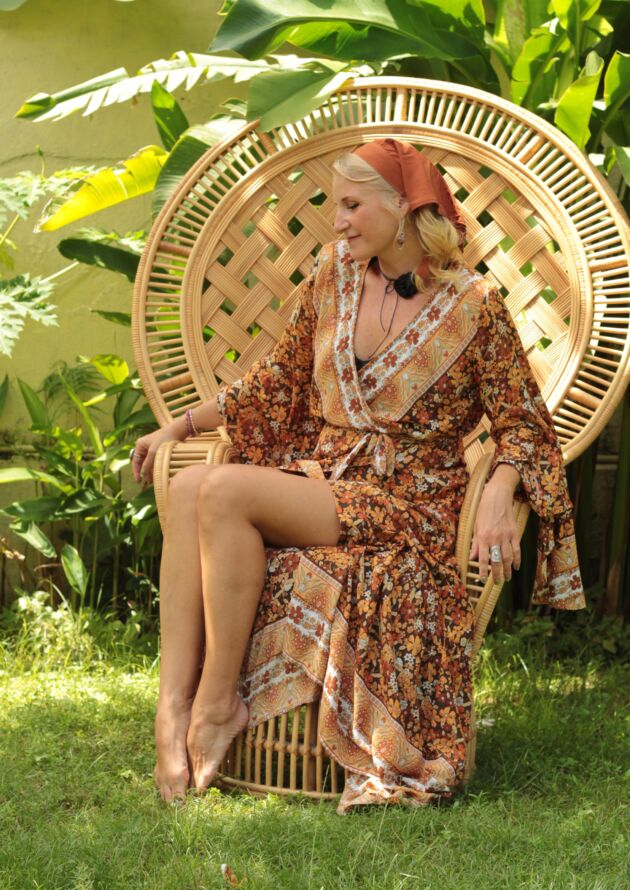
To truly understand how the Boho style operates as a brand, one must look at the leaders in the space. Companies like the URBN Group (which owns Anthropologie and Free People) have revolutionized how aesthetic styles are turned into comprehensive brand ecosystems.
Anthropologie and the Immersive Retail Experience
Anthropologie is a prime example of “sensory branding.” They don’t just sell clothes; they sell an environment. From the curated scent of the candles in the store to the hand-painted displays, the brand uses the Boho aesthetic to create an immersive world. This strategy increases “dwell time” (the amount of time a customer spends in a store), which correlates directly with higher transaction values. The brand identity is so strong that consumers can identify an Anthropologie product without ever seeing a logo.
Luxury vs. Fast Fashion: The Scaling of Bohemians
On the opposite end of the spectrum, brands like Chloé have historically used “Boho-Chic” to define high-fashion luxury. Their brand strategy involves taking the raw elements of bohemianism—fringe, lace, and suede—and elevating them through Italian craftsmanship. Meanwhile, fast-fashion giants like H&M or Zara frequently use “Boho” capsules to drive seasonal traffic. These case studies show that the Boho brand identity is incredibly versatile, capable of functioning at both the $20 and $2,000 price points.
4. Personal Branding and the Boho Influencer Economy
In the digital age, the Boho style has become a cornerstone of personal branding. Influencers and content creators use the aesthetic to build a “brand of one” that feels relatable yet aspirational.
Authenticity as a Brand Asset
The modern consumer is highly skeptical of traditional advertising. Personal brands that utilize the Boho aesthetic leverage “perceived authenticity.” By appearing in natural settings, using warm-toned filters, and showcasing a lifestyle centered around nature and art, these individuals build a high level of trust with their audience. This trust is the ultimate currency in personal branding, allowing influencers to pivot into brand collaborations and product launches with high conversion rates.
The Role of Social Media in Globalizing the Aesthetic
Platforms like Instagram and Pinterest have been instrumental in the globalization of the Boho brand. The “Boho-Chic” aesthetic is highly “instagrammable,” meaning it generates organic reach through visual sharing. From a brand strategy perspective, this is “earned media.” When a consumer posts a photo of themselves in a Boho outfit against a desert backdrop, they are effectively acting as a brand ambassador, reinforcing the lifestyle associations that the brand has spent years cultivating.
5. The Future of the Boho Brand: Sustainability and Ethical Identity
As we look toward the future of brand strategy, the Boho aesthetic is uniquely positioned to lead the shift toward conscious consumerism. However, this also presents significant challenges for brand managers.
Aligning Brand Purpose with Conscious Consumerism
The “New Boho” brand must go beyond visual style to include radical transparency. Modern consumers are increasingly demanding to know where their clothes are made and who made them. For a Boho brand, whose identity is rooted in “oneness with the world,” a scandal involving unethical labor practices can be fatal. Strategic branding in this space now requires a marriage between the aesthetic (the look) and the infrastructure (the supply chain). Brands that can prove their “Bohemian” spirit is more than skin-deep will dominate the market in the coming decade.
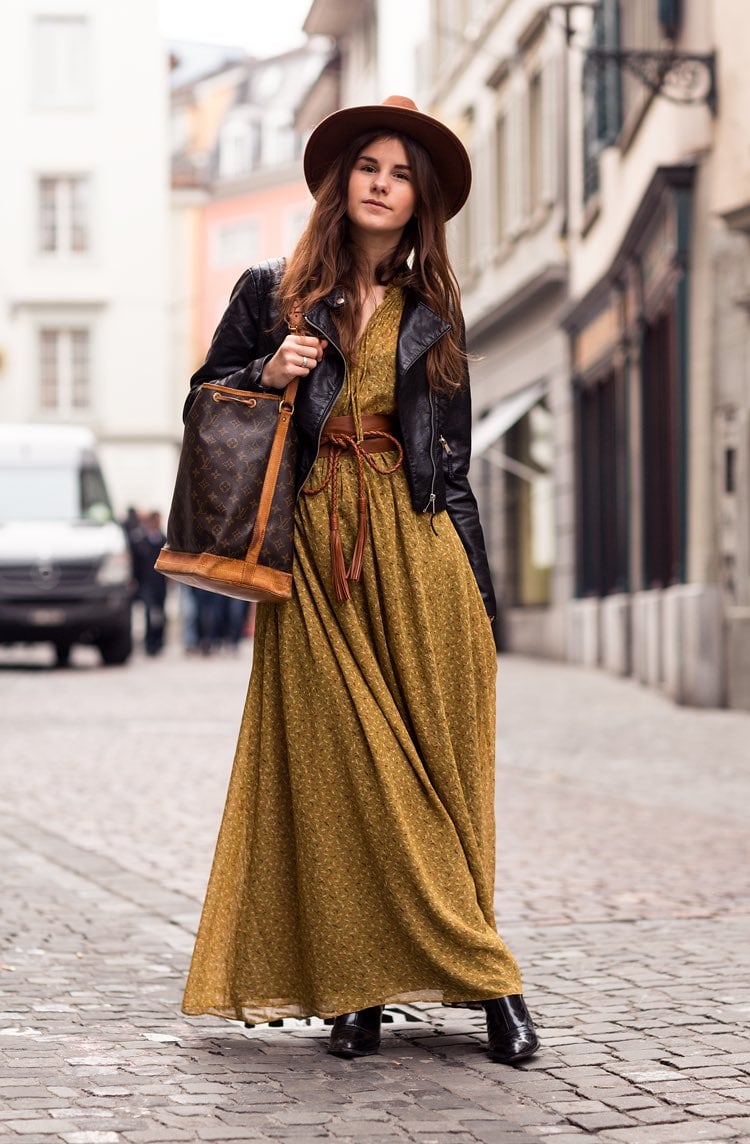
Navigating Cultural Appropriation in Global Branding
One of the most critical aspects of modern Boho brand strategy is the navigation of cultural sensitivities. The style often draws inspiration from various indigenous cultures around the world. In the past, brands used these motifs without credit, but in today’s branding landscape, this is seen as a major reputational risk. Forward-thinking brands are moving toward “collaborative branding,” where they partner with local artisans and give credit (and fair compensation) to the cultures that inspire the aesthetic. This not only mitigates risk but also adds a layer of “story-driven” value that modern consumers crave.
In conclusion, “What is boho clothing style?” is a question that leads directly to the heart of modern brand strategy. It is an aesthetic that has mastered the art of selling a feeling, a philosophy, and a lifestyle. By balancing the “free-spirited” archetype with sophisticated market positioning and a commitment to authenticity, Boho brands have created a blueprint for success that transcends the fickle nature of fashion trends. For the brand strategist, the Boho movement serves as a reminder that the most powerful brands are those that don’t just sell a product—they sell a version of who the consumer wants to be.
aViewFromTheCave is a participant in the Amazon Services LLC Associates Program, an affiliate advertising program designed to provide a means for sites to earn advertising fees by advertising and linking to Amazon.com. Amazon, the Amazon logo, AmazonSupply, and the AmazonSupply logo are trademarks of Amazon.com, Inc. or its affiliates. As an Amazon Associate we earn affiliate commissions from qualifying purchases.