
In the rapidly evolving landscape of forensic science, the ability to identify individuals has moved far beyond the traditional reliance on visible biological markers like bloodstains or fingerprints. We have entered the era of “Touch DNA”—a sophisticated technological field also known as trace DNA analysis. This technology allows investigators to recover genetic profiles from microscopic skin cells left behind on surfaces, even when no visible fluid or print is present. As digital security and forensic technology continue to merge, understanding the mechanics, capabilities, and limitations of Touch DNA is essential for anyone interested in the intersection of biology and modern tech.

The Science of Trace Evidence: How Touch DNA Works
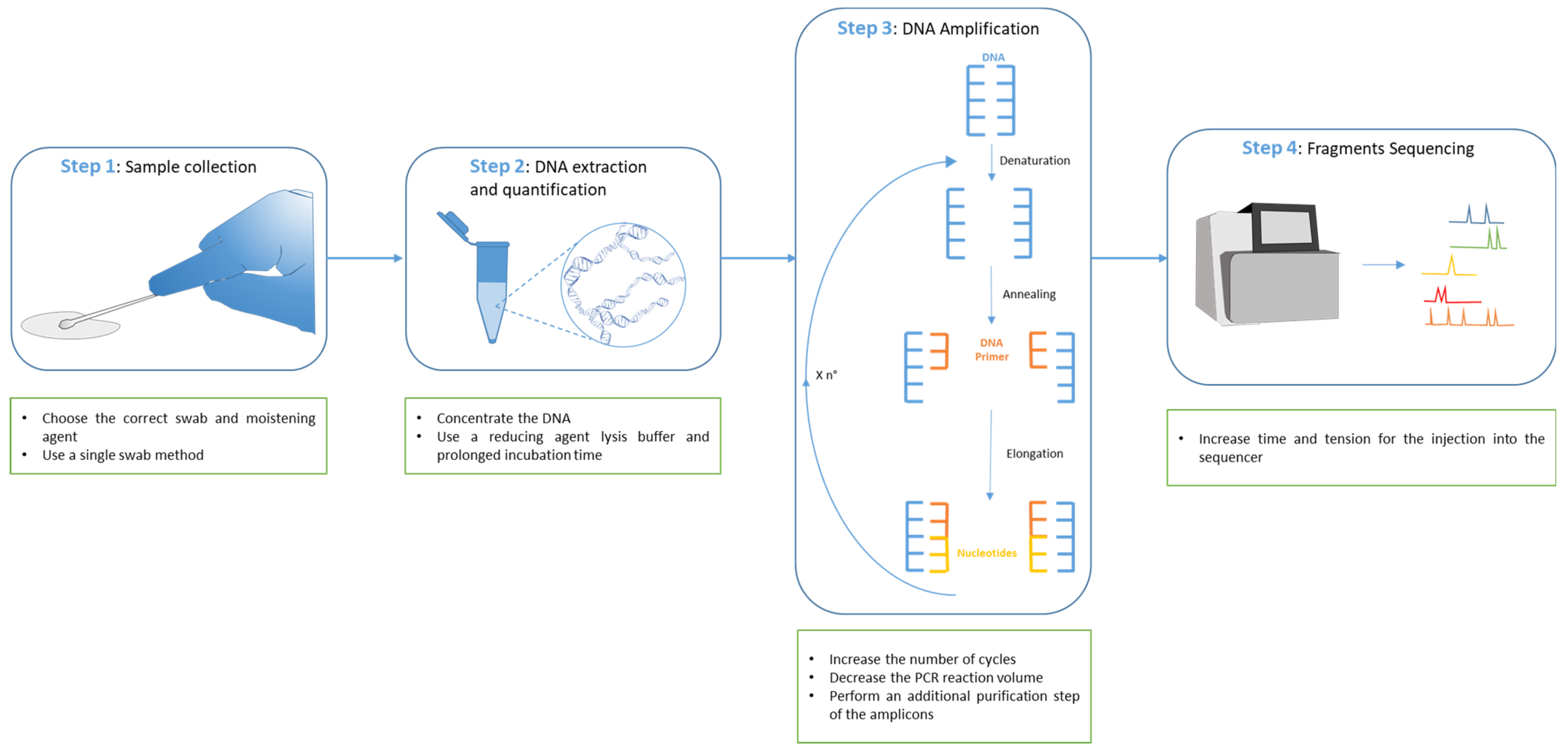
At its core, Touch DNA is the analysis of epithelial (skin) cells. Humans naturally shed approximately 40,000 skin cells every day. When a person touches an object—a door handle, a keyboard, or a weapon—a small number of these cells are transferred to the surface. While these samples are often invisible to the naked eye and contain only minute amounts of genetic material, modern technological advancements have made it possible to amplify and sequence this data.
The Biology of Shedding Cells
Every individual has a unique “shedder status.” Some people are “heavy shedders,” leaving behind a wealth of genetic material with the slightest contact, while others are “light shedders.” Factors such as skin health, the use of hand lotions, and even the time of day can influence how many cells are deposited. From a technological perspective, this variability presents a significant challenge for forensic software, which must account for the high degree of noise and low signal found in trace samples.
From Trace Samples to Genetic Profiles
The process of turning a microscopic cell into a usable profile involves several high-tech stages. First, the sample is collected using specialized swabs or vacuum-based recovery systems. Once in the lab, the DNA is extracted and subjected to Polymerase Chain Reaction (PCR). PCR is a revolutionary technology that acts like a biological photocopier, taking a tiny fragment of DNA and replicating it millions of times until there is a sufficient quantity for analysis. This amplified DNA is then analyzed using Short Tandem Repeat (STR) technology to create a unique genetic fingerprint.
Technological Breakthroughs in Forensic Detection
The shift from analyzing large biological samples to microscopic trace DNA has been driven by massive leaps in laboratory hardware and biochemical engineering. In the past, forensic labs required a sample the size of a quarter to get a reliable result; today, tech-driven methodologies allow for results from samples containing fewer than 100 picograms of DNA.
Enhanced Sensitivity and PCR Amplification
The most significant tech trend in this field is the increased sensitivity of thermal cyclers and reagents used during the PCR process. Modern forensic kits are now engineered to be “inhibitor-resistant,” meaning they can function even if the DNA sample is contaminated with dirt, dyes, or environmental pollutants. This technological resilience allows investigators to pull data from objects that were previously considered “dead ends,” such as textured fabrics or weathered outdoor surfaces.
Automated Recovery Systems: The M-Vac and Beyond
Traditional swabbing—using a cotton bud to rub a surface—is often inefficient for porous materials like bricks or clothing. To solve this, new gadgets like the M-Vac (a wet-vacuum forensic sampling device) have emerged. This tool sprays a sterile solution onto a surface while simultaneously applying a high-powered vacuum to pull skin cells out of the deep crevices of a material. This hardware has increased DNA yields by up to 200% compared to traditional methods, representing a major hardware upgrade in the forensic toolkit.
The Integration of AI and Big Data in DNA Analysis

As the sensitivity of DNA detection hardware has increased, so has the complexity of the data produced. When an object is touched by multiple people, the resulting DNA sample is a “complex mixture.” Untangling which genetic markers belong to which person is a task that has moved beyond human capability, leading to the integration of Artificial Intelligence and machine learning.
Machine Learning for Complex Mixtures
In the last decade, the industry has seen the rise of Probabilistic Genotyping Software (PGS), such as STRmix or TrueAllele. These AI-driven tools use sophisticated algorithms to run thousands of mathematical simulations, determining the most likely combination of individuals who contributed to a DNA mixture. By using Bayesian statistics and deep learning models, these software tools can separate a “major contributor” from “minor contributors” with a level of precision that was historically impossible.
Expanding the Digital Forensic Database
Once a profile is generated, it must be compared against existing records. This is where Big Data comes into play. National databases like CODIS (Combined DNA Index System) in the United States utilize high-speed cloud computing and advanced search algorithms to cross-reference trace DNA profiles against millions of known offenders and “cold case” evidence. The interconnectivity of these digital platforms allows for real-time collaboration between international law enforcement agencies, creating a global net of digital biological security.
Security, Ethics, and the Challenge of Secondary Transfer
While Touch DNA is a powerful technological tool, it is not without its vulnerabilities. In the world of tech, we often discuss “false positives” in cybersecurity; in forensics, the equivalent is “secondary transfer.” This occurs when a person’s DNA is found on an object they never actually touched.
The Problem of “Innocent” DNA Transfer
Technological sensitivity is a double-edged sword. Because the equipment is now so sensitive, it can detect DNA that arrived at a scene via an intermediary. For example, if Person A shakes hands with Person B, and Person B subsequently touches a laptop, Person A’s DNA can be found on that laptop. This “secondary transfer” poses a significant challenge for data interpretation. Forensic technicians must now use specialized software to determine not just whose DNA is present, but how it got there—a field known as DNA transfer analytics.
Privacy Implications in the Age of Genomic Data
The ability to harvest DNA from almost any surface raises profound questions regarding digital privacy and biological security. As we move toward an era where “biometric hacking” is a theoretical possibility, the protection of genetic data becomes as important as protecting a password. If a person’s Touch DNA can be collected from a discarded coffee cup and sequenced, the potential for unauthorized surveillance or genetic profiling increases. This has led to a call for stricter digital security protocols surrounding how genetic databases are accessed and who owns the “digital twin” of a person’s DNA.
The Future of Touch DNA: Real-Time Forensics
The trajectory of Touch DNA technology is moving toward miniaturization and speed. We are currently seeing the development of “Rapid DNA” systems—portable, ruggedized gadgets that can process a DNA sample in under 90 minutes.
Portable Sequencing Gadgets
Future iterations of this tech aim to bring the lab to the field. Imagine a handheld scanner that can “read” the epithelial cells on a surface and provide an instant digital match via a 5G connection to a central database. While we are not quite there yet, the convergence of Nanopore sequencing and edge computing is bringing us closer to real-time biological identification.
The Convergence of Digital and Biological Security
As we look forward, the line between “digital forensics” (recovering data from hard drives) and “physical forensics” (recovering DNA from keyboards) is blurring. In a comprehensive security audit, both are equally vital. Touch DNA represents the ultimate biometric—a “password” that we leave behind on everything we touch. The technology used to capture, amplify, and analyze these traces is a testament to human ingenuity, but it also serves as a reminder of the increasing difficulty of maintaining true anonymity in a technologically advanced society.
In conclusion, Touch DNA is no longer a fringe science or a plot point in a science fiction novel. It is a robust, AI-enhanced technological field that is redefining the boundaries of security, law enforcement, and biological data analysis. As the hardware becomes more sensitive and the software more intelligent, our ability to decode the invisible stories left behind on the surfaces of our world will only continue to grow. For those in the tech and security sectors, staying informed about these developments is not just about understanding crime—it’s about understanding the future of human identification itself.
aViewFromTheCave is a participant in the Amazon Services LLC Associates Program, an affiliate advertising program designed to provide a means for sites to earn advertising fees by advertising and linking to Amazon.com. Amazon, the Amazon logo, AmazonSupply, and the AmazonSupply logo are trademarks of Amazon.com, Inc. or its affiliates. As an Amazon Associate we earn affiliate commissions from qualifying purchases.