
In the modern marketplace, a brand is rarely a static entity. It is a living ecosystem that must evolve, adapt, and expand to maintain its relevance and market share. One of the most potent tools in a brand strategist’s arsenal is the “spin-off series.” While the term is frequently associated with television and cinema, its implications in brand strategy, corporate identity, and marketing are profound. A spin-off series represents the strategic extraction of a specific element, character, or sub-brand from a successful parent entity to create a standalone venture.
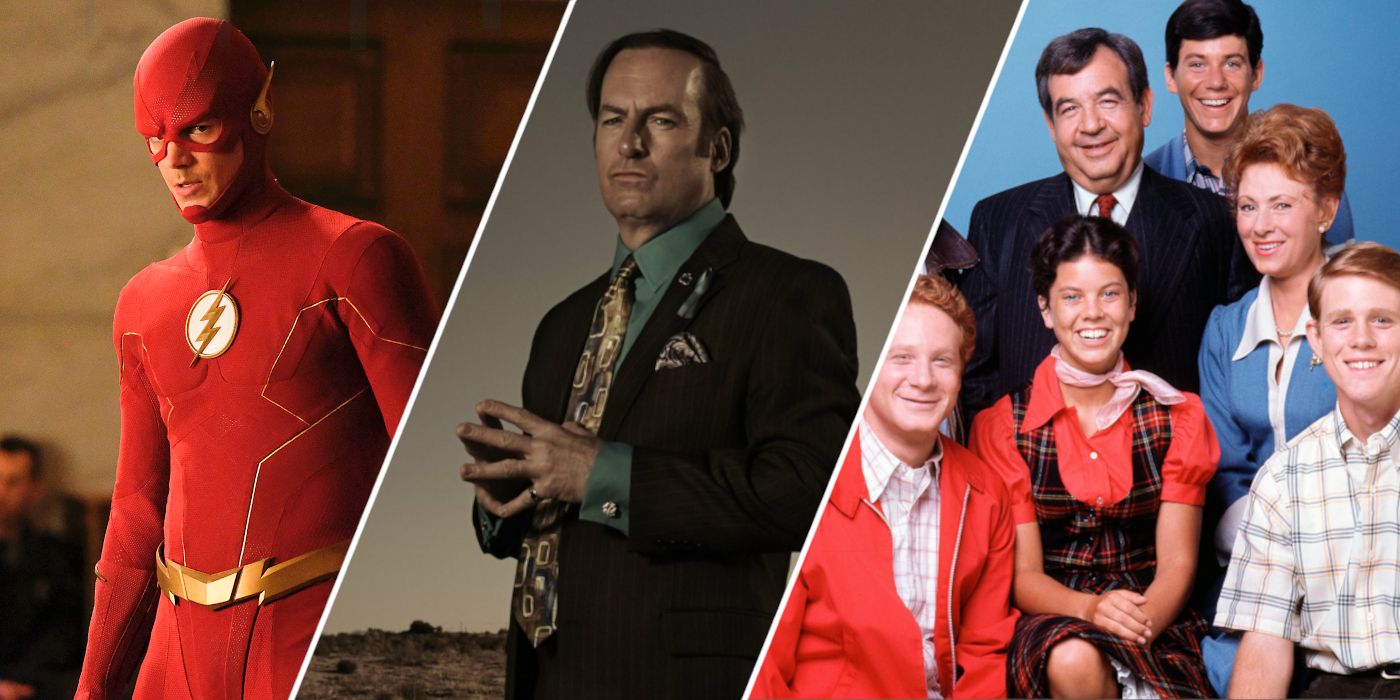
When executed correctly, a spin-off is not merely a derivative work; it is a calculated expansion of a brand’s intellectual property (IP). It allows an organization to explore new demographics, test innovative value propositions, and deepen consumer loyalty without risking the core identity of the parent brand. This article explores the mechanics of spin-off series through the lens of brand strategy, examining how they function as engines for growth and long-term equity.
Defining the Spin-Off in the Context of Brand Strategy
To understand a spin-off series, one must first distinguish it from other forms of brand extension, such as sequels or line extensions. A sequel is a chronological continuation; a line extension is a variation of an existing product. A spin-off, however, is a lateral movement. It takes a secondary component of a brand—a “supporting character” in the brand story—and elevates it to a protagonist role.
The Anatomy of a Brand Spin-Off
In branding, a spin-off series occurs when a company identifies a niche within its existing portfolio that has the potential to stand on its own. This could be a specific feature of a software suite, a sub-segment of a luxury fashion line, or a recurring theme in a content marketing campaign. The “series” aspect refers to the sustained, multi-layered rollout of this new entity. It is not a one-off product launch but a strategic commitment to building a new pillar under the corporate umbrella.
The success of a spin-off hinges on “transferable equity.” The parent brand provides the initial credibility, the “trust bridge” that encourages consumers to try the new offering. However, the spin-off must quickly establish its own unique brand DNA—its own voice, visual identity, and value proposition—to avoid being perceived as a mere shadow of the original.
Why Brands Choose to Diversify
The primary driver behind a spin-off series is the pursuit of “unmet needs.” Often, a parent brand becomes so well-defined that it faces a “brand ceiling.” For example, a high-end enterprise software brand might find it difficult to attract small-business users because its core identity is tied to complexity and high cost. By launching a spin-off series—a streamlined, more accessible version of the tool under a different but related name—the company can capture a new market segment without diluting its prestige at the enterprise level.
The Economic Logic of Brand Extensions
From a strategic marketing perspective, the spin-off series is an exercise in resource optimization. Developing a brand from scratch is an expensive, high-risk endeavor with a high failure rate. A spin-off mitigates this risk by leveraging the “Halo Effect” of the parent brand.
Leveraging Existing Brand Equity
Brand equity is the commercial value that derives from consumer perception of the brand name, rather than from the product or service itself. When a brand launches a spin-off, it essentially “borrows” this equity to lower the cost of customer acquisition (CAC). Because the audience is already familiar with the parent brand’s quality and values, the marketing effort required to build awareness for the spin-off is significantly reduced.
This creates a synergistic relationship. If the spin-off succeeds, it reflects positively back on the parent brand, reinforcing the idea that the organization is a leader in its field and capable of diverse innovation. This “virtuous cycle” increases the overall valuation of the company’s IP portfolio.
Risk Mitigation in New Market Entry
Innovation is inherently risky. When a brand wants to experiment with a radical new design language or a disruptive business model, doing so under the flagship name can be dangerous. If the experiment fails, it could tarnish the legacy brand’s reputation.
A spin-off series acts as a “containment vessel” for innovation. It allows the brand to be agile and experimental. If the spin-off fails to gain traction, the parent brand remains insulated from the fallout. Conversely, if it succeeds, it can eventually be integrated back into the core or allowed to flourish as a powerful independent entity. This strategic decoupling is essential for legacy brands looking to stay relevant in fast-moving industries.
Executing a Successful Spin-Off Series
The transition from a supporting element to a standalone brand requires more than just a new logo. It requires a fundamental shift in how the brand communicates its value. Execution is where most spin-offs either find their footing or stumble into irrelevance.
Identifying the Core Value Proposition
The first step in a successful spin-off is identifying what, exactly, is being “spun off.” Is it a specific aesthetic? A particular functional benefit? A unique personality? In the world of personal branding, this might look like a successful CEO launching a spin-off series of workshops or books focused specifically on one niche—such as “mindful leadership”—rather than general business management.

The value proposition of the spin-off must be distinct enough to justify its existence but familiar enough to resonate with the existing fan base. Strategic planners must ask: “What does this new series offer that the parent brand cannot?” If the answer is “nothing,” then the spin-off is redundant and will likely lead to internal competition and market confusion.
Maintaining Visual and Narrative Consistency
While a spin-off needs its own identity, it must share a “brand language” with its parent. This is often achieved through subtle visual cues—common typography, a shared color palette, or a similar tone of voice. This creates a “Brand Architecture” that consumers can easily navigate.
In corporate identity, this is often managed through a “Sub-Brand” or “Endorsed Brand” strategy. For example, when a luxury hotel chain launches a spin-off series of “boutique” urban stays, they use the parent brand’s name as a secondary endorsement (e.g., “A Brand by [Parent Company]”). This provides the safety of the known brand while allowing the new series the freedom to define its own lifestyle-driven narrative.
Avoiding Brand Dilution
The greatest threat to a spin-off series is “brand dilution.” This occurs when a brand expands into too many directions, thinning its resources and confusing its audience. If every character in a movie gets a spin-off, or if every feature of a software becomes its own app, the “specialness” of the original brand is lost.
To avoid this, brand managers must be disciplined. A spin-off should only be launched when there is a clear market demand and a sustainable long-term vision. It is better to have one powerhouse spin-off than five mediocre ones that clutter the marketplace.
Case Studies: Masterclasses in Brand Spin-Offs
Examining successful real-world examples provides a roadmap for how spin-off series function as strategic assets. These cases demonstrate that a spin-off is not just about content; it’s about market positioning.
From Media to Merchandise: The Disney Model
The Walt Disney Company is arguably the world leader in spin-off strategy. Their approach involves taking a successful IP—such as a single character from a film—and building an entire “series” around them, including streaming shows, theme park attractions, and consumer products.
This is a “360-degree brand ecosystem.” By spinning off “The Mandalorian” from the Star Wars brand, Disney didn’t just create a TV show; they created a new entry point for a younger demographic, a massive merchandising stream (the “Baby Yoda” phenomenon), and a reason for consumers to subscribe to their digital platform. The spin-off serves as both a revenue generator and a brand-reinforcement tool.
Tech-Adjacent Branding: The Evolution of Sub-Brands
In the technology sector, the spin-off is often used to manage “Brand Maturity.” Consider how major tech firms spin off their experimental labs (like Google’s “X”) or create distinct sub-brands for different hardware tiers.
A notable example is the way automotive brands use spin-offs to enter the electric vehicle (EV) market. Rather than just making an electric version of an existing car, many have created “spin-off series” (like Hyundai’s IONIQ or Mercedes-Benz’s EQ). This allows them to market a futuristic, sustainable identity that is unburdened by the associations of traditional internal combustion engines, while still benefiting from the parent company’s manufacturing excellence.
The Future of the Spin-Off in a Digital-First World
As we move further into a digital-centric economy, the concept of the spin-off series is evolving. We are seeing the rise of “micro-brands” and creator-led spin-offs that move at the speed of social media trends.
Transmedia Storytelling and Brand Longevity
The future of branding lies in “Transmedia Storytelling”—the practice of telling a single story or brand message across multiple platforms and formats. In this context, the spin-off series becomes a vital component of a brand’s longevity. By constantly spinning off new “chapters” of the brand story into different formats (podcasts, interactive apps, community forums), a brand remains embedded in the consumer’s daily life.
This approach transforms the relationship from “transactional” to “relational.” Consumers don’t just buy a product; they participate in an ongoing series of brand experiences. The spin-off is the mechanism that keeps the narrative fresh and prevents the brand from becoming a “commodity.”
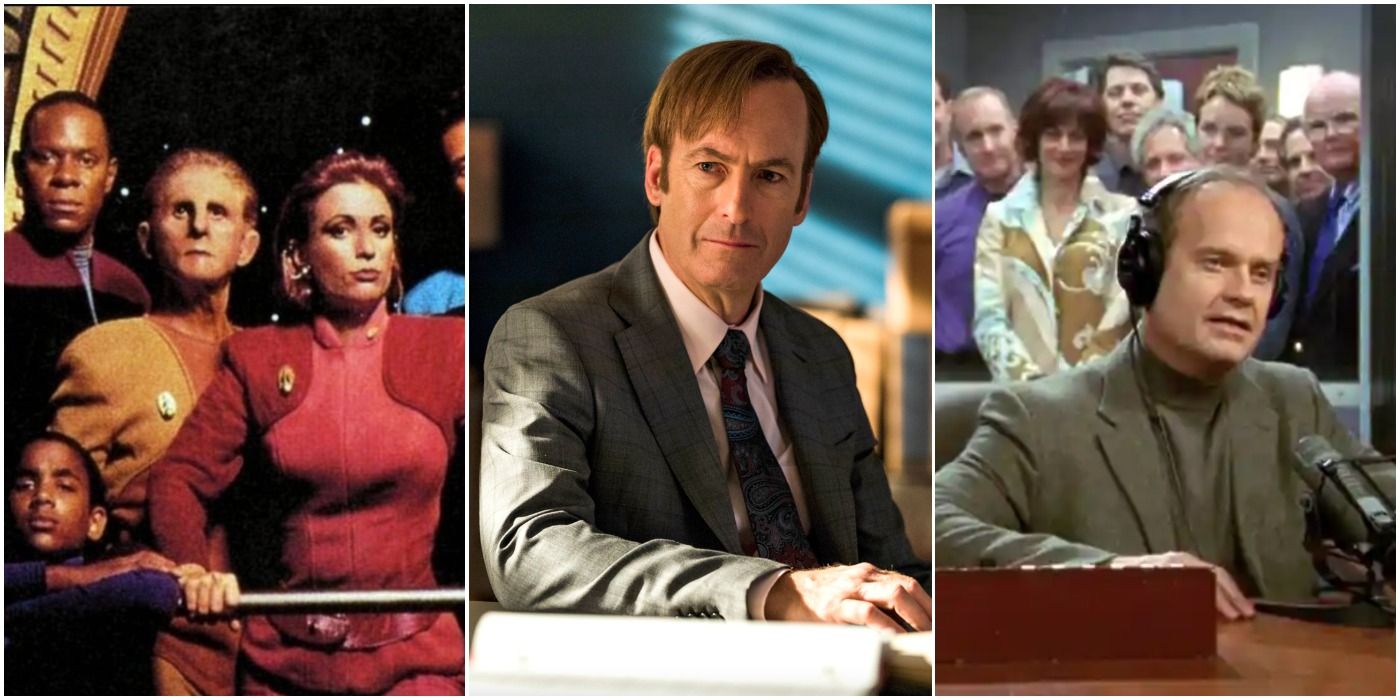
Conclusion: The Strategic Imperative
In conclusion, a spin-off series is far more than a creative footnote. It is a sophisticated strategic maneuver designed to maximize the value of intellectual property, capture new market segments, and protect the core identity of a parent brand.
For brand managers and business leaders, the question is not whether to spin off, but when and how. By identifying the hidden gems within their current brand architecture and giving them the space to grow into independent entities, organizations can ensure their brand remains a vibrant, multifaceted “series” that continues to captivate audiences for decades to come. Success requires a delicate balance of heritage and innovation, ensuring that while the spin-off reaches for the new, it never loses sight of the foundation that made it possible.
aViewFromTheCave is a participant in the Amazon Services LLC Associates Program, an affiliate advertising program designed to provide a means for sites to earn advertising fees by advertising and linking to Amazon.com. Amazon, the Amazon logo, AmazonSupply, and the AmazonSupply logo are trademarks of Amazon.com, Inc. or its affiliates. As an Amazon Associate we earn affiliate commissions from qualifying purchases.