
In the landscape of personal finance, few numbers carry as much weight as the current mortgage rate. For prospective homeowners, a fraction of a percentage point can mean the difference between an affordable monthly payment and a financial burden that stretches a budget to its breaking point. For investors, mortgage rates represent the cost of capital and the primary hurdle for achieving positive cash flow.
However, asking “what is today’s mortgage rate” is often more complex than looking at a single figure. Mortgage rates are dynamic, fluctuating daily—and sometimes hourly—based on a cocktail of global economic shifts, government policies, and individual financial profiles. To navigate this environment effectively, one must understand not just what the rate is, but why it is there and how to optimize it for long-term wealth building.
The Macroeconomic Mechanics of Mortgage Rates
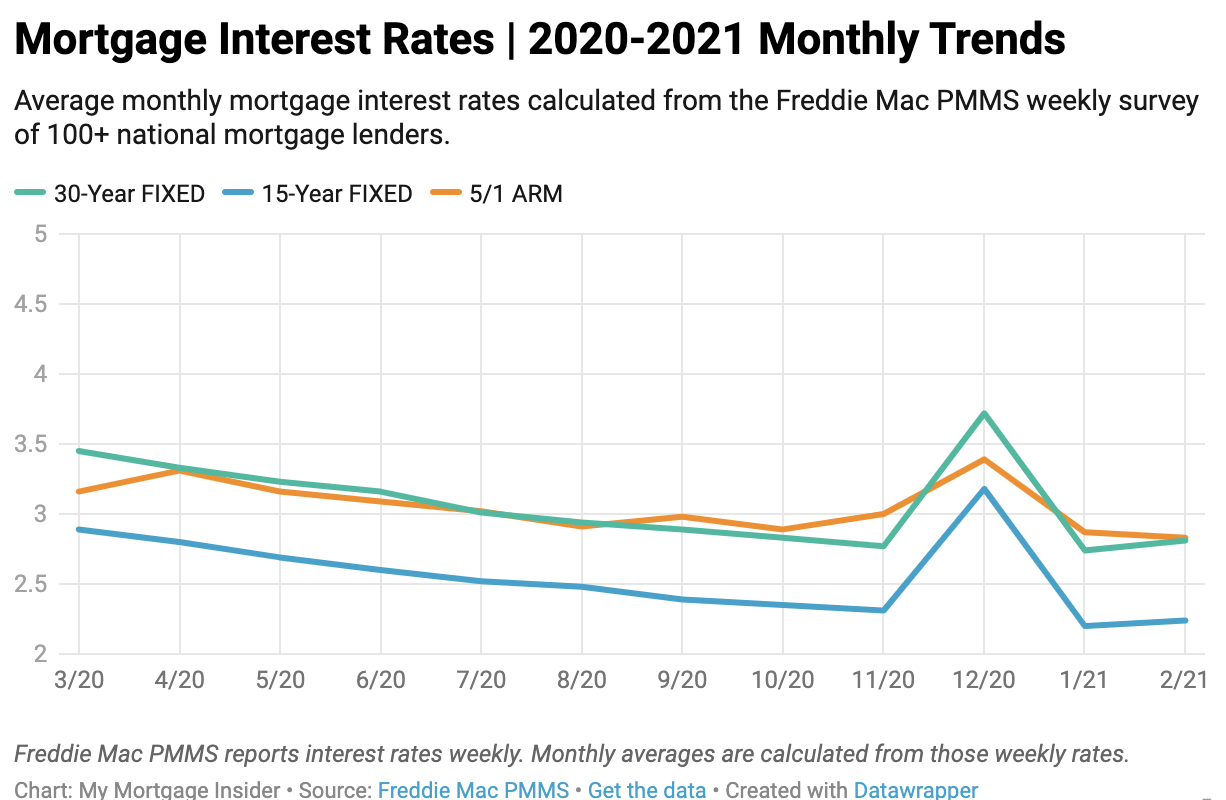
While it is tempting to think that banks set mortgage rates arbitrarily, they are actually influenced by a complex web of market forces. Understanding these macro elements is the first step in predicting where rates might head and deciding when to lock in a loan.
The Federal Reserve’s Role and the Federal Funds Rate
The Federal Reserve, the central bank of the United States, does not directly set mortgage rates. However, its influence is profound. Through its Federal Open Market Committee (FOMC), the Fed sets the “federal funds rate”—the interest rate at which commercial banks borrow and lend to each other overnight. When the Fed raises this rate to combat inflation, the cost of borrowing increases across the board. While mortgage rates do not always move in a 1:1 ratio with the Fed funds rate, they generally trend in the same direction. When the Fed signals a “hawkish” stance (inclined to raise rates), mortgage lenders preemptively raise their rates to protect their profit margins.
The 10-Year Treasury Yield
The most accurate “barometer” for 30-year fixed mortgage rates is the 10-year Treasury note yield. Most mortgages are packaged into Mortgage-Backed Securities (MBS) and sold to investors. Because a 10-year bond and a mortgage-backed security are seen as competing long-term investments, their yields are closely linked. When investors feel the economy is risky, they flee to the safety of government bonds, driving prices up and yields down, which often leads to lower mortgage rates. Conversely, when the economy is booming and investors seek higher returns in the stock market, Treasury yields rise, dragging mortgage rates upward with them.
Inflation and Economic Indicators
Inflation is the natural enemy of fixed-income investments like mortgages. If a bank lends money at a 6% interest rate but inflation is running at 7%, the bank is effectively losing purchasing power. Therefore, when Consumer Price Index (CPI) reports show rising inflation, lenders hike mortgage rates to compensate for the diminishing value of future payments. Other indicators, such as the monthly jobs report and Gross Domestic Product (GDP) growth, also play a role; a “hot” economy typically leads to higher rates, while signs of a recession can trigger a rate drop as the market anticipates a stimulus.
Personal Factors That Dictate Your Specific Rate
The “headline” rate you see on financial news websites is often an average for “prime” borrowers—those with perfect credit and large down payments. In reality, the rate you are quoted is personalized based on your financial health.
Credit Scores and Risk Premium
Your credit score is the single most influential personal factor in determining your mortgage rate. Lenders use the FICO score to assess the likelihood of default. Borrowers in the “excellent” range (typically 760 and above) are rewarded with the lowest available rates. If your score sits in the “fair” range (620 to 670), you may be charged a “risk premium.” This could manifest as an interest rate that is 1% to 1.5% higher than the prime rate, which, over a 30-year loan, translates to tens of thousands of dollars in extra interest.
Loan-to-Value (LTV) Ratio
The Loan-to-Value ratio represents how much you are borrowing compared to the value of the home. If you put down 20%, your LTV is 80%. Lenders view a lower LTV as lower risk. If you have significant skin in the game, the lender is more likely to offer a competitive rate. Conversely, if you are making a minimum down payment (such as 3% or 3.5%), the lender assumes more risk, which is often reflected in a slightly higher interest rate or the added cost of Private Mortgage Insurance (PMI).
Debt-to-Income (DTI) Ratio
While DTI is primarily a tool for determining how much you can borrow, it also impacts the lender’s perception of your stability. A borrower whose monthly debt obligations (including the new mortgage) exceed 43% of their gross monthly income is seen as “stretched.” Even if your credit score is high, a high DTI can lead a lender to increase the interest rate to offset the perceived risk of a future financial shortfall.
Navigating Different Loan Products and Their Rates
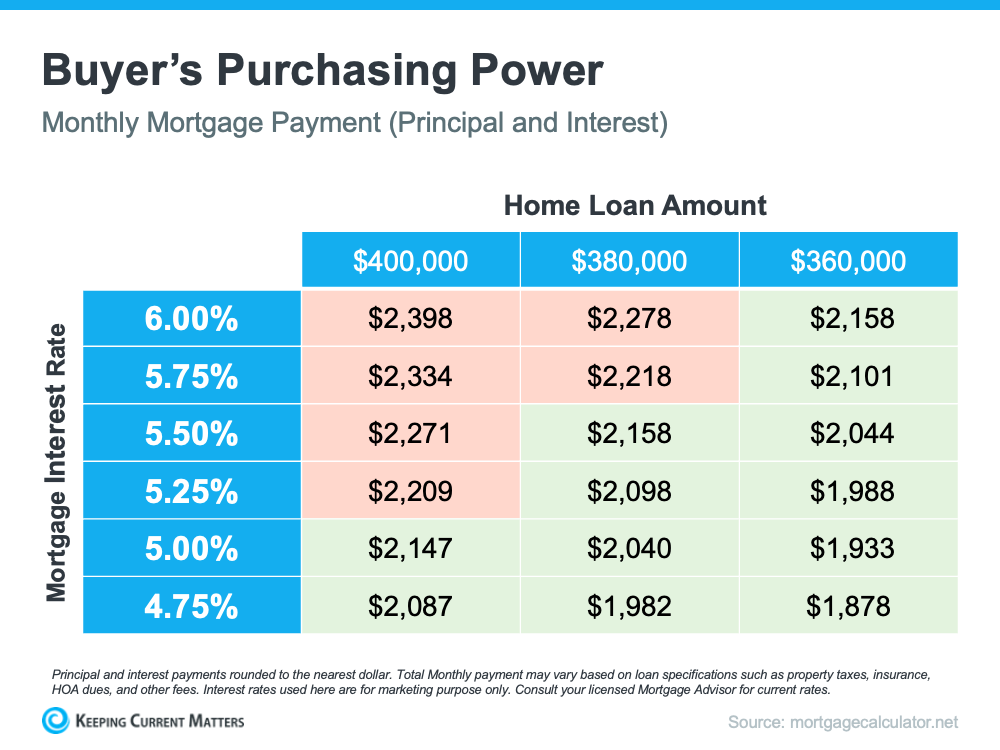
“Today’s mortgage rate” also depends heavily on the type of loan product you choose. Not all mortgages are created equal, and the right choice depends on your financial goals and your timeline for staying in the home.
Fixed-Rate vs. Adjustable-Rate Mortgages (ARMs)
The 30-year fixed-rate mortgage is the gold standard for stability, as the interest rate never changes. However, it usually carries a higher rate than an Adjustable-Rate Mortgage (ARM). An ARM typically offers a lower “teaser” rate for an initial period (5, 7, or 10 years). After that, the rate adjusts based on market indices. For borrowers who plan to sell or refinance within a few years, an ARM can be a strategic move to secure a lower rate in the short term, though it carries the risk of significantly higher payments in the future.
Government-Backed Loans (FHA, VA, and USDA)
For those who may not qualify for conventional financing, government-backed loans offer an alternative. FHA loans, backed by the Federal Housing Administration, often have lower interest rates than conventional loans for borrowers with lower credit scores. VA loans, available to veterans and active-duty service members, frequently offer some of the lowest rates on the market with the added benefit of no down payment. Because these loans are insured by the government, lenders can afford to offer lower rates despite the higher perceived risk of the borrower.
Jumbo Loans for High-Value Properties
In many parts of the country, a standard “conforming” loan has a limit. If you need to borrow more than that limit, you enter the territory of “Jumbo” loans. Historically, Jumbo loans carried higher interest rates because they cannot be sold to Fannie Mae or Freddie Mac. However, in certain market conditions, Jumbo rates can actually be lower than conventional rates if banks have a high appetite for holding luxury debt on their balance sheets.
Strategies to Secure the Lowest Possible Rate
Knowing the rate is one thing; securing it is another. Because mortgage rates are a major component of your lifetime interest expense, being proactive can save you a fortune.
The Power of Rate Shopping
Many homebuyers spend months looking for the perfect house but only minutes looking for the perfect loan. Rates can vary significantly from one lender to another. By obtaining “Loan Estimates” from at least three different sources—such as a national bank, a local credit union, and an online mortgage broker—you can leverage competition. Even a 0.25% difference in your rate can result in substantial savings over the life of the loan.
Paying for Mortgage Points
A common strategy for lowering a mortgage rate is the purchase of “discount points.” One point typically costs 1% of the total loan amount and reduces your interest rate by approximately 0.25%. This is essentially “pre-paying” interest. This strategy makes financial sense if you plan to keep the loan long enough to reach the “break-even point,” where the monthly savings exceed the upfront cost of the points.
Timing the Market vs. Time in the Market
In a volatile economy, it is tempting to try and time the market to catch a “dip” in rates. However, rates are notoriously difficult to predict. A better approach is to focus on your personal financial readiness. If rates are high, remember that a mortgage is not necessarily forever. The phrase “marry the house, date the rate” is popular for a reason; if you buy a home you love at a high rate, you can always refinance when the market improves.
The Long-Term Financial Impact of Interest Rates
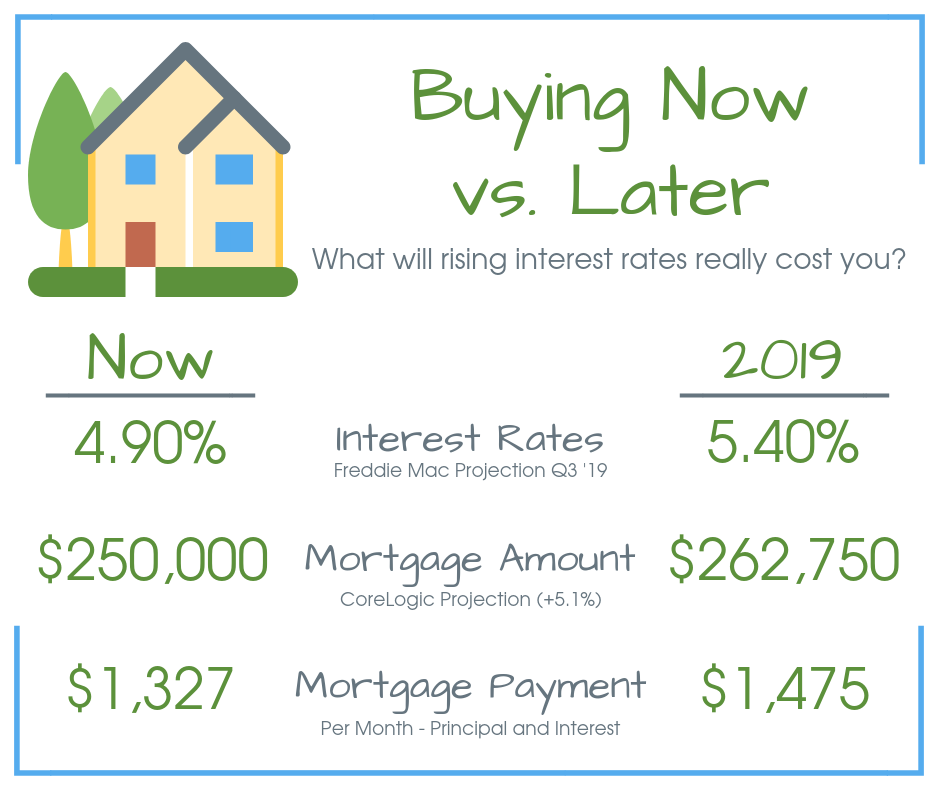
To truly understand the importance of today’s mortgage rate, one must look at the long-term mathematical implications. Mortgage interest is front-loaded, meaning that in the early years of your loan, the majority of your payment goes toward interest rather than principal.
Amortization and Total Interest Costs
Consider a $400,000 loan. At a 4% interest rate, the total interest paid over 30 years is approximately $287,000. If that rate rises to 7%, the total interest paid balloons to roughly $558,000. This $271,000 difference represents capital that could have been used for retirement, education, or other investments. Understanding this math highlights why even a small reduction in “today’s rate” is worth fighting for.
Refinancing Opportunities and Wealth Building
Mortgage rates also present opportunities for existing homeowners. When market rates drop significantly below your current rate, refinancing allows you to replace your high-interest debt with lower-interest debt. This can be used to lower monthly payments or to shorten the loan term (e.g., moving from a 30-year to a 15-year mortgage), which dramatically accelerates equity building. In a savvy personal finance strategy, the mortgage is not just a debt; it is a tool that should be recalibrated as market conditions evolve.
In conclusion, “today’s mortgage rate” is a reflection of the global economy’s pulse, filtered through your personal financial history. By staying informed on economic trends, maintaining a high credit profile, and shopping aggressively among lenders, you can ensure that you are not just accepting a rate, but strategically selecting the best possible foundation for your financial future.
aViewFromTheCave is a participant in the Amazon Services LLC Associates Program, an affiliate advertising program designed to provide a means for sites to earn advertising fees by advertising and linking to Amazon.com. Amazon, the Amazon logo, AmazonSupply, and the AmazonSupply logo are trademarks of Amazon.com, Inc. or its affiliates. As an Amazon Associate we earn affiliate commissions from qualifying purchases.