
In the intricate world of finance, where every cent, or even fraction of a cent, can translate into significant gains or losses, precision is not merely a technicality; it is a cornerstone of sound financial practice. The concept of “three decimal places” might seem like a simple mathematical idea, but its implications within personal finance, investing, business operations, and global markets are profound. It represents a level of granularity that often dictates the accuracy of calculations, the fairness of transactions, and the reliability of financial reporting. Understanding what three decimal places signifies, and more importantly, where and why it matters, is essential for anyone navigating the complexities of modern financial systems. From currency exchange rates to interest calculations and the valuation of sophisticated financial instruments, the seemingly tiny differences introduced or ignored at the third decimal place can collectively ripple through portfolios and economies, making it a critical element demanding careful attention.
The Fundamental Concept of Decimal Places
At its core, understanding three decimal places begins with a solid grasp of decimal numbers themselves. These numbers allow us to represent quantities that are not whole, extending beyond integers to capture fractions and finer measurements. In finance, this granular representation is often the difference between an estimate and an exact value.
Defining Decimals and Place Value
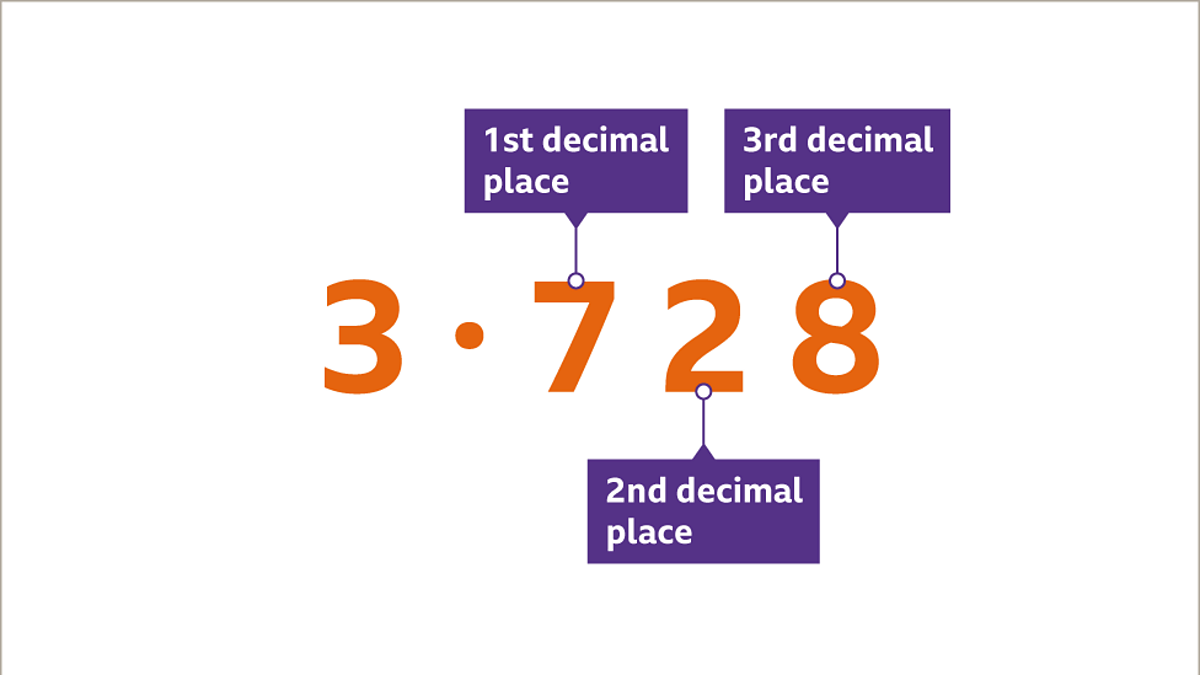
A decimal number consists of a whole number part and a fractional part, separated by a decimal point. Each digit to the right of the decimal point holds a specific place value, representing a power of ten.
-
The first digit to the right of the decimal point is the tenths place (1/10 or 0.1).
-
The second digit is the hundredths place (1/100 or 0.01).
-
The third digit is the thousandths place (1/1000 or 0.001).
-
And so on, to ten-thousandths (0.0001), hundred-thousandths (0.00001), and millionths (0.000001).
When we refer to “three decimal places,” we are specifically looking at the value up to the thousandths digit. For example, 2.567 has three decimal places, representing 2 and 567 thousandths. In a financial context, this translates to understanding value beyond just whole units and cents (which are two decimal places). While two decimal places are standard for most consumer transactions (e.g., $1.99), many financial calculations require a higher degree of precision to ensure accuracy and prevent significant cumulative errors.
Significance of the Third Decimal Place
The significance of the third decimal place, or the thousandths, becomes particularly evident in scenarios involving large sums of money or where even minute variations can compound rapidly. For instance, while an individual might not typically perceive the difference between $100.000 and $100.001 in isolation, when this tiny difference is applied across millions of units in a financial transaction, the aggregate impact can be substantial.
Consider an interest rate. An annual percentage yield (APY) of 3.25% (3.250%) versus 3.251% seems negligible. However, on a principal of $1,000,000 over several years, that extra 0.001% can amount to hundreds or even thousands of dollars in additional interest earned. This level of precision ensures that financial institutions can accurately calculate liabilities, assets, and profits, and that consumers are charged or receive precisely what they are owed. It moves beyond convenience to become a critical factor in financial fairness and operational integrity.
Where Three Decimal Places Matter in Finance
The application of three decimal places is far-reaching across various financial sectors. Its importance is underscored in areas where even tiny fractional differences can have a monumental impact on financial outcomes, especially when multiplied across vast transaction volumes or extended periods.
Currency Exchange Rates
One of the most prominent areas where three or more decimal places are crucial is in currency exchange rates. Currencies are constantly traded against each other, and their values fluctuate by minute fractions. For example, a quote for USD/EUR might be 1.085 (meaning one Euro equals 1.085 US dollars). A movement from 1.085 to 1.086 represents a change of one-tenth of a cent per Euro.
While this might seem insignificant for an individual exchanging a few hundred dollars for a holiday, consider a large corporation or an investment fund exchanging hundreds of millions or billions of dollars. If a fund exchanges €100,000,000, the difference between a rate of 1.085 and 1.086 means an additional $100,000 (0.001 x 100,000,000 = $100,000). Such differences can impact profit margins, trade decisions, and even the financial stability of companies engaged in international trade or investment. Forex markets often quote rates to four or five decimal places (e.g., “pips”), highlighting the critical role of extreme precision in these high-volume, low-margin transactions.
Interest Rates and Yields
Interest rates, including Annual Percentage Rates (APR), Annual Percentage Yields (APY), and bond yields, frequently leverage three or more decimal places. When banks advertise savings rates, mortgage rates, or credit card APRs, these rates are often quoted with precision beyond two decimal places to accurately reflect the true cost or return. For instance, a mortgage rate might be quoted as 3.750%, while a competing offer is 3.745%. While the difference appears minor, over the 30-year life of a $300,000 mortgage, that 0.005% difference can add up to thousands of dollars in total interest paid.
Similarly, bond yields, which indicate the return an investor receives on a bond, are often expressed with high precision. Small movements in yields, often measured in basis points (0.01% or 0.0001), can significantly affect bond prices and an investor’s total return, particularly for large institutional investors managing vast portfolios. The use of additional decimal places ensures that complex financial models and risk assessments can accurately project future cash flows and values.
Pricing and Valuation of Financial Instruments
Beyond currencies and simple interest rates, three decimal places are vital in the pricing and valuation of a wide array of financial instruments, including derivatives, commodities, and even certain equities. For example, options and futures contracts often derive their value from underlying assets whose prices are very volatile, and small changes can lead to large swings in the derivative’s value. Pricing models for these instruments rely on precise inputs, and rounding prematurely can lead to mispricing and arbitrage opportunities or significant losses.
In commodity markets, where vast quantities of goods like oil, gold, or grains are traded, a fraction of a cent per barrel or per ounce can translate into millions of dollars on a large contract. Analysts and traders use sophisticated algorithms that process data with high decimal precision to ensure their valuations and trading strategies are as accurate as possible. Even in stock trading, while most stocks are quoted to two decimal places (e.g., $150.25), the underlying calculations and bids/asks in high-frequency trading environments often involve many more decimal places to capture minute price advantages.
Transaction Fees and Spreads
Financial institutions, such as brokerages, banks, and payment processors, often charge fees and spreads that are calculated with high precision. For instance, a brokerage might charge a commission that is a tiny percentage of the transaction value, or a payment gateway might impose a fee of 0.3% + $0.05. When these percentages are applied to large transaction volumes, the third and even fourth decimal places become critical.
For large institutional clients, even a seemingly minuscule difference in a spread (the difference between the buy and sell price) or a transaction fee can impact their profitability. Over thousands or millions of transactions, these fractional differences accumulate into substantial amounts. Transparency in quoting these fees and spreads, often necessitating the display and calculation to three or more decimal places, is also a regulatory and ethical requirement to ensure clients fully understand the costs associated with their financial activities.
The Impact of Rounding and Truncation in Financial Operations
While precision is paramount, financial systems must eventually deal with the practicalities of finite representation, leading to rounding and truncation. The way these operations are handled can have significant and often overlooked consequences in financial calculations and reporting.
Rounding Rules and Conventions
Rounding involves adjusting a number to fewer decimal places while attempting to keep its value as close as possible to the original. The most common rounding rule in finance is “round half up,” where if the digit in the next place value is 5 or greater, the current digit is rounded up. For example, 1.2345 rounded to three decimal places becomes 1.235, while 1.2344 becomes 1.234.
Different rounding conventions exist (e.g., round half to even, round half away from zero), and the choice of convention can lead to different outcomes, especially when applied repeatedly. In financial contexts, consistency in applying a chosen rounding rule is crucial to maintain accuracy and comparability across different calculations and reports. Financial software and accounting systems are meticulously programmed to follow specific rounding rules to ensure regulatory compliance and internal consistency.

Cumulative Rounding Errors
One of the most insidious problems arising from rounding is the accumulation of small errors over a large number of calculations. Individually, a rounding error of 0.0005 might seem negligible. However, if a financial system performs millions of calculations, each involving a small rounding adjustment, these tiny errors can sum up to a significant discrepancy.
For example, imagine calculating daily interest on millions of accounts, or processing millions of micro-transactions. If each calculation introduces a fractional rounding error, the aggregate difference between the rounded totals and the true totals can become substantial enough to cause ledger imbalances, reconciliation nightmares, or even legal disputes. This is why financial systems often maintain calculations with a higher degree of precision internally (e.g., 6-8 decimal places) and only round to the required precision (e.g., 2 or 3 decimal places) at the final display or reporting stage.
Regulatory Requirements for Precision
Given the potential for cumulative errors and the need for fairness and transparency, many financial regulatory bodies impose strict requirements regarding the precision of calculations and reporting. For instance, laws concerning interest rate disclosure (e.g., APR calculations for loans), mutual fund performance reporting, or the valuation of certain securities often mandate that values be calculated and presented to a specified number of decimal places.
These regulations aim to prevent financial institutions from manipulating numbers through advantageous rounding or truncation and to ensure that consumers and investors receive accurate information. Compliance with these standards is a critical aspect of financial operations, often requiring sophisticated software systems and rigorous auditing processes to verify adherence. Failure to comply can result in fines, reputational damage, and legal action.
Tools and Best Practices for Handling Decimal Precision
Managing decimal precision effectively in finance requires a combination of robust tools, meticulous processes, and a clear understanding of best practices. The goal is to ensure data integrity, minimize errors, and comply with regulatory standards.
Financial Software and Spreadsheets
Modern financial software, including enterprise resource planning (ERP) systems, accounting software, trading platforms, and financial modeling tools, are designed to handle decimal precision. These systems typically store values with very high precision internally (e.g., using floating-point numbers or fixed-point arithmetic with many decimal places) to minimize rounding errors during calculations. Users can then define the desired display precision for reporting.
Spreadsheet programs like Microsoft Excel are widely used in finance, but they also present a common pitfall. While Excel can display numbers with many decimal places, users must be aware of how internal calculations are performed and how displayed formatting affects underlying values. Simply changing the display format in Excel does not change the actual value stored in the cell, which can lead to confusion if not managed carefully. It is crucial to use specific functions for rounding (e.g., ROUND(), ROUNDUP(), ROUNDDOWN()) when a final rounded value is explicitly required, rather than relying solely on display formatting.
Auditing and Reconciliation
Regular auditing and reconciliation processes are indispensable for verifying decimal precision and detecting errors. Financial audits involve systematically examining financial records, transactions, and calculations to ensure accuracy, completeness, and compliance with accounting standards and regulatory requirements. This includes scrutinizing how decimal values are handled at every stage of a financial process, from initial data entry to final reporting.
Reconciliation, the process of ensuring that two sets of records (e.g., bank statements and internal ledgers) agree, often highlights discrepancies that can stem from decimal precision issues. Small, persistent differences in balances can be a red flag indicating incorrect rounding rules, data truncation, or other errors in handling fractional values. Robust reconciliation procedures are crucial for maintaining the integrity of financial data and preventing cumulative errors from spiraling out of control.
Importance of Data Integrity
At the heart of managing decimal precision is the principle of data integrity. This means ensuring that financial data is accurate, consistent, and reliable throughout its lifecycle. From the moment data is input into a system to its final output in reports, maintaining its precision is paramount.
This involves:
-
Accurate Data Entry: Ensuring that source data is entered with the correct level of decimal precision.
-
Consistent Data Processing: Applying consistent rounding rules and calculation methodologies across all systems and processes.
-
Validation Checks: Implementing automated checks to identify and flag potential precision-related errors.
-
Traceability: Being able to trace calculations back to their source to understand how decimal values were handled at each step.
By prioritizing data integrity, financial institutions and professionals can build trust in their numbers, make informed decisions, and meet their fiduciary responsibilities.
Future Trends and Advanced Applications
As financial markets become more complex and technology continues to evolve, the significance of decimal precision is only set to grow, particularly in cutting-edge applications.
Algorithmic Trading and High-Frequency Trading
In the realm of algorithmic trading and high-frequency trading (HFT), where milliseconds can dictate profitability and trading volumes are immense, precision down to many decimal places is absolutely critical. HFT algorithms exploit tiny price discrepancies and execute trades at lightning speed. These strategies often rely on capturing fractional differences in asset prices, bid-ask spreads, and exchange rates that are only visible at the fourth, fifth, or even sixth decimal place.
A profit margin of a mere 0.0001 per share can generate substantial returns when millions of shares are traded in a matter of seconds. Therefore, trading platforms and algorithms must be engineered to process and execute trades with extreme decimal accuracy to capitalize on these fleeting opportunities and manage risk effectively. Any rounding errors could easily erode profits or trigger unintended losses.
Blockchain and Digital Currencies
The advent of blockchain technology and digital currencies (cryptocurrencies) has introduced a new dimension to decimal precision. Cryptocurrencies like Bitcoin are designed to be divisible into very small units. For instance, one Bitcoin is divisible into 100,000,000 satoshis (its smallest unit). This means that Bitcoin transactions are often processed and recorded with eight decimal places.
This high level of precision is inherent to the design of many digital currencies, allowing for micro-transactions and facilitating very granular pricing. As the financial world increasingly explores the potential of digital assets and decentralized finance (DeFi), the ability to handle and verify transactions with many decimal places becomes fundamental. It ensures the integrity of the distributed ledger, prevents double-spending, and allows for the accurate transfer of even tiny fractional values, which could be critical for future payment systems and smart contracts.

Conclusion
The question “what is three decimal places?” transcends a simple mathematical definition when viewed through the lens of finance. It unlocks an understanding of the intricate mechanisms that govern financial markets, personal wealth, and corporate operations. From ensuring fair currency exchanges and accurate interest accruals to underpinning the complex valuations of financial instruments and the integrity of high-frequency trading, precision at the thousandths place is indispensable.
The cumulative impact of seemingly trivial fractional differences can, over time or across vast transactions, amount to significant financial consequences. Therefore, diligent adherence to appropriate rounding rules, the implementation of robust financial software, and rigorous auditing are not just best practices but essential safeguards. As finance continues to evolve with technological advancements like blockchain and AI-driven trading, the meticulous management of decimal precision will remain a critical pillar, ensuring transparency, accuracy, and trust in a world increasingly dependent on granular financial data. Understanding this concept is not just for mathematicians or software engineers; it is a fundamental aspect of financial literacy and operational excellence in the modern economy.
aViewFromTheCave is a participant in the Amazon Services LLC Associates Program, an affiliate advertising program designed to provide a means for sites to earn advertising fees by advertising and linking to Amazon.com. Amazon, the Amazon logo, AmazonSupply, and the AmazonSupply logo are trademarks of Amazon.com, Inc. or its affiliates. As an Amazon Associate we earn affiliate commissions from qualifying purchases.