
Understanding the financial commitment of car ownership extends far beyond the initial purchase price or monthly loan payment. A significant, yet often underestimated, component of this commitment is vehicle maintenance. From routine oil changes to unexpected repairs, these costs can accumulate quickly, impacting personal budgets and long-term financial stability if not properly anticipated and managed. Accurately assessing “how much is maintenance on a car” requires a comprehensive look at various factors, typical expenses, and strategic planning.
The Hidden Costs of Keeping Your Wheels Rolling
While the sticker price grabs headlines, the ongoing operational costs of a car can easily rival, or even exceed, its depreciation over its lifespan. Maintenance is a critical subset of these operational costs, directly influencing a vehicle’s reliability, safety, and resale value. Neglecting maintenance not only risks immediate breakdowns but also accelerates wear and tear, leading to more expensive repairs down the line. For many households, budgeting for car maintenance is as crucial as allocating funds for groceries or utilities, yet it’s frequently overlooked in financial planning.
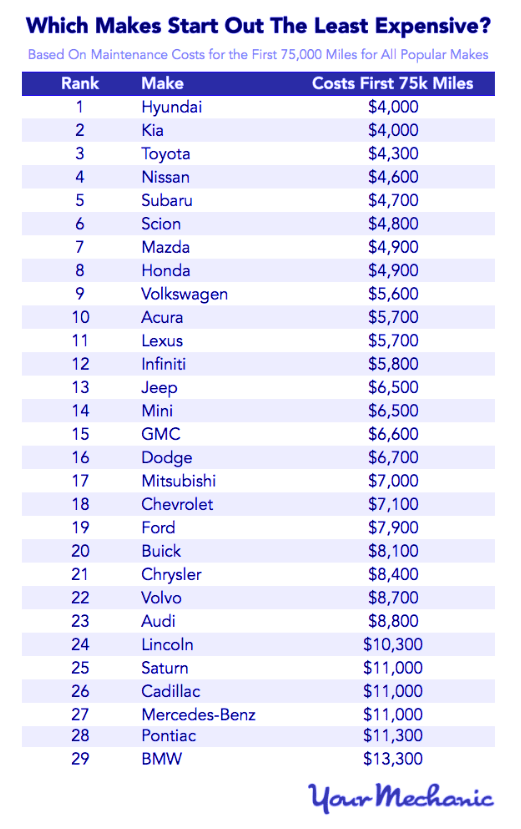
The reality is that car maintenance isn’t a fixed, predictable expense like a monthly subscription. It fluctuates based on numerous variables, making it challenging to pinpoint an exact annual figure. However, by understanding the common drivers of these costs and the typical expenses associated with different vehicle ages and types, individuals can develop a more realistic financial forecast.
Key Factors Influencing Your Maintenance Bill
The cost of keeping a car in prime condition is not a one-size-fits-all figure. Several critical factors converge to determine how much you’ll ultimately spend on maintenance. Recognizing these influences is the first step toward better financial preparedness.
Vehicle Make, Model, and Age
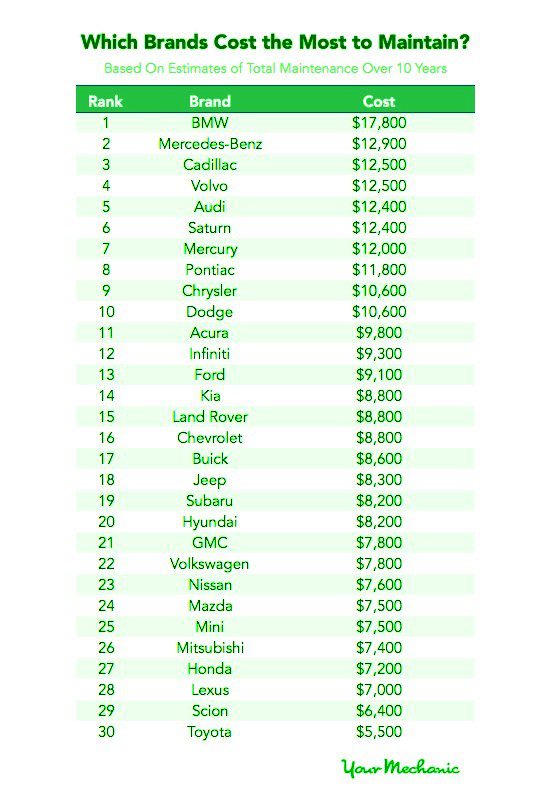
Different car manufacturers and models come with varying maintenance requirements and parts costs. Luxury brands, high-performance vehicles, and cars with specialized technology often demand more expensive parts and specialized labor, significantly inflating service costs. European cars, for instance, are generally known for higher maintenance expenses compared to many Asian or domestic counterparts.
Age also plays a pivotal role. Newer cars, especially within their warranty period, typically incur lower maintenance costs, often limited to routine fluid changes and inspections. As a car ages past the five-year mark, more significant component replacements (e.g., timing belts, suspension components, major fluid flushes) become necessary. After ten years or 100,000 miles, the likelihood of needing expensive repairs, such as transmission overhauls or engine work, increases substantially, turning maintenance into a more substantial financial drain.
Driving Habits and Environment
How and where you drive profoundly impacts your car’s wear and tear. Aggressive driving—frequent hard acceleration, sharp braking, and high-speed cornering—puts immense stress on engines, brakes, tires, and suspension systems, leading to premature component failure and higher maintenance costs. Similarly, driving predominantly in harsh conditions, such as extreme temperatures, dusty environments, or stop-and-go city traffic, can necessitate more frequent service intervals and specialized care. Even prolonged periods of inactivity can be detrimental, leading to issues like battery drain, tire flat spots, and fluid degradation.
Regular vs. Reactive Maintenance
A fundamental financial principle in car ownership is the cost-effectiveness of preventative maintenance over reactive repairs. Sticking to the manufacturer’s recommended service schedule—which includes oil changes, tire rotations, fluid checks, and filter replacements—is a modest investment that can prevent catastrophic and expensive failures. For example, a $50 oil change is a small price to pay compared to a several-thousand-dollar engine replacement resulting from neglected lubrication. Reactive maintenance, on the other hand, involves waiting for a problem to arise, which often means dealing with more complex, urgent, and consequently, more expensive repairs that could have been avoided.
Parts and Labor Costs
The cost breakdown of any repair or service typically involves parts and labor. Parts costs vary wildly based on whether you opt for Original Equipment Manufacturer (OEM) parts, aftermarket parts, or salvaged components. While OEM parts guarantee fit and often come with a warranty, aftermarket parts can offer significant savings, though quality can vary. Labor rates are influenced by geographical location, the type of repair shop (dealership vs. independent mechanic), and the complexity of the job. Dealerships often have higher labor rates but may offer specialized expertise for your specific make and model.
Categorizing Common Maintenance Expenses
To better budget, it helps to categorize car maintenance expenses into routine, preventative, and unexpected categories.
Routine Services (Low Cost, High Frequency)
These are the most common and predictable expenses, essential for daily operation and longevity.
-
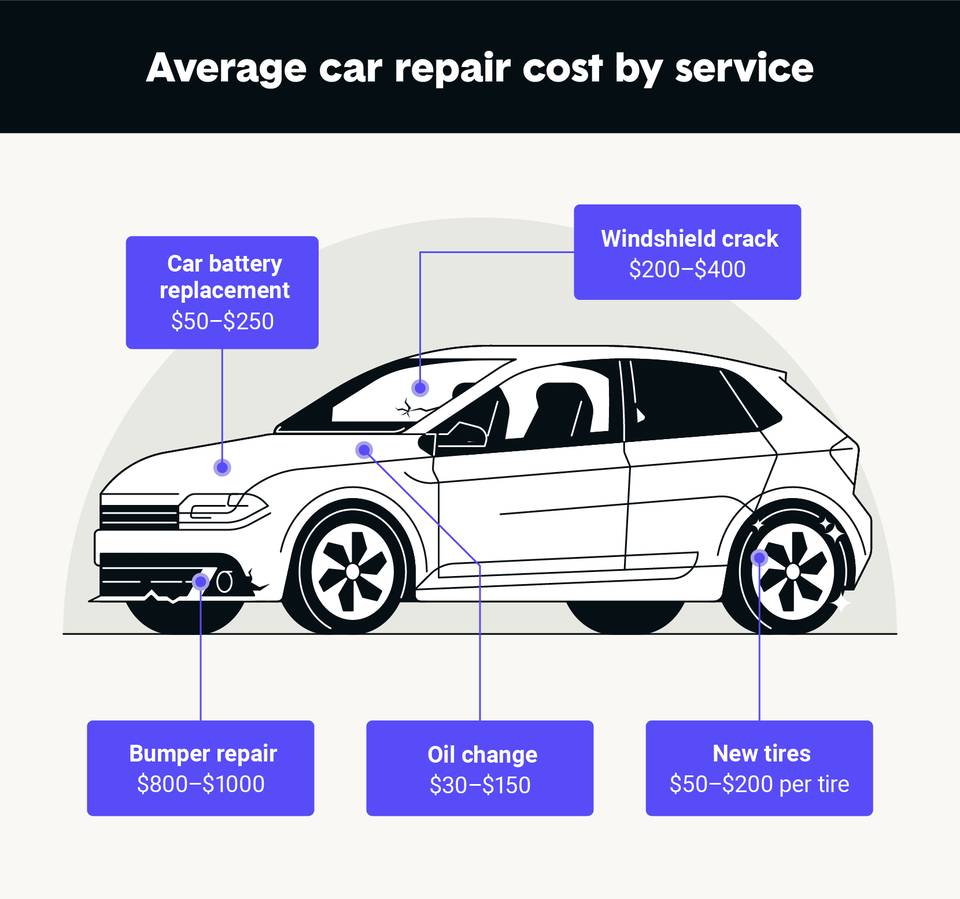
Oil Changes: Typically every 3,000-10,000 miles, costing $30-$100 depending on oil type (conventional vs. synthetic) and vehicle.
-
Tire Rotations and Balancing: Often performed with oil changes, costing $20-$50. Extends tire life.
-
Fluid Checks and Top-offs: Power steering, brake, transmission, and windshield washer fluids. Usually included with oil changes or performed at minimal cost.
-
Wiper Blade Replacement: $20-$50 per set, usually annually.
Preventative Replacements (Moderate Cost, Moderate Frequency)
These are scheduled replacements of components that wear out over time to prevent larger problems.
-
Tires: Vary greatly by size and type, $100-$300+ per tire, typically every 30,000-60,000 miles. A full set can easily be $400-$1,200+.
-
Brake Pads and Rotors: Pads typically last 20,000-70,000 miles. Replacement costs can be $150-$500 per axle for pads and rotors.
-
Batteries: Last 3-5 years, costing $100-$250 to replace.
-
Air Filters (Engine & Cabin): $20-$50 each, typically replaced annually or every 15,000-30,000 miles.
-
Spark Plugs: $100-$300 for a full set and installation, every 30,000-100,000 miles depending on plug type.
-
Belts and Hoses: Serpentine belt ($100-$200), timing belt ($400-$1,000+), typically every 60,000-100,000 miles.
Major Service Milestones & Unexpected Repairs (High Cost, Low/Unpredictable Frequency)
These are the expenses that can hit hardest and require significant financial planning.
-
Transmission Service/Replacement: Fluid flush ($150-$300), but a full replacement can be $2,000-$5,000+.
-
Suspension Components: Shocks/struts ($500-$1,500 per axle) or other components as needed.
-
Engine Repairs: Head gasket, water pump, sensors, or major rebuilds. These can range from a few hundred to several thousand dollars, easily $1,000-$4,000+.
-
Exhaust System: Mufflers, catalytic converters. Catalytic converter replacement can be $500-$2,500+.
-
Electrical System Issues: Alternator ($300-$700), starter ($300-$600), wiring issues.
On average, a car owner might spend $400-$700 annually on maintenance for a newer, reliable vehicle, with costs escalating to $1,000-$2,000+ per year for older vehicles or those requiring significant repairs. Some financial experts suggest setting aside $50-$100 per month specifically for car maintenance and repairs.
Financial Strategies for Managing Car Maintenance Costs
Proactive financial management is key to mitigating the impact of car maintenance on your budget.
Adhere to Manufacturer’s Recommended Service Schedule
This is the most cost-effective preventative measure. Following the guidelines in your owner’s manual ensures your vehicle receives necessary attention before minor issues escalate into major problems. Missing scheduled services often voids warranties and can lead to significantly higher repair bills down the road. Think of it as investing small amounts regularly to avoid a large, sudden capital outlay.
Establish a Dedicated Car Maintenance Fund
Instead of reacting to repair costs, proactively save for them. Set aside a fixed amount each month—perhaps $50-$100—into a separate savings account. This dedicated fund ensures you have liquid assets available when routine services or unexpected repairs arise, preventing the need to dip into emergency savings or, worse, rely on high-interest credit.
Research and Compare Repair Shops
Don’t automatically go to the dealership for every service, especially once your warranty expires. Independent mechanics often offer competitive pricing for labor and parts without sacrificing quality. Get multiple quotes for larger repairs. Websites and local reviews can help identify reputable shops. Always ensure the shop provides a detailed estimate before beginning work.
Consider DIY Maintenance for Simple Tasks
For those comfortable with a wrench, performing simple tasks like checking fluid levels, replacing air filters, or changing wiper blades can save money on labor costs. Numerous online tutorials can guide you through these basic procedures. However, always know your limits and avoid complex repairs that could lead to further damage.
Evaluate Extended Warranties or Service Contracts
For some, especially owners of new vehicles with a history of costly repairs or those who prioritize budget predictability, an extended warranty might be a worthwhile investment. These contracts cover certain repairs beyond the factory warranty period. Carefully read the terms, understand what is and isn’t covered, and compare the cost of the warranty against the potential repair savings. It’s an insurance policy, and like all insurance, its value depends on your risk tolerance and the actual frequency of claims.
The Long-Term Financial Perspective
Ultimately, understanding car maintenance costs is about making informed financial decisions. Regular, preventative maintenance is an investment in your vehicle’s longevity, reliability, safety, and resale value. Neglecting it is a gamble that almost always leads to higher costs, inconvenience, and potentially dangerous situations.
When an older vehicle starts requiring frequent, expensive repairs, it’s crucial to perform a financial analysis: “Should I repair or replace?” Compare the cost of the repair to the vehicle’s current market value and the potential cost of a new or used replacement vehicle (including depreciation, insurance, and new maintenance schedules). Sometimes, cutting losses on an older car that’s become a money pit is the most financially prudent decision, freeing up funds for a more reliable, albeit newer, investment.
By integrating car maintenance into your overall financial plan, budgeting for both routine and potential unexpected expenses, and making proactive decisions, you can significantly reduce the financial stress associated with vehicle ownership and ensure your car remains a dependable asset rather than a continuous liability.
aViewFromTheCave is a participant in the Amazon Services LLC Associates Program, an affiliate advertising program designed to provide a means for sites to earn advertising fees by advertising and linking to Amazon.com. Amazon, the Amazon logo, AmazonSupply, and the AmazonSupply logo are trademarks of Amazon.com, Inc. or its affiliates. As an Amazon Associate we earn affiliate commissions from qualifying purchases.