
The digital landscape underwent a seismic shift in July 2023 when Meta, the parent company of Facebook, Instagram, and WhatsApp, launched Threads. Positioned as a direct competitor to X (formerly Twitter), Threads.net is a text-centric social media platform designed to facilitate public conversations, real-time updates, and community engagement. While it shares many aesthetic similarities with other microblogging platforms, its technical foundation and integration into the broader Meta ecosystem distinguish it from its predecessors. Understanding Threads requires a look at its software architecture, its role in the emerging “Fediverse,” and how it leverages existing social graphs to create a seamless user experience.
The Technical Architecture of Threads
At its core, Threads is not a standalone social network in the traditional sense; it is a specialized extension of Instagram. This architectural decision was pivotal to its record-breaking adoption rate, allowing the platform to gain over 100 million sign-ups within its first five days. By utilizing the existing Instagram infrastructure, Meta bypassed the “cold start” problem that plagues most new software applications.
Integration with the Instagram Ecosystem
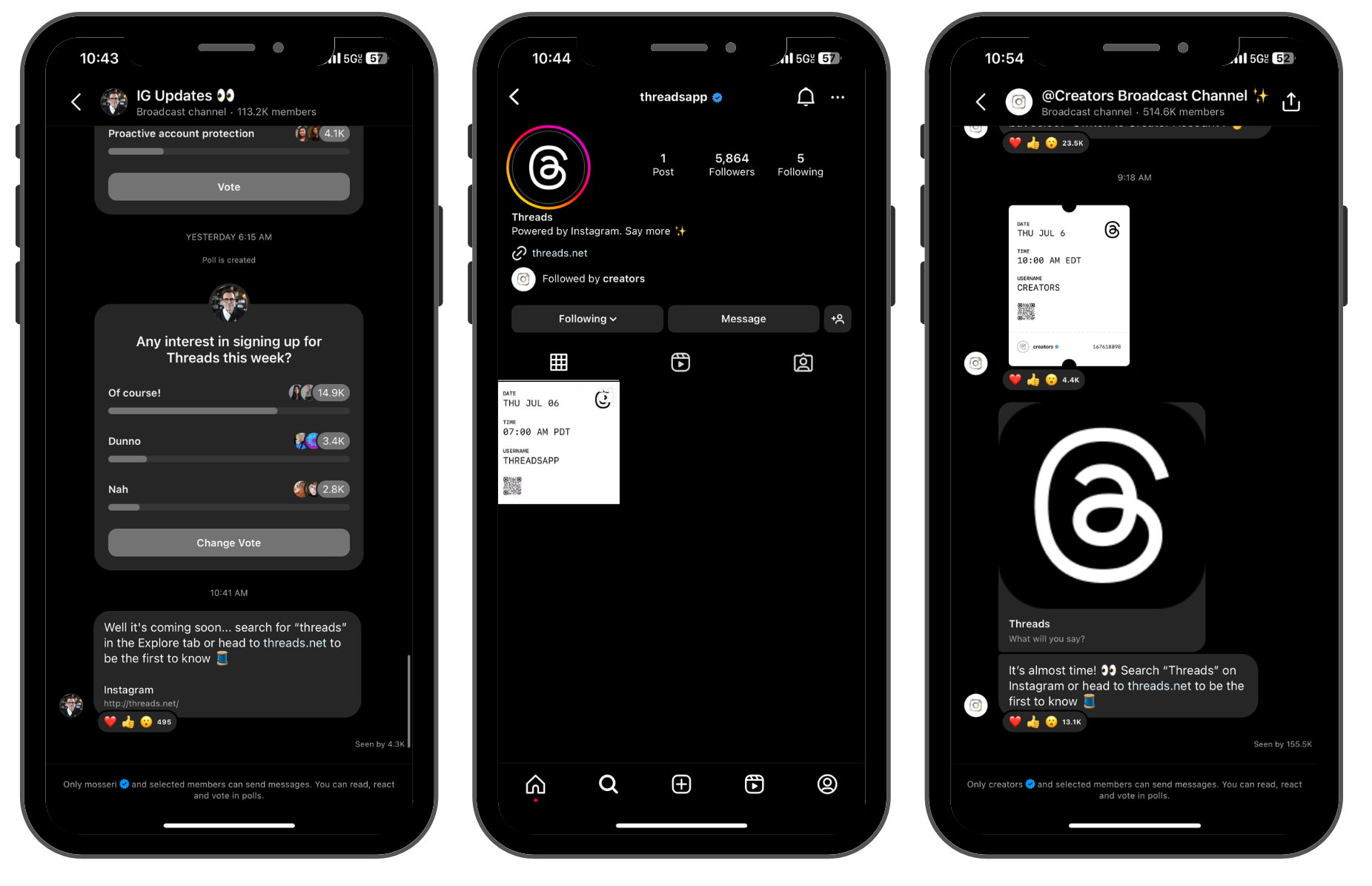
The connection between Threads and Instagram is deep-rooted. When a user creates a Threads account, the software utilizes their Instagram credentials for authentication. This shared identity system means that a user’s username, verification status (the “blue check”), and even their blocked list are ported over automatically. From a technical standpoint, this is managed through a unified account center that synchronizes data across both platforms.
This integration extends to the social graph. Users have the option to automatically follow the same accounts on Threads that they already follow on Instagram, provided those accounts have also joined the new platform. This creates a pre-populated feed and an immediate sense of community, significantly reducing the friction usually associated with onboarding onto a new social app.
The Role of the ActivityPub Protocol
Perhaps the most significant technical aspect of Threads is Meta’s commitment to the ActivityPub protocol. ActivityPub is an open, decentralized social networking protocol established by the World Wide Web Consortium (W3C). It is the same technology that powers platforms like Mastodon and the broader “Fediverse”—a collection of interconnected servers that can communicate with one another despite being owned by different entities.
By integrating ActivityPub, Threads aims to become interoperable. This means that, in the future, a user on Threads could potentially follow and interact with a user on a completely different server, such as Mastodon, without ever leaving the Threads app. This marks a major shift in Meta’s software philosophy, moving away from “walled gardens” toward a more open and decentralized model of digital communication. While these features are being rolled out incrementally, the underlying support for the protocol is a foundational element of the Threads software stack.
Exploring the Feature Set and User Interface
Threads provides a streamlined, minimalist interface designed to prioritize readability and conversation flow. While the app has evolved rapidly since its launch, its core functionalities focus on text-based communication supplemented by rich media.
Multimedia Integration and Character Limits
A single “thread” or post on the platform allows for up to 500 characters, offering more space for nuance than the traditional 280-character limit found on some competing platforms. Beyond text, the software supports:
- Images: Users can post up to 10 photos in a single post (carousel format).
- Video: The platform supports high-definition video uploads of up to five minutes in length.
- Links: Web links are automatically previewed with rich metadata, including titles and header images.
- Voice Notes: A unique feature allowing users to record and post audio clips that are transcribed in real-time.
The interface also includes standard engagement metrics: likes, replies, “reposts” (sharing a post to your own feed), and “quotes” (reposting with your own added commentary).
Algorithmic vs. Chronological Feeds
The way content is discovered on Threads is governed by a sophisticated recommendation engine. Upon its launch, the app primarily featured a single “For You” feed, which used machine learning to suggest content based on user interests, interactions on Instagram, and trending topics. However, in response to power-user feedback, Meta quickly implemented a “Following” feed.
The “Following” feed is purely chronological, showing posts only from the accounts a user has specifically chosen to follow. This duality allows the software to cater to two different user behaviors: the desire for serendipitous discovery of new creators and the need for a structured timeline of updates from known acquaintances.
Privacy and Security in the Threads Ecosystem

As a product of Meta, Threads inherits a robust—and often scrutinized—security infrastructure. Because the app handles significant amounts of user data, the technical controls for privacy and digital safety are central to its operation.
Data Handling and Cross-Platform Permissions
Because Threads is linked to Instagram, its data privacy policy is largely an extension of the existing Meta Privacy Policy. The software collects data points such as location information (if enabled), search history, and interaction data to refine the recommendation algorithm. However, Meta has introduced granular controls within the app to allow users to manage their digital footprint.
Users can set their profiles to “Private,” requiring them to approve every follower individually. Additionally, because the two apps are linked, a user who is blocked on Instagram is automatically blocked on Threads. This cross-platform synchronization is a key security feature, preventing bad actors from bypassing restrictions by simply switching between Meta’s apps.
Content Moderation and User Safety Tools
Threads utilizes the same safety and community standards as Instagram, which are enforced through a combination of AI-driven automated moderation and human review. The software includes several built-in tools to empower users:
- Hidden Words: Users can input specific words, phrases, or emojis that they want to filter out of their feed and replies.
- Reply Controls: A user can limit who can reply to their thread to “Everyone,” “Profiles you follow,” or “Mentioned only,” effectively mitigating “dogpiling” and harassment.
- Muting and Reporting: Standard tools for silencing specific accounts or flagging content that violates community guidelines are integrated directly into the post UI.
Threads vs. X (Twitter): A Technical Comparison
While the two platforms serve a similar purpose, their underlying technology and philosophies differ significantly. X has historically relied on a proprietary, centralized architecture with a heavy emphasis on real-time search and hashtags. Threads, conversely, has leaned into its social graph and the promise of decentralization.
Backend Infrastructure and Reliability
One of the primary advantages Threads possesses is the backing of Meta’s global data center infrastructure. During high-traffic events, Threads has demonstrated remarkable stability, whereas competitors have often struggled with “rate limiting” and server outages. Meta’s ability to distribute computing loads across its massive server farms ensures that the app remains responsive even during viral surges.
Furthermore, Threads’ search functionality has evolved from a simple account search to a full keyword-indexing engine. This requires significant backend processing to index millions of posts in real-time, allowing users to track global events as they unfold—a space where X was previously the undisputed leader.
Philosophical Differences in Open Social Networking
The most stark difference lies in the approach to the “Open Web.” While X has moved toward a more closed model, restricting API access and third-party developers, Threads is moving toward the Fediverse. This means the future of Threads might look less like a single app and more like a hub in a vast, interconnected network. For developers, this creates opportunities to build tools that interact with Threads data via the ActivityPub protocol, potentially leading to a new ecosystem of third-party clients and analytics software.
The Roadmap Toward a Decentralized Future
The evolution of Threads.net is far from complete. Meta’s developers have signaled several key areas for technical expansion that will define the app’s role in the next generation of the internet.
Expansion of Fediverse Capabilities
Currently, Threads allows users to share their posts to the Fediverse, making them visible on platforms like Mastodon. However, the goal is full “bidirectional” interoperability. Soon, users may be able to see and reply to Mastodon posts directly from the Threads interface. This requires complex engineering to ensure that privacy settings and moderation actions are respected across different servers with different rules.

Future Software Updates and API Access
Meta has also released a Threads API (Application Programming Interface), allowing developers to build integrations for scheduling posts, analyzing engagement, and managing community interactions at scale. This is a critical step for the platform’s growth, as it allows businesses, news organizations, and developers to integrate Threads into their existing digital workflows.
As the platform matures, we can expect more advanced AI integration, possibly involving Meta’s Llama models to assist with content creation, summarization of long threads, or enhanced language translation. By combining the social connectivity of Instagram with the technical flexibility of the ActivityPub protocol, Threads.net is positioning itself as a cornerstone of the modern, interconnected social web. It represents a significant step in the evolution of microblogging, moving from isolated silos toward a more open, yet technologically robust, digital town square.
aViewFromTheCave is a participant in the Amazon Services LLC Associates Program, an affiliate advertising program designed to provide a means for sites to earn advertising fees by advertising and linking to Amazon.com. Amazon, the Amazon logo, AmazonSupply, and the AmazonSupply logo are trademarks of Amazon.com, Inc. or its affiliates. As an Amazon Associate we earn affiliate commissions from qualifying purchases.