
In the rapidly evolving landscape of social media technology, the emergence of Meta’s “Threads” app marked a significant shift in how digital conversations are structured. Launched as a companion to Instagram, Threads was designed to fill a specific void in the market: a streamlined, text-centric space for real-time updates and public conversations. While many initially viewed it simply as a competitor to X (formerly Twitter), the technical architecture and strategic integration of Threads offer a unique value proposition for modern internet users.
Understanding the Architecture: What is Threads?
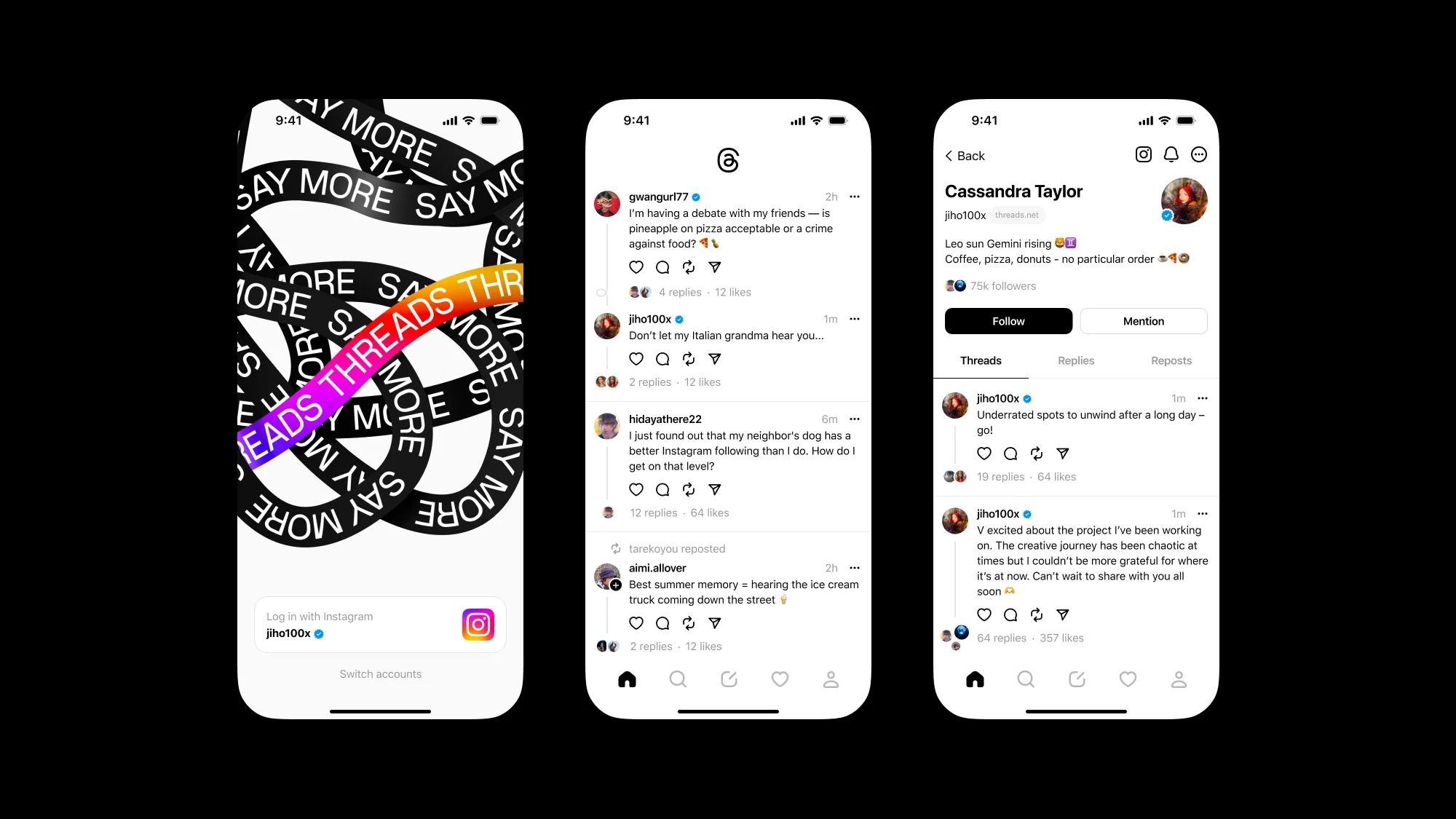
At its technical core, Threads is a microblogging application built by the Instagram team. Unlike Instagram, which prioritizes visual storytelling through photos and Reels, Threads is engineered to prioritize the written word. It allows users to post short updates, engage in public discussions, and share media in a format that encourages “threading”—a series of connected posts that allow for deeper storytelling or nuanced debate.
The Connection to Instagram
One of the most significant technological advantages of Threads is its deep integration with the Instagram ecosystem. From a user experience (UX) perspective, this means that onboarding is nearly instantaneous. Users do not need to build a new social graph from scratch; instead, they can port their followers, blocked lists, and profile verification status directly from Instagram. This “interconnected identity” is a strategic move by Meta to reduce the friction of joining a new platform, leveraging a pre-existing database of over two billion active users.
The Fediverse and ActivityPub Integration
Perhaps the most “tech-forward” aspect of Threads is Meta’s commitment to the Fediverse. Threads is built to be compatible with ActivityPub, the decentralized social networking protocol used by platforms like Mastodon. This represents a pivot from traditional “walled garden” social media. By integrating with ActivityPub, Threads aims to allow users to interact with people on other social servers, giving them the ability to take their content and audience to other platforms if they choose. This move toward interoperability is a significant trend in digital sovereignty and open-web standards.
Core Functionality and Use Cases
Understanding what Threads is used for requires a look at its primary functional features. While the interface is clean and minimalist, the underlying software supports a robust variety of communication methods.
Real-Time Conversation and Microblogging
The primary use of Threads is microblogging. Each post has a 500-character limit, which is significantly more generous than the original constraints of other text-based platforms. This allows users to share thoughts, news, and snippets of information quickly. The “thread” feature enables users to link multiple posts together, which is particularly useful for breaking news, long-form tutorials, or storytelling that requires more than a single paragraph.
Community Building and Networking
Threads is increasingly used as a tool for digital networking. Because the algorithm prioritizes “joined-up” conversations, it is easier for users to discover communities based on shared interests rather than just following celebrities. Tech enthusiasts, developers, and creators use the app to host “Ask Me Anything” (AMA) sessions or to engage in “Tech Threads” where they share code snippets, software reviews, and industry insights.
Multimedia Integration
While text is the hero, Threads supports high-quality multimedia. Users can upload photos and videos up to five minutes in length. This makes it a versatile tool for journalists who need to post a video clip of an event alongside a text description, or for tech reviewers who want to share a quick “unboxing” video followed by a detailed spec list in the comments.
Key Tech Features That Distinguish Threads

To understand why Threads has gained traction, one must look at the specific technological choices made by Meta’s engineering team regarding content delivery and user control.
Algorithmic vs. Chronological Feeds
A major point of discussion in the tech community is how social media apps rank content. Threads offers two primary views: the “For You” feed and the “Following” feed. The “For You” feed uses machine learning models to suggest content from creators you might like, based on your engagement patterns. Conversely, the “Following” feed provides a purely chronological stream of posts from people you explicitly follow. This dual-approach caters to both discovery-oriented users and those who prefer a traditional, time-ordered information flow.
Privacy Controls and Security Features
Built on the backbone of Instagram’s safety infrastructure, Threads includes a suite of digital security tools. Users can control who can mention them or reply to their threads. The “Hidden Words” feature allows users to filter out replies that contain specific keywords, phrases, or emojis. From a technical standpoint, this utilizes natural language processing (NLP) to monitor and moderate content in real-time, providing a safer environment for public discourse than many of its predecessors.
Cross-Platform Interoperability
Threads is designed to be highly “shareable.” With a single tap, a Thread can be shared directly to an Instagram Story or posted as a link on other platforms. This interoperability is key to its growth strategy, as it allows the content generated within the app to permeate the wider internet, driving traffic back to the platform and increasing the “stickiness” of the application for creators.
How to Get Started: Navigating the Technical Interface
For those looking to leverage Threads for professional or personal use, understanding the setup and navigation is essential. The app is available on both iOS and Android, with a fully functional web version for desktop users.
Account Setup and Synchronization
Setting up Threads is a matter of logging in with Instagram credentials. During the setup process, the app asks if you want to follow the same accounts you follow on Instagram. This is a massive time-saver for users who have spent years curating their Instagram feed. Technically, the app syncs your “Social Graph,” ensuring that your experience is populated with relevant content from the moment you first log in.
Navigating the Interface
The UI of Threads is divided into five main sections:
- Home: The main feed where you discover content.
- Search: A tool to find specific users or trending topics.
- New Thread: The composition window where you create posts.
- Activity: A notification center showing likes, replies, and mentions.
- Profile: Your personal dashboard where your threads and replies are stored.
The simplicity of this design is intentional, focusing on reducing “cognitive load” and keeping the user focused on the conversation rather than distracting UI elements.
The Future of Threads in the Social Media Ecosystem
As we look toward the future of social technology, Threads represents a significant bet on the future of decentralized and text-based communication. Its success will likely depend on how it navigates the challenges of content moderation and the integration of new technologies.
The Role of AI in Content Discovery
Meta has been vocal about integrating generative AI into its platforms. In the future, we can expect Threads to utilize AI to summarize long conversation threads, suggest relevant topics to join, and perhaps even assist in drafting posts. The goal is to make the “information density” of the app more manageable for the average user, using tech to curate a more personalized experience.
Competing in the “Town Square”
The ultimate purpose of Threads is to serve as the internet’s “town square.” In tech terms, this means becoming the primary destination for breaking news and public debate. By maintaining a high-performance infrastructure that can handle millions of concurrent users during major global events—such as elections or tech launches—Threads is positioning itself as the most stable and scalable microblogging platform available today.
In conclusion, Threads is more than just another social media app; it is a sophisticated communication tool that bridges the gap between traditional social networking and the future of the decentralized web. Whether it is used for staying updated on tech trends, participating in global conversations, or building a professional network, Threads offers a streamlined, high-performance environment for the modern digital citizen. As it continues to evolve and integrate with the Fediverse, its impact on the way we consume and share information is only set to grow.
aViewFromTheCave is a participant in the Amazon Services LLC Associates Program, an affiliate advertising program designed to provide a means for sites to earn advertising fees by advertising and linking to Amazon.com. Amazon, the Amazon logo, AmazonSupply, and the AmazonSupply logo are trademarks of Amazon.com, Inc. or its affiliates. As an Amazon Associate we earn affiliate commissions from qualifying purchases.