
In the complex world of personal finance, risk management is often the difference between long-term wealth accumulation and sudden financial ruin. Among the various tools available to safeguard one’s assets, insurance stands as the primary pillar. Specifically, third-party insurance coverage—often referred to as liability insurance—is perhaps the most fundamental component of any robust financial plan. Whether you are driving a car, operating a small business, or managing a property, understanding the mechanics of third-party coverage is essential for protecting your net worth from the unpredictable costs of legal claims and damages.
Understanding the Basics of Third-Party Liability
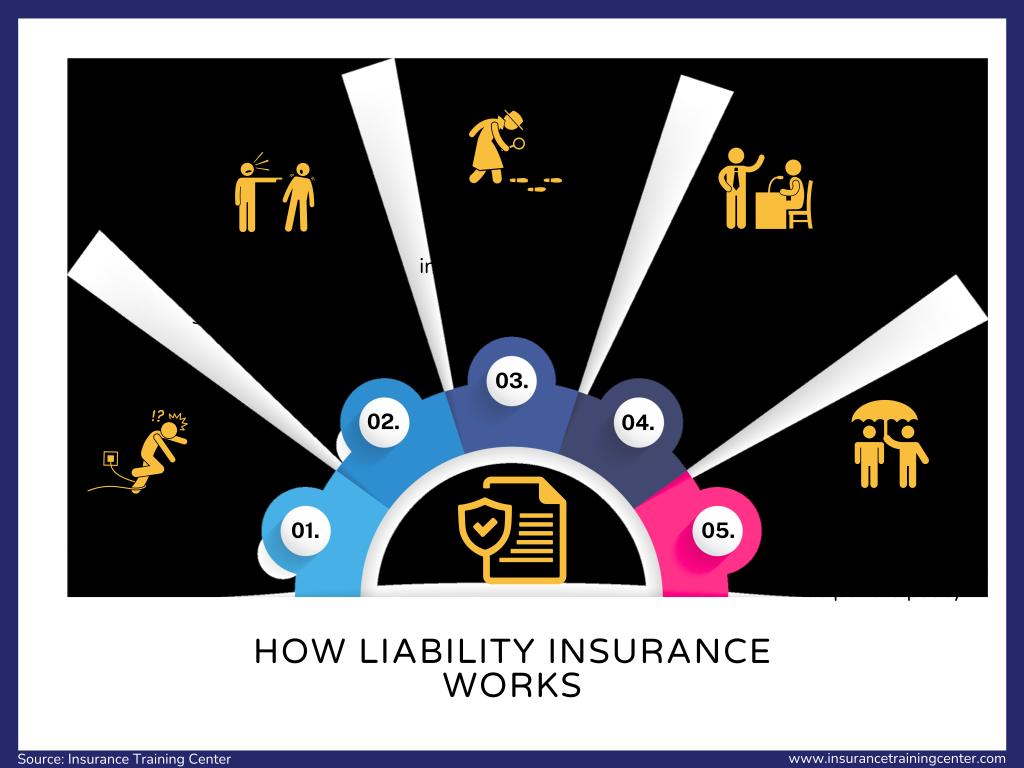
At its core, third-party insurance is a policy purchased by an individual (the first party) from an insurance company (the second party) to provide protection against claims made by another person (the third party). Unlike comprehensive or “first-party” insurance, which compensates you for your own losses, third-party insurance is designed to pay for damages or injuries you cause to others.
Defining “Third Party” in Insurance Terms
To grasp the financial implications of these policies, one must first identify the players involved. In any insurance contract, the “first party” is the policyholder—the person who pays the premiums and is protected by the policy. The “second party” is the insurance provider, the entity that assumes the risk in exchange for a fee. The “third party” is any external individual or entity that suffers a loss due to the actions of the first party. This could be a pedestrian injured in a car accident, a client who slips in your place of business, or a neighbor whose property is damaged by your falling tree.
How Third-Party Coverage Differs from Comprehensive Plans
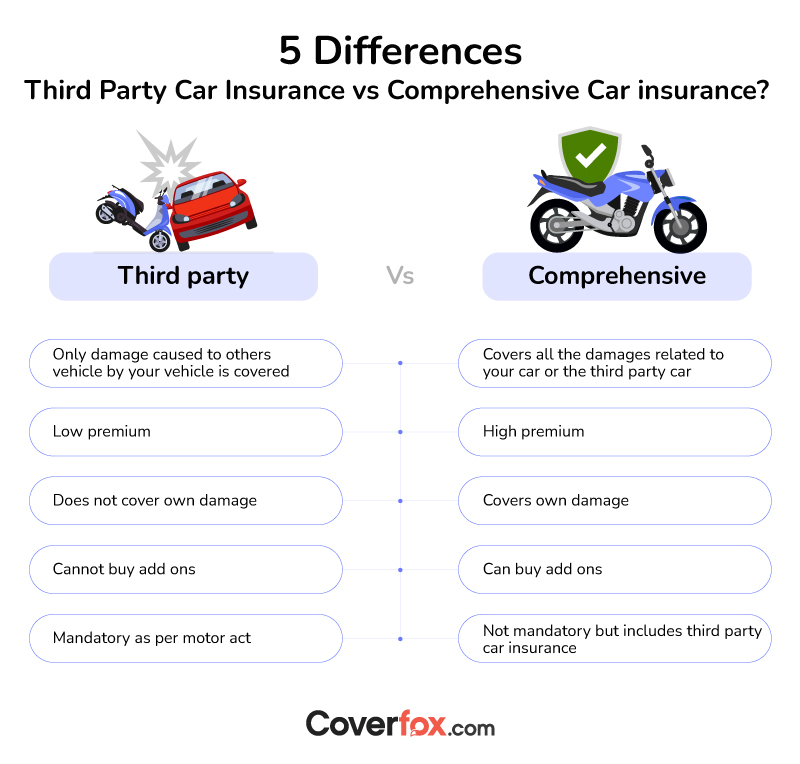
A common point of confusion for many policyholders is the distinction between third-party and comprehensive coverage. From a financial perspective, comprehensive insurance is an investment in your own assets; it covers the repair or replacement of your vehicle or property regardless of who is at fault. Third-party insurance, conversely, is a defensive financial tool. It does not provide a single cent for your own repairs. Instead, it serves as a buffer between your personal bank account and the legal demands of an injured party. While comprehensive plans are often optional (depending on financing status), third-party liability is frequently a legal mandate because it ensures that victims of accidents can receive compensation.
Why Third-Party Insurance is a Financial Necessity
For the savvy investor or the responsible head of a household, third-party insurance is not just a legal box to check—it is a critical strategy for asset protection. Without this coverage, an individual is personally liable for the costs associated with an accident. In a litigious society, these costs can easily reach hundreds of thousands, if not millions, of dollars.
Legal Requirements and Mandatory Compliance
In most jurisdictions worldwide, third-party liability insurance is mandatory for vehicle owners and many business operators. The rationale is simple: the state wants to ensure that if a citizen is injured by another’s negligence, there is a financial mechanism in place to cover medical bills and rehabilitation. From a personal finance standpoint, maintaining the minimum required legal coverage is the absolute baseline of fiscal responsibility. Failing to do so can lead to heavy fines, license suspension, and, more importantly, the total loss of personal assets in a civil judgment.
Protecting Your Assets Against Litigation
The true value of third-party coverage reveals itself during a lawsuit. If you are found liable for an accident, the costs extend far beyond simple property repair. You may be responsible for the victim’s medical expenses, lost wages (both past and future), pain and suffering, and legal fees. Without insurance, a court could order the seizure of your savings, the liquidation of your investment accounts, or the garnishment of your future wages. Third-party insurance acts as a financial shield, ensuring that the insurance company bears the brunt of these costs, thereby preserving your personal wealth and financial future.
Key Components of a Third-Party Policy
When reviewing a policy document, the coverage is typically broken down into specific limits and categories. Understanding these nuances is vital for ensuring that you are adequately protected rather than just “legally” covered.
Bodily Injury Liability
This is often considered the most important part of a third-party policy. Bodily injury liability covers costs associated with injuries that the policyholder causes to others. This includes emergency room visits, long-term hospital stays, surgeries, and physical therapy. Furthermore, it covers “non-economic” damages, such as compensation for the victim’s emotional distress or permanent disability. In the event of a fatal accident, this coverage also handles funeral expenses and wrongful death claims. Given that medical costs are skyrocketing, choosing high limits for bodily injury is a prudent financial move for anyone with significant assets to protect.
Property Damage Liability
Property damage liability covers the cost of repairing or replacing property belonging to others that you have damaged. While this most commonly refers to other vehicles in a traffic accident, it also applies to structures like fences, lamp posts, storefronts, and even specialized equipment. If you were to lose control of your vehicle and crash into a high-end retail shop, the property damage costs could easily exceed $50,000. Having a robust property damage limit ensures that such a mistake doesn’t result in a personal debt that takes years to repay.
Calculating the Cost and Value
The premium you pay for third-party insurance is essentially the “price of peace of mind.” However, like any financial product, the cost is determined by a variety of risk factors and choices made by the consumer.
Factors Influencing Premium Rates
Insurance companies utilize complex algorithms to determine the likelihood that they will have to pay out a claim. Factors such as your driving record, credit score, age, and location play significant roles. For businesses, the nature of the industry and the volume of foot traffic are primary considerations. From a money-management perspective, it is important to shop around and compare quotes, as different insurers weigh these risk factors differently. Maintaining a clean record and a high credit score are two of the most effective ways to lower the cost of this essential financial protection.
Balancing Premiums vs. Out-of-Pocket Risk
A common dilemma in personal finance is the “deductible vs. premium” trade-off. While third-party liability policies often don’t have a traditional deductible in the same way collision insurance does, they do have “limits.” Selecting the minimum limit required by law will result in the lowest possible monthly premium. However, this creates a massive financial vulnerability. If you have $25,000 in coverage but cause $100,000 in damages, you are personally responsible for the $75,000 gap. A sophisticated approach to finance involves paying a slightly higher premium for much higher coverage limits, thereby eliminating the risk of a catastrophic “out-of-pocket” event.
Strategic Financial Planning: When is Third-Party Coverage Enough?
As your net worth grows, your insurance needs evolve. What was sufficient coverage when you were a college student with a negative net worth is likely woefully inadequate once you own a home, have a retirement portfolio, and earn a high income.
Assessing Your Risk Profile
A comprehensive financial audit should include a review of your liability exposure. Do you have a long commute in heavy traffic? Do you own a dog? Do you have a swimming pool? All of these factors increase the statistical likelihood of a third-party claim. If your potential liability exceeds your current insurance limits, you are effectively “self-insuring” the difference with your personal wealth. High-net-worth individuals should aim for coverage limits that align with the total value of their seizable assets.

Supplementing with Umbrella Policies
For those whose financial reach exceeds the standard limits of auto or homeowners’ third-party insurance, an “Umbrella Policy” is a powerful tool. An umbrella policy provides an extra layer of liability protection that kicks in after your primary policies have reached their limit. It is one of the most cost-effective ways to buy millions of dollars in additional coverage. In the context of a total financial strategy, an umbrella policy is the ultimate fail-safe, ensuring that even a major legal judgment cannot dismantle a lifetime of disciplined saving and investing.
In conclusion, third-party insurance coverage is more than a line item in a monthly budget; it is a foundational element of financial security. By understanding what it covers, why it is necessary, and how to scale it as your wealth grows, you can protect yourself against the unforeseen accidents that could otherwise derail your financial goals. In the world of money, it is often said that the best offense is a good defense—and third-party insurance is the cornerstone of that defense.
aViewFromTheCave is a participant in the Amazon Services LLC Associates Program, an affiliate advertising program designed to provide a means for sites to earn advertising fees by advertising and linking to Amazon.com. Amazon, the Amazon logo, AmazonSupply, and the AmazonSupply logo are trademarks of Amazon.com, Inc. or its affiliates. As an Amazon Associate we earn affiliate commissions from qualifying purchases.