
Pittsburgh, Pennsylvania, once defined by the rhythmic clanging of steel mills and the orange glow of blast furnaces, has undergone one of the most significant technological metamorphoses in modern history. For the technology enthusiast, the software engineer, or the venture capitalist, the question of “what is there to see” in Pittsburgh yields an answer far removed from traditional tourism. Today, the city serves as a living laboratory for autonomous systems, a global hub for artificial intelligence research, and a primary testing ground for the software stacks that will define the next century of human mobility and industrial automation.
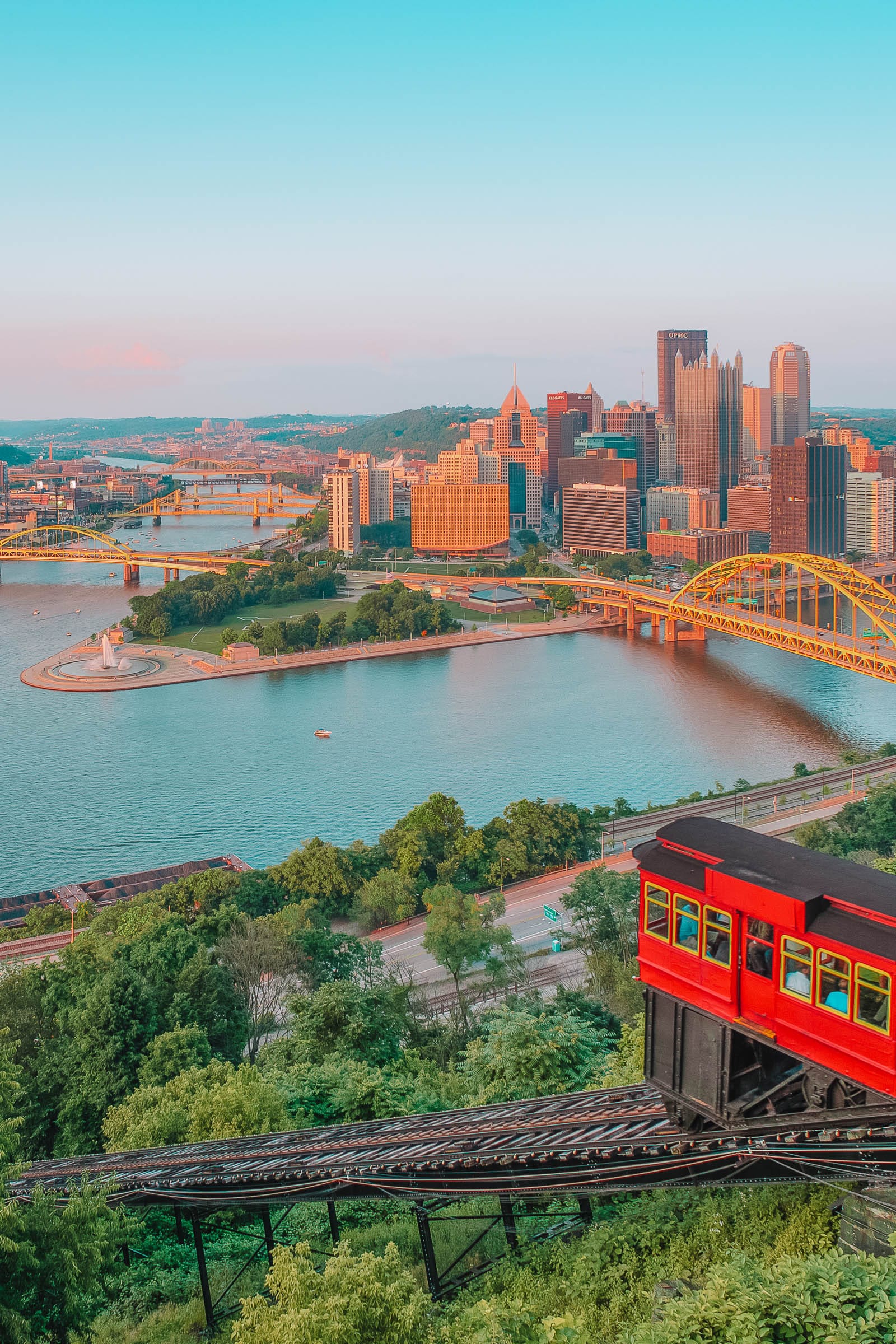
To see Pittsburgh today is to witness the physical manifestation of the digital revolution. From the “Robotics Row” stretch in the Strip District to the high-density computing clusters at Carnegie Mellon University, the city offers a panoramic view of the future of tech.
The Silicon Strip and the Infrastructure of Autonomy
The most visible technological marvel in Pittsburgh is the dense concentration of autonomous vehicle (AV) development companies lining the Allegheny River. Known colloquially as “Robotics Row,” this corridor represents the pinnacle of computer vision, sensor fusion, and edge computing.
The Software Architecture of Self-Driving Systems
When observing the sleek SUVs and trucks outfitted with spinning LiDAR sensors navigating the city’s notoriously difficult terrain, one is seeing more than just hardware. You are seeing the real-world application of some of the world’s most sophisticated software stacks. Companies like Aurora, Motional, and various spinoffs from the pioneer days of Uber’s Advanced Technologies Group (ATG) have turned Pittsburgh’s streets into a high-stakes environment for machine learning.
The software challenges being solved here are immense. Pittsburgh’s unique geography—composed of 446 bridges, narrow winding streets, and unpredictable weather—provides a “stress test” for AI that few other cities can match. To see the tech in Pittsburgh is to study how these systems handle “edge cases”—those rare, difficult-to-predict scenarios that traditional algorithms struggle to solve. Developers here are utilizing reinforcement learning and synthetic data generation to train neural networks that can anticipate the erratic behavior of human drivers and pedestrians in real-time.
The Evolution of Sensor Fusion and LiDAR
As you walk through the Strip District, the sheer variety of hardware configurations is a sight to behold. You will see solid-state LiDAR, long-range radar, and high-definition cameras integrated into vehicle chassis. The innovation here lies in “sensor fusion”—the software-driven process of merging data from these disparate sources to create a coherent, 360-degree digital map of the vehicle’s surroundings. Seeing these vehicles in such high density provides a glimpse into a future where the “driver” is a distributed computing system capable of millisecond reaction times.
Carnegie Mellon University: Where Artificial Intelligence Found Its Footing
No technological tour of Pittsburgh is complete without a visit to the campus of Carnegie Mellon University (CMU). If the Silicon Strip is the application layer, CMU is the kernel—the foundational environment where the very concepts of Artificial Intelligence and Robotics were pioneered.
The Gates Center for Computer Science
The Gates Center for Computer Science and the Hillman Center for Future-Generation Technologies are architectural and intellectual landmarks. This is where the “Three Laws of Robotics” transitioned from science fiction to academic discipline. Within these walls, researchers are currently pushing the boundaries of Large Language Models (LLMs), Natural Language Processing (NLP), and Human-Computer Interaction (HCI).
To see the labs at CMU is to see the birth of the next generation of AI tools. Current research focuses heavily on “explainable AI” (XAI)—software that can not only make a decision but also provide a human-readable justification for why that decision was made. This is a critical development for the integration of AI into regulated industries like healthcare and law, making the work done on this campus a cornerstone of the global tech economy.
The National Robotics Engineering Center (NREC)
Located in the Lawrenceville neighborhood, the NREC is an operating unit of CMU’s Robotics Institute. It serves as a bridge between academic research and commercial/government application. Here, tech observers can witness the development of ruggedized robotics designed for extreme environments—mining, agriculture, and planetary exploration. The software developed at NREC often focuses on “autonomy in degraded environments,” where GPS might be unavailable and the robot must rely entirely on simultaneous localization and mapping (SLAM) algorithms to navigate.

The Software Ecosystem: From Open Source to Industrial IoT
Beyond the headline-grabbing robots, Pittsburgh’s tech scene is defined by a robust software ecosystem that leverages the city’s industrial heritage to solve modern problems. The transition from “Steel City” to “Tech City” was paved with code, specifically in the realms of Industrial Internet of Things (IIoT) and enterprise-grade software solutions.
Predictive Maintenance and Industrial AI
One of the most profound things to “see” in Pittsburgh is how legacy manufacturing has been digitized. Local tech firms are developing AI tools that utilize vibration sensors and thermal imaging to predict equipment failure before it happens. This “predictive maintenance” software saves global manufacturing billions of dollars annually. In the converted warehouses of the East End, startups are writing the code that connects vintage machinery to the cloud, allowing for real-time data analysis and optimization of the global supply chain.
The Google and Duolingo Influence
The presence of Google’s massive office in Bakery Square, a repurposed Nabisco factory, symbolizes the city’s status as a top-tier tech hub. Google’s Pittsburgh team has historically been instrumental in the development of core technologies like Google Shopping and the underlying infrastructure of the Android OS.
Similarly, the headquarters of Duolingo in East Liberty showcases how consumer-facing software can scale globally from a mid-sized American city. Duolingo’s use of AI to personalize language learning is a prime example of “gamification” software—using data-driven insights to maximize user retention and educational outcomes. Observing these campuses provides insight into how tech companies can revitalize urban neighborhoods while maintaining a global footprint.
Digital Security and the Next Frontier of Cyber Defense
As software becomes more integrated into the physical world—through autonomous cars and smart grids—the importance of digital security has never been higher. Pittsburgh has emerged as a critical node in the global cybersecurity network, housing both federal agencies and private innovators.
The Software Engineering Institute (SEI)
The SEI, a federally funded research and development center, is a world leader in software engineering and cybersecurity. This is the home of the CERT Coordination Center, which was the first organization to manage internet security vulnerabilities. For the tech-minded visitor, the SEI represents the “defense” side of the industry. Their work in “devsecops” ensures that security is baked into the software development lifecycle from day one, rather than added as an afterthought.
Blockchain and Secure Ledger Tech
In recent years, the Pittsburgh tech scene has expanded into secure ledger technologies and blockchain. Local developers are exploring how decentralized systems can secure the massive amounts of data generated by autonomous vehicles and IoT devices. By creating immutable records of sensor data and software updates, these technologies ensure that the digital infrastructure of the city remains resilient against cyber threats.
A Modern Tech Tour: Navigating the Physicality of the Digital Age
The final thing to see in Pittsburgh is the unique way the city has integrated technology into its physical infrastructure. This is not a “smart city” built from scratch, but a historic city being retrofitted with the most advanced tools available.
Smart Traffic Orchestration
Pittsburgh is home to pioneering “Smart Traffic” technology. Developed by researchers at CMU and commercialized by local firms, these systems use AI and edge computing to analyze traffic flow in real-time and adjust signal timing to reduce congestion and emissions. Observing these intersections in action—where software is literally directing the flow of physical life—is a testament to the power of urban tech.

Innovation Hubs and Incubators
To see the future of the Pittsburgh tech niche, one must visit the various incubators like AlphaLab and Innovation Works. These spaces are where the next generation of software tools—ranging from FinTech applications to AI-driven drug discovery—are being coded. These hubs provide a glimpse into the “side hustle” culture that has evolved into a multi-billion dollar startup economy, fueled by a high density of PhDs and a relatively low cost of living compared to Silicon Valley.
In summary, what there is to see in Pittsburgh is the tangible intersection of hardware and software. It is a city where the “cloud” comes down to earth in the form of autonomous trucks, where the “code” is written to secure global networks, and where the “algorithms” are learning to navigate the complexities of the human world. For anyone interested in the trajectory of modern technology, Pittsburgh is not just a destination; it is a preview of the world to come.
aViewFromTheCave is a participant in the Amazon Services LLC Associates Program, an affiliate advertising program designed to provide a means for sites to earn advertising fees by advertising and linking to Amazon.com. Amazon, the Amazon logo, AmazonSupply, and the AmazonSupply logo are trademarks of Amazon.com, Inc. or its affiliates. As an Amazon Associate we earn affiliate commissions from qualifying purchases.