
Investing in the share market is one of the most effective ways to build long-term wealth. For decades, the stock market has served as a powerful engine for capital growth, outperforming inflation and traditional savings accounts. However, for many individuals, the prospect of entering the financial markets can feel overwhelming. The terminology, the volatility, and the sheer volume of choices can lead to “analysis paralysis.” This guide is designed to demystify the process, providing a structured roadmap for anyone asking the fundamental question: “How can I invest money in the share market?”
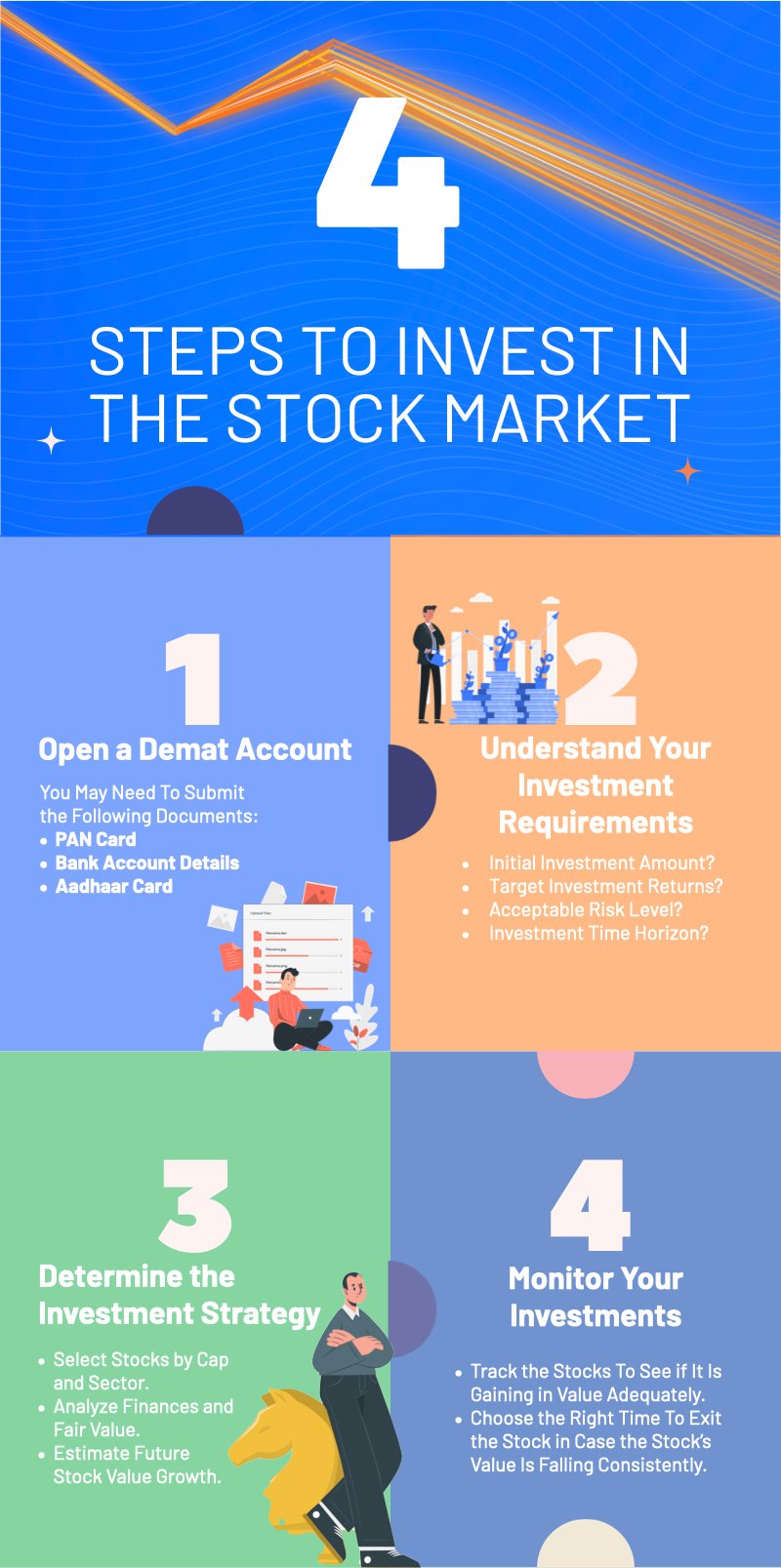
Understanding the Basics of the Share Market
Before committing your hard-earned capital, it is essential to understand what the share market is and how it functions. At its core, the share market is a marketplace where institutional and individual investors come together to buy and sell “shares” or “stocks” of publicly traded companies.
What is a Share?
When you buy a share, you are essentially purchasing a small piece of ownership in a corporation. This makes you a “shareholder.” As an owner, you are entitled to a portion of the company’s profits, which may be distributed in the form of dividends, and you potentially benefit if the value of the company increases over time. The primary goal for most investors is to buy shares at a lower price and sell them later at a higher price (capital appreciation), or to generate steady income through dividends.
How the Market Operates
The share market operates through a network of exchanges, such as the New York Stock Exchange (NYSE) or the NASDAQ. These exchanges provide a regulated environment where transactions occur transparently. The price of a stock is determined by the laws of supply and demand. If a company is performing well, or if investors believe it has a bright future, demand for its shares increases, driving the price up. Conversely, poor performance or negative economic outlooks can lead to a decrease in demand and a drop in price.
The Role of Market Indices
You will often hear about the “S&P 500” or the “Dow Jones Industrial Average.” These are market indices. They track the performance of a specific group of stocks and serve as a benchmark for the overall health of the market. Most beginners aim to match the performance of these indices rather than trying to beat them, which is a prudent strategy for long-term growth.
Building Your Investment Foundation
Success in the share market is rarely about picking a “lucky” stock; it is about preparation and discipline. Before you place your first trade, you must ensure your personal finances are in order.
Setting Clear Financial Goals
Why are you investing? Are you saving for retirement, a down payment on a house, or your children’s education? Your goals will dictate your investment horizon—the length of time you plan to keep your money in the market. A longer time horizon (10+ years) generally allows you to take more risks because you have time to recover from market downturns.
Assessing Risk Tolerance
Risk tolerance is your ability and willingness to lose some or all of your original investment in exchange for greater potential returns. If the thought of your portfolio value dropping by 20% in a single month keeps you awake at night, you may have a conservative risk tolerance. Conversely, if you view market volatility as an opportunity to buy more, you may be an aggressive investor. Understanding your psychological relationship with money is vital to choosing the right assets.
Establishing an Emergency Fund
Never invest money that you might need in the next three to five years. The share market can be volatile in the short term. If you are forced to sell your stocks during a market dip because you need cash for an emergency, you lock in your losses. Ideally, you should have three to six months of living expenses in a liquid savings account before you start investing in the share market.
The Step-by-Step Process of Investing
Once your foundation is set, you can move into the practical steps of purchasing shares. The barrier to entry has never been lower, thanks to digital tools and brokerage platforms.
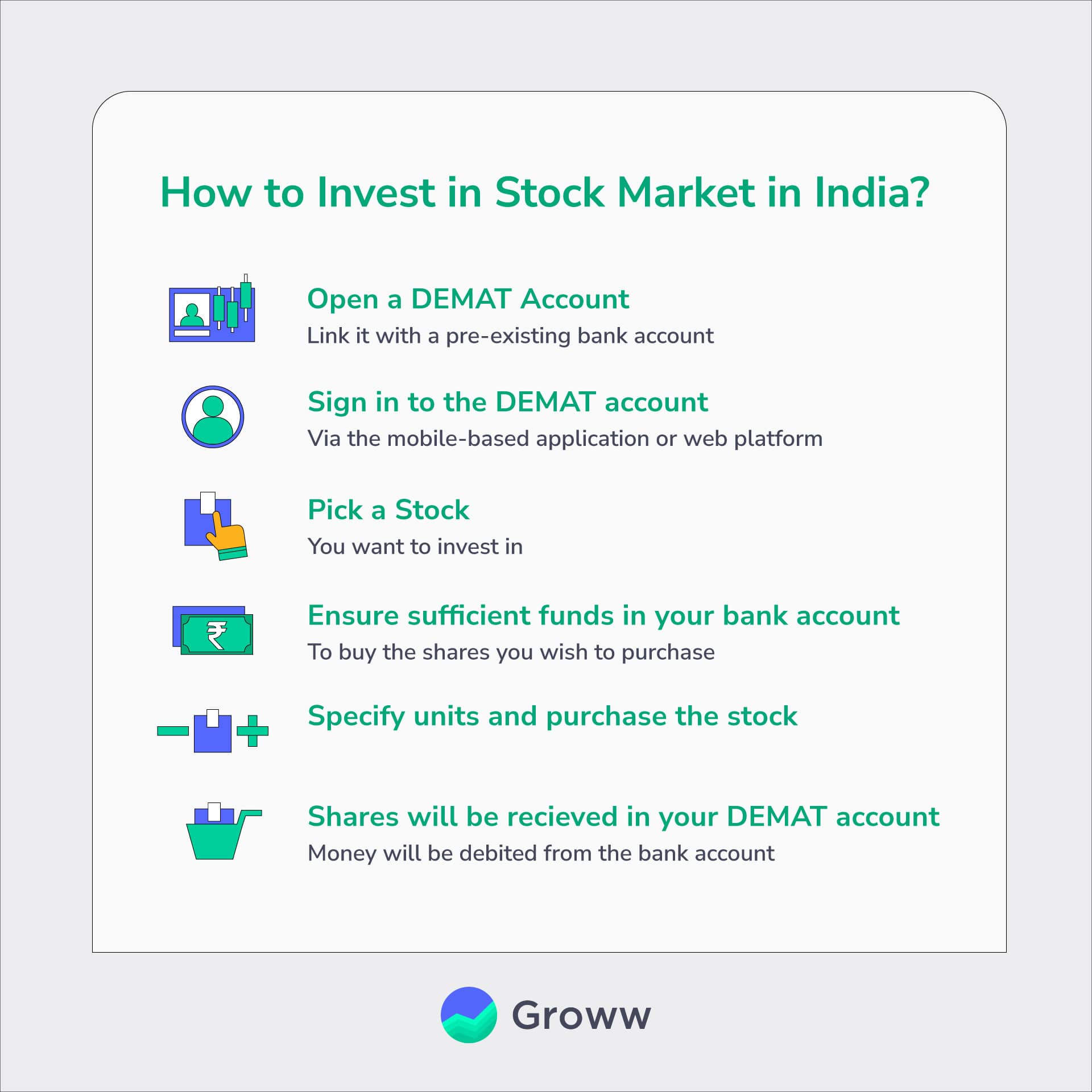
Choosing the Right Brokerage Account
To buy stocks, you need a brokerage account. This is a specialized financial account that allows you to trade securities. There are two main types:
-
Full-Service Brokers: These offer personalized advice and wealth management but come with high fees.
-
Discount or Online Brokers: These provide the tools to trade on your own with very low or zero commissions. Popular modern platforms have made the process as simple as using a smartphone app.
Selecting Your Investment Vehicle
You do not have to pick individual stocks to be a successful investor. In fact, many experts recommend starting with diversified funds:
-
Individual Stocks: Buying shares of specific companies like Apple, Amazon, or Tesla. This requires extensive research and carries higher risk.
-
Exchange-Traded Funds (ETFs): An ETF is a basket of different stocks that you can buy in a single transaction. For example, an S&P 500 ETF gives you exposure to 500 of the largest U.S. companies simultaneously.
-
Mutual Funds: Similar to ETFs but managed by professional fund managers. They often have higher fees than ETFs but can be more specialized.
Placing an Order
When you are ready to buy, you will log into your brokerage platform and enter a ticker symbol (e.g., AAPL for Apple). You will then choose an order type:
-
Market Order: Buys the stock immediately at the current market price.
-
Limit Order: Only buys the stock if it reaches a specific price you set. This gives you more control over what you pay.
Strategies for Long-Term Success
Investing is not a “get rich quick” scheme; it is a “get wealthy slowly” strategy. To thrive, you must adopt proven investment principles.
The Power of Diversification
Diversification is the practice of spreading your investments across different companies, industries, and geographic regions. If you put all your money into a single tech stock and that company fails, you lose everything. However, if you own 100 different stocks across tech, healthcare, and energy, a failure in one sector is offset by stability in others. This is the concept of “not putting all your eggs in one basket.”
Harnessing Compound Interest
Albert Einstein reportedly called compound interest the “eighth wonder of the world.” In the context of the share market, compounding happens when your investments earn returns, and those returns are reinvested to earn even more returns. Over decades, this creates an exponential growth curve. The earlier you start investing, the more time compounding has to work its magic.
Dollar-Cost Averaging (DCA)
Market timing—trying to predict when the market will go up or down—is notoriously difficult even for professionals. Instead, many successful investors use Dollar-Cost Averaging. This involves investing a fixed amount of money at regular intervals (e.g., $200 every month), regardless of the share price. When prices are low, your $200 buys more shares; when prices are high, it buys fewer. Over time, this lowers your average cost per share and removes the emotional stress of trying to “time” the market.
Managing Your Portfolio and Avoiding Pitfalls
The final stage of investing is the ongoing management of your assets. Buying the stock is just the beginning; holding it through market cycles is where the real work happens.
Monitoring and Rebalancing
While you shouldn’t obsess over daily price fluctuations, you should review your portfolio at least once or twice a year. Over time, some investments may grow faster than others, causing your portfolio to become “unbalanced.” For example, if you wanted 50% stocks and 50% bonds, but your stocks performed so well they now make up 70%, you may need to sell some stocks and buy bonds to return to your original risk profile.
The Danger of Emotional Investing
The greatest enemy of the investor is often themselves. Fear and greed drive market bubbles and crashes. When the market is booming, greed may tempt you to over-invest in “hyped” stocks. When the market crashes, fear may tempt you to sell everything. Successful investors maintain an emotional distance from their portfolios, sticking to their long-term plan even when the headlines are scary.
Understanding Tax Implications
In most jurisdictions, the government takes a cut of your investment profits.
-
Capital Gains Tax: This is the tax you pay on the profit when you sell a stock for more than you paid.
-
Dividend Tax: Tax paid on the income you receive from dividends.
Using tax-advantaged accounts (like an IRA or 401(k) in the US, or an ISA in the UK) can significantly increase your net returns by shielding your investments from these taxes.
Investing in the share market is a journey of continuous learning. By starting with a solid foundation, choosing diversified investments, and maintaining a disciplined, long-term perspective, you can navigate the complexities of the financial markets and secure your financial future. The most important step you can take is the first one: getting started. Every day your money is not invested is a day you miss out on the potential for growth.
aViewFromTheCave is a participant in the Amazon Services LLC Associates Program, an affiliate advertising program designed to provide a means for sites to earn advertising fees by advertising and linking to Amazon.com. Amazon, the Amazon logo, AmazonSupply, and the AmazonSupply logo are trademarks of Amazon.com, Inc. or its affiliates. As an Amazon Associate we earn affiliate commissions from qualifying purchases.