
San Jose serves as the undisputed heart of Silicon Valley, a geographic and symbolic center for the global technology industry. For the tech-focused visitor or the professional looking to immerse themselves in the epicenter of innovation, the city offers far more than just corporate office parks. It is a living laboratory where the past, present, and future of computing, software development, and artificial intelligence converge. From the historical foundations of the semiconductor industry to the cutting-edge labs defining the next era of generative AI, San Jose provides a unique itinerary for those who live and breathe technology.

Exploring San Jose through a tech lens requires looking past the surface of its urban sprawl to find the hubs of research, the monuments to digital history, and the vibrant ecosystem of startups and legacy giants that drive the global economy. Whether you are interested in the evolution of hardware, the intricacies of software engineering, or the societal impacts of digital transformation, the city offers a dense concentration of experiences tailored to the technological mind.
Immersing in the Foundations of Innovation: Museums and Landmarks
To understand where technology is going, one must first understand where it began. San Jose and its immediate surroundings house some of the most significant repositories of technological history and interactive science in the world. These are not merely static displays; they are curated experiences designed to spark the next big idea.
The Tech Interactive: The Pulse of Applied Science
Located in the heart of downtown San Jose, The Tech Interactive (formerly The Tech Museum of Innovation) is an essential destination for anyone interested in the practical application of technology. Unlike traditional museums, this facility focuses on the “maker” philosophy. Visitors can engage with exhibits dedicated to biotechnology, augmented reality, and sustainable design.
For the software-inclined, the museum’s focus on coding challenges and logic puzzles provides a hands-on look at the foundational principles of algorithm design. One of the most compelling sections is the BioDesign Studio, where visitors can experiment with synthetic biology, using digital tools to simulate the “programming” of living cells. It bridges the gap between traditional software engineering and the burgeoning field of wetware, illustrating how the Silicon Valley mindset is being applied to the very building blocks of life.
The Computer History Museum: Tracking the Evolution of Logic
While technically located a short drive north in Mountain View, the Computer History Museum is the spiritual and historical anchor for any tech-focused trip to the San Jose area. It houses the world’s largest collection of computing artifacts. Walking through the “Revolution” exhibit is like traveling through the timeline of human ingenuity, from the abacus and the Enigma machine to the massive mainframes of the 1960s and the birth of the personal computer.
For those interested in the architecture of modern software, the museum offers deep dives into the history of programming languages and the development of the internet. Seeing a Cray-1 supercomputer or the original Google server racks in person provides a tangible sense of the physical scale required to launch the digital age. It serves as a reminder that every line of code written today stands on the shoulders of the hardware pioneers who miniaturized the vacuum tube into the silicon chip.
The Adobe Founders’ Tower and Corporate Architecture
The San Jose skyline is dominated by the headquarters of Adobe, a company that revolutionized digital creativity and document management. The recently completed Founders’ Tower is a marvel of “smart building” technology. While the interior is largely reserved for employees, the campus itself represents the pinnacle of modern workspace design, integrating IoT (Internet of Things) sensors to optimize energy consumption and employee workflow. For the visiting professional, observing the integration of corporate identity with urban infrastructure provides insight into how tech giants are shaping the physical environment of the valley.
Navigating the Hubs of Enterprise and Networking
San Jose is not just a place to observe technology; it is a place to participate in it. The city is a hive of professional activity where networking is a primary “activity.” Understanding the layout of the tech corridor is essential for anyone looking to engage with the local ecosystem.
The Downtown Tech Corridor and Zoom HQ
Downtown San Jose has seen a massive resurgence as a hub for software-as-a-service (SaaS) companies. Zoom Video Communications, which became a household name and a critical piece of global infrastructure during the shift to remote work, is headquartered here. The presence of such firms has transformed the downtown area into a focused zone for enterprise software development.
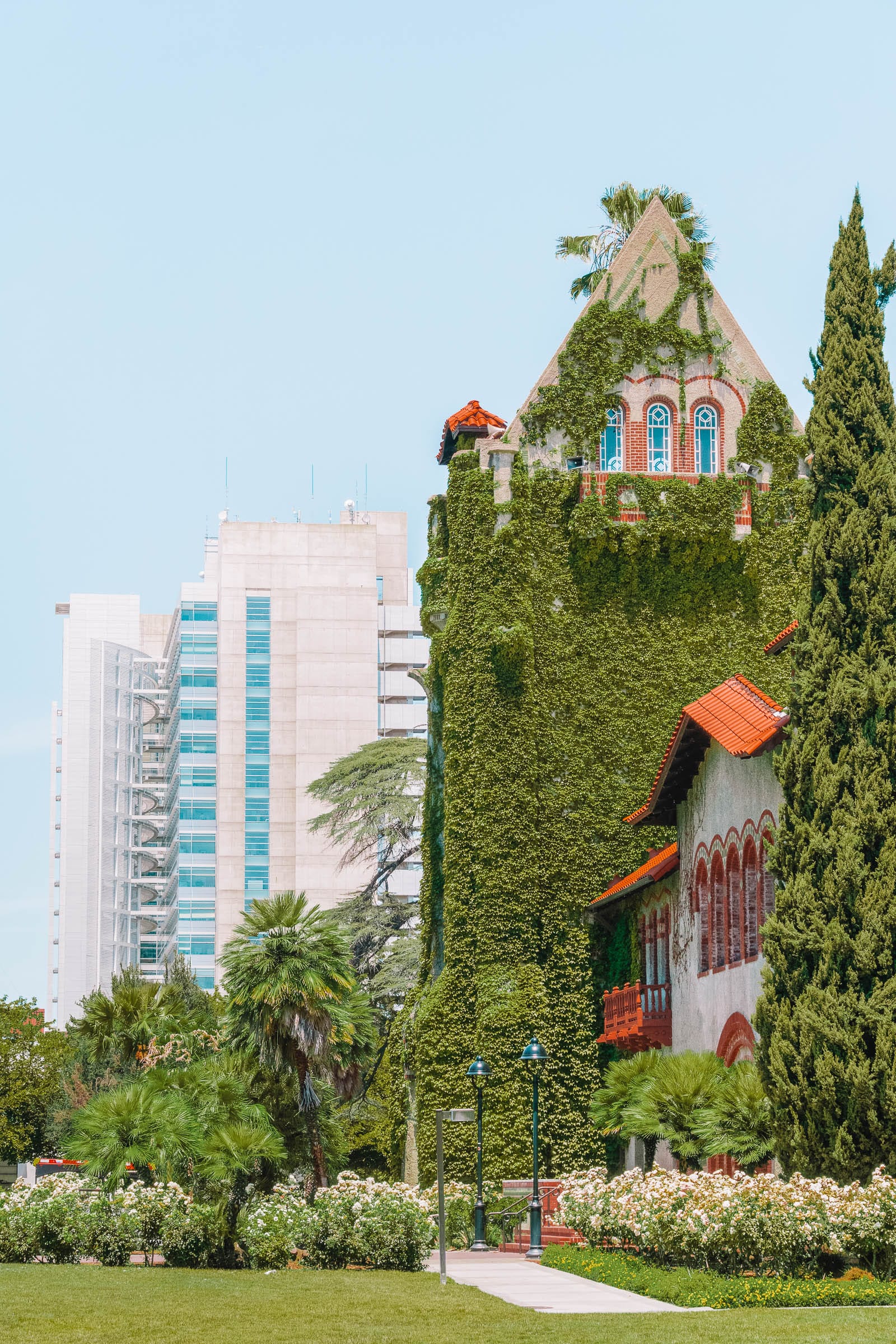
Engaging with this area often means attending industry-specific meetups and pitch nights. Venues near San Pedro Square often host informal “tech talks” where engineers from nearby firms discuss everything from cloud infrastructure optimization to the latest updates in React or Python. For a visitor, these gatherings are the best way to get a pulse on the current challenges facing Silicon Valley’s engineering talent.
The Innovation Triangle and R&D Centers
North San Jose is home to the “Innovation Triangle,” a dense concentration of R&D facilities for companies like Samsung, Cisco, and Western Digital. This area is the backbone of the hardware world. Walking through these corporate campuses, one can see the physical manifestation of the global supply chain. This is where the next generation of 5G (and 6G) infrastructure, flash memory, and networking hardware is being conceptualized.
For the tech enthusiast, this area represents the “Silicon” in Silicon Valley. While many of these facilities are high-security, the sheer scale of the infrastructure—ranging from massive data centers to semiconductor fabrication plants—is a testament to the industrial might required to sustain the digital world.
The AI Revolution and the Future of Silicon Valley
As we enter the era of artificial intelligence, San Jose has positioned itself as the staging ground for the next great leap in computing. The city is rapidly becoming the center for AI integration, moving beyond theoretical models to practical, enterprise-grade tools.
NVIDIA and the GPU Powerhouse
Nearby in Santa Clara, NVIDIA’s futuristic “Voyager” and “Endeavor” buildings stand as cathedrals to the GPU revolution. As the primary engine behind the current AI boom, NVIDIA’s presence looms large over San Jose. The city is home to many of the startups that utilize NVIDIA’s CUDA platform to build generative AI models and autonomous systems. Visitors interested in the future of AI often spend time at the various innovation hubs in San Jose where AI-driven robotics and computer vision are being tested in real-world scenarios.
Startup Incubators and Accelerators
San Jose is home to numerous incubators that cater specifically to deep tech—startups focused on breakthroughs in AI, quantum computing, and hardware. Facilities like Plug and Play Tech Center (located nearby) or local co-working spaces like WeWork and various independent “hacker houses” are where the next unicorns are being born. For someone looking to understand the “what’s next” in tech, visiting these spaces or attending their demo days offers a preview of the apps and tools that will likely dominate the market in the coming decade.
Tech-Centric Retail and Lifestyle
Even the leisure activities in San Jose are filtered through a technological lens. The city’s high-end retail and lifestyle centers serve as testing grounds for consumer tech and digital-first retail experiences.
Santana Row: A Showcase for Consumer Tech
Santana Row is an upscale silicon-manicure of a district that serves as a prime location for tech companies to showcase their consumer-facing products. From the Tesla showroom to high-end electronics boutiques, it is a place where one can see how technology is marketed as a lifestyle brand. For a brand strategist or a gadget reviewer, Santana Row offers a case study in how luxury and technology intersect. The integration of mobile apps for seamless shopping and dining experiences here is often years ahead of the rest of the country.
The Digital Transformation of Education: San Jose State University
San Jose State University (SJSU) is the top supplier of talent to Silicon Valley companies. A walk through the campus, particularly the King Library—a joint venture between the university and the city—reveals how technology is integrated into modern pedagogy. The library itself is a marvel of digital resource management, featuring automated retrieval systems and extensive digital archives. For those interested in the “talent pipeline,” seeing the collaboration between SJSU and local tech giants provides a clear picture of how the region maintains its competitive edge through constant educational renewal.
Conclusion: The Perpetual Beta
What is there to do in San Jose? For the tech-minded, the answer is to witness the “perpetual beta” state of the modern world. Every corner of the city reflects a commitment to iteration, optimization, and disruption. Whether you are exploring the vintage hardware at a museum, networking with SaaS founders downtown, or observing the deployment of AI in the wild, San Jose offers a look at the blueprint of the future. It is a city that doesn’t just use technology; it creates the frameworks through which the rest of the world interacts with reality. For anyone invested in the tech industry, a visit to San Jose is more than a trip—it is a pilgrimage to the source code of the 21st century.
aViewFromTheCave is a participant in the Amazon Services LLC Associates Program, an affiliate advertising program designed to provide a means for sites to earn advertising fees by advertising and linking to Amazon.com. Amazon, the Amazon logo, AmazonSupply, and the AmazonSupply logo are trademarks of Amazon.com, Inc. or its affiliates. As an Amazon Associate we earn affiliate commissions from qualifying purchases.