
In the contemporary marketplace, a brand is no longer defined solely by its logo or its color palette. Instead, a brand is defined by the conversations it has with its audience. At the heart of these conversations lies the writing process—a disciplined, strategic approach to communication that transforms abstract business goals into resonant narratives. Whether it is a white paper, a social media campaign, or a brand manifesto, the writing process is the engine of brand strategy.
Understanding “what is the writing process” through the lens of branding requires moving beyond simple grammar and syntax. It involves a multi-stage workflow designed to ensure that every word published aligns with a corporate identity, speaks to a specific psychological profile, and drives a measurable business outcome.
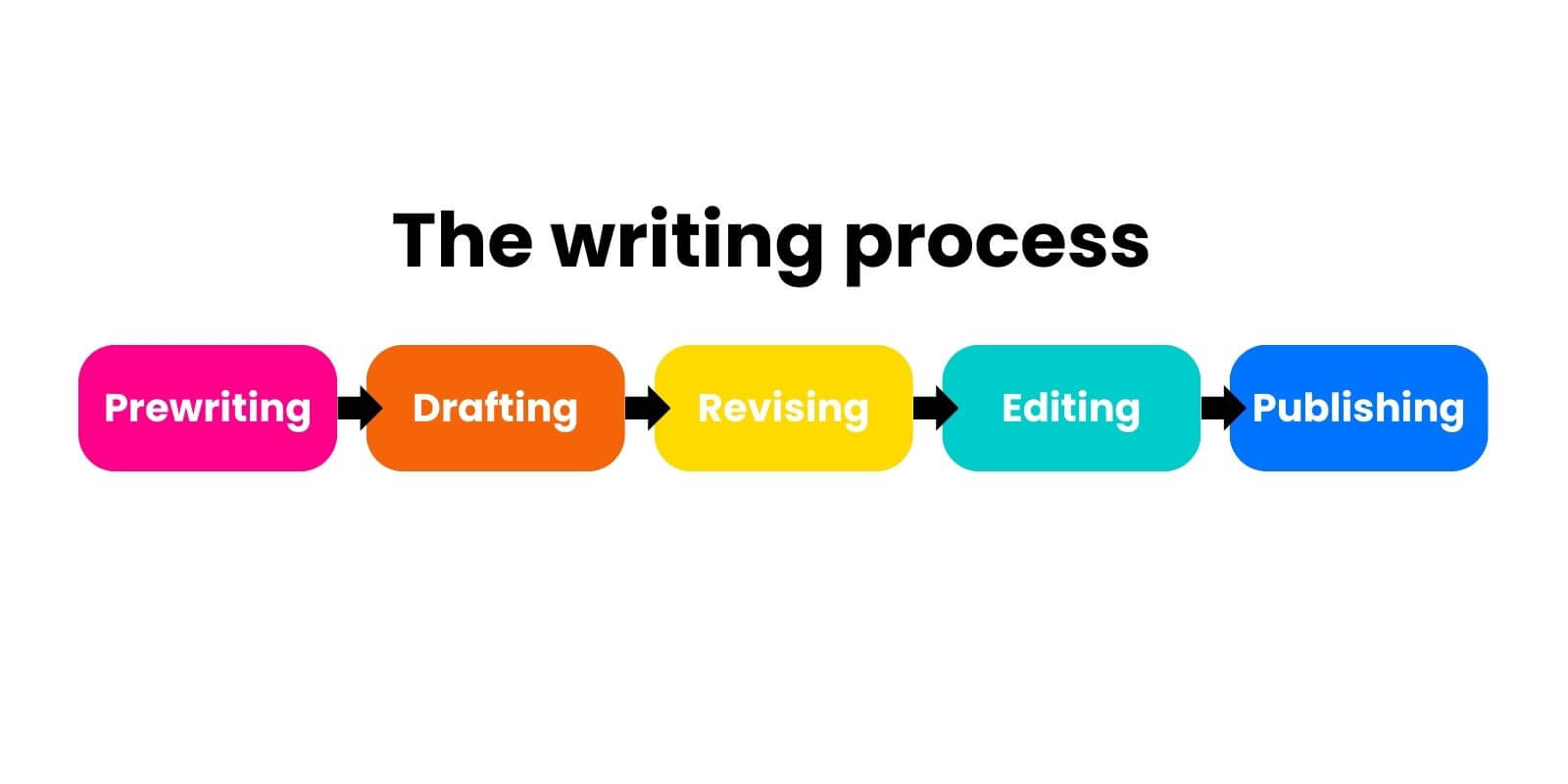
The Pre-Writing Phase: Research and Audience Mapping
The most common mistake in brand communication is starting with the “how” before understanding the “who” and the “why.” In a professional brand strategy context, the writing process begins long before a cursor touches a screen. This phase is dedicated to foundational research and the construction of a strategic framework.
Identifying the Core Brand Persona
Before a single sentence is drafted, a brand must define its own identity. This is often referred to as the “Brand Persona.” Is the brand a “Sage” (wise and authoritative like Google), a “Hero” (bold and inspirational like Nike), or a “Magician” (innovative and transformative like Disney)?
The writing process starts by auditing these core values. Writers must internalize the brand’s mission statement and value propositions. If the brand identity is built on transparency and trust, the writing process must prioritize clarity and evidence-based claims. If the brand is disruptive, the process must encourage provocative language and unconventional structures. Without this initial alignment, the resulting content will feel disjointed and fail to build long-term brand equity.
Audience Segmentation and Psychographic Research
Effective brand writing is never “one size fits all.” A critical component of the pre-writing phase is the creation of detailed buyer personas. This goes beyond demographics like age and location; it delves into psychographics—the fears, desires, and daily challenges of the target audience.
In this stage, strategists conduct keyword research, social listening, and competitor analysis. The goal is to identify the “language” the audience speaks. For example, a B2B SaaS brand writing for CTOs will utilize a different lexicon than a lifestyle brand writing for Gen Z influencers. The writing process, therefore, includes a “discovery” step where the writer maps the brand’s solutions to the audience’s specific pain points. This ensures that the content is not just written, but engineered to resonate.
The Drafting Phase: From Message Architecture to Creative Execution
Once the strategic foundation is laid, the writing process moves into the execution stage. In brand strategy, drafting is not a stream-of-consciousness exercise; it is the act of building a “Message Architecture.” This serves as the blueprint for how information is prioritized and delivered.
Establishing the Brand Voice and Tone
A common point of confusion in the writing process is the difference between voice and tone. In a professional branding context, the voice is the brand’s consistent personality—it never changes. The tone is the emotional inflection applied to that voice based on the context of the communication.
During the drafting phase, writers must apply specific linguistic “guardrails.” For instance, if the brand voice is “Professional yet Accessible,” the drafting process will involve choosing active verbs over passive ones and avoiding overly dense jargon that might alienate a newcomer. The writing process at this stage is a balancing act: maintaining the established brand identity while tailoring the emotional resonance to the specific platform, whether it’s the gravity of an annual report or the brevity of a Twitter thread.
The Art of the Storytelling Framework
Great brands do not just sell products; they tell stories. The writing process incorporates narrative structures to make brand messages more memorable. One of the most effective frameworks used in brand copywriting is the “StoryBrand” approach, where the customer is the hero and the brand is the guide.
During drafting, the writer focuses on positioning the brand as the solution to a conflict. This involves:
- Defining the Problem: Identifying the external and internal frustrations of the customer.
- Introducing the Guide: Presenting the brand’s empathy and authority.
- Providing a Plan: Outlining a clear path forward for the customer.
- A Call to Action: Challenging the customer to take a specific step.
By following this structured narrative process, brand writers ensure that the content is not just informative, but persuasive.
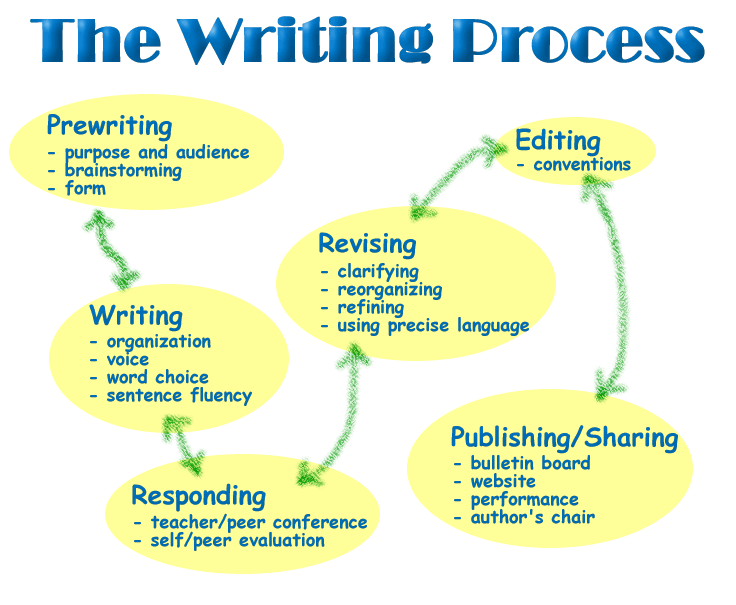
The Refinement Phase: Editing for Consistency and Impact
In the world of professional branding, the first draft is rarely the final product. The refinement phase is where “good” writing is polished into “brand-aligned” excellence. This stage of the writing process is rigorous and often involves multiple stakeholders to ensure that the message is bulletproof.
Auditing for Visual and Verbal Alignment
Writing does not exist in a vacuum; it lives alongside design. A key part of the brand writing process is “visual-verbal integration.” This means checking if the rhythm of the sentences matches the visual hierarchy of the webpage or advertisement.
During the editing stage, brand strategists look for “brand-specific vocabulary.” Most established brands have a “house style guide” or a “lexicon” of forbidden and preferred words. For example, a high-end luxury brand might forbid the word “cheap” or “discount,” preferring “attainable” or “exclusive invitation.” The editing process meticulously removes any linguistic “impostors” that might dilute the brand’s perceived value.
Collaborative Review and Stakeholder Feedback
Unlike personal writing, brand writing is a collaborative endeavor. The process often involves a “Legal and Compliance” review, especially in industries like finance or healthcare. Furthermore, feedback from the marketing and sales teams ensures that the writing is aligned with current lead-generation goals.
The challenge in this part of the writing process is “editing by committee,” which can sometimes strip a piece of its personality. A skilled brand strategist manages this by ensuring that while the facts are checked and the legalities are met, the original brand “soul” remains intact. This requires a final “voice pass” after all technical edits have been made to ensure the flow remains natural and engaging.
The Distribution and Optimization Phase: Scaling the Brand Message
The writing process does not end when the “publish” button is pressed. In a data-driven brand strategy, the final stage involves monitoring how the writing performs and adapting it for various touchpoints.
Adapting the Narrative for Multi-Platform Success
A core pillar of brand strategy is consistency across channels. However, “consistent” does not mean “identical.” Part of the strategic writing process is “content atomization”—taking a large, foundational piece of writing (like a brand white paper) and breaking it down into smaller, platform-specific segments.
This involves rewriting the core message for:
- LinkedIn: Focus on professional insights and industry leadership.
- Instagram/TikTok: Focus on visual storytelling and emotional hooks.
- Email Marketing: Focus on direct address and personal connection.
Each of these iterations follows the same writing process—research, drafting, and refinement—but is optimized for the unique constraints and user behaviors of the specific medium.
Measuring the Financial ROI of Brand Messaging
Ultimately, the writing process in a business context must be accountable to the bottom line. Brand strategists use A/B testing to refine the writing further. By testing two different headlines or two different calls to action, the writing process becomes iterative.
This data-driven approach allows brands to see which “voice” or “message” results in higher conversion rates. It turns writing from a subjective art form into a measurable business asset. When we ask “what is the writing process” in branding, the answer is: it is a continuous loop of creation, feedback, and optimization designed to build a lasting relationship between a company and its customers.

Conclusion: The Writing Process as a Competitive Advantage
In an era where AI can generate generic content in seconds, a sophisticated, human-led writing process has become a significant competitive advantage for brands. By treating writing as a strategic discipline rather than a clerical task, companies can ensure that every word they produce strengthens their brand identity.
From the initial research of the pre-writing phase to the data-driven optimizations of the distribution phase, the writing process is the bridge between a brand’s internal vision and the public’s perception. It is the art of strategic storytelling, the science of persuasion, and the foundation of corporate identity. Mastering this process is not just about writing better; it is about building a brand that lasts.
aViewFromTheCave is a participant in the Amazon Services LLC Associates Program, an affiliate advertising program designed to provide a means for sites to earn advertising fees by advertising and linking to Amazon.com. Amazon, the Amazon logo, AmazonSupply, and the AmazonSupply logo are trademarks of Amazon.com, Inc. or its affiliates. As an Amazon Associate we earn affiliate commissions from qualifying purchases.